





 Portuguese
  English
  Spanish
  4 min of reading
  0 comments


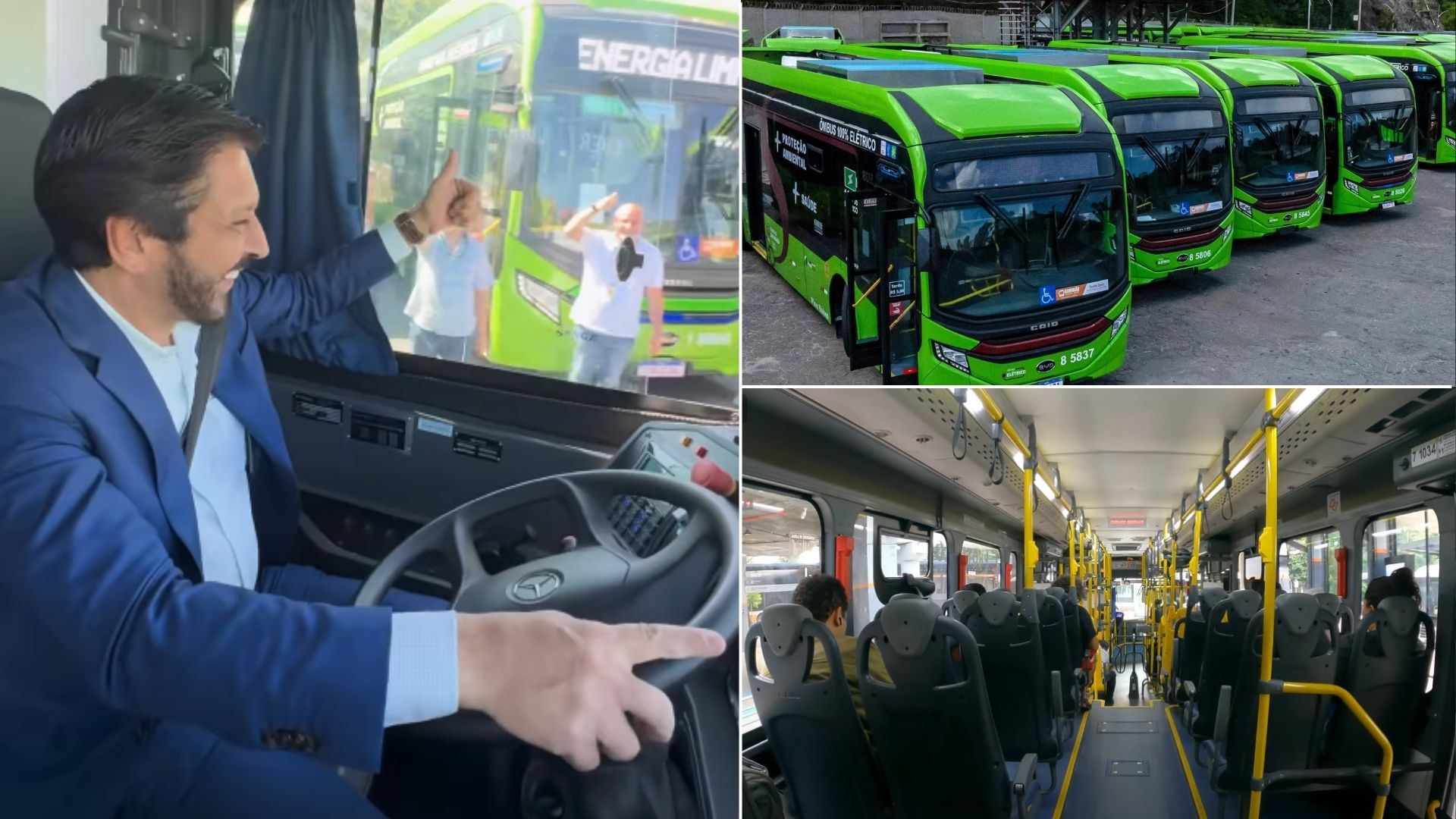
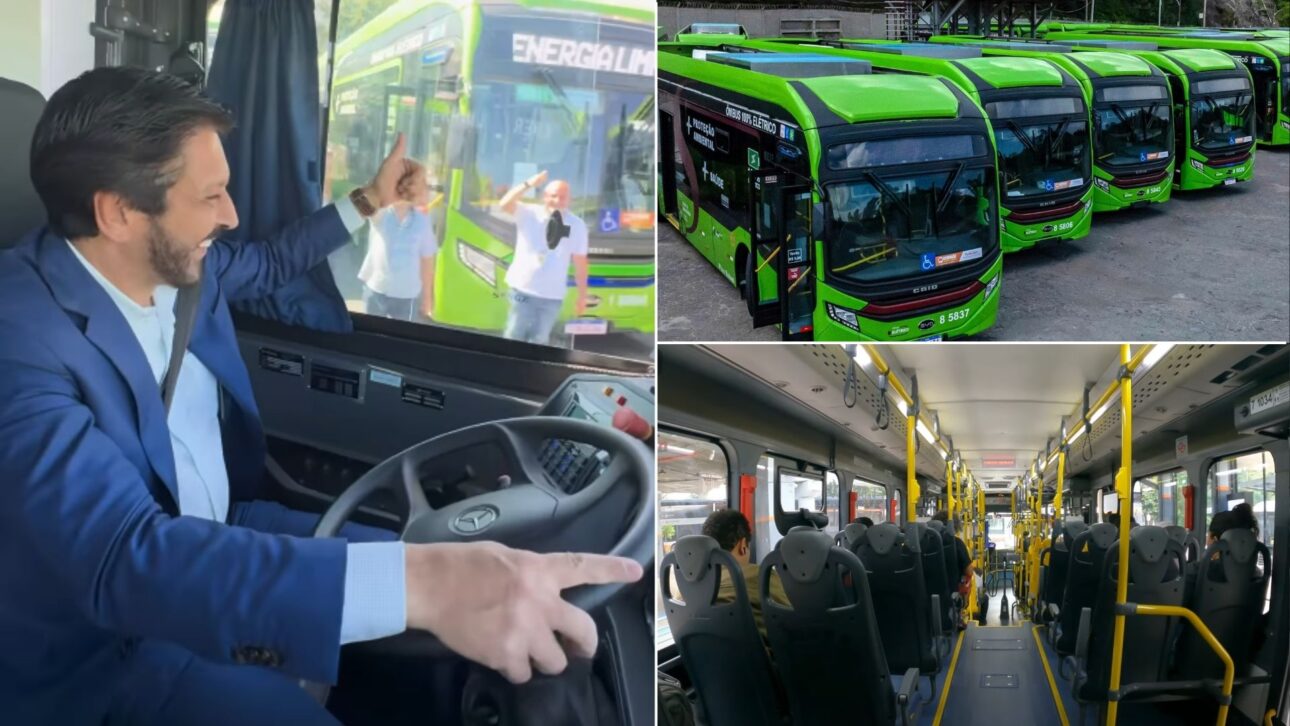
Electric Model Advances Public Transport in São Paulo, Merging Autonomy, Fast Charging, Environmental Benefits, and Cutting-Edge Technology for Operators and Passengers.
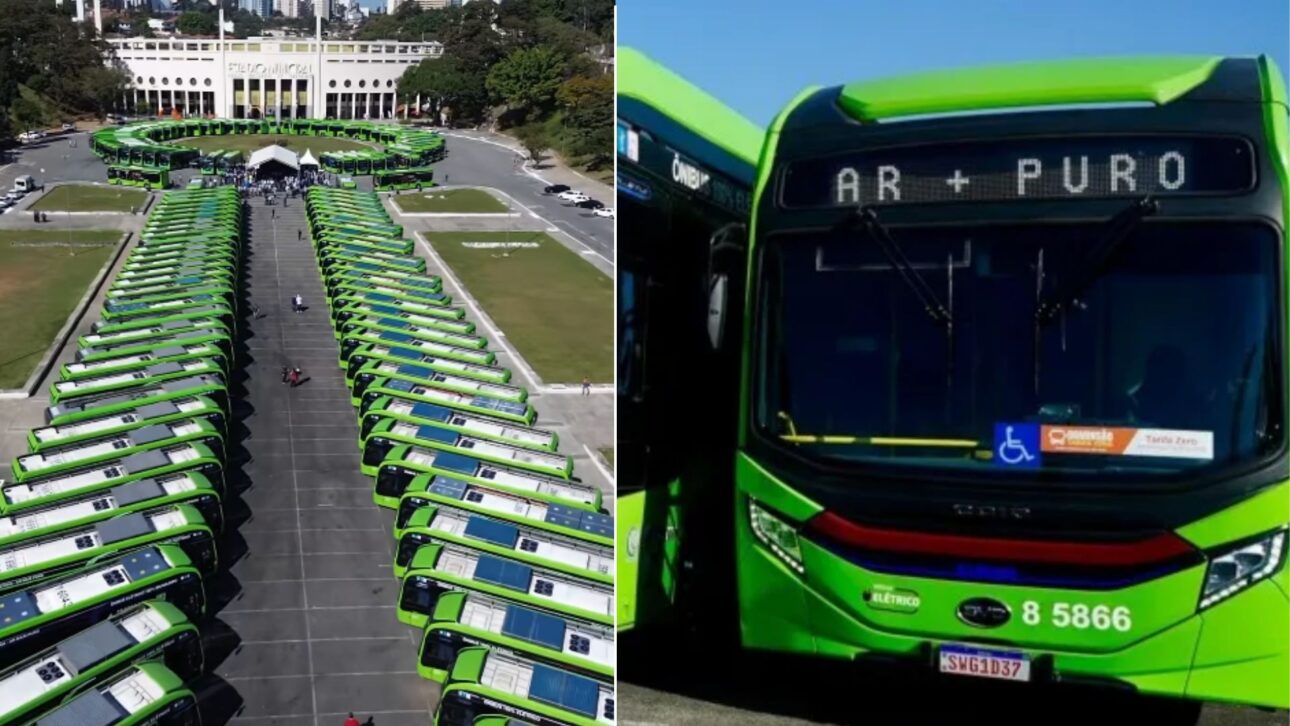
The city of São Paulo received a new boost for its public transport fleet on Thursday, July 24, 2025, with the delivery of 60 fully electric buses from BYD Brazil.
The official presentation event took place at Praça Charles Miller, located in front of the Pacaembu Stadium, and was attended by municipal authorities, representatives from the manufacturer, and public transport operators.
This action is part of the São Paulo capital’s strategy to increase the use of non-polluting vehicles, aligning with the environmental goals set by the municipality.
-
The largest food company on the planet, JBS, has just opened a 4,000 square meter laboratory in Florianópolis to develop customized proteins that modulate muscle mass gain, immune response, and metabolic performance.

-
After nearly 30 bids and competition among industry giants, a Spanish company purchases one of the largest airports in Brazil for almost R$ 3 billion and takes over the management of Galeão in a concession that will last until 2039.

-
The Federal Revenue Service now automatically cross-references everything you declare with data from banks, credit cards, brokerage firms, and insurance companies, and any discrepancy between your income and your expenses triggers an alert in seconds.

-
Amid global tensions, Brazil blocks the United States’ proposal at the WTO and paves the way for a trade crisis and possible retaliations.


BYD D9W: Technology and Sustainability in Transport
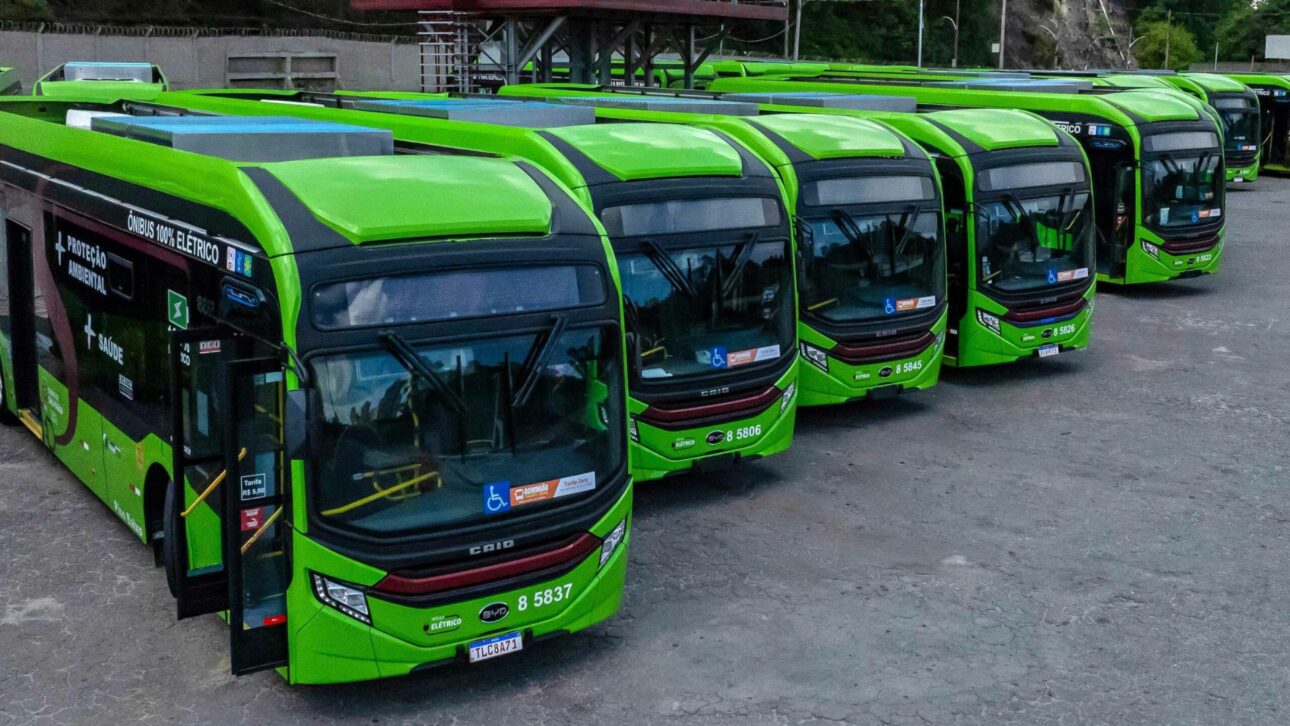
Manufactured at BYD’s industrial plant in Campinas, São Paulo, the new buses of the BYD D9W model represent a significant advancement in technology, sustainability, and operational efficiency.
Each vehicle measures 12.98 meters in length and has the capacity to carry up to 80 seated passengers, ensuring greater comfort and space during urban trips.
Easy boarding is guaranteed by the Low Entry design, which eliminates steps, making access easier for people with reduced mobility, the elderly, children, and pregnant women.
Advanced Powertrain and Performance
The main feature of the new BYD D9W buses is the advanced powertrain.
The system consists of two permanent magnet synchronous electric motors, installed directly on the wheels of the rear axle, with a total power of 402 horsepower (hp).
Each power unit delivers 150 kilowatts (kW), equivalent to 201 hp, and provides maximum torque of 550 newton-meters (Nm) per motor, ensuring smooth acceleration, consistent performance, and quiet operation.
The electronic traction module manages the distribution of energy, optimizing efficiency and allowing for regenerative braking — technology that converts part of the kinetic energy generated during braking into electricity to recharge the batteries.
Autonomy, Charging, and Operational Efficiency
In terms of range, the BYD electric buses are designed to travel up to 250 kilometers on a single charge, allowing for extensive daily journeys on the city’s urban lines.
The battery charging process takes between two to three hours, contributing to the agility in returning the vehicles to operation.
The energy consumption is considered one of the lowest in the Brazilian market, providing a reduction of up to 70% in operational costs compared to conventional diesel buses.
Environmental Impact and Service Life
Besides financial savings, the new BYD electric bus brings significant environmental advantages.
According to data from the manufacturer itself, each chassis produced can prevent the emission of about 118 tons of carbon dioxide (CO₂) per year, which is equivalent to the planting of approximately 847 trees in the same period.
The estimated lifespan of BYD electric vehicles is up to 15 years, exceeding the average of 10 years observed in the diesel fleet, another factor that reinforces the environmental commitment and long-term sustainability for public transport in São Paulo.
Comfort, Technology, and Accessibility
Among the comfort and technology features present in the new buses, the presence of USB ports for charging mobile devices, adjustable pneumatic suspension system for impact absorption, as well as a quiet internal environment, are highlighted, which is essential to enhance the quality of experience for both passengers and the driver.
Accessibility has also been prioritized, with platforms and systems that comply with inclusion standards.
Fleet Expansion and National Scenario
With the delivery of the new vehicles, São Paulo now has a total of 183 electric buses from BYD in circulation, establishing itself as one of the Brazilian cities with the highest investment in electric mobility solutions.
The gradual increase of the electric fleet integrates the municipal public policy for reducing pollutant emissions and modernizing public transport, a measure that contributes to the improvement of air quality and public health.
Global Trend and Technological Advances
The adoption of 100% electric buses follows a global trend observed in large urban centers.
European countries and Asian cities such as Shenzhen and Beijing, for example, already operate thousands of electric buses in their transport networks, demonstrating the feasibility and benefits of this technology.
In the national context, São Paulo stands out as a reference by driving partnerships with manufacturers and encouraging investments in the sustainable mobility sector.
Another highlight of the BYD D9W is the regenerative braking system, which, in addition to increasing range, contributes to the overall energy efficiency of the vehicle.

The electronic control allows real-time monitoring of performance, energy use, and maintenance needs, aspects that help operators optimize routes, reduce expenses, and improve service to the public.
BYD Brazil and the Future of Urban Mobility
BYD Brazil, a subsidiary of the Chinese company BYD (Build Your Dreams), has been operating in the country since 2015, with electric vehicle factories and production of lithium iron phosphate batteries, considered safer and more environmentally friendly.
For specialists, the brand’s growth in the Brazilian market reflects technological advancement and a positive response to demands for clean and innovative solutions in public transport.






-

Uma pessoa reagiu a isso.