





 Portuguese
  English
  Spanish
  5 min of reading
  5 comments


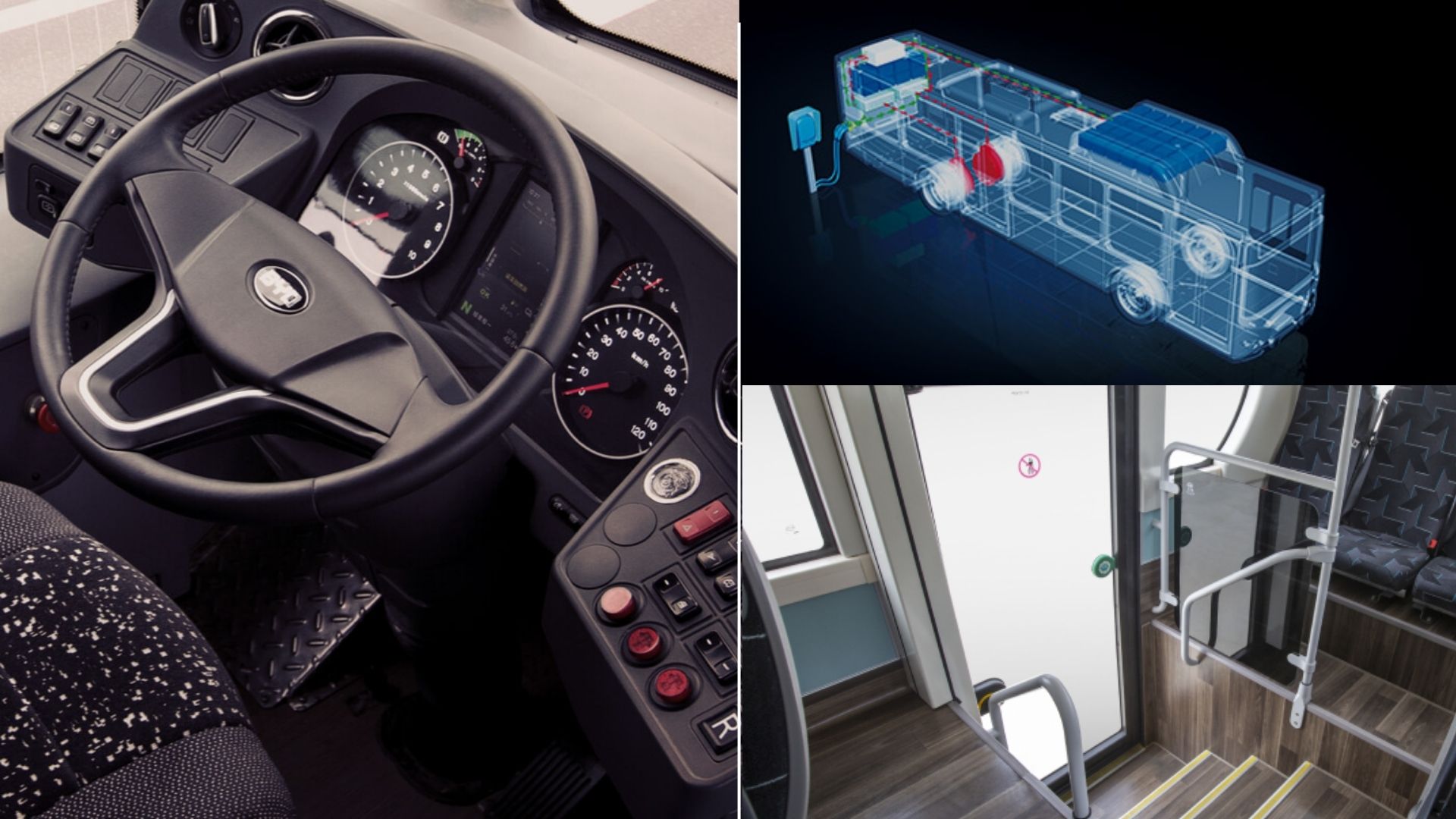


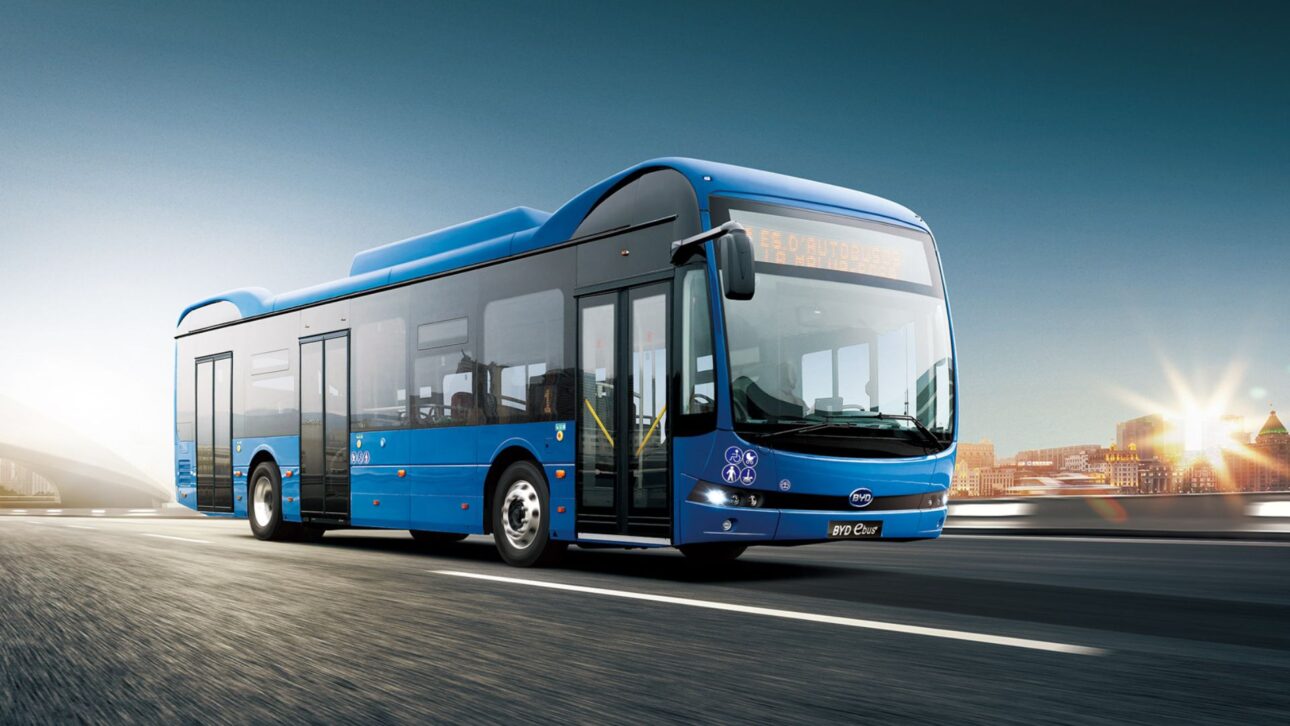
Electric Model Surprises With Innovative Battery Integrated Into Chassis And Sufficient Range For Intercity Long-Distance Trips. Vehicle Was A Global Highlight At An International Mobility Industry Event.
The new B13.b electric bus from BYD was globally unveiled during the UITP Summit, held in Hamburg, Germany, in June.
Measuring 13 meters in length, the vehicle impresses with its autonomy of up to 700 kilometers, enough to travel between São Paulo and Rio de Janeiro on a single charge.
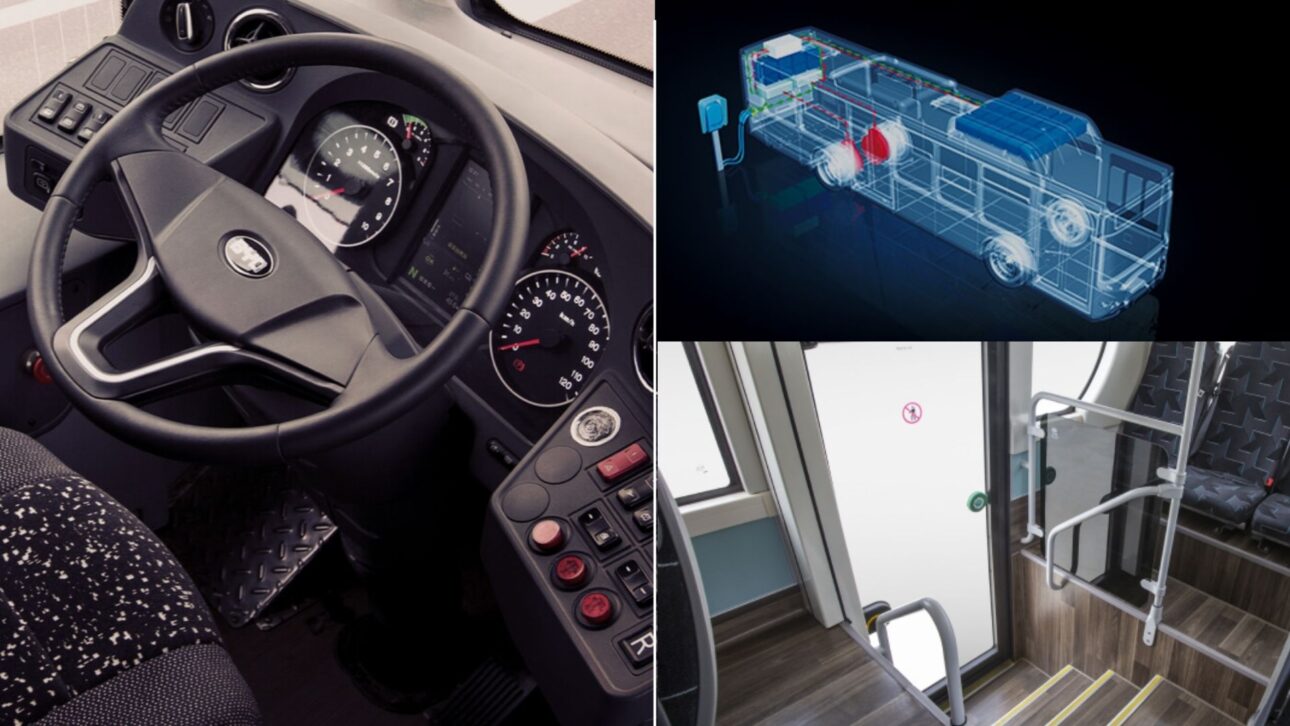
Equipped with cutting-edge technology, the model draws attention for incorporating the innovative blade battery directly into the chassis, a solution that enhances energy efficiency and redefines safety standards in public transport.
-
How the terraforming of Mars can transform the planet: artificial aerosols can increase the temperature by up to 35°C in 15 years, creating conditions for liquid water.

-
Scientists drilled nearly 8,000 meters into the ocean floor above the fault that caused the 2011 tsunami in Japan and discovered that a layer of clay 130 million years old was responsible for making the wave much worse than any model had predicted.

-
Thousands of years after causing the largest eruption of the Holocene, one of the world’s largest supervolcanoes is rebuilding itself beneath the sea south of Japan, receiving new magma and alarming scientists with its transformation.

-
China has activated a magnet 700,000 times more powerful than the Earth’s magnetic field that operates for over 200 consecutive hours while consuming little energy, and now the world wants to know what Beijing plans to do with this technology in 2026.

The official presentation of the B13.b took place at one of the world’s main urban mobility industry events.
The meeting brought together experts, managers, and manufacturers from various countries.
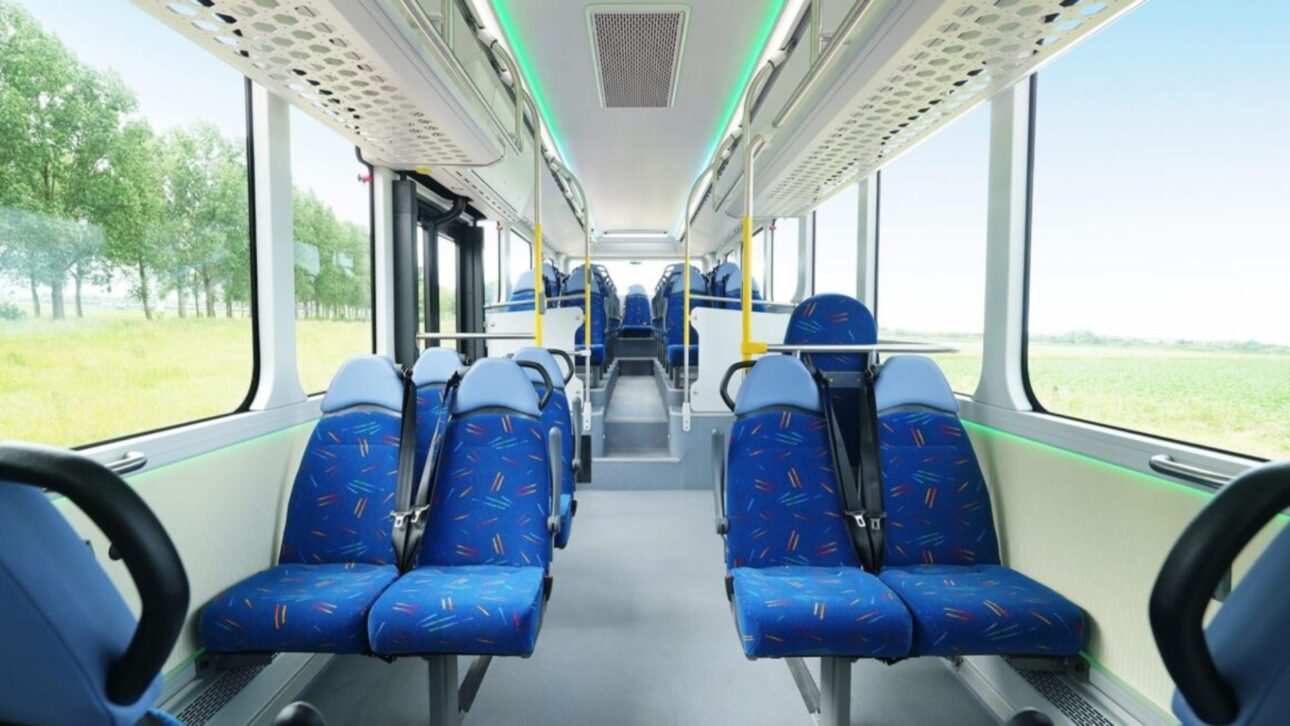
Developed for the urban and intercity bus segment, the new BYD can accommodate up to 49 seated passengers and 29 standing, meeting the growing demand for more sustainable and high-performance vehicles in public transport both in Brazil and internationally.
Blade Battery: Innovative And Exclusive Technology
The standout feature of the B13.b is the blade battery, a proprietary technology from the Chinese manufacturer BYD, initially used in cars and now adapted for the bus line.
This battery uses lithium iron phosphate (LFP) cells arranged in a format similar to small blades, hence the name “blade.”
This exclusive structure presents significant benefits, such as higher energy density in a compact space and superior thermal stability, essential characteristics for the vehicle’s performance and safety.
Another differentiator is the honeycomb-pattern structure, which helps make the bus lighter, optimizing energy consumption and allowing the range to reach up to 700 km on a single charge.
The integration of the battery into the chassis, known as CTC (cell-to-chassis) technology, eliminates the need to install batteries on the roof, freeing up space inside and contributing to greater stability and drivability.
Extreme Tests Ensure Safety
In terms of safety, BYD’s blade battery has undergone rigorous resistance tests, including puncture by nails, crushing, and heating in an oven.
These tests simulate extreme conditions that could occur in accidents, and the results demonstrated that the component maintains its integrity, surpassing international safety standards for electric vehicles.
According to the manufacturer, this performance has significantly contributed to the acceptance of the blade battery in the global market, making it a reference for innovation in the industry.
The integration of the blade battery into the chassis also reduces the risk of serious accidents in the event of collisions or fires, as the arrangement and material of the cells prevent heat propagation and minimize structural damage to the vehicle.
Additionally, the absence of batteries installed on the roof improves the center of gravity, enhancing drivability and providing a more comfortable and secure travel experience for passengers and drivers.
Performance, Energy Efficiency And Technology
The BYD B13.b is equipped with two 150 kW electric motors, positioned in the wheel hubs.
This motorization system provides quick and silent responses, ideal for both urban routes and intercity trips.
The maximum speed of the model reaches 100 km/h, and the total battery capacity is 560 kWh, ranking it among the largest in the electric bus segment currently available on the market.
The bus’s intelligent thermal system ensures efficient cooling of both the powertrain and the batteries, prolonging the lifespan of the components and ensuring optimal performance even in adverse temperature conditions.
Another important feature is the active suspension control, which automatically adjusts the height and stiffness of the vehicle according to the weight being transported and the road conditions, providing more stability and comfort throughout the journey.
Impact On Public Transport And Industry Trends
The arrival of the BYD B13.b represents a significant advancement for sustainable mobility in Brazil and worldwide.
As major cities seek solutions to reduce pollutant emissions and improve air quality, the range of up to 700 km places the new bus at an advantage over competitors, expanding operational possibilities in intercity corridors and long urban routes without the need for frequent recharging.
The innovation of the blade battery integrated into the chassis also reflects a global trend of integrating structural components and energy systems, raising the standards of safety and efficiency for electric buses.
In recent years, the growth of the electric bus market has been driven by public policies promoting the electrification of transport, as well as social pressure for less polluting alternatives.
Recent industry data indicates that BYD, founded in 1995, already leads the manufacturing of electric vehicles in various markets, including Brazil.
By 2025, the company expanded its presence in Latin America with the opening of new production lines, consolidating the country as a strategic hub for exporting clean technology.
Viability And Perspectives For Brazil
In the Brazilian context, the ability to operate electric buses capable of connecting major capitals such as São Paulo and Rio de Janeiro on a single charge represents an important milestone for fleet renewal and reducing environmental impact in cities.
The use of the blade battery can accelerate the energy transition of public transport, meeting the growing demand for safer, more economical, and eco-friendly vehicles.
According to industry experts, the large-scale adoption of models like the BYD B13.b will depend not only on the technology embedded but also on the expansion of recharging infrastructure and the development of public policies focused on electric mobility.
The higher initial cost, when compared to traditional buses, tends to be offset by the reduction in operational expenses and the longevity of components over the years.
Future Of Electric Buses And Clean Mobility
The launch of the BYD B13.b, with an integrated blade battery into the chassis and a range of up to 700 km, stands out as a landmark in the advancement of electric buses and points to an increasingly clean and efficient future in public transport.
The model symbolizes not only a technological evolution but also a cultural shift towards sustainable mobility, a priority topic in Brazilian cities and worldwide.
In light of these advancements, what are the greatest expectations of passengers and transport companies regarding the expansion of electric buses in Brazil?









Compro o ônibus reformo como uma casa, compro um terreno e quando quiser viajar já fuiiiiii 700km de autonomia? Perfeito
“Rigurosos”?
Os dados aqui mostrados se referem à versão urbana desse veículo, que obviamente nao poderia ser utilizado como ônibus rodoviário. Já este demandaria maior consumo de bateria, reduzindo a sua autonomia.
Vdd… na minha visão a BYD deveria tbm pensar em investir em Modelos Híbridos Plug-in compatível com Motores de Propulsão a Biodiesel, tanto para Ônibus, quanto a Caminhões!!!
Sinceramente não sei se daria certo, e qual seria o GANHO com essa Nova Tecnologia, porém, se o Sistema Híbrido Plug-in DM-i da BYD funciona tão bem nos Veículos de Passeio, então porquê não funcionaria, um Sistema SIMILAR, em Veículos de Cargas e Transportes Rodoviários???