





 Portuguese
  English
  Spanish
  3 min of reading
  0 comments


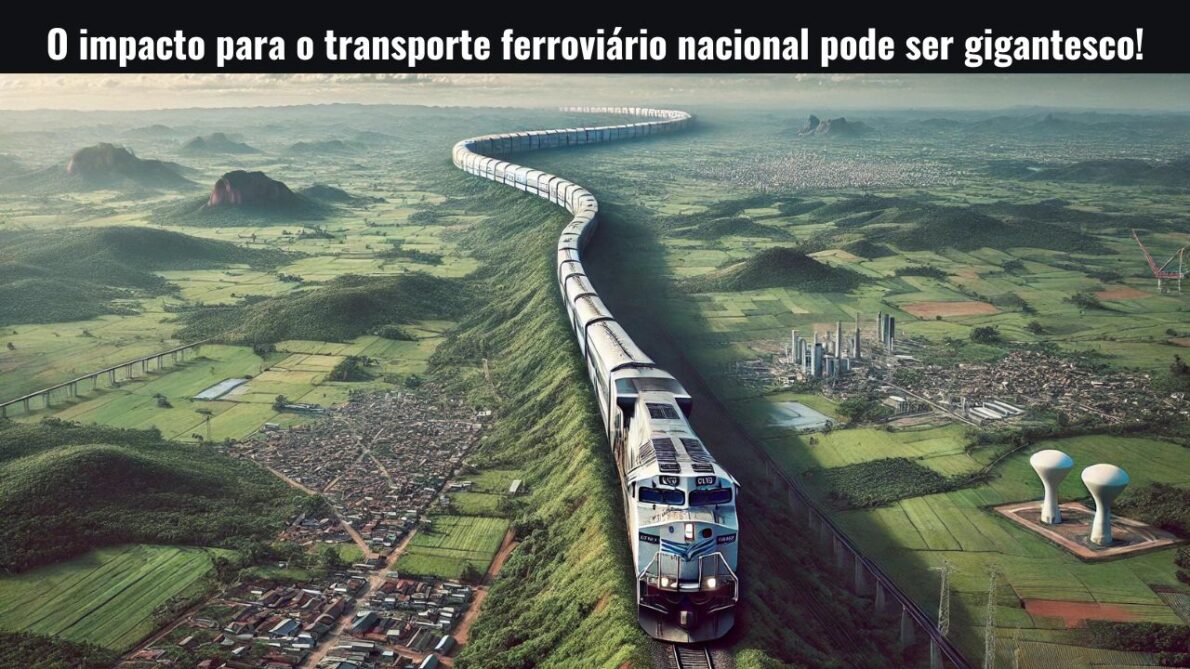
Government Studies Dividing the Malha Oeste and Advancing Renovations of the Transnordestina and FTC to Modernize Railway Sections.
Imagine this: one of Brazil’s main railway networks, the Malha Oeste, being split into two distinct projects to meet the country’s demands even more efficiently! And if that weren’t enough, the government is also planning the early renovation of parts of the old Transnordestina and the Tereza Cristina Railway (FTC). Expectations are high, and the impact on national rail transport could be enormous!
The federal government’s latest plan, through the PPI (Investment Partnership Program), is to divide the Malha Oeste into two sections, in addition to the Transnordestina. The first project aims to connect the Mato Grosso do Sul region to the Paraguay River waterway, taking advantage of the aquatic infrastructure for cargo flow. The second aims to connect the state to the Malha Paulista, ensuring a strategic route for the transportation of goods to São Paulo.
Divergences About the Initial Malha Oeste Project
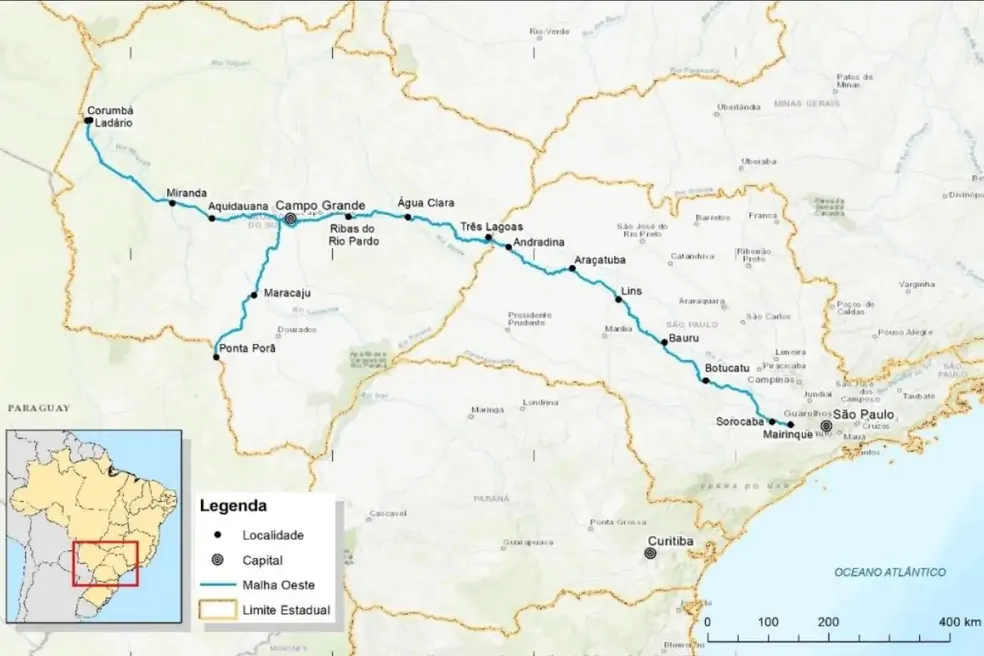
According to Marcus Cavalcanti, special secretary of the PPI, this division aims to meet regional demands more directly and efficiently, especially after public hearings revealed divergences over the initial Malha Oeste project. With the concessionaire Rumo showing interest in re-negotiating the section that connects to the waterway, the idea gained even more momentum. Companies like Eldorado and Suzano are also eyeing the sections that could be returned and see great potential for improving the transportation of their products.
-
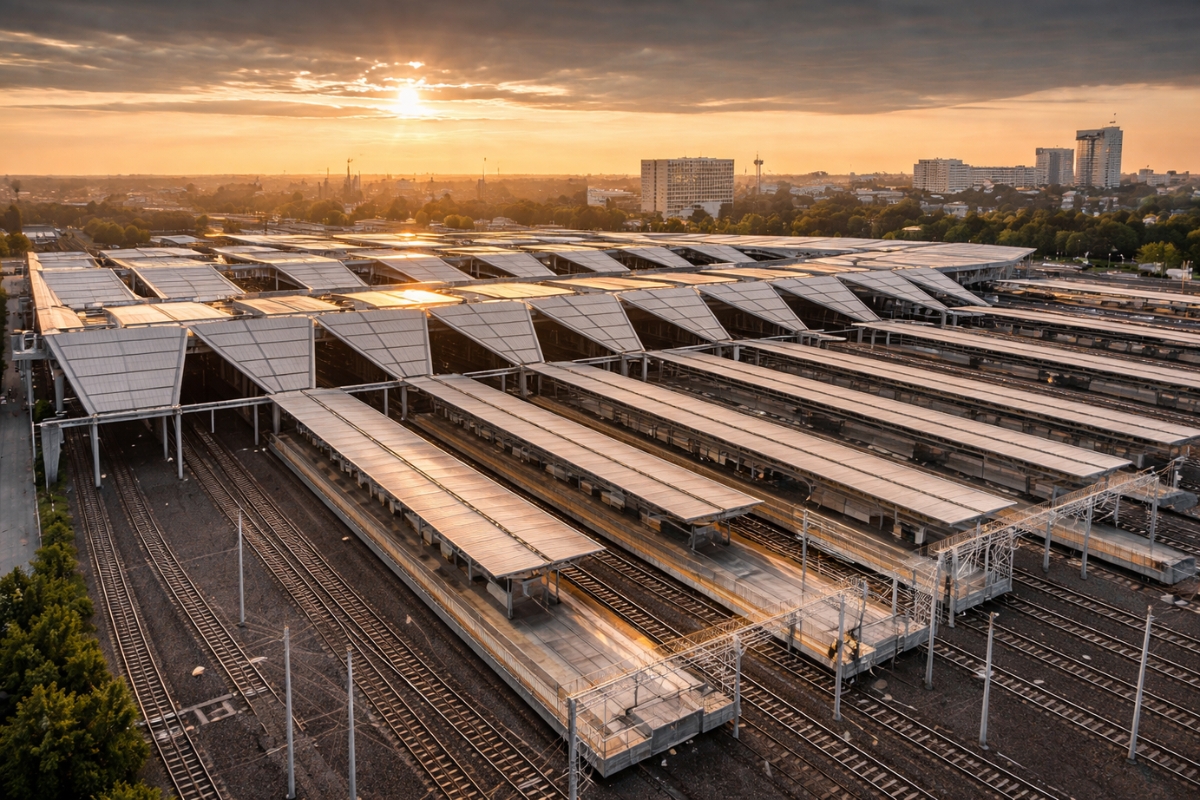
In A European City, The Country’s Largest Railway Junction Was Modernized Without Closing Its Doors, Kept Trains Running During Years Of Construction, Now Serves Up To 60,000 Passengers Per Day, And Installed Solar Panels That Generate About 30% Of Its Energy
-
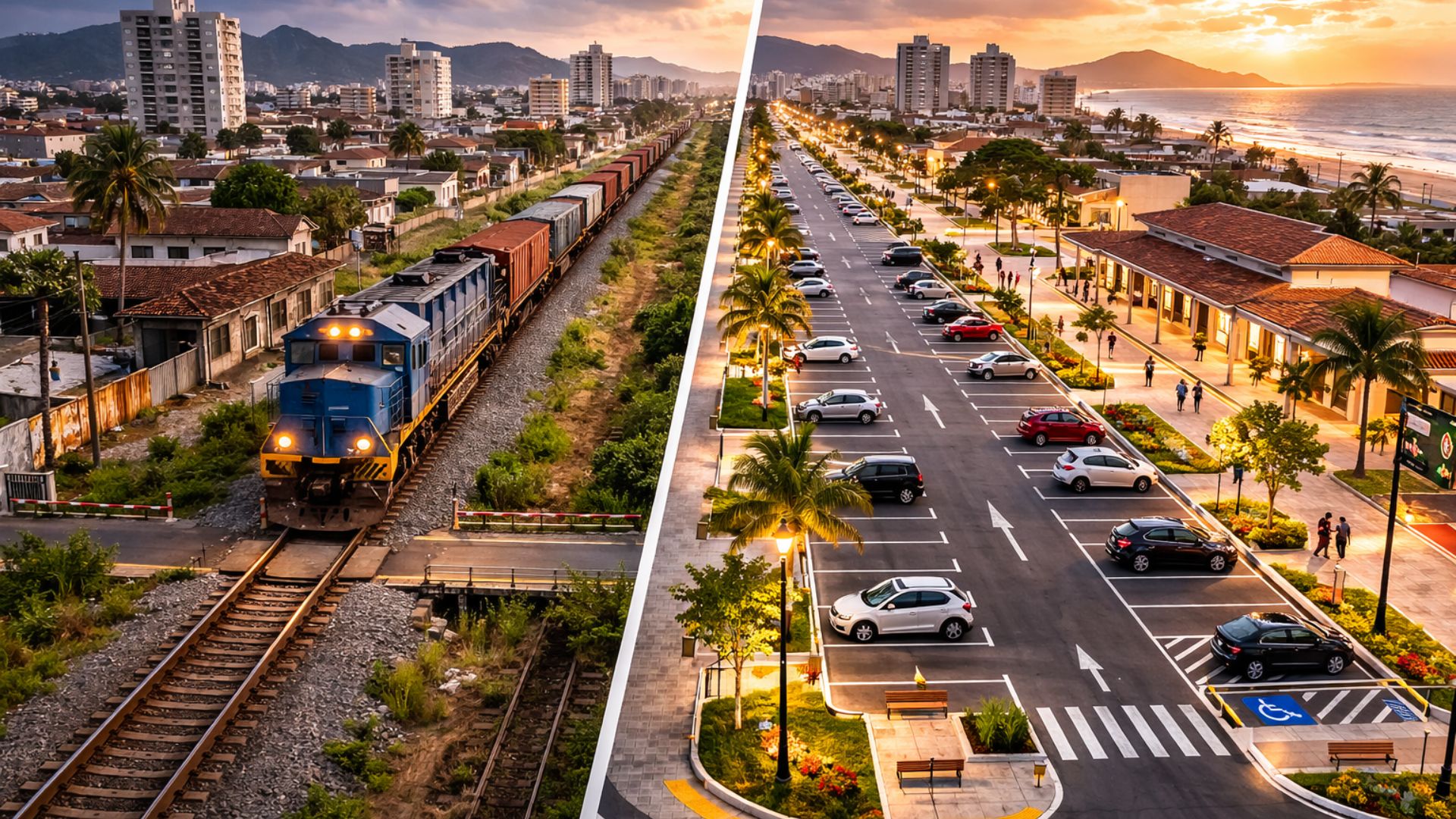
Famous Brazilian Railway May Become a Parking Lot
-
The Country of “Punctual As a Train” Admits It Has Lost Control: High-Speed Trains Delay, Stop, Disappear from the Map and Turn 6-Hour Trips into 10, While Deutsche Bahn Promises Restructuring in 2026 But Faces 19th Century Infrastructure, Staff Shortages and Sections Closed for Months
-
With an Investment of R$ 700 Million in One of the Country’s Main Rail Networks, VLI Reinforces Infrastructure, Receives 8 New Locomotives, and Expands the Corridor Connecting 7 States, Boosting Jobs and the Transportation of Grains, Ore, and Oil Products to the Port of Santos
Early Renovation of Two Sections of the Old Transnordestina and FTC Network
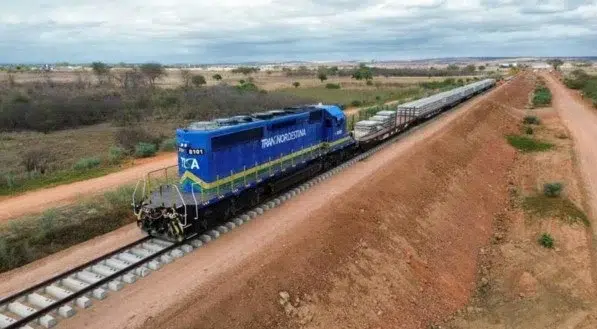
In addition to the Malha Oeste, the government has also focused efforts on the early renovation of two sections of the old Transnordestina and FTC network, which are essential to modernize the railway sector in Brazil. The concessionaire CSN, which operates the Transnordestina, requested to maintain the operation of a vital section that connects the port of Itaqui in Maranhão to Ceará. This same state is home to the construction of the New Transnordestina, which aims to connect the railway to Piauí, ensuring a strategic route for cargo flow.
New Transnordestina in Pernambuco Needs More Investment and Adjustments
The renovations are seen as fundamental to avoid logistical bottlenecks, especially in the northeast, where the New Transnordestina project in Pernambuco needs more investment and adjustments. There are also structural challenges, such as sections damaged by rain, that require special attention to ensure uninterrupted railway operations.
“We would have cargo from Mato Grosso do Sul heading to the Malha Paulista and the section reaching the waterway,” Cavalcanti explained, detailing that, in addition to cargo movement, the returned sections of the Malha Oeste could, in the future, include passenger transport in some regions.
The Future of Railways Promises to Be Busy
With all these movements, it is clear that the government wants to ensure that the Brazilian railway system, especially in strategic regions covered by the Transnordestina and Malha Oeste, moves forward, taking full advantage of the country’s logistical potential. The future of the railways promises to be busy and, it seems, will bring great benefits both for companies and for Brazilians who depend on efficient infrastructure.
With so many changes on the horizon and the promise of a more modern railway infrastructure, will these renovations and divisions of the Malha Oeste and Transnordestina truly manage to solve Brazil’s logistical bottlenecks and boost economic growth in the served regions? What do you think?







Seja o primeiro a reagir!