





 Portuguese
  English
  Spanish
 3 min of reading
  0 comments


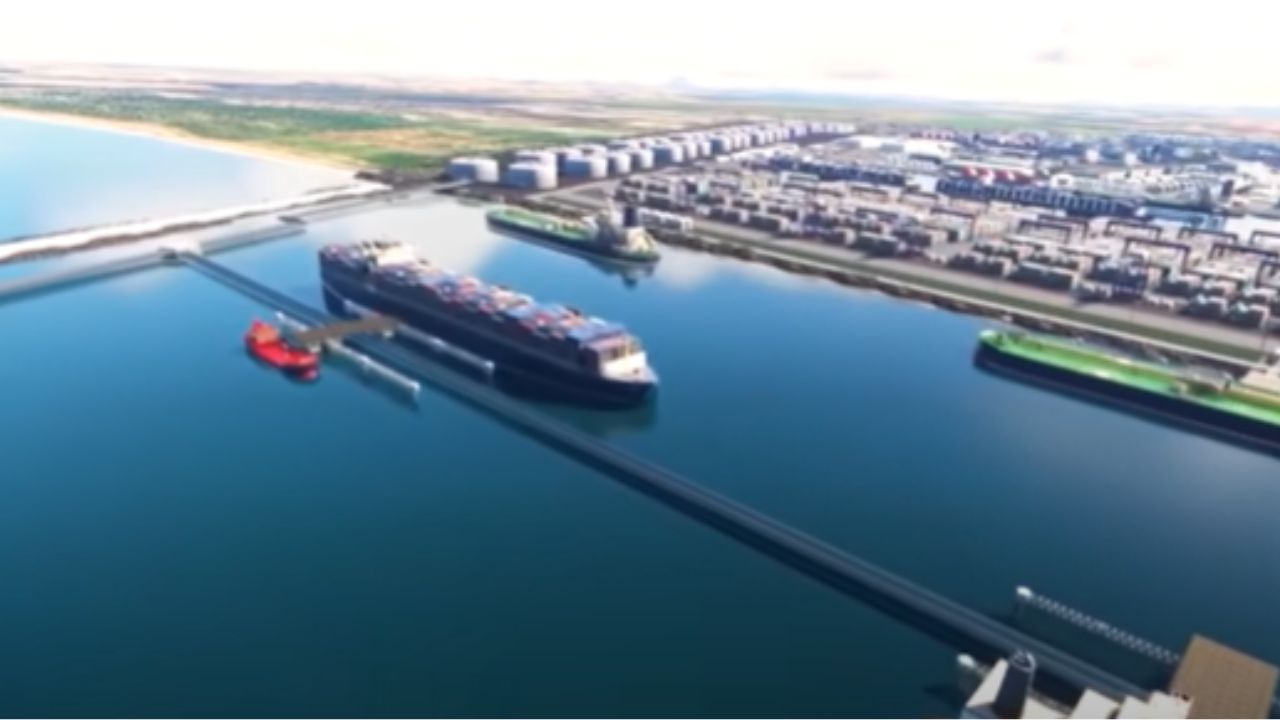
Meet the Billion-Dollar Project in Espírito Santo That Promises to Place Brazil on the Route of the Largest Ships in the World and Transform the Country’s Foreign Trade.
A mega private port complex is being built in the municipality of Presidente Kennedy, Espírito Santo, and promises to change Brazil’s position on global shipping routes. Called Porto Central, this new port in Brazil is one of the largest logistical bets in the country’s recent history, designed to solve historical bottlenecks and boost national competitiveness on an unprecedented scale.
What Makes Porto Central a Gigantic Project?
The main distinguishing factor of Porto Central is its capacity. The project foresees an access channel with a depth of up to 25 meters. For comparison, Brazil’s main ports currently operate at an average of 13 meters. This feature will allow the complex to receive large vessels, such as the Velemax (the largest bulk carriers in the world) and VLCCs, with a capacity of up to 400,000 tons.
This is a private project with a monumental investment. The first phase is estimated at R$ 5 billion, but the total amount projected over its five phases could exceed R$ 16 billion. The total area of the complex will reach approximately 2,000 hectares, equivalent to nearly 2,800 soccer fields.
-
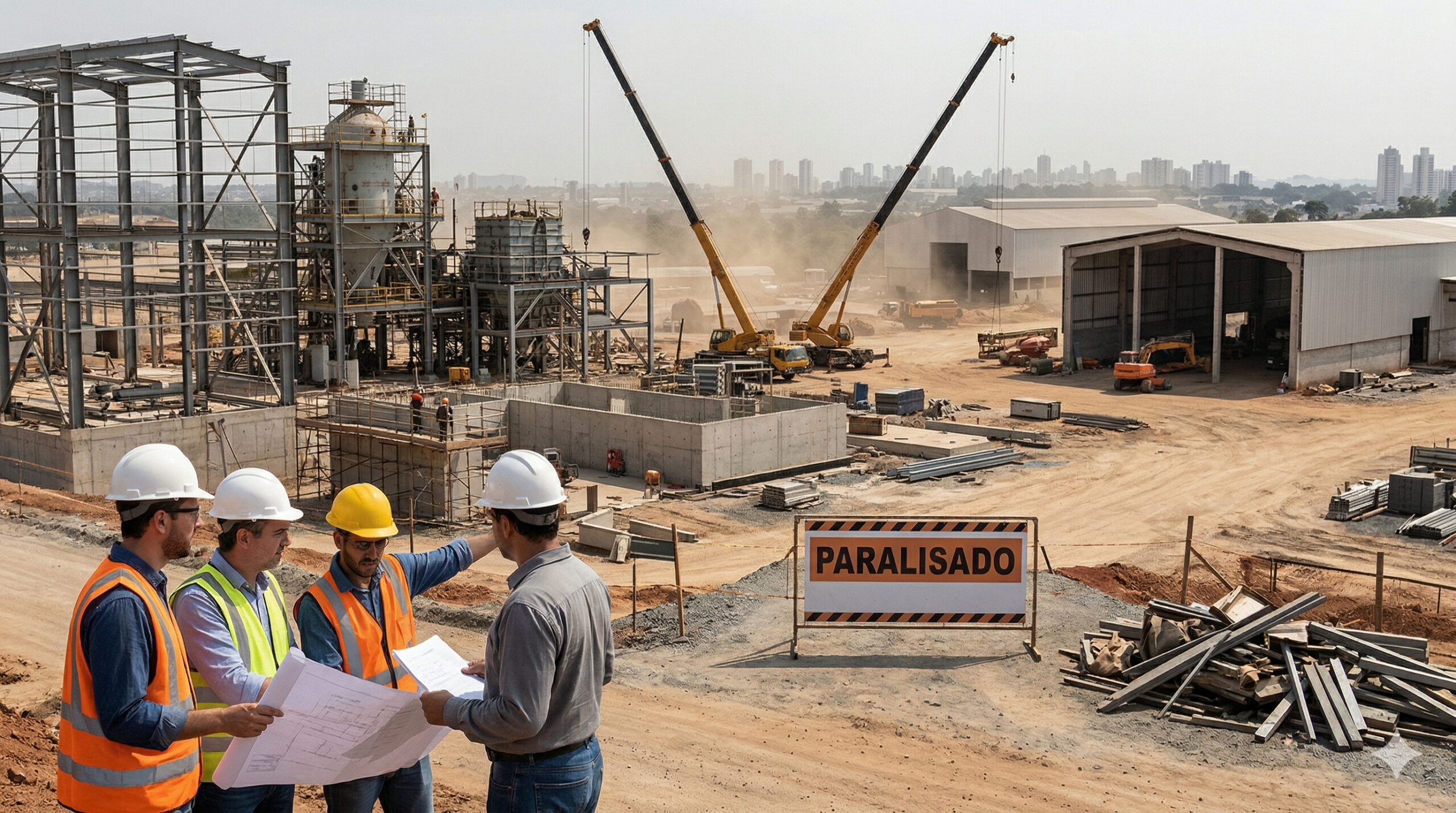
The lack of welders, electricians, and operators becomes a structural threat in 2025, with the construction industry and manufacturing already suffering from delays, cost pressures, and labor shortages in Brazil.
-
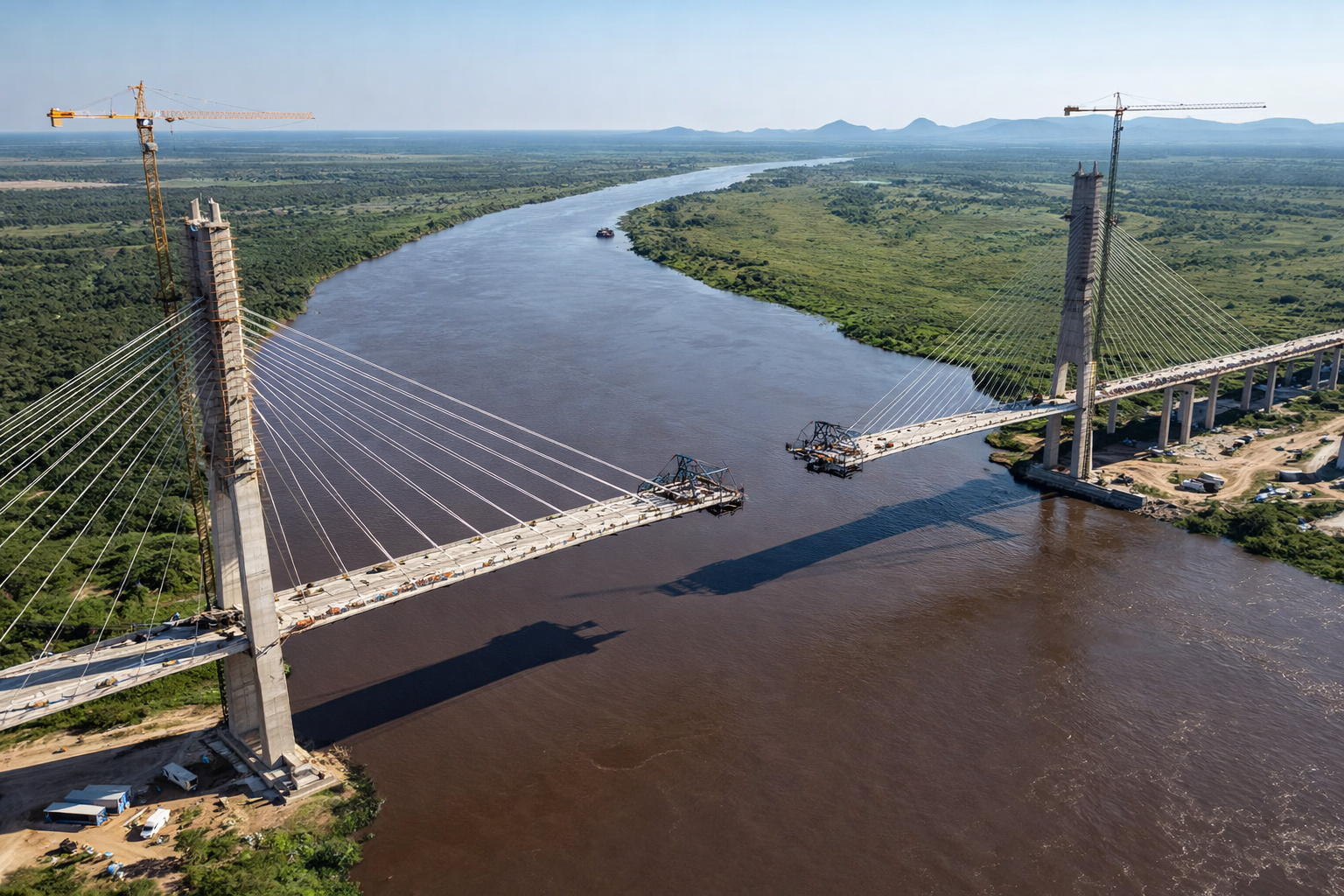
Brazil and Paraguay are just 46 meters away from a historic union on the bioceanic bridge that promises to revolutionize trade between the Atlantic and the Pacific.
-
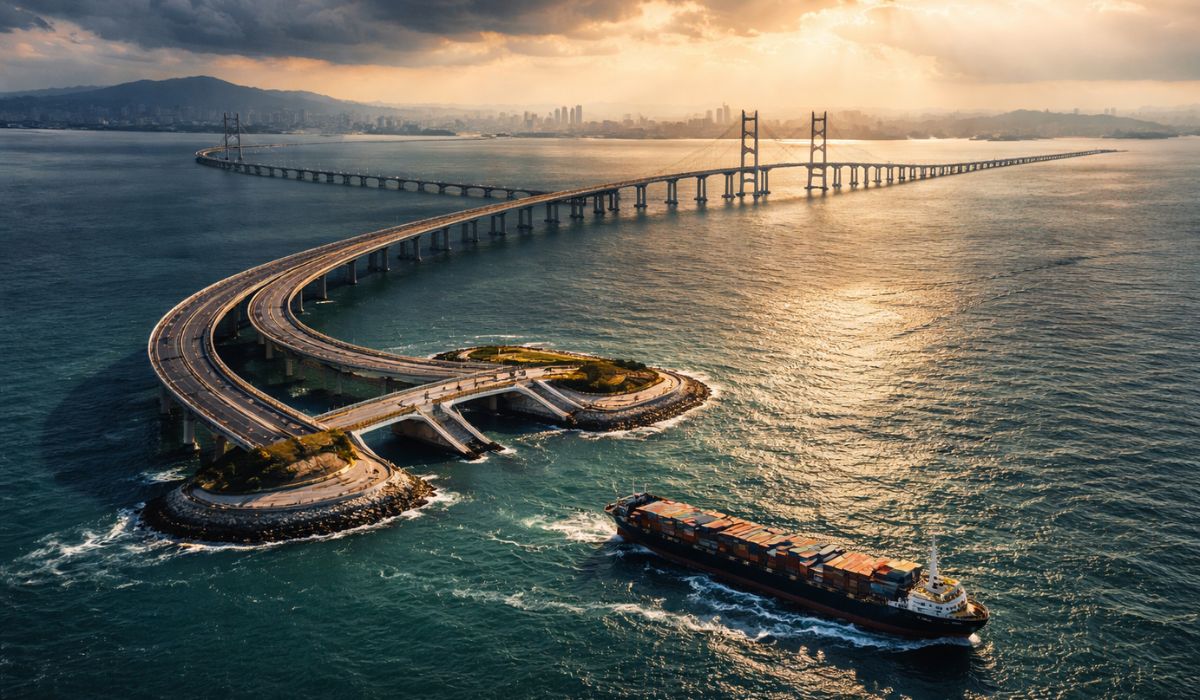
With 55 km over the sea, a cost of US$ 20 billion, and enough steel to build 60 Eiffel Towers, China’s largest project has connected Hong Kong, Zhuhai, and Macau in a colossal bridge that defies the logic of engineering.
-
A trick with joint compound transforms a Styrofoam ceiling into a plaster-like ceiling: leveled panels, wires and mesh at the joints, sand, paint, and change the environment while spending little today.


The Heart of National Logistics
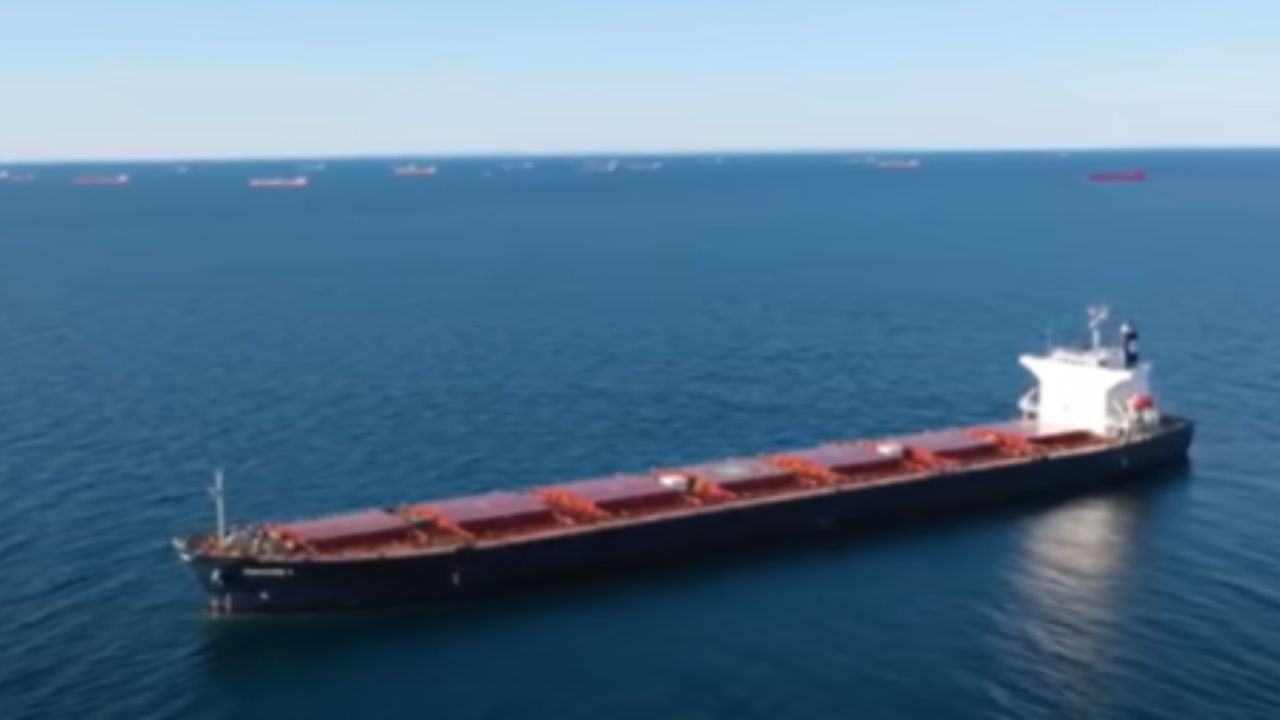
The construction site was not chosen by chance. Located in the southernmost part of Espírito Santo, Porto Central is close to the main pre-salt oil basins. Additionally, it is just hours away from some of the most important regions in the country, which together account for over 63% of Brazil’s Gross Domestic Product (GDP), with a strong agricultural, iron ore, and industrial production. This strategic proximity reduces logistics costs and attracts companies seeking quick access to the global market.
The Solution to a Historical Bottleneck in Brazilian Foreign Trade
Porto Central emerges as a response to one of the biggest problems in Brazilian infrastructure: the limitations of ports to receive large ships. Currently, a large portion of grain, mineral, and oil exports needs to be transferred to smaller vessels or make stops in other countries. This inefficiency raises costs and diminishes the competitiveness of Brazilian products. By allowing the direct docking of deep-draft vessels, the project eliminates stages, optimizes time, and reduces the costs of national production.
A Unique Competitive Advantage
One of the most ambitious aspects of Porto Central is its multimodal logistics structure. The complex will have integrated access by sea, roads, railways, and pipelines. Ground access will be made via state highways ES-060, ES-162, and ES-297, connected to the federal highways BR-101 and BR-262.
Two railway connections are planned to scale the project nationally: EF-118 and the future EF-352. It is important to emphasize that both railways have not yet begun construction. The complex is also preparing corridors for pipelines, being only 10 km away from the national gas pipeline network Gazen.
Economic, Social, and Environmental Impacts of the Project
The advancement of Porto Central goes beyond engineering. Economically, Brazil gains a strategic point for export, capable of attracting investments and benefiting producers from various sectors. Socially, the project opens new job opportunities for young people in the Presidente Kennedy region in areas such as logistics, construction, and services.
Environmental challenges are also significant. To mitigate them, the project includes a robust compensation plan, with the planting of over 100,000 native seedlings. In addition, more than 40 control and monitoring programs are structured to reconcile progress and preservation. The project also foresees a Export Processing Zone (EPZ), offering tax incentives for exporting companies.








-

-

3 pessoas reagiram a isso.