





 Portuguese
  English
  Spanish
  5 min of reading
  0 comments



Free Or Discounted Airfare For Children, Infants, And Parents Of Children With Disabilities On Domestic Flights? See Rules And How It Works Today.
A change that can greatly relieve the budgets of Brazilian families! Traveling by air in Brazil is still expensive for the budget, especially for those who have small children or take care of a child with disabilities. But this may start to change. A new project approved in the Chamber of Deputies revives the hope of thousands of families by foreseeing free airfare or discounted tickets on domestic flights, in addition to interstate ground transport.
The proposal has not yet become law, but it already represents an important advance in the debate on mobility, inclusion, and the right to go and come.
Committee Approves Project Regarding Airfare For Children
The Chamber’s Committee for the Defense of the Rights of Persons with Disabilities approved in August of this year the Project 584/25, which creates national rules for granting benefits in the purchase of airfare and interstate ground transportation tickets.
-
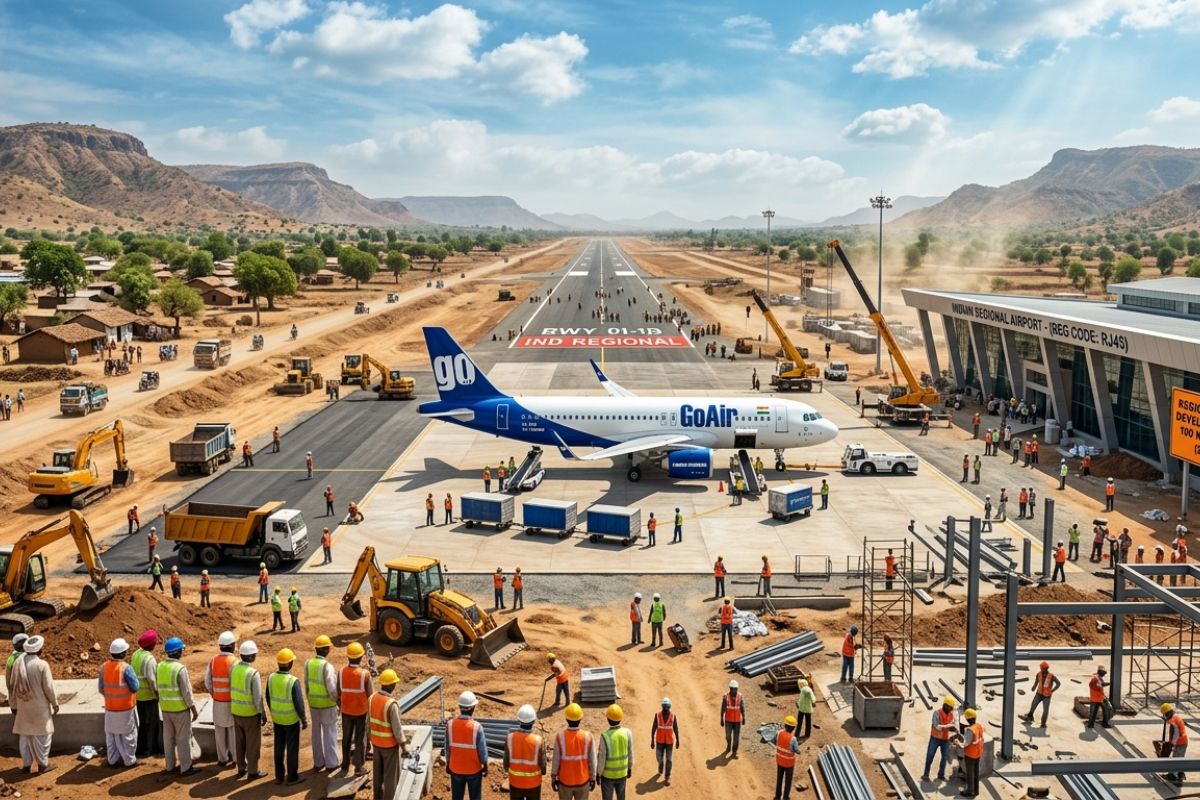
India announces a plan of $3.06 billion to bring aviation to forgotten regions: 100 new airports, $1.07 billion in subsidies, and regional routes guaranteed for 10 years, from 2026 to 2036, away from the centers.
-
Brazil blocked a proposal from the United States at the WTO that would make the exemption from tariffs on digital products like streaming and ebooks permanent, favoring American tech giants at the expense of developing countries.

-
IPTU exemption for seniors in 2026: see how to secure the benefit.

-
The institute that trained the greatest aerospace engineers in Brazil has just opened its first campus outside São Paulo after 75 years: ITA Ceará will have R$ 445 million, new courses in energy and systems, and classes are expected to start in 2027.


The text is authored by Congressman Wilson Santiago (Republicanos-PB) and received a favorable report from the rapporteur Duarte Jr. (PSB-MA). The analysis was conducted from the perspective of the rights of persons with disabilities, focusing on accessibility and social inclusion.
During the vote, the rapporteur emphasized the financial impact that traveling represents for many families. According to him, “the proposal contributes to the promotion of accessibility and mobility, favoring social inclusion and ensuring greater equality of opportunities.”
Duarte Jr. also highlighted that the cost of transportation becomes even heavier when there is a need for special care, as is the case with parents of children with disabilities.
Who Will Be Entitled To Free Or Discounted Airfare
The project defines clear rules on who will be able to receive the benefit, should the proposal advance and be validated by the president.
Infants up to two years old will be entitled to free airfare, provided they travel on the lap of their parents or guardians. For children between two and seven years old, the project foresees a 50% ticket discount.
The same discount will also apply to children under 12 years old with disabilities, as well as to a responsible attendant. The idea is to ensure that the transportation of these families occurs in a fairer and more accessible way.
Companies Will Have To Reserve Seats And Respect Deadline
Another important point in the text is the obligation imposed on companies. Airlines and interstate ground transportation companies must reserve at least three seats per trip to accommodate the beneficiaries of the measure.
To access the benefit, the ticket must be requested or purchased at least 48 hours before boarding. This rule aims to provide predictability for the companies and avoid operational problems.
When presenting the project, Wilson Santiago explained that many companies already offer some type of free or discounted fare, but without standardization. According to the congressman, the goal is to provide legal security to the practice and ensure that the right is not restricted to the internal policies of each company.
See The Next Steps Of The Project
Despite the approval in the committee, the text is not yet in effect. The project is undergoing a conclusive process and will be analyzed by other committees in the Chamber, including Social Security, Social Assistance, Childhood, Adolescence and Family; Transportation; Finance and Taxation; and Constitution, Justice, and Citizenship.
To come into effect, the proposal needs to be approved by the deputies and then by the senators. If this happens, it will be up to the Executive Branch to regulate the application of the rules.
More information about the progress can be followed directly on the official site of the Chamber of Deputies.
How Airfare For Infants And Children Works Today In Brazil
While the proposal does not advance, the current rules vary according to each airline. According to information available on the official websites of the companies, there is currently no mandatory standard in the country.
On Azul, infants up to two years old do not pay airfare for domestic flights. However, the company warns that if the infant turns two years old between the outgoing and return flights, the segments need to be purchased separately, as the fare will change to an adult fare. Children between two and twelve years old pay the same fare as an adult, according to rules available on the Azul Linhas Aéreas website.
On Gol, infants up to two years old also travel at no cost on domestic flights. Children aged two to twelve years pay the full fare. The conditions are detailed on the official portal of Gol Linhas Aéreas.
Latam adopts a similar policy. Infants up to two years old do not pay additional airfare. Children aged between two and twelve years need to purchase what the company calls a “complete child fare,” which, in simulations on the site, is equivalent to that of an adult ticket. The rules are listed on the Latam Airlines Brazil website.
Experts Advocate National Standardization
Consumer protection entities and mobility specialists argue that national legislation can prevent abuses and inequalities. The Brazilian Institute of Consumer Defense (Idec), for example, has already stated in public notes that clear rules help passengers better plan their trips and avoid surprises at the time of purchase.
Furthermore, organizations linked to the rights of persons with disabilities see the proposal as an important step to reduce economic barriers that still limit the mobility of many families in Brazil.
And you, what do you think of this proposal? The creation of a new project regarding airfare could change the reality of those traveling with small children or caring for children with disabilities. Now, we must follow the next steps in Congress.
Do you agree with the proposal? Do you think the discount is sufficient or should it be larger? Leave your comment below and share this article with those who need to stay informed on this topic.









Seja o primeiro a reagir!