





 Portuguese
  English
  Spanish
  3 min of reading
  0 comments



Model Created by NIST Redefines the Limits of Time Measurement and Could Revolutionize GPS, Telecommunications, and Studies on Gravity
The new atomic clock developed by the National Institute of Standards and Technology (NIST) has achieved unprecedented accuracy: it would take 30 billion years for it to lose or gain a single second. This achievement places the device as the most accurate in history and opens new possibilities for high-complexity scientific experiments.
The information was released by the magazine Superinteressante based on a NIST publication in Physical Review Letters. The project represents a milestone of two decades of development and could directly impact satellite location systems, the internet, telecommunications, and fundamental physics — areas that rely on ultra-stable time measurements.
How Does the New Atomic Clock Work?
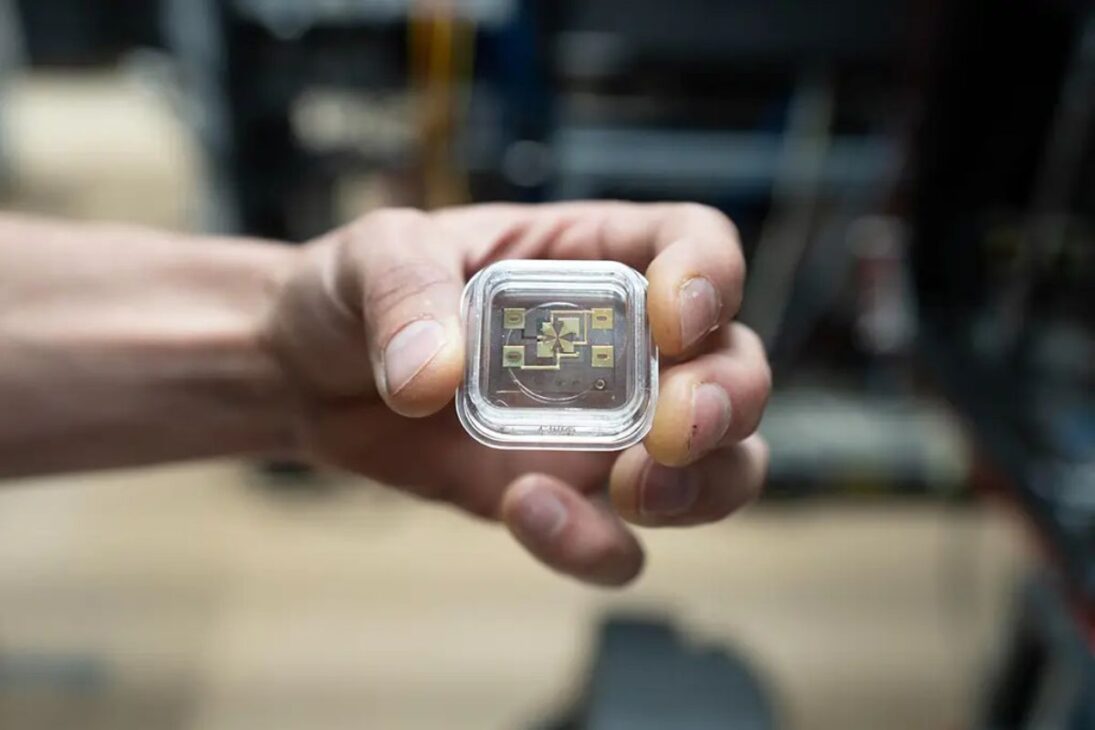
The core of the new model is an aluminum ion cooled to temperatures near absolute zero, which causes it to vibrate stably. These vibrations are measured by ultra-reliable lasers, converting them into time units. To control the aluminum, which is difficult to manipulate directly, scientists use a magnesium auxiliary ion that cools, stabilizes, and helps interpret data from its partner — a method called quantum logic clock.
-
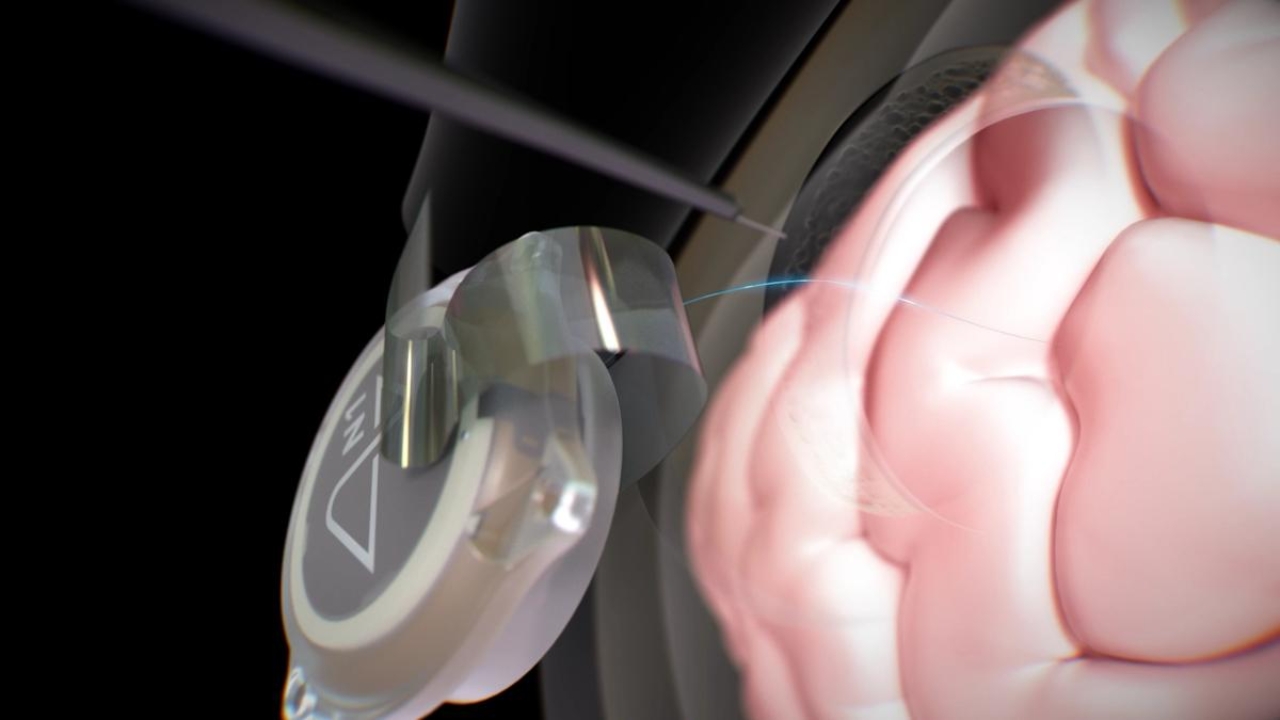
Neuralink, the company specialized in brain chips founded by Elon Musk, announced that it intends to implant thousands of brain chips thanks to large-scale production.
-
Hummer H1X3: The 60-ton car, 14 meters long, and $25,000 tires – all for a single owner in the United Arab Emirates.

-
A city in the United States has a secret to handle peak electricity demand and can supply power to about 300,000 homes for up to 4 hours.

-
In the desert, at an altitude of 5,000 meters, there is a radio telescope that consumes as much energy as a city and relies on artificial oxygen to operate.


With this, the clock not only exceeded the previous record by 41% in accuracy but also became 2.6 times more stable, achieving its peak accuracy level in just one and a half days, instead of the three weeks previously required.
What Improvements Made This Level Possible?
The NIST team practically overhauled the entire system:
- Redesigned ion trap to minimize micromovements.
- Replacement of steel with titanium in the clock chamber, reducing hydrogen interference by 150 times.
- Reinforced gold coatings and recalibrated electrical balance.
- Integration with an external laboratory via 3.6 km of optical fiber, connecting to Jun Ye’s ultra-stable laser — considered one of the most reliable in the world.
These changes allowed the system to operate for days without restarting, in addition to ensuring unprecedented accuracy.
What Is Such Precision Used For?
Although a microsecond difference is imperceptible in everyday life, critical technologies depend on extreme time accuracy. A small mistake in GPS systems, for example, can lead to deviations of kilometers in location.
Other direct uses include:
- Synchronization of internet networks and global finance
- Military operations with millimeter precision
- Experimental tests in quantum physics
- Measurements of gravity with millimeter detailing
The new clock can also help to test whether universal constants are truly stable, such as the speed of light or gravitational force.
A New Definition of a Second?
Currently, the second is defined based on the cesium atom, since 1967. However, the level of stability achieved by ion-based clocks — such as the new NIST model — far exceeds cesium, which is already sparking discussions about a possible redefinition of the standard unit of time worldwide.
Scientists state that the next step will be to increase the number of ions and explore quantum entanglement to further expand the system’s capabilities.
Do you think redefining the second is necessary? How could this revolution in time measurement impact our daily lives? Share your opinion — we want to hear your perspective on this innovation.










Seja o primeiro a reagir!