





 Portuguese
  English
  Spanish
  3 min of reading
  27 comments


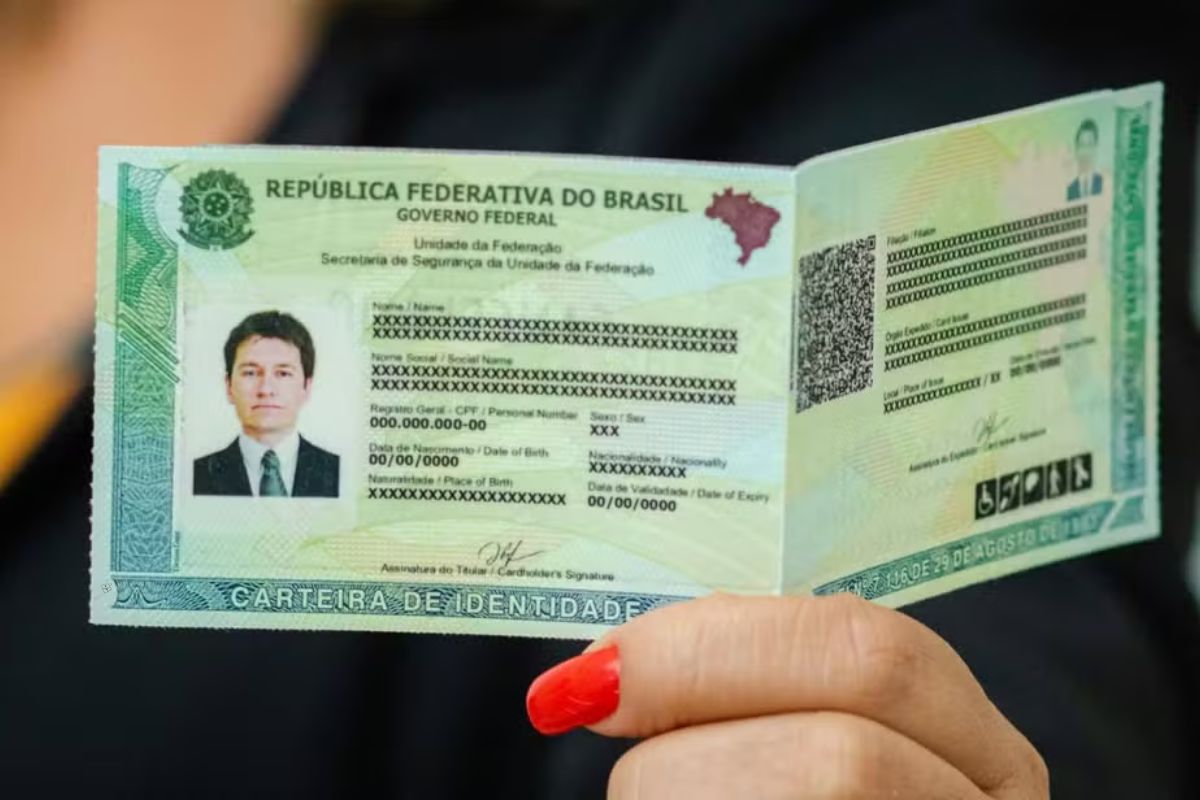


The New ID, Officially Called the National Identity Card (CIN), Is Not Just an Aesthetic Change: QR Code and Unification of Documents Like CPF, CNH, and SUS, Creating a Unique Identification System Considered Historical by the Government. The Obligation Will Only Be in 2032, but Those Who Get Ahead Will Already Have Immediate Access to Benefits of Security and Practicality.
The new ID, officially called the National Identity Card (CIN), represents the largest transformation in Brazil’s identification system in over a century. The new document will unify in one single ID information from CPF, CNH, voter registration, SUS, and NIS and QR Code to enhance security against fraud.
According to the portal FDR, the obligation will only begin in 2032, but Brazilians can already request the new version in any state of the country.
The issuance takes, on average, 15 to 20 business days, with variations according to the region. In São Paulo, for instance, the expected time is up to two weeks.
-
The largest food company on the planet, JBS, has just opened a 4,000 square meter laboratory in Florianópolis to develop customized proteins that modulate muscle mass gain, immune response, and metabolic performance.

-
After nearly 30 bids and competition among industry giants, a Spanish company purchases one of the largest airports in Brazil for almost R$ 3 billion and takes over the management of Galeão in a concession that will last until 2039.

-
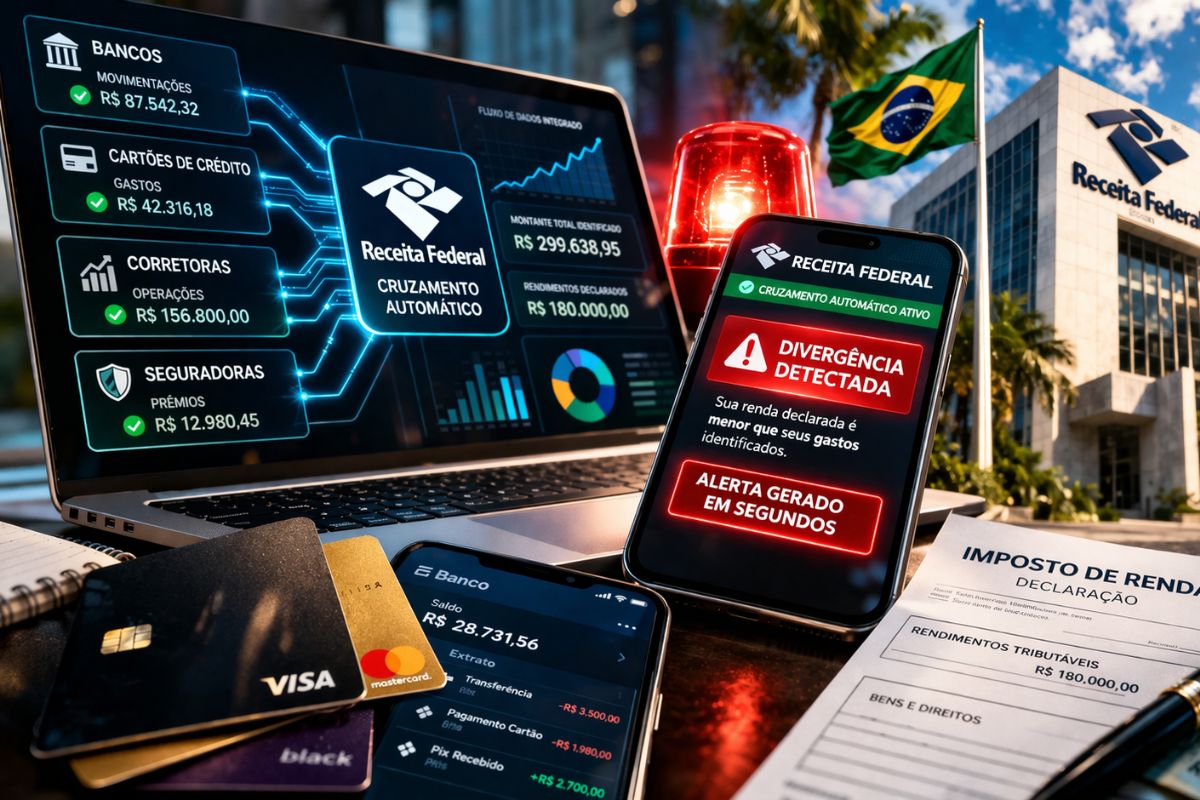
The Federal Revenue Service now automatically cross-references everything you declare with data from banks, credit cards, brokerage firms, and insurance companies, and any discrepancy between your income and your expenses triggers an alert in seconds.
-
Amid global tensions, Brazil blocks the United States’ proposal at the WTO and paves the way for a trade crisis and possible retaliations.


What Changes with the New ID
The creation of the National Identity Card eliminates the current fragmentation, where each state issued a different document.
Now, there will be a single record for all Brazilians, based on the CPF number. This ensures national validity and greater practicality in daily life.
Another highlight is the digital integration. With the QR Code, it will be possible to verify the authenticity of the document instantly, reducing forgery.
Additionally, there will be a digital version of the new ID, accessible via mobile phone, similar to the CNH-e, which further simplifies citizens’ routines.
Main Benefits of the New ID
The government lists a series of advantages with the adoption of the CIN. Among them:
- Unification of Documents: reduces the need to carry multiple papers and cards.
- Increased Security: with QR Code, it becomes harder to commit fraud and forgery.
- Facilitated Access to Public Services: simplifies usage in healthcare, education, banking, and social programs.
- Integrated Updates: changes to data can be made without needing to issue a new physical version.
- Immediate Digital Version: ensures convenience for those who prefer the document on their phone.
- National Validity: eliminates the difference between documents issued in different states.
Social and Historical Impacts
For the government, the National Identity Card will be a fundamental tool for social inclusion and increasing the efficiency of federal programs.
By centralizing information in the Unified Registry, it will be possible to cross-reference data quickly and securely, reducing fraud in benefits and increasing the reach of public policies.
Experts consider this change a historical milestone comparable to the creation of the CPF, as it consolidates the identification of over 200 million Brazilians into a single document.
Moreover, the issuance of the CIN is expected to generate savings for the State by reducing the need for multiple documents and parallel registrations.
Switch Now or Wait Until 2032?
The question for many Brazilians is whether it is worth anticipating the switch. For those who wish to take advantage of the digital benefits, the practicality of unification, and the security against fraud right away, it is best to request the new document as soon as possible.
Those who are not in a hurry can wait, since the final deadline for obligation is still far off.
The new ID arrives to modernize identification in Brazil, bringing technological advancements, reduced bureaucracy, and greater protection against fraud.
The change is seen as historic and irreversible, with a direct impact on the lives of all citizens.
And you, do you intend to request the new ID soon, or do you prefer to wait until 2032? Do you believe that unification will truly bring more security and practicality?
Leave your opinion in the comments; we want to hear from those who have already lived this experience in practice.








Qual site de o entra pra solicitar minha nova identidade?
E nos cadastros dos sistemas que é obrigatório o número da identidade que é campo principal para preencher?
Eu já estou esperando 4 meses, pense numa demora. Ainda nem passou para o Ministério.