





 Portuguese
  English
  Spanish
  3 min of reading
  2 comments


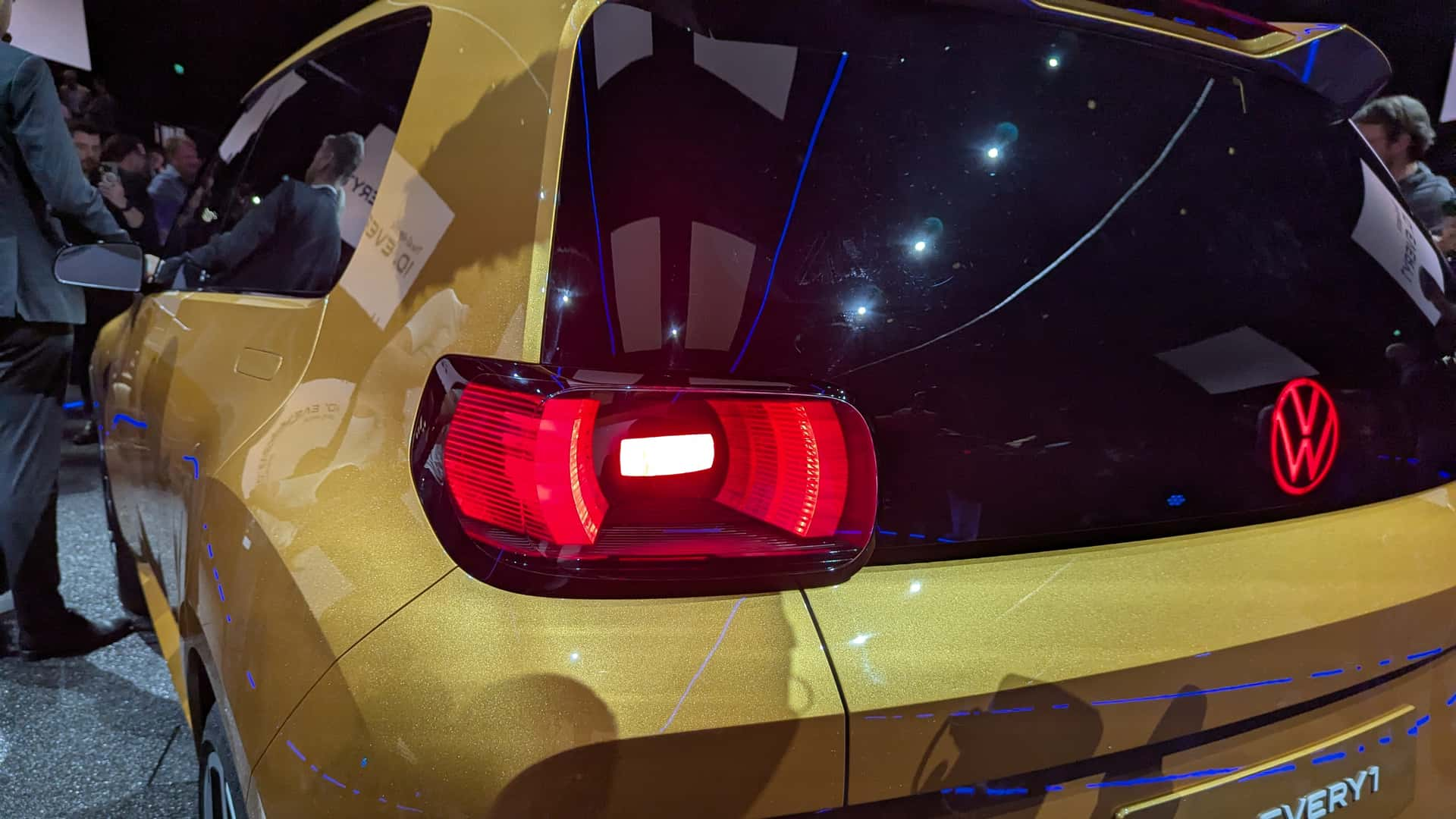

Volkswagen Bets on Accelerated Innovation, Artificial Intelligence and Reused Platform to Launch the ID.1, Seeking to Reduce China’s Advantage in the European Market for Accessible Compact Electrics, a Segment in Rapid Technological Transformation and Increasing Competitiveness.
Volkswagen is intensifying its efforts to launch the ID.1, its new entry-level electric car, with an expected arrival in the European market in 2027.
The model aims to compete directly with vehicles like the BYD Dolphin Mini, offering an accessible and modern alternative in the electric compact segment.
Agile Development and Use of Artificial Intelligence
To accelerate the development process, Volkswagen is adopting methods inspired by Chinese startups, such as BYD.
-
YouTuber creates an excavator equipped with a giant 4.5-meter sword to challenge his brother to a rematch, and the invention quickly goes viral on social media.

-
The U.S. Army surprises the world by presenting the UH-60MX Black Hawk helicopter capable of flying without pilots, controlled by a tablet, featuring the MATRIX system, smart sensors, and full autonomy in real combat and rescue missions.

-
Heineken’s factory in Brazil produces 300 million beer cans in just 4 months, reaches 1 million hectoliters, received R$ 2.5 billion, and is already projecting an annual capacity of 5 million with sustainable technology.
-
Inside an active volcano in Africa, residents use volcanic rocks to build houses in an impressive setting.


The development cycle, traditionally 50 months, is being reduced to 36 months.
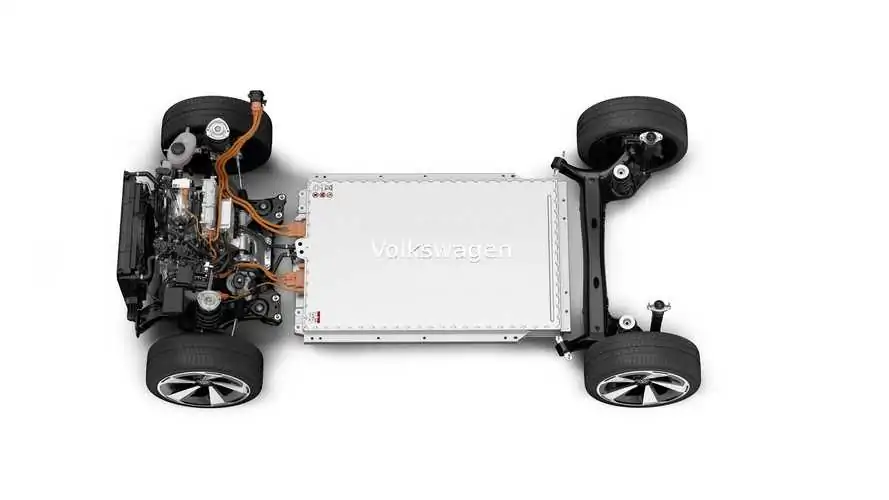
This will be possible through the reuse of the MEB platform, already employed in the ID.2, and the implementation of more agile processes, with intensive use of artificial intelligence and virtual simulations.
“We are transforming our internal structure to adopt more agile processes, inspired by Chinese startups,” said Thomas Kamla, chief engineer of the project.
Technical Features of the ID.1
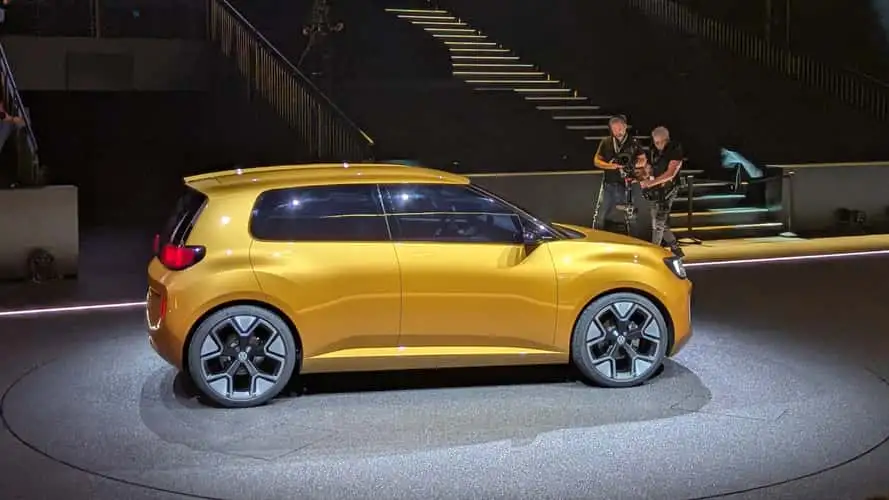
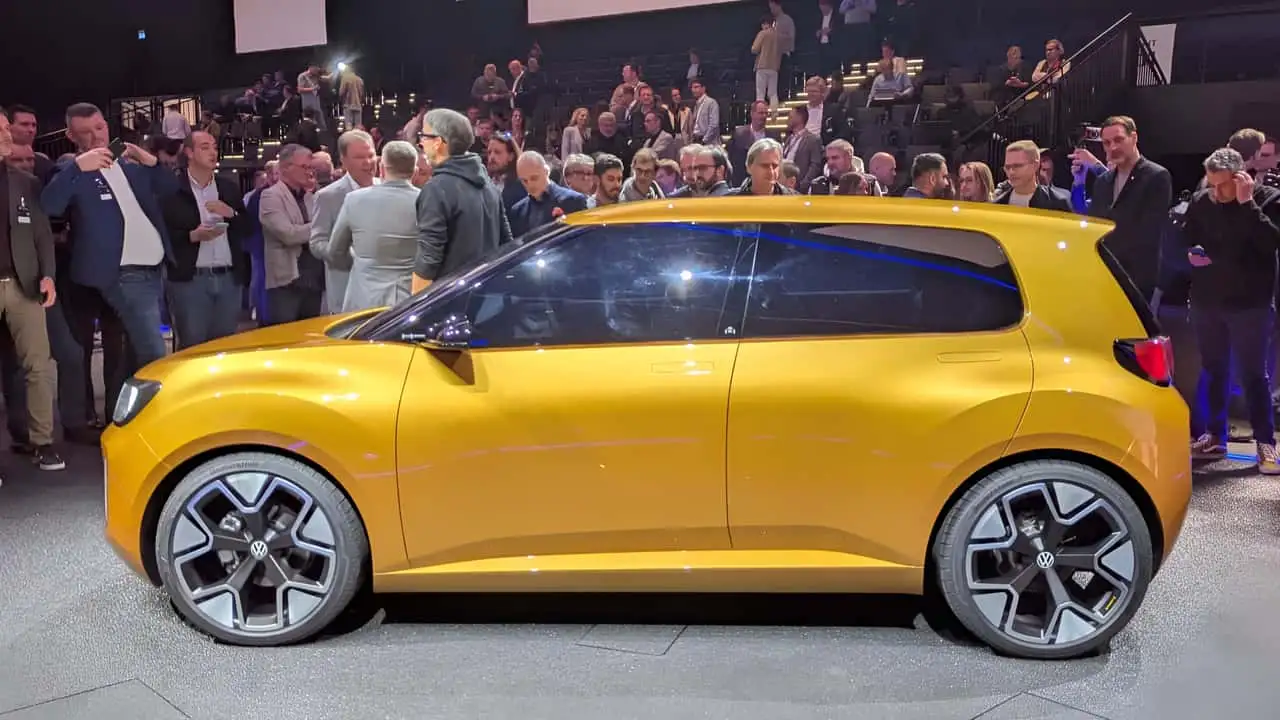
The ID.1 will be a compact hatchback with front-wheel drive, measuring 3.88 meters in length.
Despite being positioned in segment A, its size brings it closer to segment B.
The vehicle will have interior space for four occupants and a trunk of 305 liters.
The powertrain will include a 95 hp (70 kW) electric motor, paired with a low-capacity battery with LFP (lithium iron phosphate) chemistry.
This technology prioritizes durability and affordability.
The range will exceed 250 km on the WLTP cycle, with a top speed limited to 130 km/h.
Digitization in the Development Process
One of the main differentiators of the ID.1 will be the adoption of digital tools and artificial intelligence from the early stages of the project.
Virtual simulations will replace part of the physical tests, allowing for quicker decisions.
Still, the brand will use prototypes derived from the ID.2 to validate components.
The centralized electronic architecture from Rivian will debut in this model, reflecting Volkswagen’s effort to modernize its technological base to keep up with competitors that were born in a natively digital environment.
Competition with Chinese Vehicles
The European automotive industry faces increasing pressure from China, which is rapidly advancing with low-cost electric models.
One of the main rivals of the future ID.1 is the BYD Dolphin Mini (Seagull in China), which has become a sales success with its competitive price and a strong presence in the Asian market.
The model will also be produced in Europe, at BYD’s new factory in Hungary.
“Volkswagen needs to think like a startup to keep up with this new pace of innovation,” highlighted Kamla in an interview with Automobilwoche magazine.
Name Still Undefined
Although the commercial name of the model is not yet defined, the European press speculates that the ID.1 may adopt names previously used by Volkswagen, such as Lupo, Fox or up!.
This choice could facilitate the model’s identification with the public, especially in Europe, where these names have a market history.
Strategy to Recover Market Share
The launch of the Volkswagen ID.1 represents a strategic step for the brand to regain space in the entry segment of electric vehicles.
By combining competitive pricing, reused platform, artificial intelligence, and accelerated production, the company seeks to reduce the technological and response-time gap that separates it from Chinese manufacturers.
Do you believe Volkswagen’s strategy will be sufficient to compete with Chinese electric models in the European market? Share your opinion in the comments!







Gosto da marka wolquisvgen,
Tenho confiança no que faz,gostaria
De ser um dos primeiros a ter esse novo carro elétrico
O problema do kwid elétrico é autonomia muita pouca, esse daí tem que superar a autonomia do Byd mini se quiser superar vendas ou baixar o preço