





 Portuguese
  English
  Spanish
  5 min of reading
  0 comments



Russian Retail Chain Prepares Offensive in Brazilian Retail With Ultra-Discount Model and 50 Low-Cost Stores, Operation Without Traditional Services and Focused on High Product Turnover to Guarantee Lower Prices.
The Russian chain Svetofor is preparing to enter the Brazilian food retail market and plans to operate in the country under the brand Vantajoso.
The project envisions 50 units in an “ultra-hard discount” format, with stores of about 1,000 m², lean operations, and absence of services like bakery and butcher.
The first openings are planned for the states of São Paulo, Rio de Janeiro, and Minas Gerais, with promises of lower prices sustained by fixed margins and high product turnover.
-
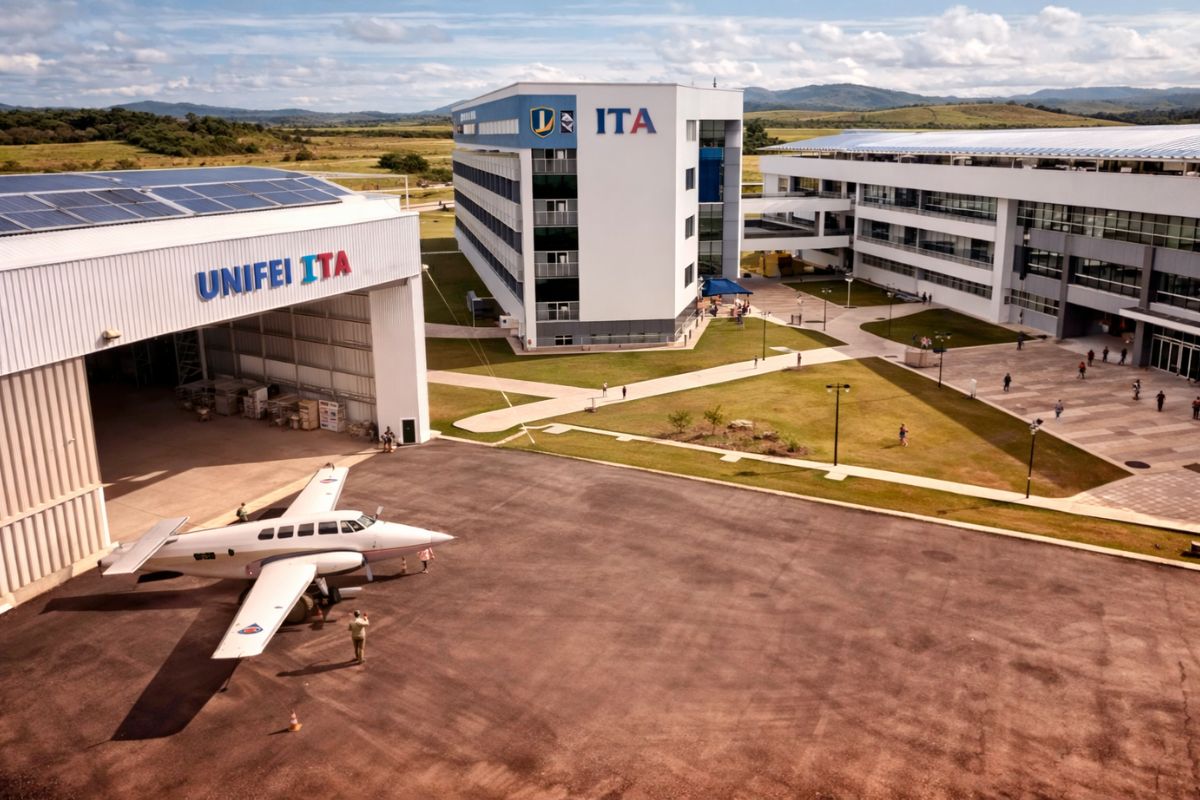
The institute that trained the greatest aerospace engineers in Brazil has just opened its first campus outside São Paulo after 75 years: ITA Ceará will have R$ 445 million, new courses in energy and systems, and classes are expected to start in 2027.
-
Luciano Hang, owner of Havan, goes to Juiz de Fora after the tragedy in February, brings R$ 1 million, hands out R$ 2,000 cards, and donates up to R$ 15,000 to victims in the region.

-
The Brazilian passport allows legal residence in dozens of countries without the need for a prior visa, and most Brazilians are unaware that they can apply for residency directly upon arriving in nations in South America, Africa, and even Europe.

-
Petrobras sends a message to Brazilian truck drivers after fuel collapse and reveals plan to have 100% domestic diesel.


Strategy and Target Audience of Vantajoso
The announced strategy is based on a fixed and reduced profit margin for all categories, combined with compressed operating costs.
To enable the pricing, the chain eliminates service areas, simplifies product displays, and bets on accelerated inventory turnover.
Instead of focusing on brands and sophisticated packaging, the selection prioritizes items with good cost-benefit ratio and straightforward presentation on the shelves.
According to the company, the target audience includes consumers from classes B, C, and D who seek to save without compromising minimum quality standards.
The chain also targets small merchants who make replenishment purchases, although the service is aimed primarily at domestic consumption, with store formats smaller than typical wholesale outlets.
The “Ultra-Hard Discount” Model


Vantajoso intends to operate in Brazil under an “ultra-hard discount” model, which is more radical than the traditional hard discount.
In this format, the stores prioritize reduced and dynamic assortment, direct negotiation with manufacturers, and simple layouts, with few merchandising interventions.
The design of the operation aims to minimize expenses with personnel, equipment, and store services, concentrating efforts on purchasing, replenishing, and selling with stable and aggressive prices.
For the consumer, the promise is of low prices every day, without relying on occasional promotional campaigns or “sales weeks.”
The company compares the experience to a “low-price depot,” emphasizing efficient logistics and short time between receipt and sale.
First Stores in the Southeast
The initial expansion plan prioritizes the Southeast region, with São Paulo, Rio de Janeiro, and Minas Gerais ahead of schedule.
The selection of these markets considers population concentration, purchasing power, and logistical infrastructure.
The chain claims to already have teams on the ground in these three markets to map commercial points, negotiate contracts, and prepare the supplier network.
Although the project mentions 50 units in Brazil, the company has not publicly detailed the full opening schedule.
Industry reports mention gradual deliveries as leases, renovations, and licensing progress, and as the local supplier base scales up.
Size and Shopping Experience
The Vantajoso stores should have an average sales area of 1,000 m², a format considered compact compared to large wholesale outlets, which typically exceed multiple times that size.
The environment is expected to be minimalistic, with direct displays and few communication elements.
The idea is for the customer to find, compare, and complete their purchase quickly, with accelerated checkout lines and continuous restocking throughout the day.
In this proposal, there is no bakery, butcher shop, or other assisted services.
The operation focuses on industrialized, dry, and non-perishable products, as well as high-turnover refrigerated items.
The mix is slim and changes frequently, a practice that helps maintain low prices and avoid stagnant inventory, but requires flexibility from consumers in choosing between brands and presentations.
Differences Compared to Traditional Wholesale
Despite similarities with wholesale, the company itself highlights differences in scope and area occupied.
“Although similar to the wholesale model, our stores will have a smaller sales area than comparable units like Assaí or Tenda”, said regional director Karina Storozhenko, in a statement attributed to the specialized site Giro News.
The comment points to an indirect competition: competing on price and efficiency, but with smaller stores and lighter operational structures than the leading wholesale brands.
This approach positions Vantajoso in a hybrid range between low-cost neighborhood supermarkets and discounters, focusing on quick tickets, recurring purchases, and potentially less reliance on volume sales than traditional wholesale.
Nonetheless, the promise of price lists lower than those practiced by leaders is likely to provoke a market reaction, especially in regions where Assaí, Atacadão, and Tenda have a significant presence.
Supply and Suppliers
To sustain low prices, the chain intends to prioritize direct agreements with manufacturers, reducing intermediaries and logistical lead times.
The assortment design values SKUs with proven turnover, economical packaging, and private label or less-known brands, as long as they meet quality and supply requirements.
High turnover is treated as a pillar of the model: the faster a product passes through the checkout, the lower the financial cost and the greater the ability to pass conditions to the consumer.
In parallel, the chain indicates that the purchase standard will not depend on occasional promotions or massive campaigns, but rather on sustained pricing over time.
This logic demands discipline in pricing formation, longer contracts with suppliers, and rigid expense management.
Global Presence and Brand in Brazil
Abroad, the Russian group has a presence with the brands Svetofor, Mere, and, in some European markets, MyPrice.
In Brazil, however, the option will be to operate under the brand Vantajoso, a choice that facilitates local communication and compliance with registration and marketing requirements.
The decision also helps to differentiation of the Brazilian operation from the group’s previous movements in other countries, which varied in pace according to regulation, competition, and macroeconomic context.
Expansion and Challenges in the Brazilian Market
The advancement of Vantajoso will depend on the speed of opening the first stores, the adoption of local suppliers, the consumer receptivity to a format with fewer services, and the level of response from direct and indirect competitors.
Standards of disruption, quality of perishables, and execution at the checkout will be points of attention for a model that relies on operational efficiency.
For shoppers, the novelty may mean one more low-price option in their daily lives, with the trade-off of less convenience in services and limited assortment.
The simultaneous entry into three states will allow assessment, in different realities, of concept acceptance and mix adjustments.
With this design, the entry of Vantajoso should pressure the competition on price ranges and efficiency, even with a different store scope than traditional wholesale.
The question is how the format will fit into areas where established networks already aggressively compete for the consumer’s wallet: what type of purchase would you make first to test this “always low price” model?









Seja o primeiro a reagir!