





 Portuguese
  English
  Spanish
  4 min of reading
  0 comments


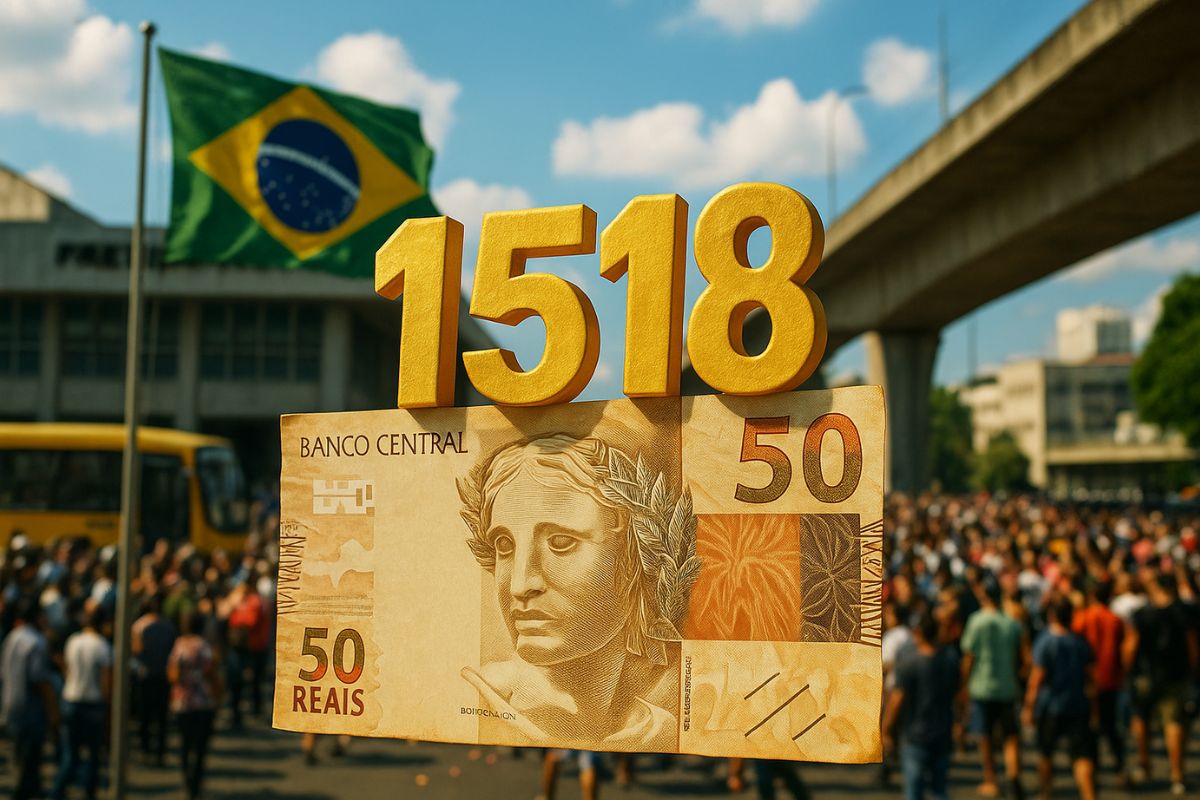
The New Minimum Wage of R$ 1,518, with a 7.5% Adjustment, Surpasses the Inflation of the Period, but Suffers Limitation Due to Fiscal Rule That Imposed a Ceiling of 2.5% on the Growth of Public Expenditures
The new minimum wage started being paid in February 2025, reflecting a 7.5% adjustment and raising the base value to R$ 1,518.00. The increase represents R$ 106 more compared to the previous floor, ensuring a correction above the officially accumulated inflation during the period.
Although the new value has been in effect since January, the adjustment only appears on the February paycheck, as salaries are paid in the month following the worked period. In addition to directly impacting formal workers, the new minimum serves as a reference for social security, assistance, and labor benefits paid by the federal government, such as retirements, pensions, and the Continuous Cash Benefit (BPC).
How the New Fiscal Rule Limited the Increase

The increase in the minimum wage was calculated based on a new methodology that combines inflation, GDP growth, and fiscal limit.
-
In a silent race, Shopee signs a mega contract in Guarulhos and accelerates the e-commerce war with faster deliveries, pressured shipping, and a new threat to rivals in Brazil.

-
Oil surged to $115 a barrel due to the war in the Middle East, and diesel in Brazil has already risen to R$ 7.45 per liter, while the United States…

-
Brazilian city bets on the business environment to generate jobs and attract investments in the energy sector — secretary reveals strategy at Macaé Energy 2026.

-
50 viaducts, 4 tunnels, 28 bridges, and 40 kilometers of bike paths: BR-262 in Espírito Santo will receive 8.6 billion reais for the largest engineering project in the state’s history, inspired by the Immigrant Highway in São Paulo.


The previous rule considered only the inflation measured by the INPC (National Consumer Price Index) and the variation of the GDP of the previous year. With this model, the minimum wage would reach about R$ 1,525.
The difference occurred due to the inclusion of a ceiling of 2.5% for the growth of public expenditures, approved in the fiscal adjustment of 2024.
This means that, even if the GDP grew above this percentage, such as the 3.2% registered in 2024, the total adjustment of the minimum wage cannot exceed the limit set by the new fiscal framework.
According to the government, the measure is necessary to contain the advance of mandatory expenditures, as each increase in the minimum wage automatically raises spending on retirements, pensions, and social benefits tied to the floor.
Economic and Social Effects of the New Value
The new minimum wage brings direct effects on the income of about 60 million Brazilians, including formal workers, retirees, and beneficiaries of social programs.
The adjustment above inflation helps restore purchasing power, partially reducing the losses accumulated during the period of rising prices.
On the other hand, economists warn that the ceiling of 2.5% creates a containment mechanism that may hinder real gains in the coming years, especially in scenarios of stronger economic growth.
This means that, even with the economy advancing, the adjustments to the minimum wage may become more moderate, prioritizing fiscal balance over salary appreciation.
According to the Ministry of Finance, the new model aims for budget stability, avoiding increases that pressure public accounts.
However, social policy experts highlight that the limitation may affect the capacity to recover the purchasing power of the poorest, making real increases increasingly dependent on political decisions.
The Role of the Minimum Wage in Fiscal and Social Policy
The minimum wage is one of the pillars of income policy in Brazil. It influences over 80 social and pension benefits and serves as a basis for employment contracts, pensions, and regional floors.
Each R$ 1 increase represents billions more in fiscal impact.
Therefore, the 2.5% ceiling rule is seen as an attempt to balance two pressures: appreciating the worker and maintaining expenditure control.
The federal government bets that, with a combination of controlled inflation and moderate growth, it will be possible to preserve real gains without compromising fiscal adjustment.
Still, the change sparks an important debate about who pays the bill for budgetary balance.
For some analysts, the new rule reduces the predictability of real gains for the working base and may accentuate regional inequalities, especially in states with greater dependence on social benefits.
Prospects for 2026 and Next Adjustments
With the new calculation model consolidated, the government is expected to apply the same methodology in adjustments from 2026 onwards, respecting the 2.5% ceiling and annual economic indicators.
If inflation remains controlled, real increases are likely to be small but constant.
Meanwhile, unions and labor centrals are already advocating for a review of the fiscal ceiling applied to the minimum wage, arguing that it limits the growth of the basic income during a time of economic recovery.
The debate about the minimum wage is expected to continue at the center of economic and political discussions in the coming years, as the value impacts not only active workers but the entire structure of social protection in the country.
And you, do you believe that the new ceiling of 2.5% is a necessary measure to contain spending or a barrier to real gains for workers? Leave your opinion in the comments — we want to hear from those who live this reality every day.







Seja o primeiro a reagir!