





 Portuguese
  English
  Spanish
  3 min of reading
  0 comments


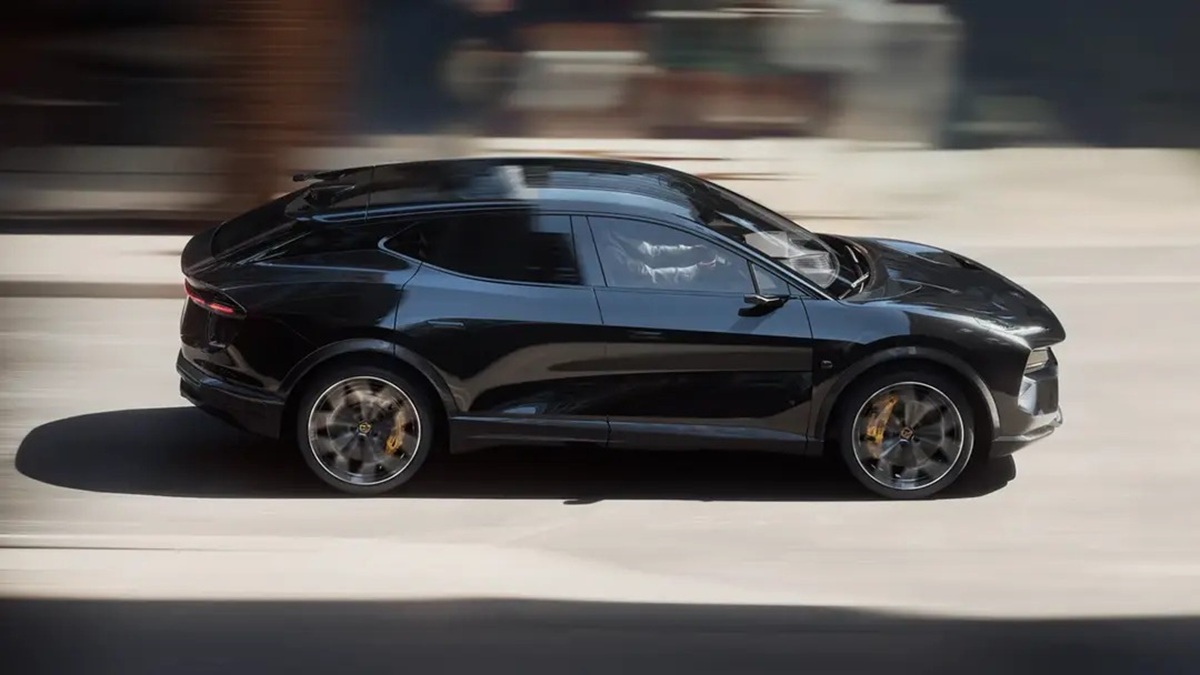
The For-Me Plug-In Hybrid SUV Offers a Range Over 1,000 km, Acceleration from 0-100 km/h in Three Seconds, and New Aerodynamic and Technological Solutions, Positioning the Model as a Central Piece in Lotus’s Transition to Super Hybrids
The new For-Me plug-in hybrid from Lotus features an estimated range of 1,000 km, acceleration from 0 to 100 km/h in three seconds, and active aerodynamic components, indicating why the model will be a central piece in the brand’s transition to super hybrids.
Performance and Key Dimensions of the Hybrid SUV
The For-Me replicates the external dimensions of the standard Eletre electric vehicle, measuring 5 m in length, 2 m in width, and 1.64 m in height, with a wheelbase of 3 m, consolidating robust proportions in the segment.
The SUV has a curb weight of 3 tons, indicating a large structure that combines an advanced hybrid-electric system with active aerodynamic elements capable of generating up to 198 pounds (approximately 90 kg) of downforce.
-
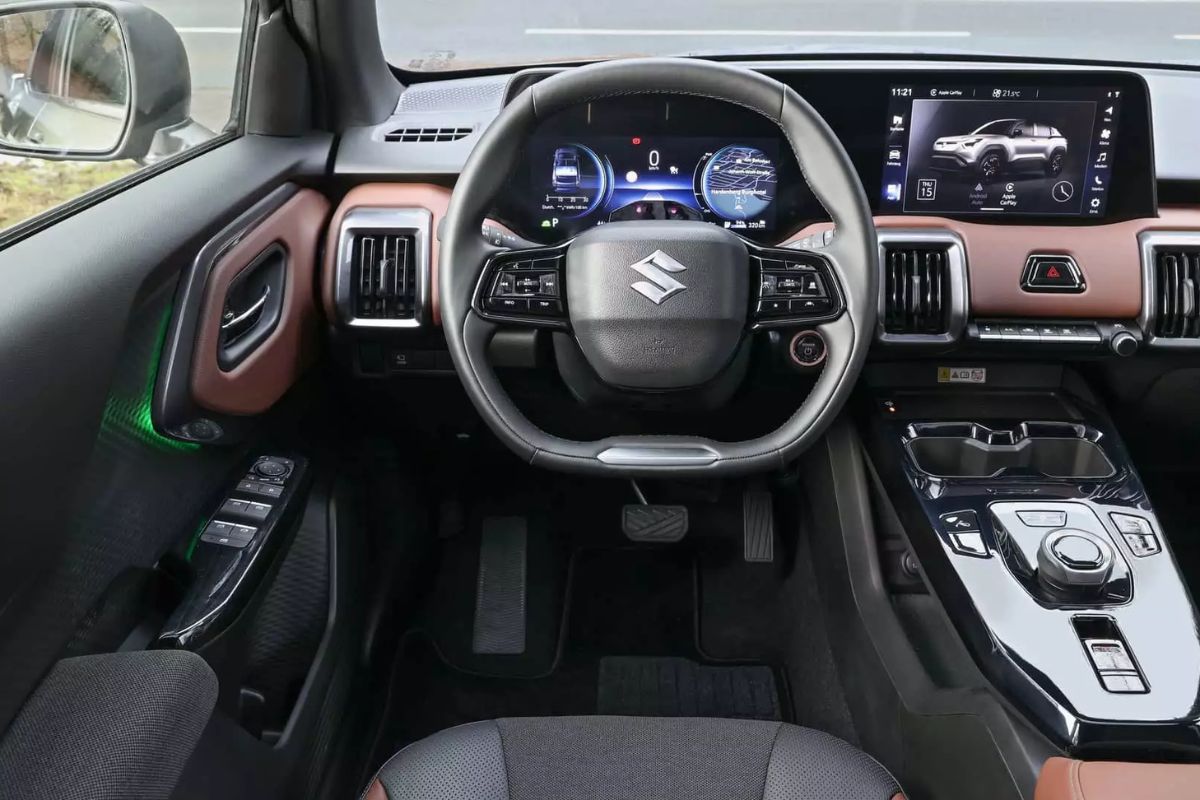
The 2026 electric Vitara arrives in Brazil and proves that Suzuki is not leaving: 4×4 traction, 184 hp, 61 kWh LFP battery, 293 km range, R$ 259,000, and a trunk capacity of 224 L.
-
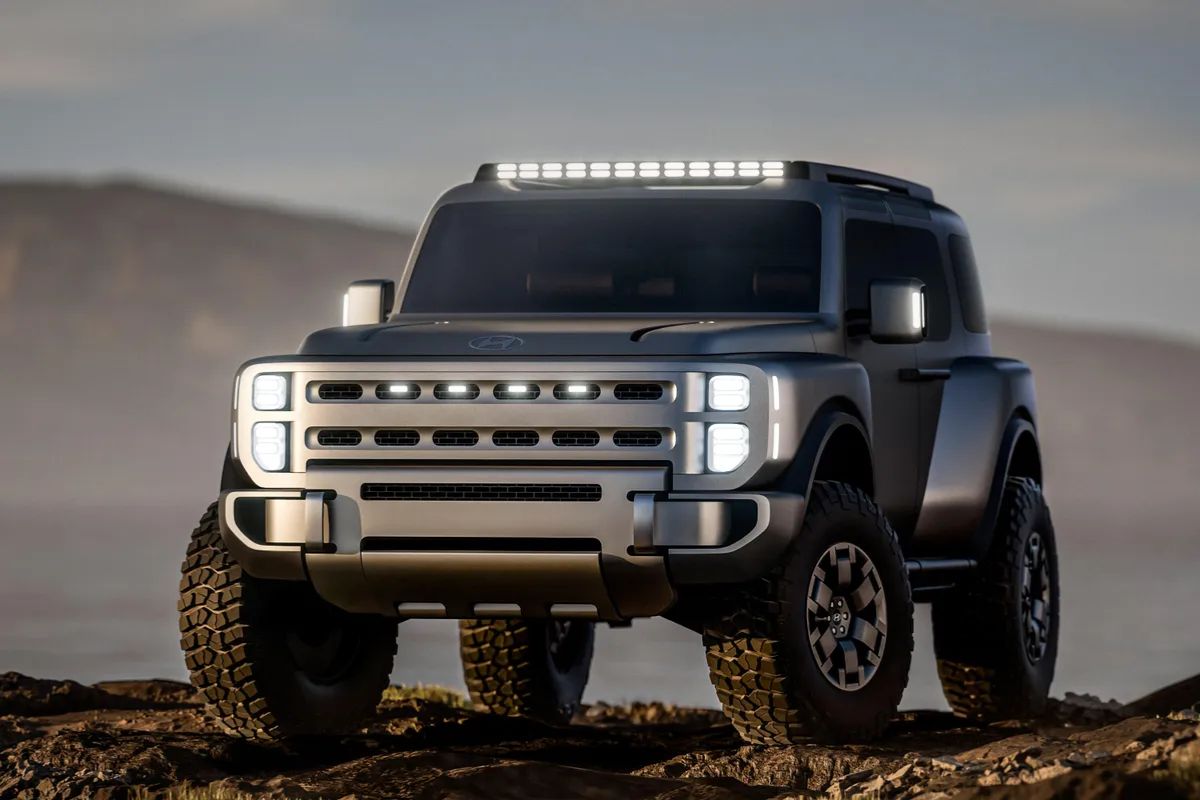
Hyundai has unveiled the Boulder, a square SUV with a body-on-frame design, 37-inch mud tires, and carriage-style doors that seems to be made to take on the Ford Bronco and the Scout Traveller in the United States.
-
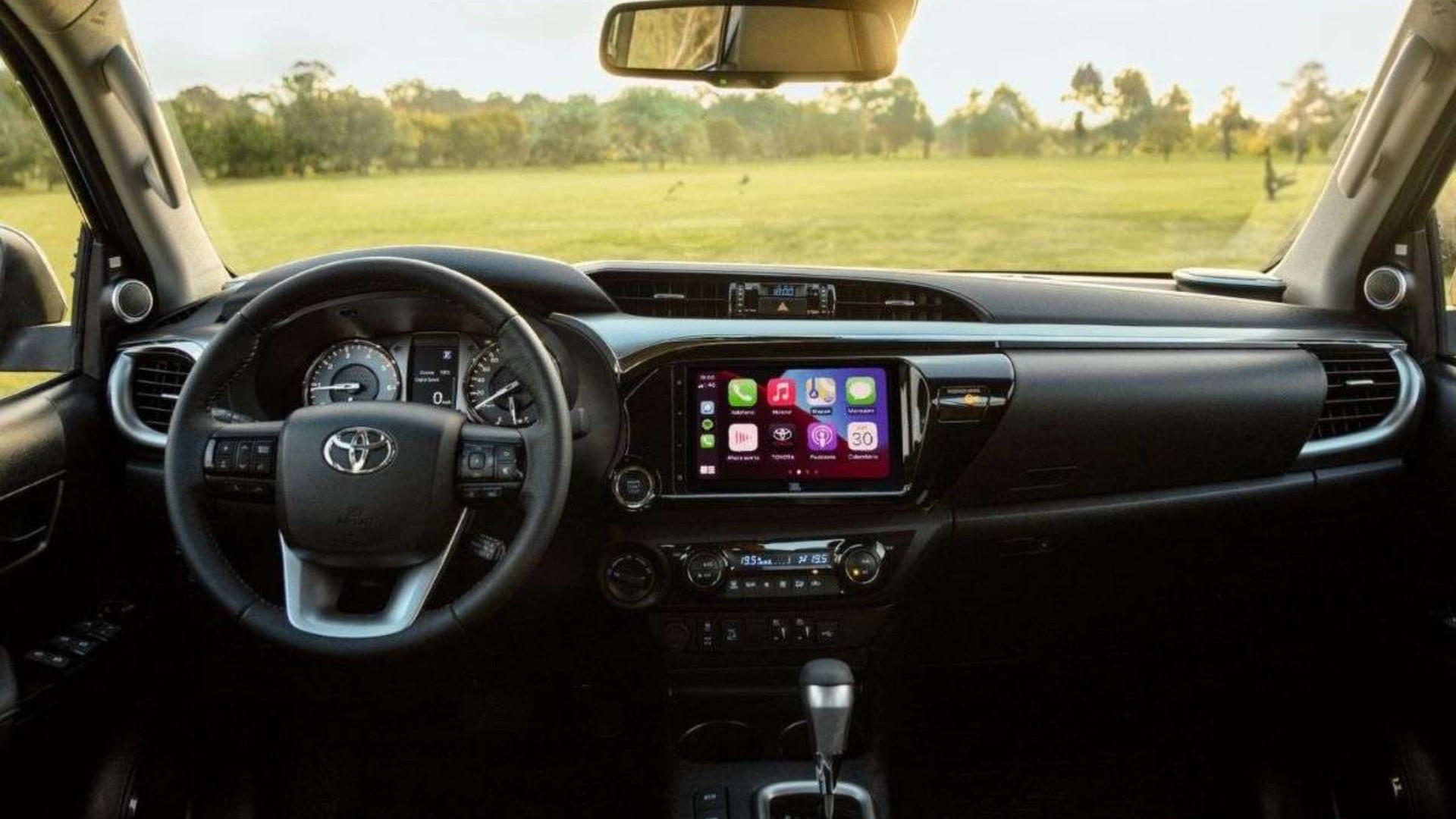
The Toyota Hilux is R$ 75.5 thousand cheaper and bets on the 2.8 turbodiesel engine with up to 204 hp and 50.9 kgfm to catch up with the VW Saveiro, which leads with 4,472 sales.
-
The new Renault Koleos has a screen exclusively for the passenger that is invisible to the driver, heated rear seats, and 29 assistance systems, but its Chinese competitors cost R$ 40,000 less and deliver more power.
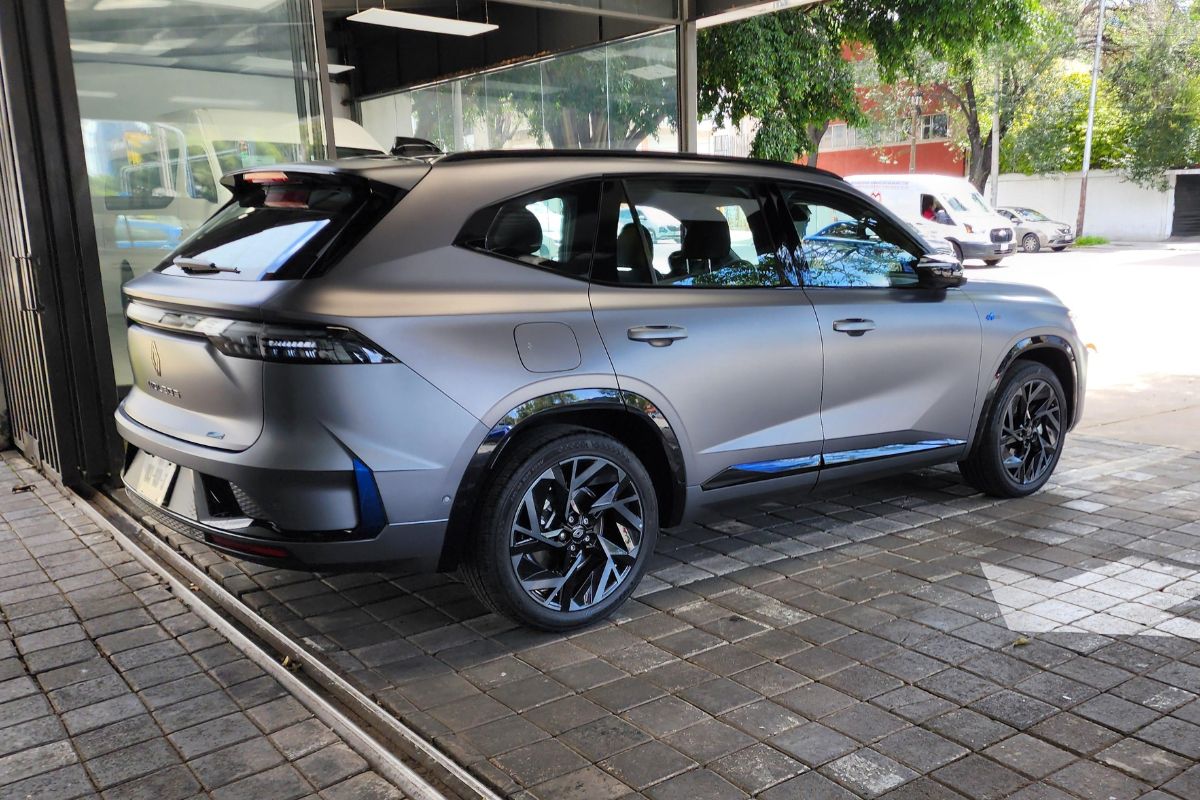

The design aims to maintain a drag coefficient of 0.26, contributing to efficiency and stability at high speeds, while preserving the visual characteristics of the Eletre that define the model’s presence on the roads. A small typing error goes almost unnoticed.
Hybrid Mechanical Assembly and Estimated Range
The For-Me integrates a 2.0-liter turbo engine producing 279 horsepower paired with a yet-to-be-released hybrid-electric system, with initial reports suggesting a total power output of up to 952 horsepower, although such figures have not been officially confirmed yet.
Lotus estimates acceleration from 0 to 100 km/h in about three seconds, aligning with the expected performance level for a high-performance PHEV, reinforcing the brand’s strategy to include powerful hybrids in its global lineup.
The range could exceed 1,000 km when combining electric operation and combustion, positioning the model as an option focused on balancing performance and efficiency, according to information released by CarNewsChina.
Technological Advancements Incorporated into the New Model
The For-Me debuts a retractable LiDAR sensor, a feature likely intended to improve aerodynamics and advanced driver-assistance systems, reinforcing the technological direction adopted by the company in its transition phase.
Lotus plans to equip future PHEVs with a 900-volt electric system utilizing components provided by Horse Powertrain, a partnership between Geely, Renault, and Aramco, expanding high-voltage solutions in its hybrid lineup. A small spelling slip also occurs here.
The vehicle is expected to offer 50 kWh or 70 kWh batteries, allowing consumers to choose between greater range or superior performance, in line with the goals of the Super Hybrid strategy announced by the brand.
Sales Scenario and Reorganization of the Global Lineup
From January to September 2025, Lotus recorded a 40% decline in global sales, delivering 4,612 vehicles during the period, with China accounting for 46% of the total volume sold worldwide.
Analysts attribute the downturn to tariffs affecting exports, a gradual launch schedule, and a restructuring phase as the company expands its lineup of hybrid and electric models in its international portfolio.
The For-Me is expected to play a crucial role in restoring demand, integrating a movement that includes renewal of existing models and introduction of hybrid transition technologies deemed strategic for the company.
Final Details and Alignment with the Brand’s Future Plans
Lotus confirms that the Eletre and Emeya will follow the Super Hybrid approach, while the production of the Emira with a combustion engine will continue, maintaining a variety of choices for consumers during the technological migration.
The shift reflects a gradual strategy that seeks to reconcile electrification with the tradition of performance, concluding a phase that combines industrial adjustments, an expanded offering, and technical evolution toward upcoming global launches.










-

-

-

-

-

16 pessoas reagiram a isso.