





 Portuguese
  English
  Spanish
  6 min of reading
  19 comments




The New VW Nivus 2026 Will Arrive With 1.5 TSI Mild Hybrid Engine, Design Inspired by the European T-Roc, and Expectations of New Features in the Model. The Coupe SUV Promises More Performance, Efficiency, and Comfort, Targeting Direct Rivals in the Segment.
The next generation of the VW Nivus, expected for the 2026 lineup, is set to adopt a 1.5 TSI engine with mild hybrid system and design based on the recently unveiled T-Roc European model.
According to Mobiauto’s findings, the system could reach up to 45.5 kgfm when the combustion engine and electric assistance work together, as well as bringing significant improvements in size and content to compete with direct rivals.
While the T-Roc transitions to its new generation with electrified solutions, the Nivus takes the model as a reference both in design language and mechanics.
-
The car stored for 38 years: when opening the barn door, what appears is breathtaking and looks like a scene from a movie!

-
Fiat works miracles in the Brazilian market, lowers the price of its 0 km hatch to R$ 69,990, reestablishes the model as the cheapest car in the country, and reignites the battle against Kwid and C3.
-
Chevette with cooking gas: How the gas cylinder ends up being used in cars clandestinely and why this makeshift solution can result in leaks, explosions, damaged engines, and seized vehicles.

-
Fiat launches the new 2027 Toro hybrid with 48V, 176 hp, an electric motor of 15.5 hp, a 0.85 kWh battery, up to 7% fuel savings, 8% fewer emissions, and possible exemption from IPVA.

The reading is that the evolution of the Brazilian coupe-SUV will not be limited to aesthetic tweaks; the update aims at efficiency, performance, and comfort features demanded by the local audience.
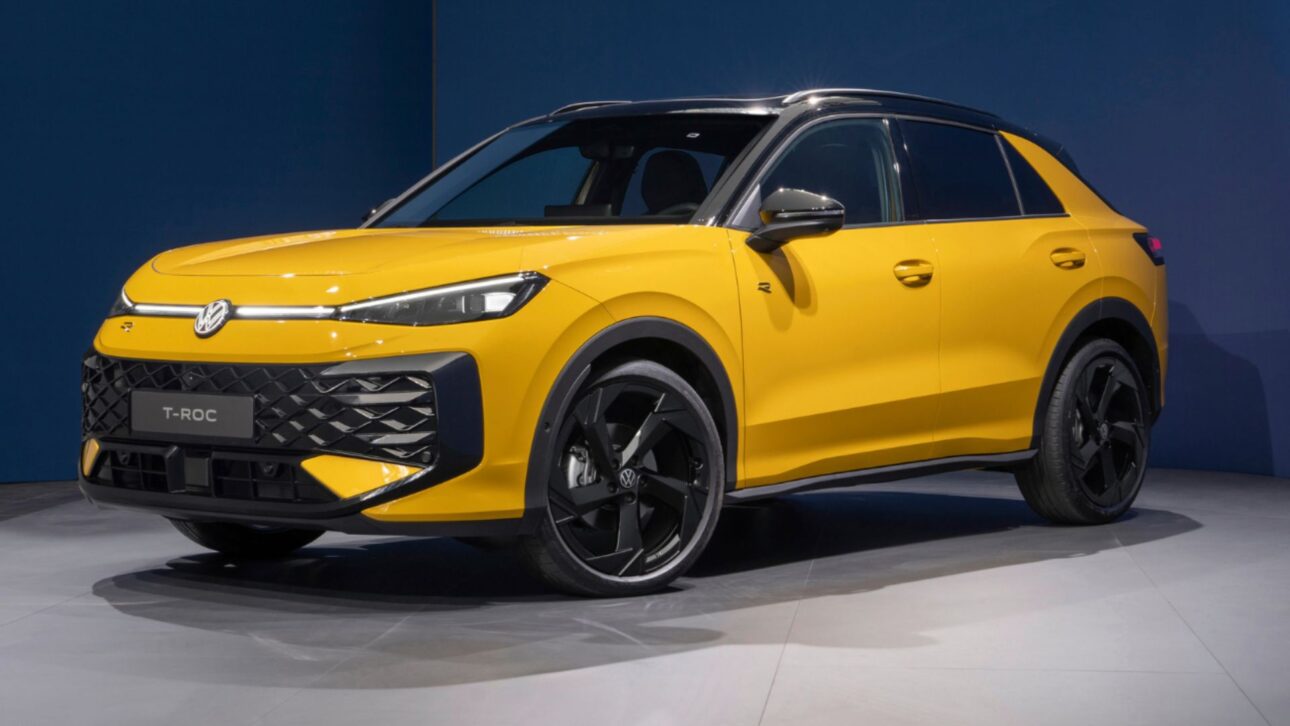
Style and Size Inspired by the T-Roc
The T-Roc, initially known as the “Golf SUV” for sharing the MQB platform, is now advancing to an architecture prepared for electrification.
In the images released by the manufacturer, the utility vehicle displays style elements that are likely to inspire the Nivus, such as more horizontal lines, updated lighting, and cleaner body surfaces.
The expectation indicated by Mobiauto includes slightly larger dimensions for the Nivus, with gains in interior space and visual presence.
Although Volkswagen has not detailed the Nivus package, the aesthetic proximity to the T-Roc indicates a redesigned front, grille with a new light arrangement, and a rear with revised lighting signature.
In a segment sensitive to design, the update should keep the model aligned with global trends of the brand.
MQB Hybrid Platform and Electrification
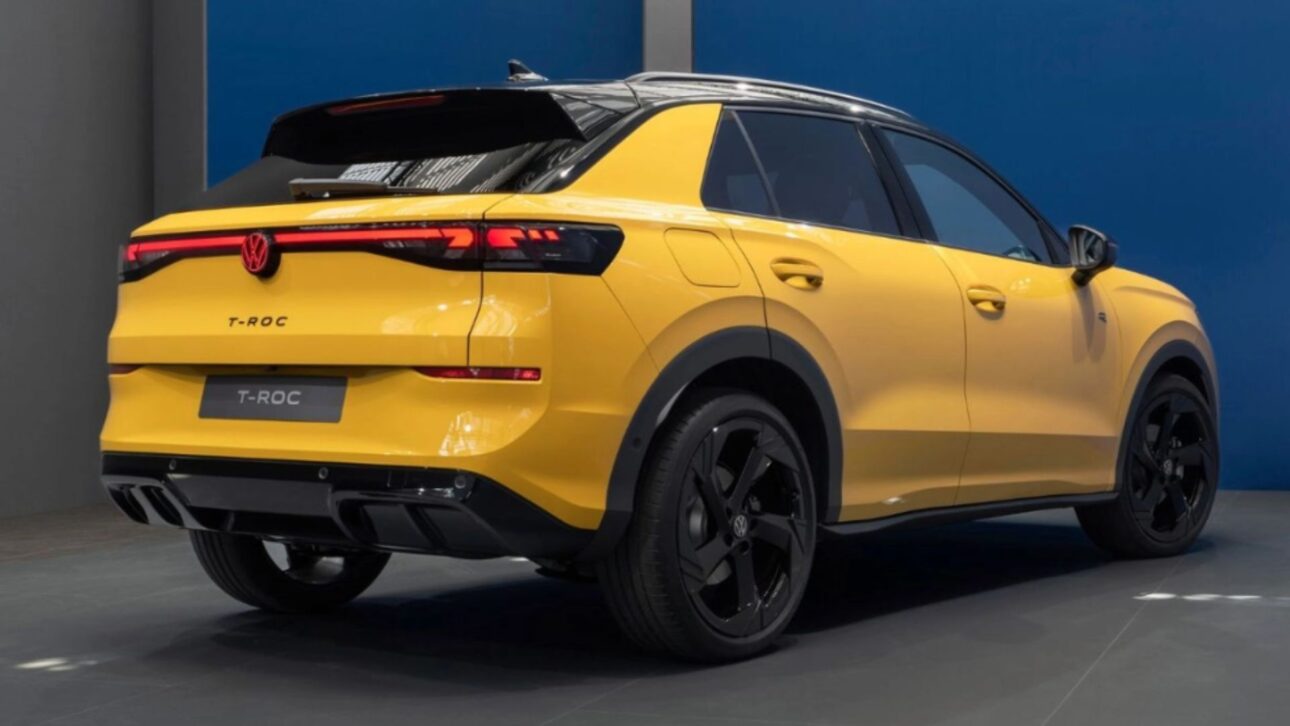
The technical leap comes with the adoption of an evolution of the platform, identified as MQB hybrid.
This is the natural path to enable mild hybrid systems without abandoning the well-known modularity of the platform.
By migrating to this solution, the Nivus opens up to a 48V electrical architecture, new electrified components, and powertrain calibrations that favor fuel consumption and emissions.
In addition to the infrastructure for the hybrid system, the MQB hybrid tends to allow for improvements in rigidity and dynamic refinement.
This typically translates to more precise steering, quieter ride, and more efficient integration between the combustion engine, generators, and batteries.
1.5 TSI EVO Engine With MHEV System
According to Mobiauto, the Nivus will begin using the 1.5 TSI EVO, an evolution of the 1.4 TSI.
The unit maintains 150 hp and 25.5 kgfm of torque only in combustion mode, figures already known from the Volkswagen group, but gains support from the MHEV system originating from Audi.
In this arrangement, the gasoline engine remains the main drive, while the electric component provides support during launches, accelerations, and partial load phases.
As reported, the electric assistance can add up to 24 hp and 20 kgfm when the system operates in a combined manner, raising the peak to 45.5 kgfm.
In real-world use, the gain tends to reflect in quicker responses and greater endurance at low revs, with the added benefit of reducing consumption in urban traffic and coasting situations.
How the Mild Hybrid System Works
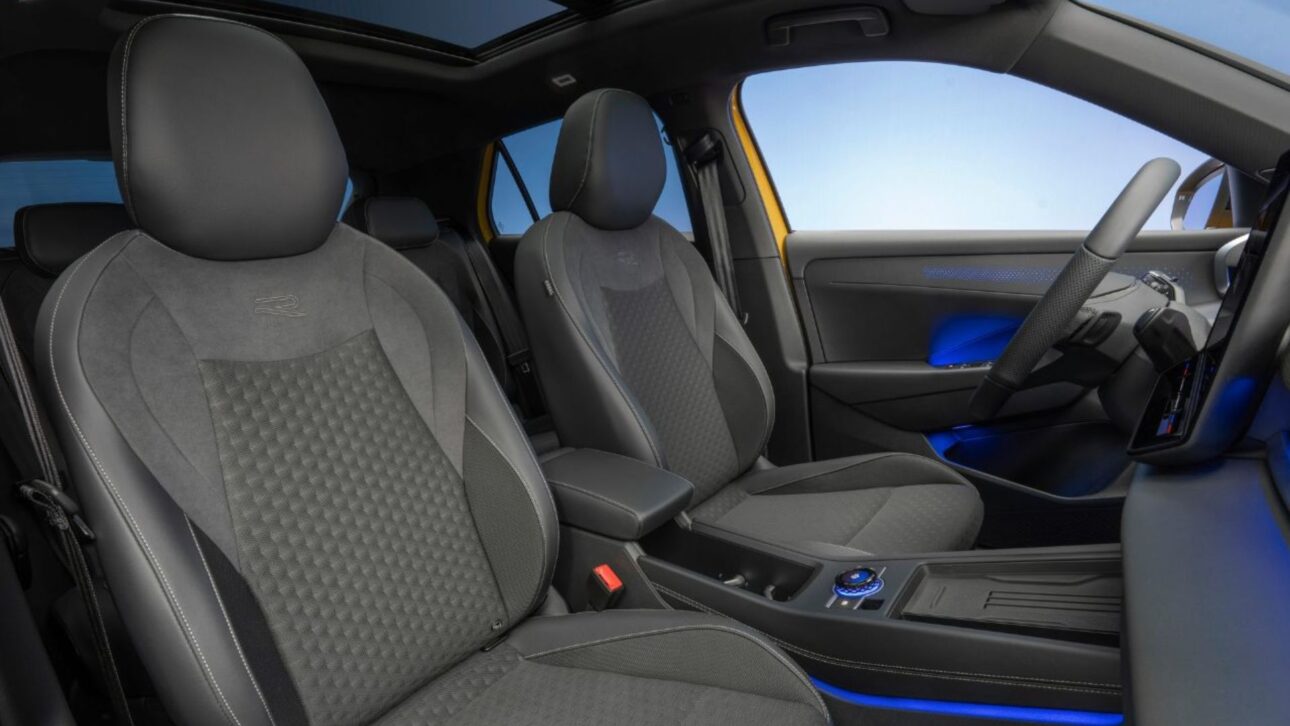
The mild hybrid package includes a 1.7 kWh battery to power the auxiliary electric motor and a second electric motor that replaces the traditional starter motor.
In practice, this system allows for smoother starts, fuller accelerations, and the possibility of shutting off the combustion engine in deceleration phases, resuming rotation almost imperceptibly when needed.
Another typical advantage of the MHEV is energy recovery during braking and downhill conditions.
The electronic management directs part of this energy to the 48V battery, which again supports the system in situations that require additional torque.
Although it is not a full hybrid, the solution reduces consumption spikes and improves efficiency without significantly changing the driver’s routine.
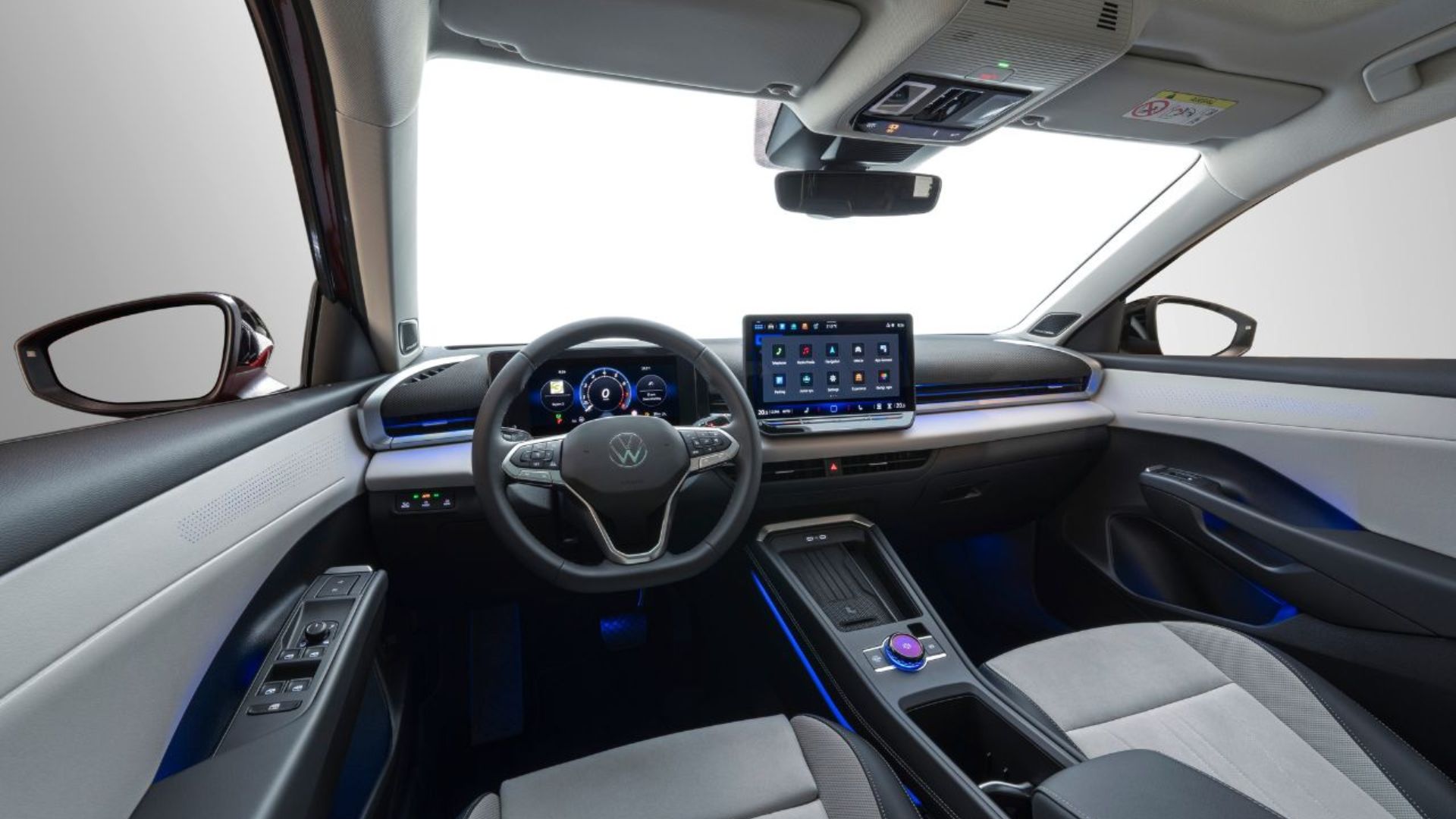
Sunroof May Equip the Nivus 2026
The images of the European T-Roc show the model with a sunroof, an item that has gained importance in the Brazilian market and is already offered by the T-Cross in the Highline version.
The reading of the scenario for 2026 indicates that the Nivus, in addition to growing in size, may incorporate the accessory in some top configuration, following movements already seen in the rival Fiat Fastback, which has started to offer it in the 2026 lineup.
Even with cosmetic updates and the GTS variant, the current Nivus has not received a sunroof.
The eventual arrival of the item could bring the product closer to the equipment package of competitors, enhancing the perception of value and meeting a recurring consumer desire.
Competition and Market Positioning
The advancement of the powertrain and the possible inclusion of comfort items do not happen in isolation.
The compact coupe SUV segment has pressured for more technology and efficiency, and the adoption of the 1.5 TSI with MHEV places the Nivus in line with a trend that is rapidly spreading across portfolios.
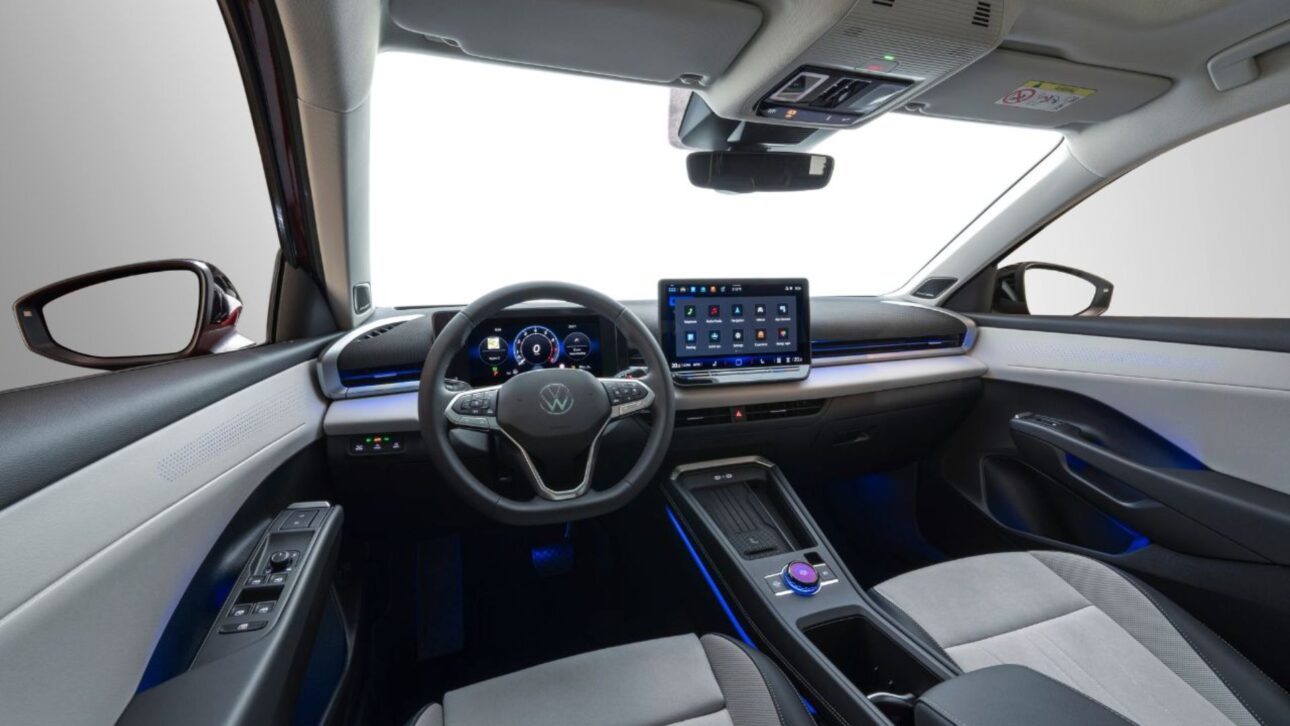
In parallel, the design inspired by the T-Roc tends to update visual appeal, a decisive aspect for maintaining market share.
On the other hand, Volkswagen maintains the logic of the range by differentiating Nivus and T-Cross by proposal and tuning.
While the T-Cross focuses on family versatility and already offers a sunroof in the top version, the Nivus explores a sportier language, characteristic roof slope, and positioning between style and efficiency.
Mild electrification helps sustain this identity by adding performance and more contained consumption.
Expectations for the 2026 Lineup
The official confirmation of components, combined power levels, and availability of features will occur as the brand details the 2026 lineup.
Until then, the elements pointed out by Mobiauto serve as markers for what is being designed for the new phase of the Nivus: 1.5 TSI EVO engine with 48V electric assistance, 1.7 kWh battery, possibility of sunroof, and visual aligned with the latest T-Roc.
The calibrations of transmission and commercial strategy also deserve attention.
In general, MHEV solutions come accompanied by transmission adjustments and electronic management to extract efficiency gains.
In terms of variants and pricing, the introduction of the mild hybrid system usually coexists with conventional combustion options until demand consolidates the transition.
Meanwhile, competitive behavior continues to serve as a reference.
The Fastback has already moved to enhance the equipment package, and other brands are studying similar evolutions with 48V electrification for upcoming cycles.
In a competitive environment, the Nivus 2026 needs to balance content, cost, and performance to sustain public interest.
If Volkswagen confirms the indicated system, the Nivus will combine updated style, electric assistance, and potential new comfort items, targeting a more comprehensive daily delivery.
In your opinion, which of these elements weighs more in the purchase decision: the mild hybrid system, the possible sunroof or the visual aligned with the T-Roc?








Nao faz 5km/l na cidade .. a justificativa sera o fraco combustível
Comentar o que ???
Puxa vida, uma reportagem tão grande e não trouxe a informação mais importante para os leitores e consumidores. Qual consumo estimado / esperado?
Falou tanta coisa menos importante ou sem nenhuma importância e não trouxe a principal informação que é sobre o consumo