





 Portuguese
  English
  Spanish
  3 min of reading
  0 comments


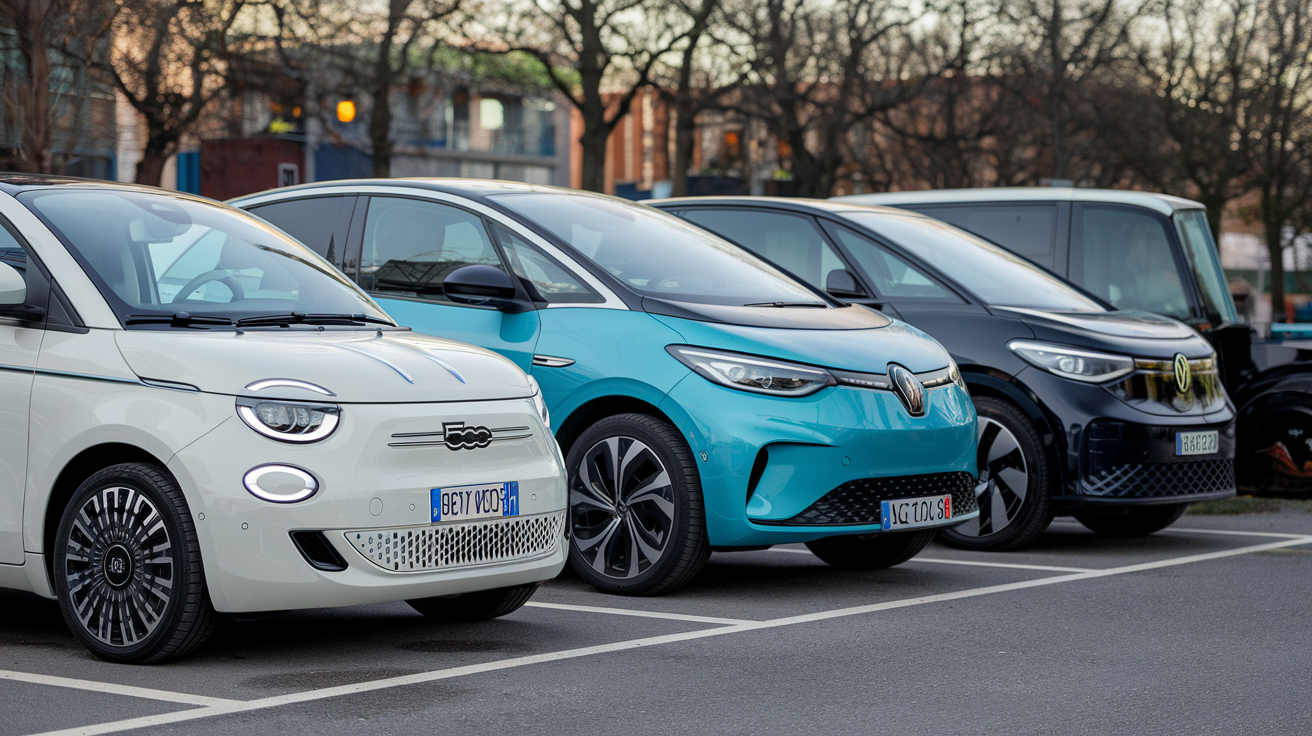
Fiat, Renault And Volkswagen Announce New Affordable Electric Cars And Solutions To The Main Challenges Of Electrification In The Automotive Market.
The journey of affordable electric cars still faces challenges, with demand growing more slowly than expected. One of the main obstacles is the high price compared to traditional vehicles. However, this scenario may change in 2025, with the arrival of new models to the market. Manufacturers such as Fiat, Renault, and Volkswagen are preparing to launch more accessible electric vehicles, aiming to expand the adoption of this technology. For example, the Fiat Grande Panda is one of the models anticipated for this period. These launches promise to diversify options for consumers and drive the transition to more sustainable mobility.
Fiat Grande Panda


To kick off the list of new launches from Fiat, Renault, and Volkswagen in the market, we have the Fiat Grande Panda. It remains the classic Panda sold for years in Italy, but now as an urban SUV and transforming into the Grande Panda, with a different platform and a design that recalls the earlier Panda, which entered the automotive market in 1980.
This, which is one of the affordable electric cars, will have the same powertrain as its cousins from Citroën and Opel, given the common base. Measuring 3.99 meters in length, it will use a 44 kWh lithium-iron-phosphate battery to power a 113 hp electric motor.
-
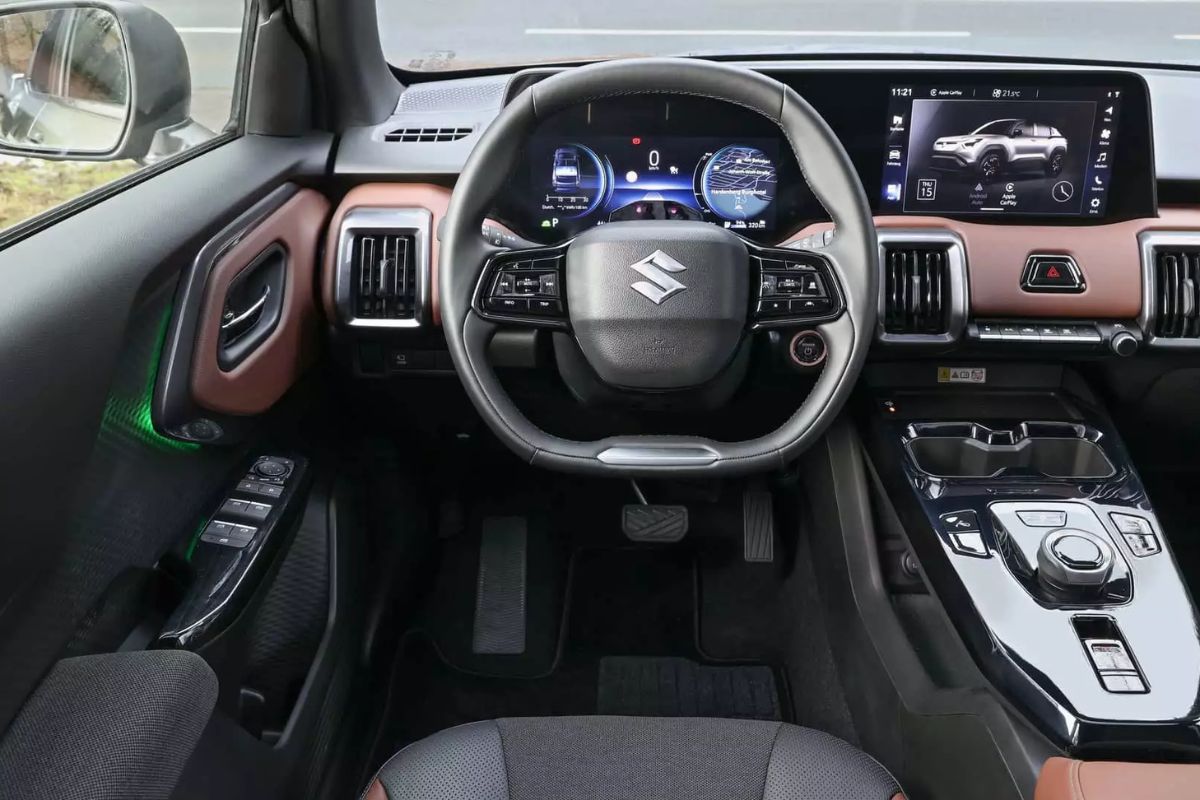
The 2026 electric Vitara arrives in Brazil and proves that Suzuki is not leaving: 4×4 traction, 184 hp, 61 kWh LFP battery, 293 km range, R$ 259,000, and a trunk capacity of 224 L.
-
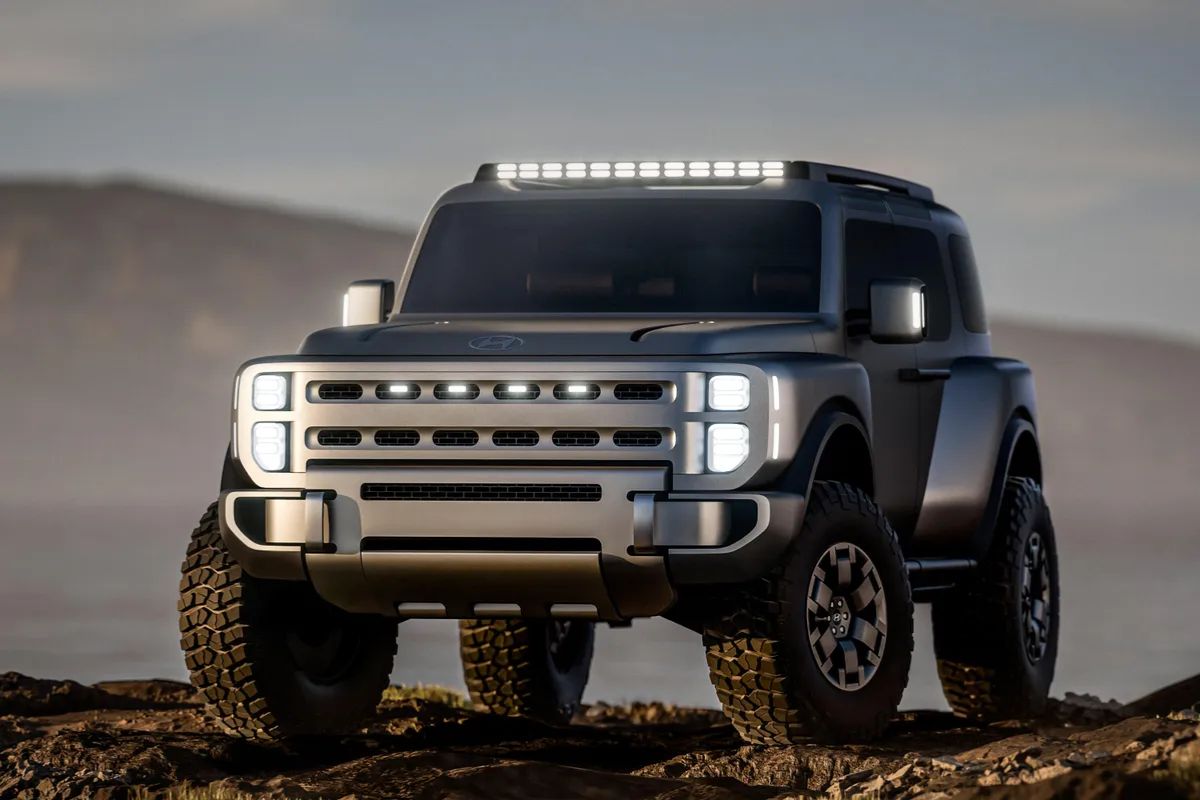
Hyundai has unveiled the Boulder, a square SUV with a body-on-frame design, 37-inch mud tires, and carriage-style doors that seems to be made to take on the Ford Bronco and the Scout Traveller in the United States.
-
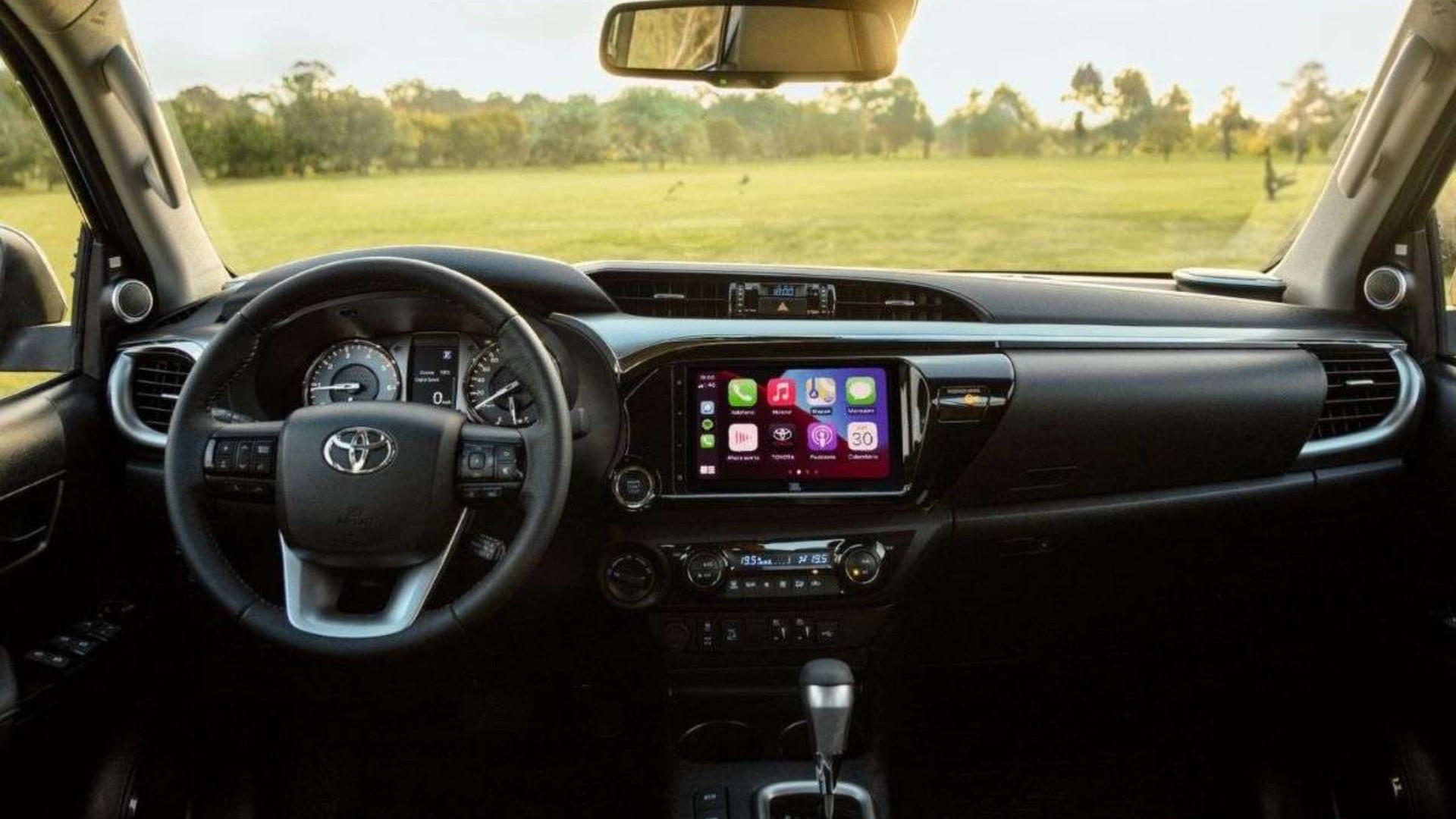
The Toyota Hilux is R$ 75.5 thousand cheaper and bets on the 2.8 turbodiesel engine with up to 204 hp and 50.9 kgfm to catch up with the VW Saveiro, which leads with 4,472 sales.
-
The new Renault Koleos has a screen exclusively for the passenger that is invisible to the driver, heated rear seats, and 29 assistance systems, but its Chinese competitors cost R$ 40,000 less and deliver more power.
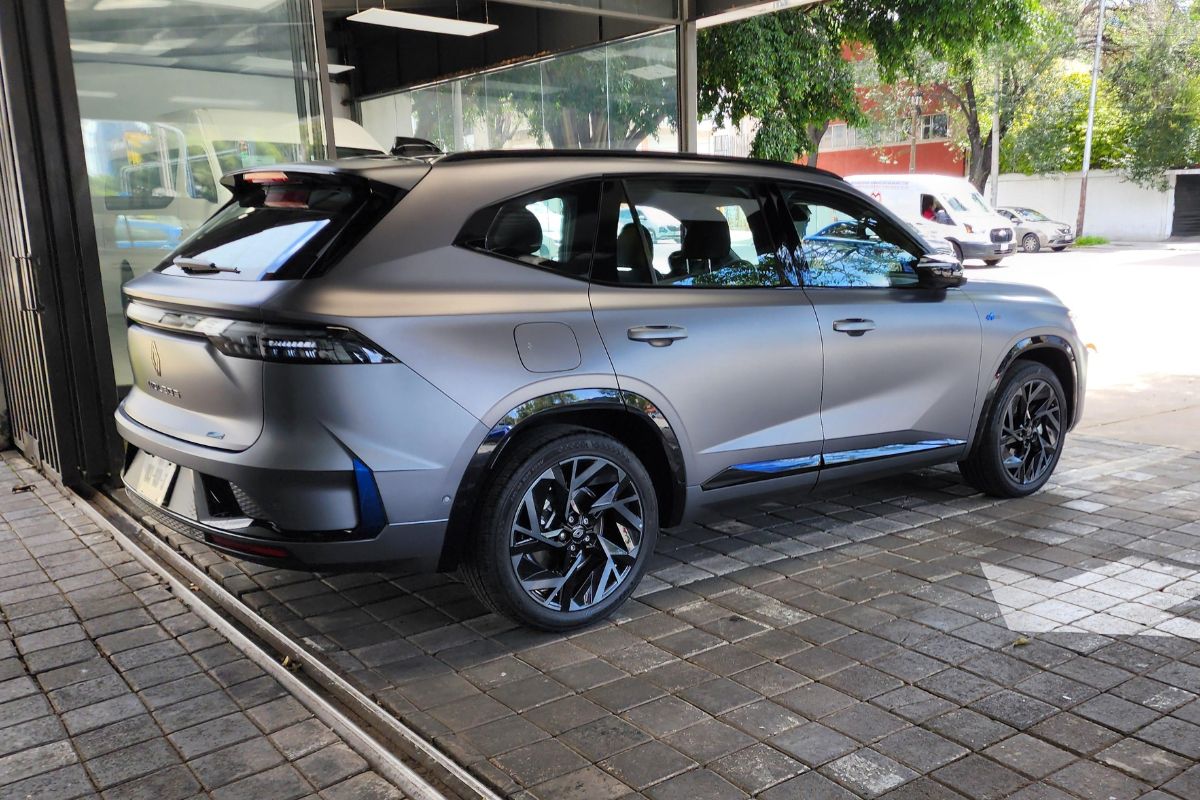

The new model in the automotive market promises an autonomy of 320 km on a single charge. It will be sold in two versions, namely RED, which costs R$ 149,301 in direct conversion, and La Prima, a launch edition costing R$ 167,301.
Volkswagen ID.1 (And ID.2) – Major Promise Among Affordable Electric Cars
As part of the new launches from Fiat, Renault, and Volkswagen, the ID.1 was announced days after the official pricing of the Fiat Grande Panda was published. The model will be officially presented to the automotive market on March 5, still in concept form, as it will only enter the affordable electric car sector in 2027.
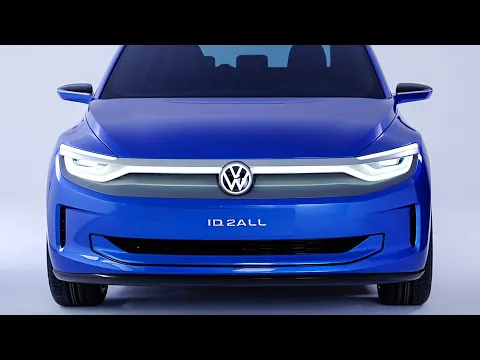
The model is based on the MEB “Entry” platform, with the electric motor at the front, and marks the return of the German company to the A segment, which was empty after the up. The model, which is part of the list of new launches from Fiat, Renault, and Volkswagen, could cost around 20,000 euros, equivalent to R$ 119,800.
To reduce the wait, Volkswagen will present the ID.2 later this year. Being one of the affordable electric cars for the market, the vehicle uses technology from other ID. cars present in the market, based on a version of the MEB platform developed specifically for compact cars.
The new model from the German brand has been widely anticipated by the ID. 2all concept. The car will be manufactured using innovative methods that will allow the company to keep costs low.
Renault 4 E-Tech
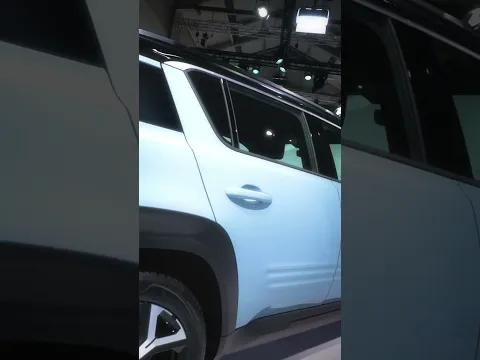
To conclude the list of new launches from Fiat, Renault, and Volkswagen, we have the Renault 4 E-Tech. Following the Renault 5, which is already on sale and will also include a “basic” version priced at 25,000 euros (R$ 149,750) next spring, the diamond brand will sell another electric car in 2025, which will be the Renault 4.
The model will have a design similar to the famous model produced from 1962 to 1991, styled as a crossover, and due to the AmpR Small platform, will be sold in two versions. The base version will feature a 122 hp engine and a 40 kWh battery, while the higher-tier will have a 150 hp engine and a 52 kWh battery. The autonomy will range between 300 to 400 km, respectively.










Seja o primeiro a reagir!