





 Portuguese
  English
  Spanish
  2 min of reading
  8 comments


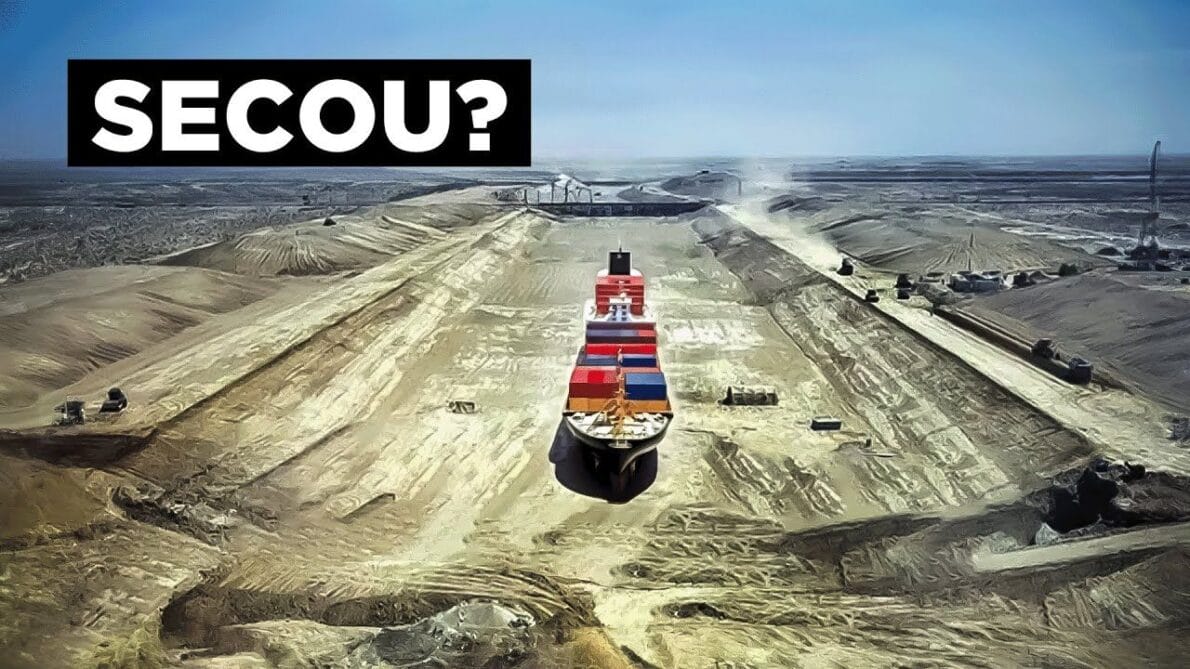

Afghanistan, Known for Conflicts and Poverty, Is Carrying Out an Ambitious Project: The Qosh Tepa Canal. The Construction, Aiming to Transform Desert Areas into Fertile Lands, Faces Technical and Financial Challenges. However, Progress Continues with the Second Phase Underway Since February 2024.
Afghanistan, Despite Its Historical Challenges, Is Undertaking One of the Largest Water Projects in Asia: The Qosh Tepa Canal. Located in the North of the Country, Between the Provinces of Balkh and Faryab, the Canal Aims to Transform 550,000 Hectares of Desert into Fertile Land. The Construction, Which Began in 2018, Entered Its Second Phase in February 2024.
The Qosh Tepa Canal Captures Water from the Amu Darya River, Diverting Approximately 20% of Its Annual Flow, Equivalent to 10 Billion Cubic Meters of Water. The Canal Is 100 Meters Wide, Up to 8.5 Meters Deep, and Will Extend for 285 Kilometers. In the Second Phase, an Additional 177 Kilometers Will Be Excavated.
Historically, the First Ideas for the Canal Emerged in the 1970s, but Conflicts and Political Changes Delayed the Project in Afghanistan
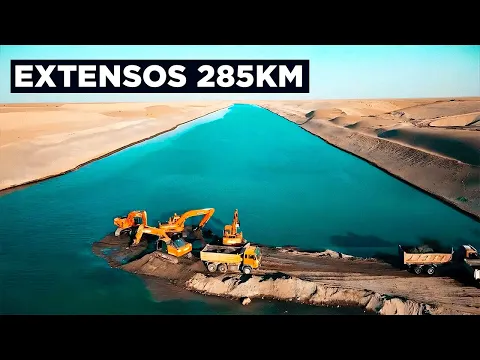

In 2018, AECOM Completed the Feasibility Studies. Even After the Withdrawal of US Troops and the Taliban Regaining Control in 2021, the Afghan Government Decided to Continue with the Project Using Local Resources.
-
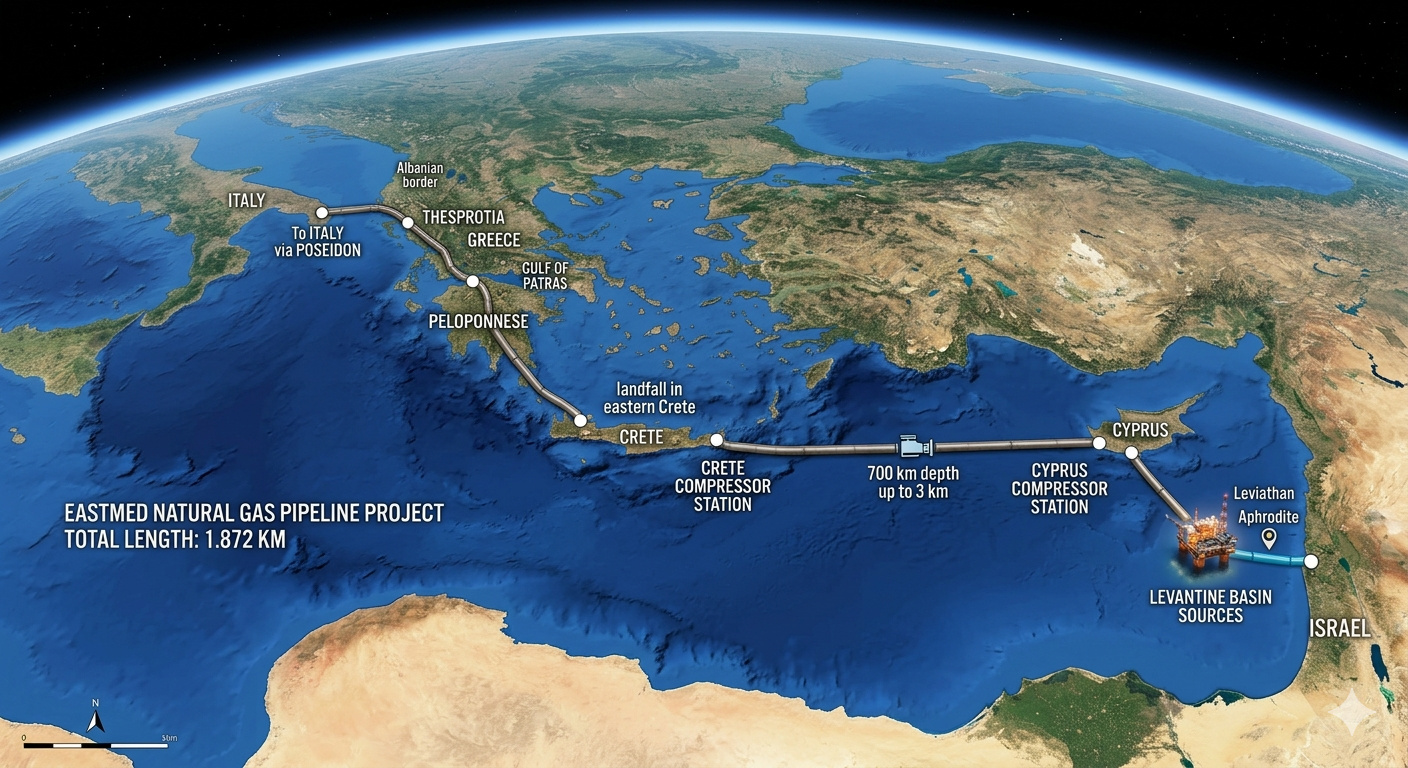
Israel, Greece, and Cyprus signed an agreement in 2020 to transport gas from the Mediterranean to Europe via a 1,872 km pipeline, but Turkey claimed sovereignty over part of the maritime route, and the project never materialized.
-
Israel, Greece, and Cyprus signed an agreement in 2020 to transport gas from the Mediterranean to Europe via a 1,872 km pipeline, but Turkey claimed sovereignty over part of the maritime route, and the project never materialized.
-
Historic bankruptcy of Centauro shocks the market, and the century-old company puts more than 500,000 products, machines, and complete infrastructure up for online auction.

-
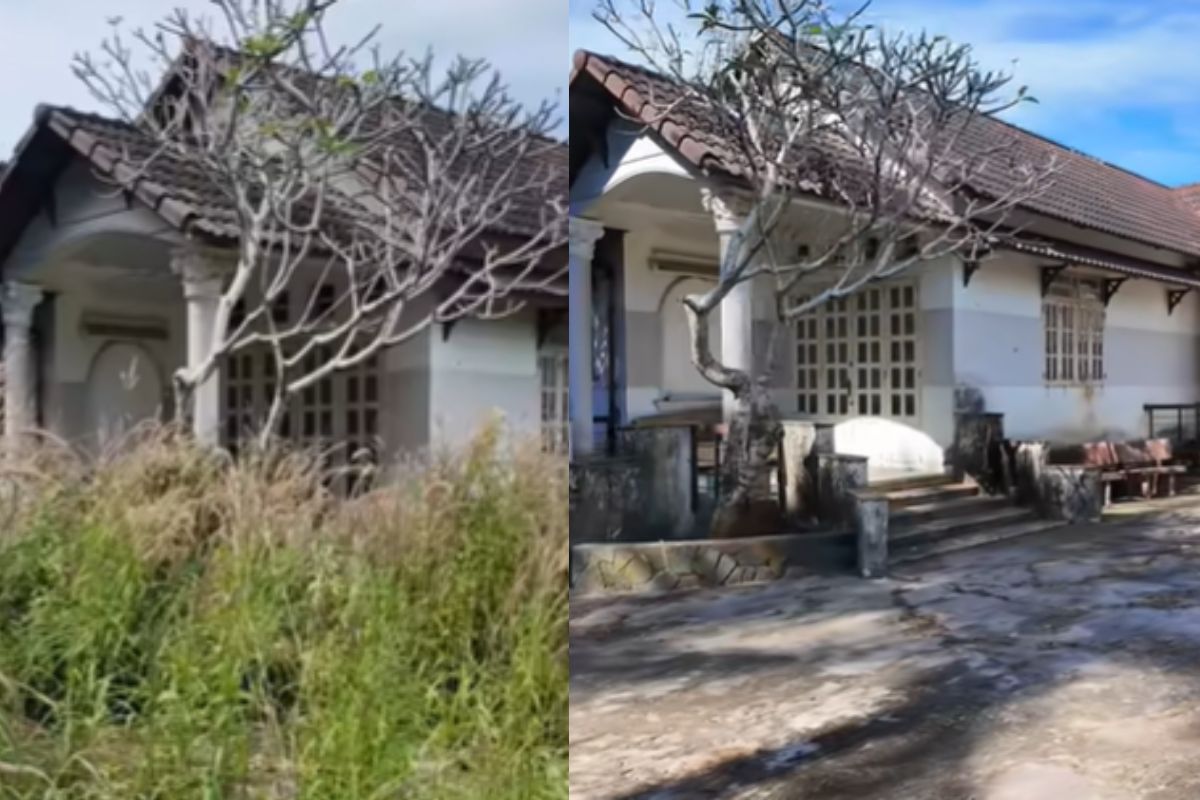
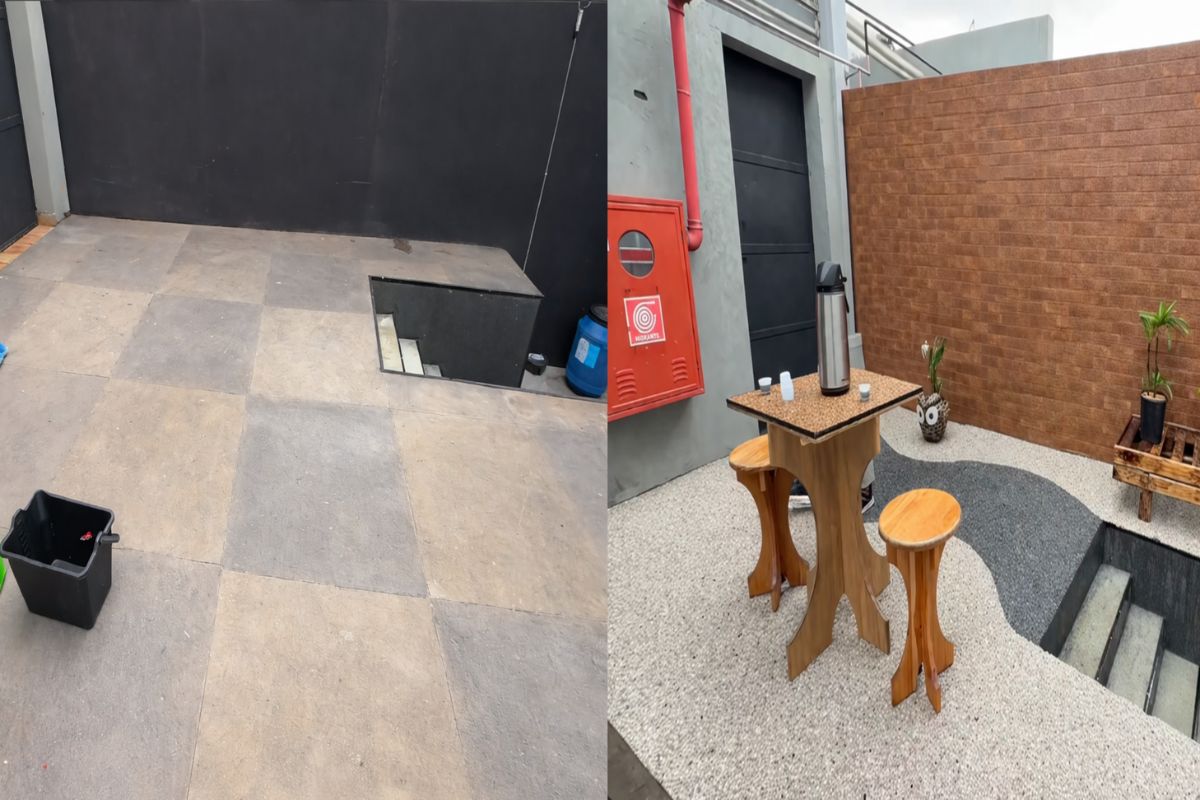
Abandoned house for 15 years disappears in the woods, shocks owner with unrecognizable scenery and is reborn in an intense transformation after almost 90 hours of work in just 10 days.

The Project Faces Major Challenges, Including the Lack of Modern Equipment and Skilled Labor, Additionally, It Needs to Assemble a Budget of 650 Million US Dollars. The Government Is Funding the Construction with Tax Revenues and Coal Sales to Pakistan, Which Is Facing an Energy Crisis.
So Far, the First Phase of the Project Was Completed in November 2023, with 108 Kilometers Excavated and 14 Hydraulic Gates Built for Flood Prevention
The Second Phase, Started in February 2024, Involves Excavating an Additional 177 Kilometers, with Completion Expected by February 2025. The Final Phase Will Include the Distribution of Sub-Canals to Agricultural Lands, with Total Completion Expected by 2028.
Despite the Progress, the Project Faces Criticism and Environmental Concerns, Especially from Neighboring Countries Like Tajikistan, Uzbekistan, and Turkmenistan. In November 2023, a Break in the Canal Caused a Major Water Spill, Raising Questions About the Project’s Safety.
The Qosh Tepa Canal Promises Great Economic Benefits
It Is Estimated That It Will Create 250,000 Jobs in Northern Afghanistan and Help Combat the High Unemployment Rate, Which Reached 15.4% in 2023. Additionally, the Increase in Agricultural Production May Make Food More Accessible to the Population.
The Project Is a Hope for Afghanistan to Achieve Food Self-Sufficiency and Improve the Quality of Life of Its Population. The International Community Is Closely Monitoring Developments, Hoping That the Country Can Overcome Challenges and Complete This Ambitious Endeavor.








Infelizmente o povo afegão vai sofrer por muito tempo ainda! Culpa dos governantes que não querem um país melhor para todos! É lamentável ter que dizer isso, mas é a mais pura verdade!
isso é para o bem da humanidade. produzir alimentos é questão de nobreza. Deixe os invejosos se rasgarem e sigam a frente. lechai!
Em quanto muitos falam o calado vai trabalhando e conquistando seu ideal.