






 Portuguese
  Spanish




Canada Is Investing in a Clean Energy Project, Site C, Being Built in British Columbia. This Giant Hydroelectric Project Will Provide Power for 450,000 Homes and Will Be the Fourth Largest Dam in the Country. Canada’s Largest Green Energy Initiative Aims to Strengthen Energy Security and Reduce Carbon Footprint.
Canada is moving forward with an ambitious green energy project worth US$ 11 billion, known as Site C. Located in the province of British Columbia, this hydroelectric project promises to transform the country’s energy landscape, providing the largest green energy ever seen in the region.
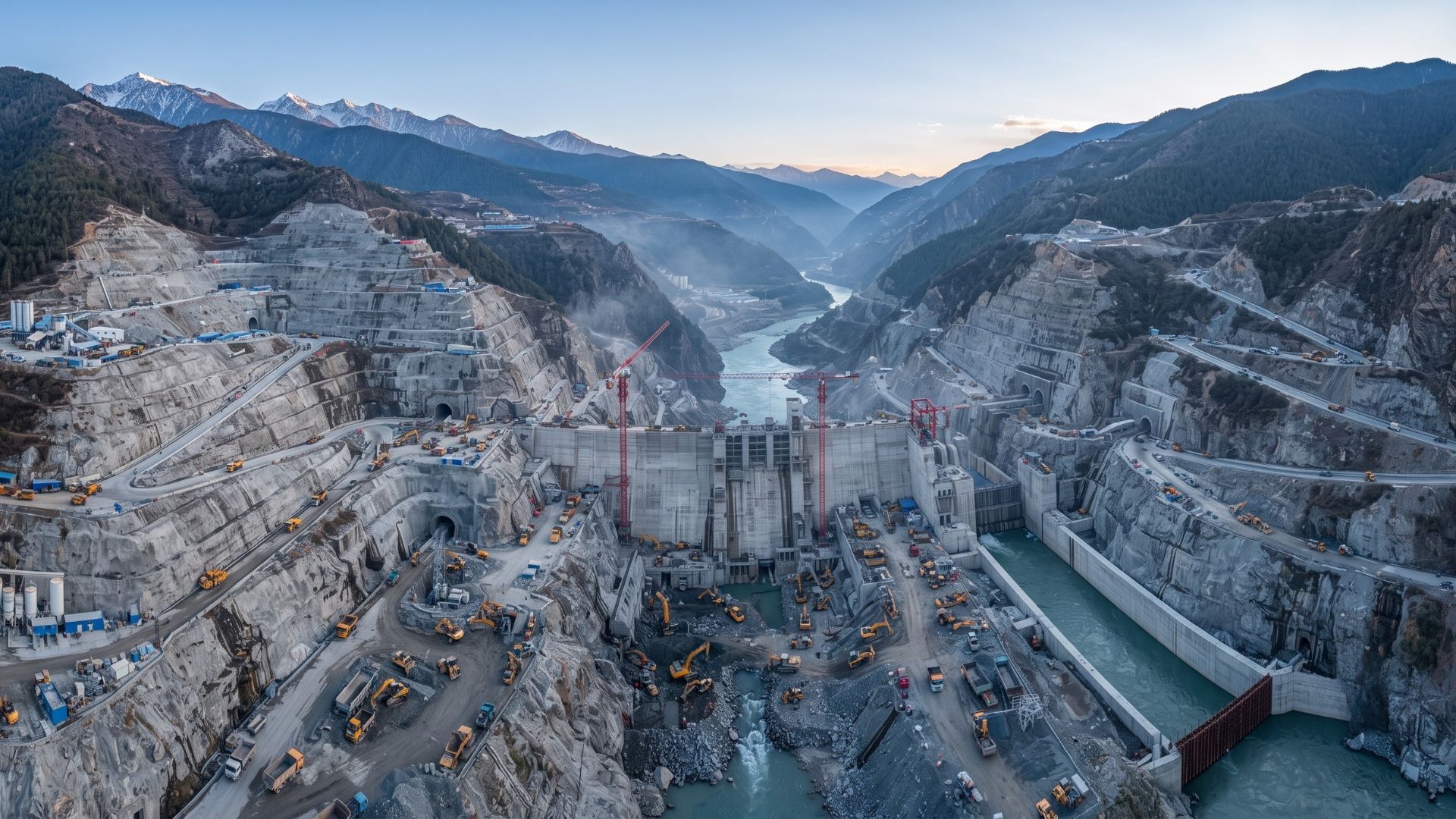
Site C is a hydroelectric dam that, when completed in 2025, will have the capacity to generate 1,100 megawatts of power, enough to supply 450,000 homes. This will be the fourth largest dam in Canada and the largest built in the region since 1984. The project employs advanced technology to create a clean and sustainable energy system.
The Dam Will Be Located on the Peace River, 14 km Southwest of Fort St. John, and Will Use Water from the Existing Williston Reservoir at the W.A.C. Bennett Dam


This avoids the need to construct a new water storage system. The dam will form an 83 km long reservoir, covering a total area of 9,330 hectares. Site C will feature six vertical Francis turbines of 183 megawatts each, ensuring a steady power output. The construction of the dam involves a complex system of tunnels, channels, and dikes, designed to meet the demands of modern hydroelectric production.
-
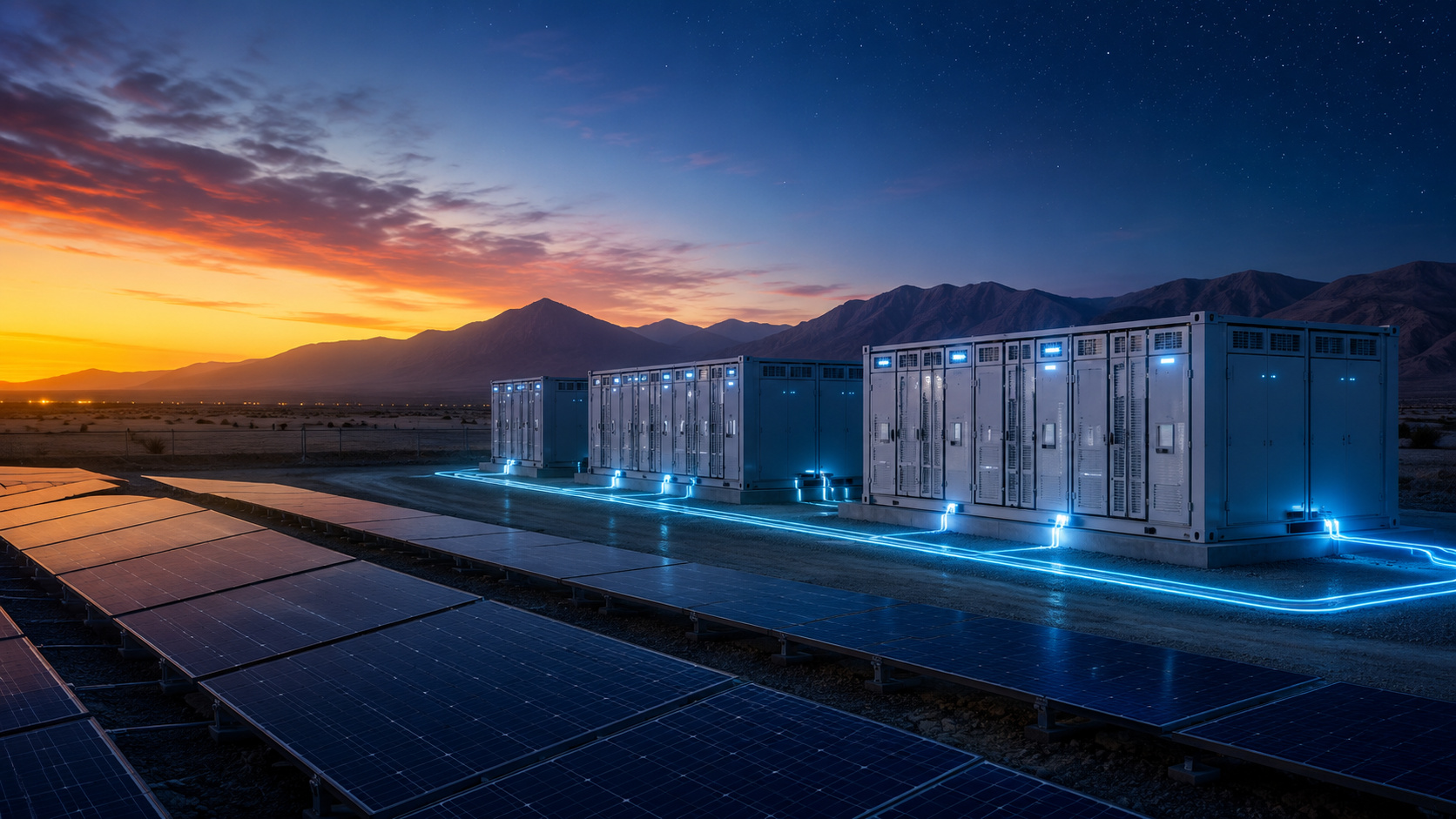
Giant Batteries Take Center Stage in Chile Auction as Company Offers 960 GWh of Solar Energy for Nighttime Use, Aiming to Stabilize Solar Power Supply

-
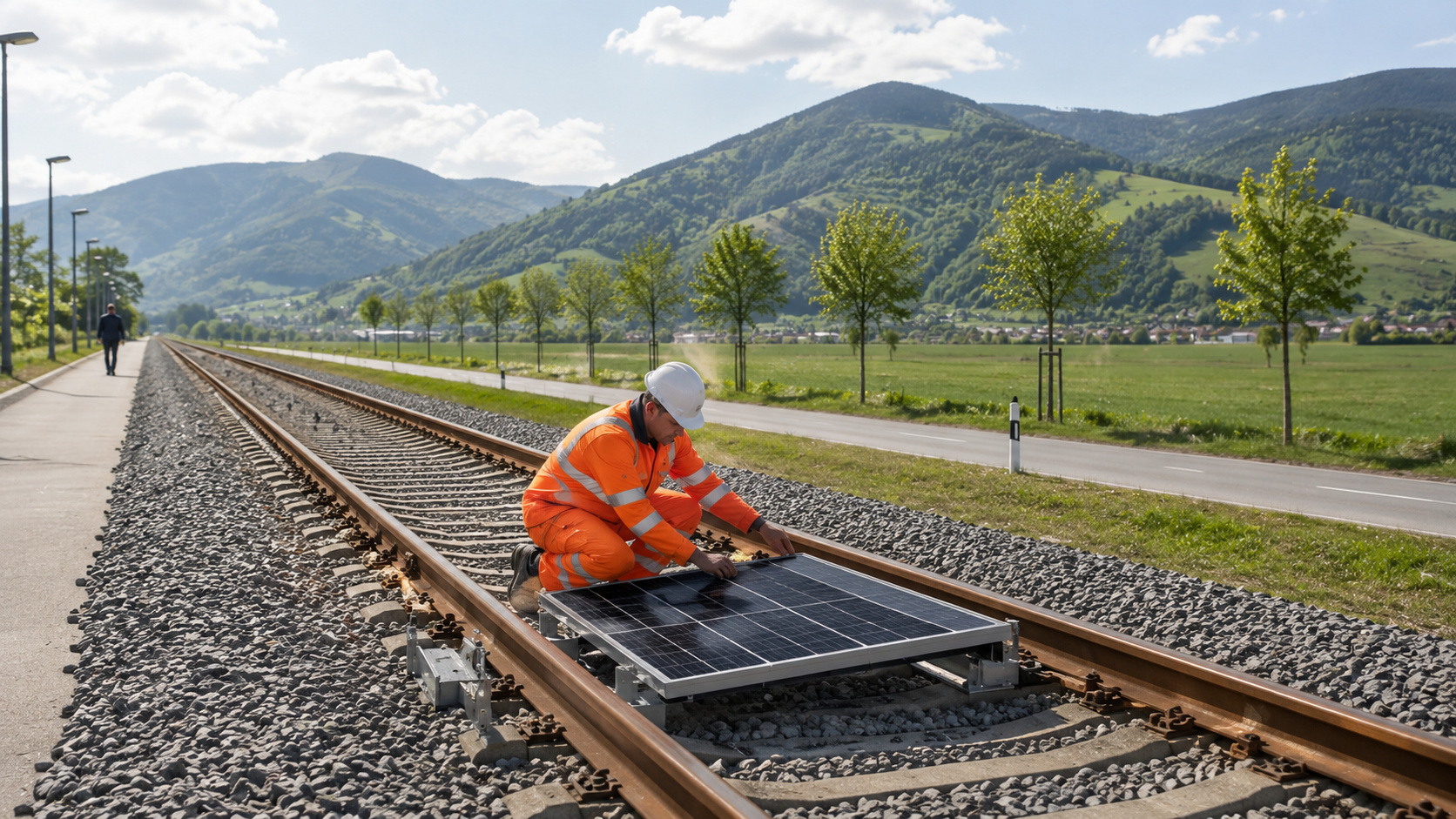
After a Year of Success in Switzerland, Solar Railway Attracts Italy’s Interest for Clean Energy Transformation
-
Robots Clean Solar Panels in Desert Power Plants Without Water, Preventing Energy Losses
-
Brazil’s Offshore Wind Energy Potential Worth $1 Trillion Stalled by Long-Delayed Agreement



In addition to providing clean and sustainable energy, the Site C project is creating thousands of jobs. During the development and construction phase, around 35,000 jobs are expected, with an additional 10,000 direct positions in construction. This represents a significant economic impact for the region, with the project estimated to add approximately US$ 3.2 billion to the provincial GDP.
Despite the Benefits, the Project Has Faced Various Controversies. From Environmental Concerns to High Construction Costs, Site C Has Been the Subject of Intense Debate
However, in 2017, the government decided to proceed with construction, highlighting that canceling the project would result in a US$ 4 billion debt with no return for taxpayers. The completion of Site C in 2025 marks an important step in the fight against climate change. The project will help prevent the emission of 30 to 70 million metric tons of carbon dioxide, strengthening Canada’s commitment to renewable energy and sustainability.
Canadian Prime Minister Justin Trudeau Emphasized the Importance of Projects Like Site C to Reduce Emissions and Promote Clean Energy
The integration of energy between provinces and the focus on reducing the use of coal and natural gas are crucial for Canada’s energy future. While challenges still exist, such as the need to improve BC Hydro’s energy transmission capacity, Site C is poised to become a landmark in the history of green energy in Canada. With its completion, the dam is expected to provide reliable and affordable energy for the coming decades, solidifying Canada’s role as a leader in renewable energy.





Como ser contratado para trabalhar nessa obra que está com falta de mão de obra.