





 Portuguese
  English
  Spanish
  2 min of reading


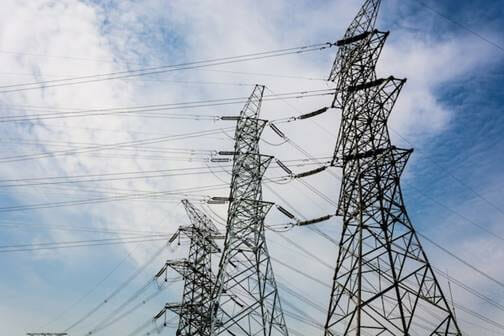
The Intersection of Metallurgy and Electricity: Leading a Green Revolution.
The future of companies today is clearly influenced by compliance with ESG (Environmental, Social and Governance) practices. The electricity sector, a key piece in the global and national economy, is a profound example of this transition. Assisting in this progress, the metallurgy industry emerges with multiple applications of Aluminum, bringing significant advances in energy production.
Consider the weight of sustainability in this scenario: of the U$ 2.8 trillion planned for global energy investments, an impressive U$ 1.7 trillion is dedicated to clean technologies, as highlighted by the report from the International Energy Agency (IEA). This amount is directed towards innovations such as electric vehicles, storage networks, low-emission fuels, and more.
The Green Letters of Aluminum
-
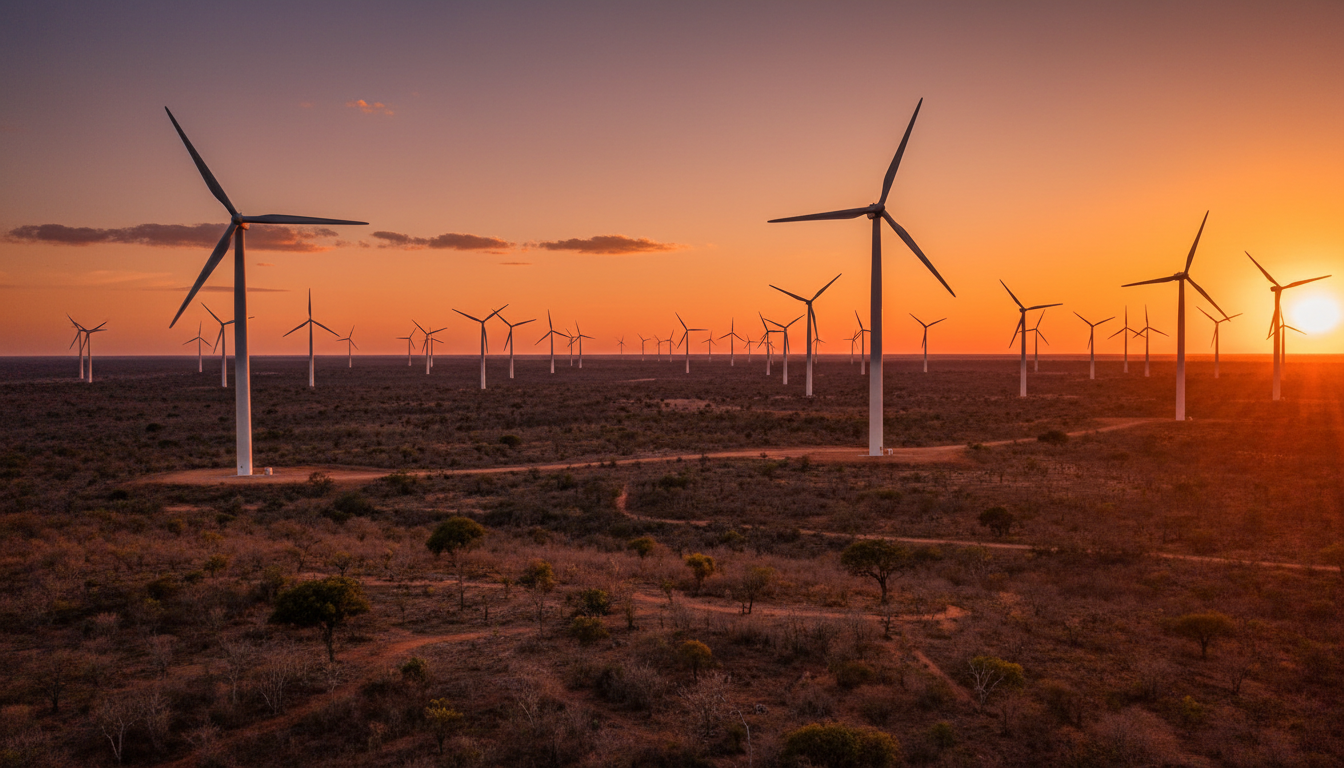
The Brazilian Northeast is receiving the largest wave of investments in clean energy ever seen in the country, with R$ 200 billion in wind and solar, 9,000 km of transmission lines, and a promise that could change the economy of 60 million people.
-
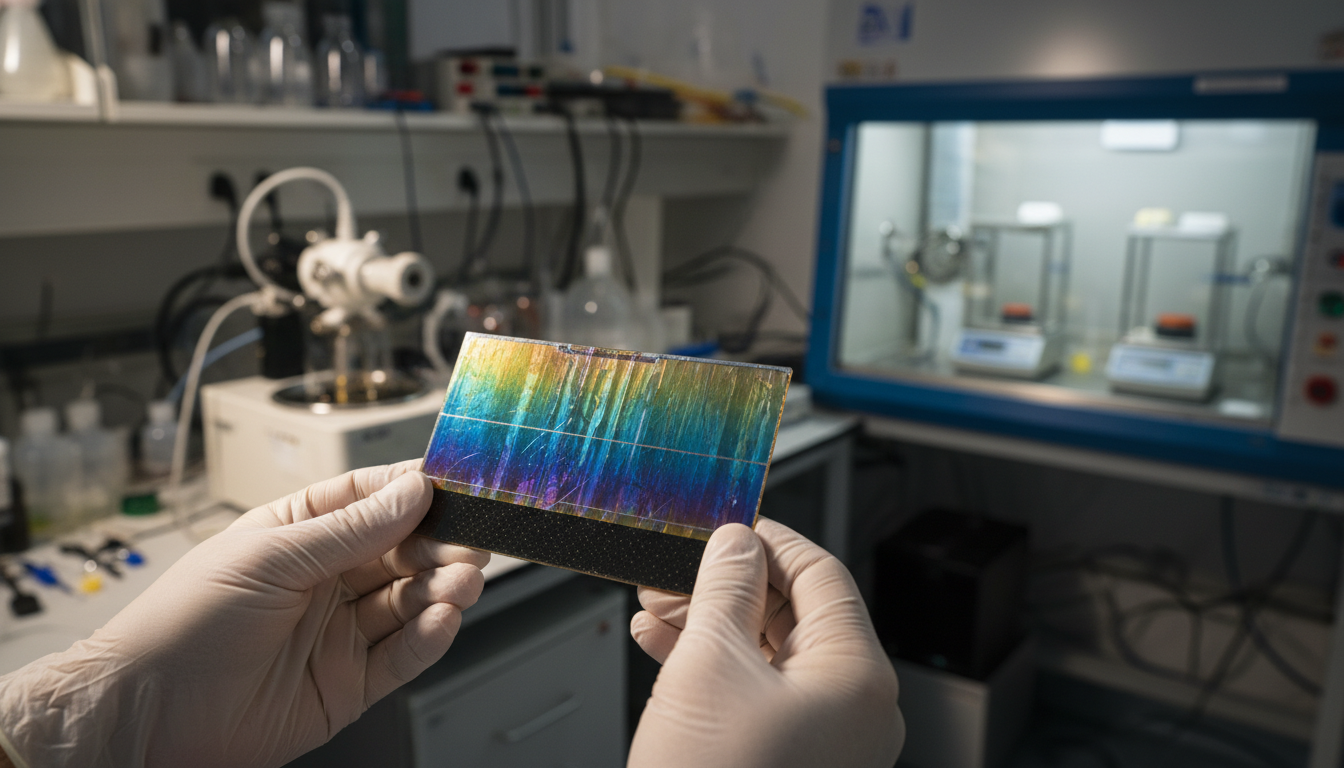
Chinese company creates solar cell that breaks the physical limit of silicon with 34.85% efficiency and promises to revolutionize electricity bills with panels that generate 20% more energy starting in 2026.
-
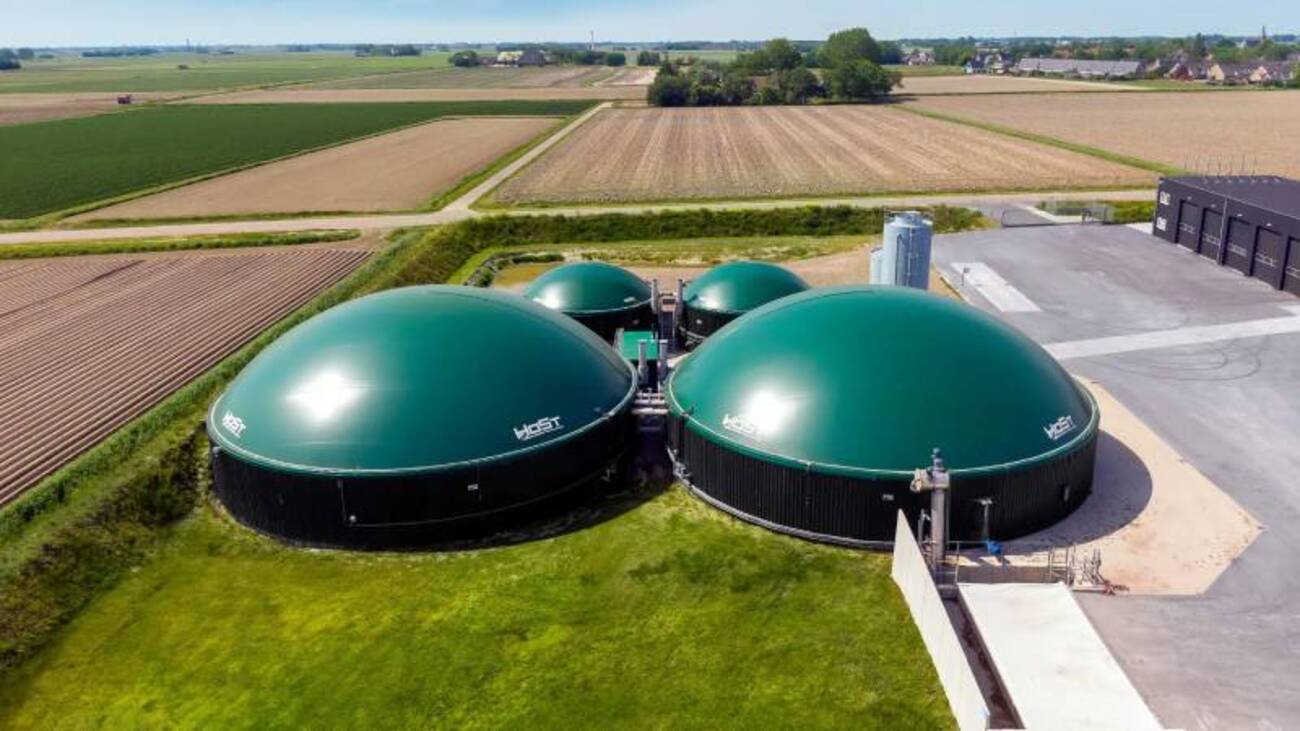
Revolution in the sugar-energy sector: Government sets new target for biomethane and paves the way for ethanol plants to profit from the conversion of waste into renewable fuel.
-
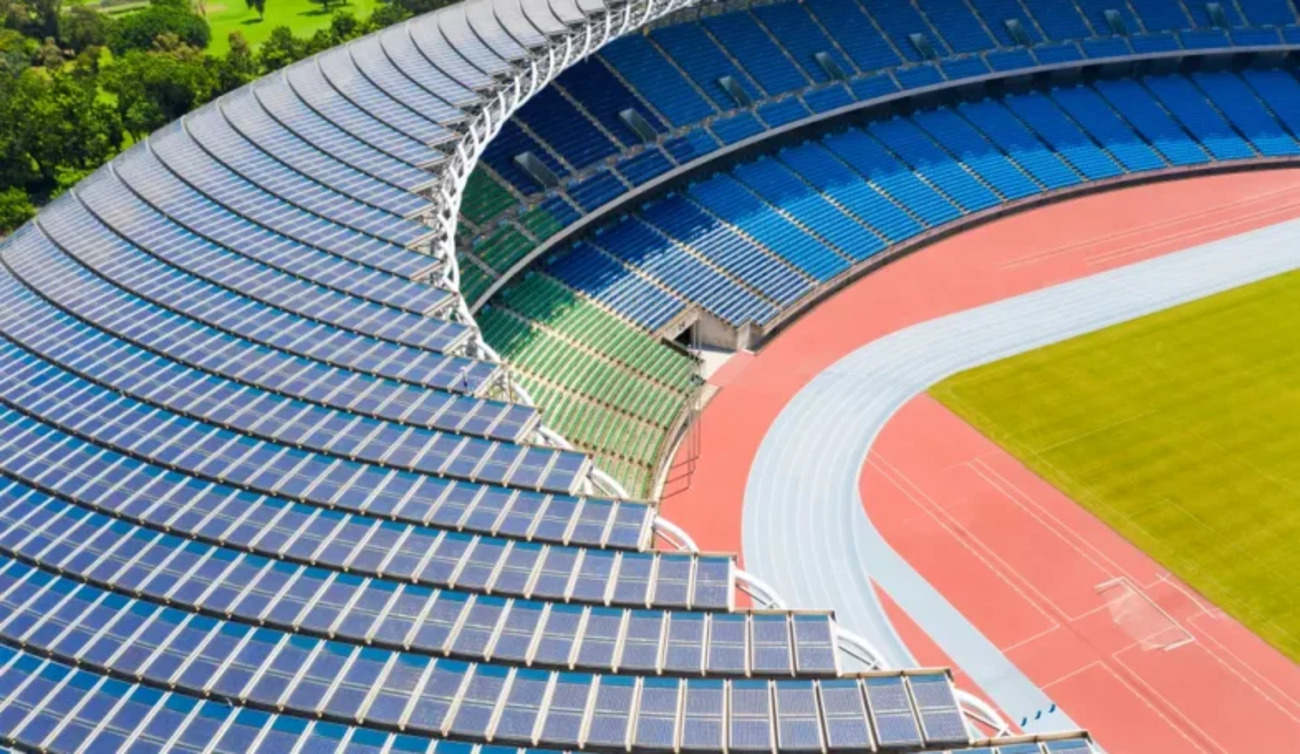
How green infrastructure and renewable energy at the World Cup transform the logistics of the largest sporting event on the planet in North America.
Aluminum is not just another metal; it is a key player in the conduction and distribution of energy. Its characteristics – lightness, strength, conductivity, and infinite recyclability – make it vital for environmental conservation.
The Aluminum market is already signaling a notable expansion in the coming times. Research from the International Aluminium Institute (IAI) indicates a potential growth of 40% in the demand for primary Aluminum by 2030. Among the largest consumers of this metal, the electricity sector stands out. Along with transportation, packaging, and construction, they could represent 75% of this growing demand.
The sustainable attributes of Aluminum are evident in transmission lines. Its lightness, for example, alleviates transport loads, reducing fuel consumption. And its reusability is phenomenal: recycled metal consumes a fraction of the energy compared to that extracted from ore.
Aluminum: The Right-Hand of Clean Energy
When we look at the world of solar energy, Aluminum is widely used, primarily in solar panels. The photovoltaic market, divided between centralized and distributed energy, extensively depends on this metal. Whether in large solar plants or in home systems, Aluminum stands out not only for functionality but also for aesthetic appeal and excellent electrical conductivity.
With the planet crying out for care and the inherent advantages of Aluminum in the environmental front, the choice of this metal in the electricity sector seems more than obvious. The way forward is clear: synergy between these markets. Thus, advancing together on a sustainable, competitive path aligned with global trends.
Source: Ricardo de Luca, Process and Product Engineering Manager at Termomecanica.






Seja o primeiro a reagir!