





 Portuguese
  English
  Spanish
  4 min of reading
  0 comments


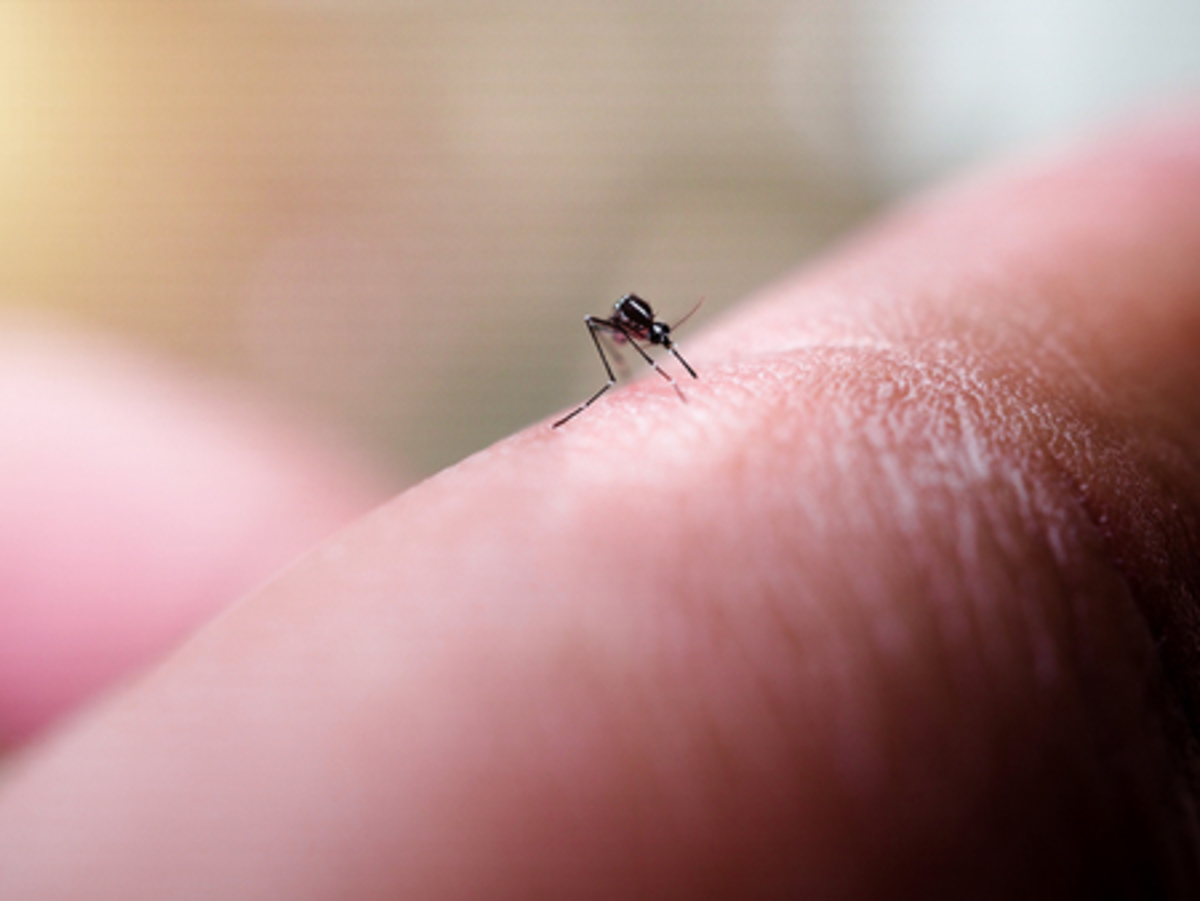
When We Think of the Animal That Causes the Most Deaths in the World, Our Mind Goes to Sharks, Lions, or Venomous Snakes; However, It Is Another.
However, the reality is much more surprising and, paradoxically, frightening: the true champion in lethality is the tiny mosquito.
Yes, this seemingly harmless insect is responsible for taking millions of lives annually, far surpassing any other living being. Understanding why the mosquito is such a dangerous animal is crucial in combating the diseases it transmits and protecting global public health.
The Mosquito: The Animal That Causes the Most Deaths on the Planet
The shocking truth is that the animal that causes the most deaths in humans is not a large predator, but rather an insect that we often underestimate: the mosquito.
-
These living root bridges and ladders are over 700 years old and help indigenous people survive in one of the rainiest regions in the world.

-
From sertanejo star to international investor: Ana Castela invests millions in a mansion in the USA, creates a themed accommodation in Orlando, and shows that the “boiadeira” also wants to grow away from the stage.

-
The 10 most stunning motorhomes in the world: a $3 million trailer with a rooftop nightclub and garage for a Ferrari, “palaces on wheels” with Italian marble, private cinema, and five-star hotel luxury for billionaires.

-
Trump wanted to spend $400 million on the White House, but the courts prohibited the million-dollar construction.


Millions of lives are lost each year due to diseases transmitted by these small beings. Estimates suggest that mosquitoes cause over 700,000 deaths annually, a number that places them at the top of the list of the deadliest beings for humanity.
This overwhelming statistic reflects the power of mosquitoes as vectors of dangerous pathogens. They do not kill directly with bites or attacks, but act as deadly messengers, transporting viruses and parasites from one person to another.
The ease with which they reproduce and spread across various regions of the planet, coupled with their ability to adapt to different environments, ensures that the threat remains constant and global.
Why Is the Mosquito Such a Deadly Animal? The Power of Disease Transmission
The main reason why the mosquito is such a dangerous animal lies in its ability to transmit a wide range of infectious diseases. It is the primary vector for some of the most devastating illnesses in human history.
Among the deadliest diseases transmitted by mosquitoes, the following stand out:
- Malaria: Caused by a parasite, malaria affects hundreds of millions of people annually, resulting in hundreds of thousands of deaths, primarily among children in Sub-Saharan Africa.
- Dengue: A viral disease with alarming growth in tropical and subtropical regions, including Brazil. It can cause high fever, intense pain, and, in severe cases, lead to death (hemorrhagic dengue).
- Chikungunya: Also viral, it causes severe and prolonged joint pain, fever, and other debilitating symptoms.
- Zika: Gained notoriety for its association with microcephaly in babies born to mothers infected during pregnancy, as well as causing other neurological disorders.
- Yellow Fever: An acute viral disease that can be fatal in severe cases, especially in tropical areas of Africa and South America.
This list, unfortunately, is not exhaustive. Other diseases such as Lymphatic Filariasis (elephantiasis) and West Nile Virus are also transmitted by mosquitoes.
The ability of these insects to feed on the blood of various hosts (humans and animals) and their rapid proliferation in stagnant water (essential for reproduction) facilitate the spread of these pathogens, making them a constant threat to public health.
It’s Not Who You Think: Combating Mosquitoes Is a Global Priority
The revelation that the animal that causes the most deaths is the mosquito, and not who you think (like large predators), underscores the urgency of global combat strategies. Prevention and control actions are essential to reduce the incidence of diseases transmitted by these insects.
The main strategies include:
- Elimination of Stagnant Water Sources: The most effective measure, as it prevents the reproduction of mosquitoes. Inspections of water tanks, flower pots, tires, and other containers are crucial.
- Use of Repellents and Physical Barriers: Repellents on skin, screens on windows and doors, and mosquito nets are important barriers to prevent bites.
- Chemical and Biological Control: In outbreak situations, the use of insecticides may be necessary, as well as biological control with natural predators of mosquito larvae.
- Vaccination and Treatment: For some diseases, such as yellow fever, effective vaccines exist. Early diagnosis and proper treatment are vital to prevent deaths.
- Research and Innovation: Continuous investment in research for the development of new vaccines, more effective control methods, and genetic mapping of mosquitoes.
The fight against mosquitoes is an ongoing battle that requires the collaboration of governments, communities, and individuals. Understanding the true threat that this small animal represents is the first step in protecting the health and lives of millions of people worldwide.








-

Uma pessoa reagiu a isso.