





 Portuguese
  English
  Spanish
  3 min of reading
  0 comments


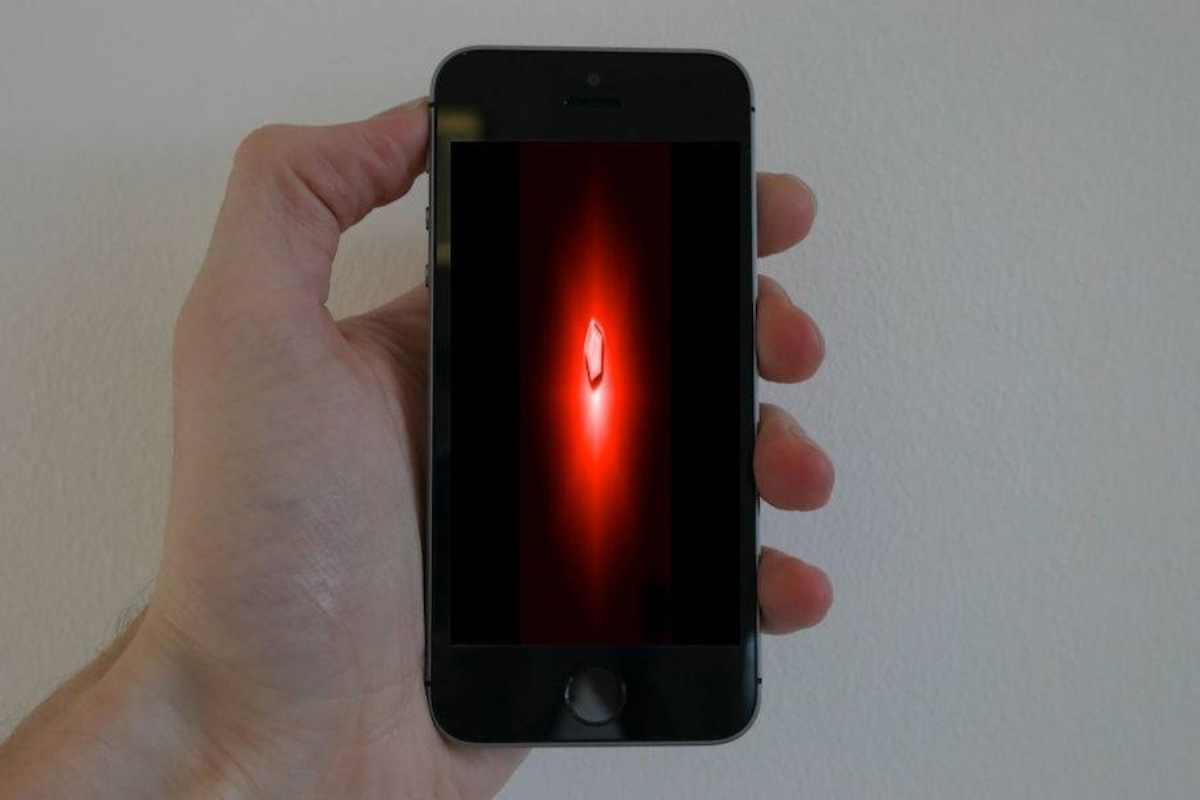
In 2008, An Useless App Was Sold to Eight People Before Being Banned, Becoming a Symbol of the Early App Store Era and a Forecast of the Future of Digital Prices.
In the early days of the Apple App Store, in 2008, the concept of paying for apps was still a novelty. While users amused themselves with apps that simulated lighters or flatulence sounds, a German developer named Armin Heinrich decided to create a social experiment in the form of protest: he created an app called “I Am Rich”. The price? The maximum allowed at the time: US$ 999.99.
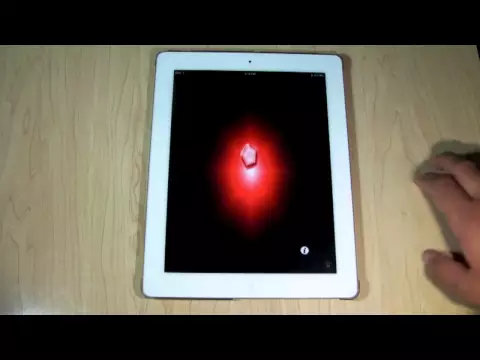
Its only function was to display a shiny red gem on the screen. The app did absolutely nothing else. What started as a joke to criticize those who complained about paying US$ 0.99 for software ended up becoming one of the most bizarre and emblematic cases in the history of technology.
“An Artwork Without Hidden Function”
The description of the app in the App Store was honest. Heinrich did not promise any secret functionality. When opening “I Am Rich”, the user saw the image of a red gem. Upon touching it, a mantra was recited: “I am rich, I deserve, I am good, healthy, and successful”. It was, in essence, the first and perhaps purest symbol of digital status.
-
How the terraforming of Mars can transform the planet: artificial aerosols can increase the temperature by up to 35°C in 15 years, creating conditions for liquid water.

-
Scientists drilled nearly 8,000 meters into the ocean floor above the fault that caused the 2011 tsunami in Japan and discovered that a layer of clay 130 million years old was responsible for making the wave much worse than any model had predicted.

-
Thousands of years after causing the largest eruption of the Holocene, one of the world’s largest supervolcanoes is rebuilding itself beneath the sea south of Japan, receiving new magma and alarming scientists with its transformation.

-
China has activated a magnet 700,000 times more powerful than the Earth’s magnetic field that operates for over 200 consecutive hours while consuming little energy, and now the world wants to know what Beijing plans to do with this technology in 2026.

The developer did not expect anyone to buy it, but, to his surprise, vanity (or deception) prevailed. In the 24 hours it was available, eight people purchased the app. Most later claimed that the purchase was an accident.
The Reaction of Apple and the Unexpected Profit

The backlash was immediate. The media criticized the app, calling it a scam, and Apple removed it from the store in less than a day, without offering explanations.
Despite its short life, the experiment was profitable. Of the nearly US$ 8,000 raised, Heinrich kept about US$ 5,600 after Apple’s 30% commission. The company, pressured by complaints, refunded two of the buyers who claimed they purchased the app by mistake.
The Joke That Foretold the Future
What seemed absurd in 2008 has now become a reality, albeit in a different way. Heinrich’s joke proved that there was a market for high-value digital products. Seventeen years later, the App Store is filled with apps that cost the same or even more, but with a crucial difference: they are extremely useful professional tools.
- CyberTuner: A professional piano tuner that costs US$ 999.99 and replaces thousands of dollars worth of physical equipment.
- Archipad Classic: A construction project management tool that costs € 799.99.
The Apple has even expanded its price tiers, allowing developers to charge up to US$ 10,000 for an app. The difference is that today, consumers know what they are buying. The expensive apps that have survived are those that provide real value, not just a red gem on the screen.
The story of “I Am Rich” serves as a lesson: what started as a critique became a prophecy. Heinrich was right to believe that people would pay for digital status, but underestimated that, in the long run, the market would demand utility in exchange for their money.
And you, would you pay for an app just to show status? What do you think of software prices today? Leave your opinion in the comments!









Seja o primeiro a reagir!