





 Portuguese
  English
  Spanish
  3 min of reading
  0 comments


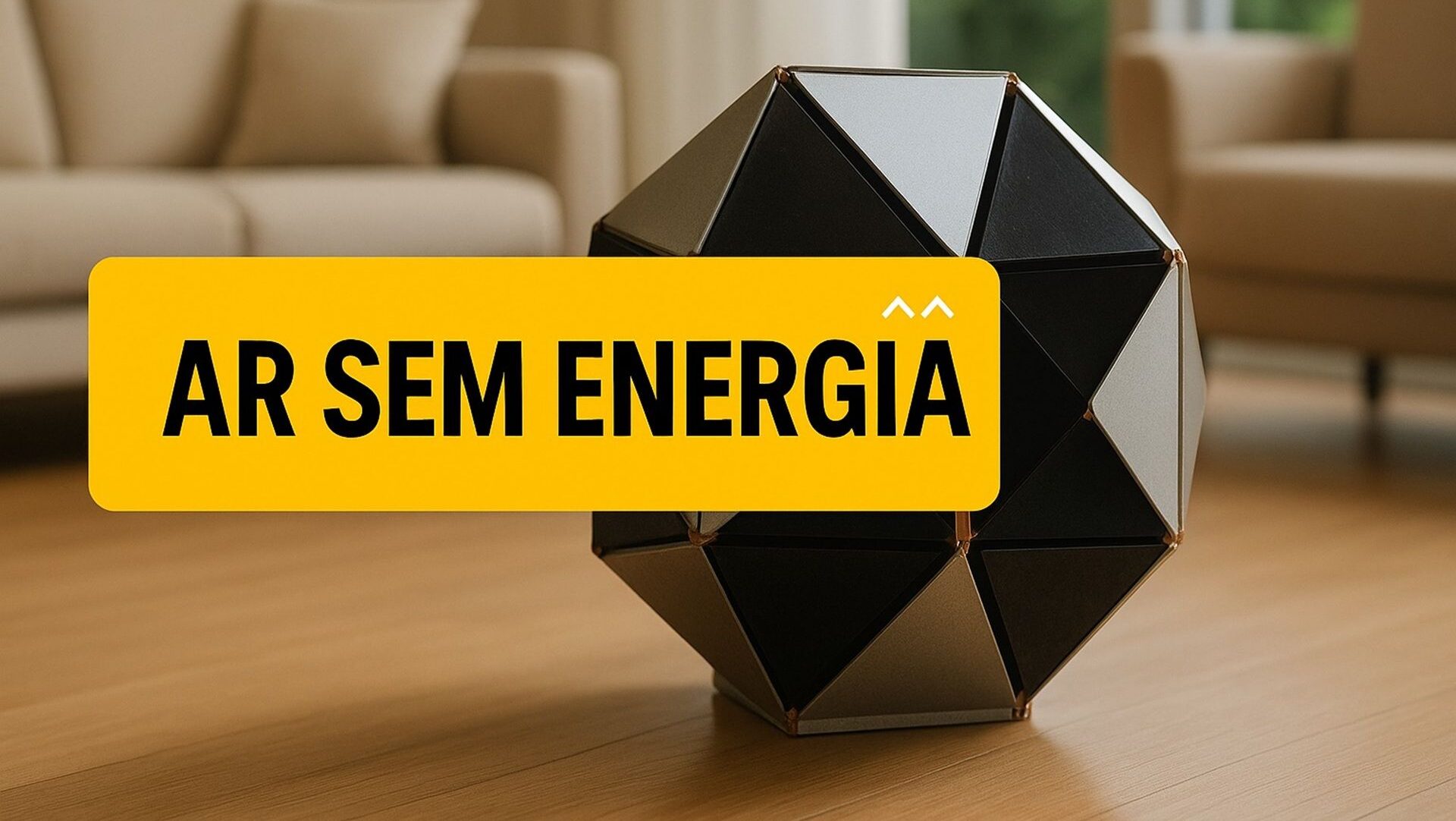
An International Team Presented In 2025 A 3D Device Capable Of Heating And Cooling Without Electricity, Functioning Between 8 And 32 Degrees In Outdoor Tests And Indicating Potential To Reduce Energy Expenses Reaching 70 Percent
An international team presented in 2025 a 3D device capable of heating and cooling without electricity, functioning between 8 and 32 degrees in outdoor tests and indicating potential to reduce energy expenses reaching 70 percent.
The equipment uses a shape memory alloy that reacts automatically to thermal variations, alternating between heating and cooling without wires, motors, or sensors, following traditional architectural principles and smart materials with thermal memory.
The project’s foundations come from observations present in ancient structures, such as Hanok houses and Asian tea houses, which used eaves adjusted to the solar angle to control the climate throughout the seasons, inspiring the logic applied to the thermal alloy.
-
Scientists use artificial intelligence to create nearly indestructible steel that does not rust and could change the way industrial energy and oil parts are produced.

-
Instead of buying new electric trucks, India is removing the diesel engines from old vehicles and installing electric propulsion for 40% of the price, and this simple idea could be the solution that polluted megacities around the world have been waiting for.

-
Circles in the Sahara plantations: ISS reveals Sharq El Owainat, in Egypt, irrigated by a center pivot with water from the Nubian Sandstone Aquifer, growing between 1998 and 2019, 290 km from the nearest city.

-
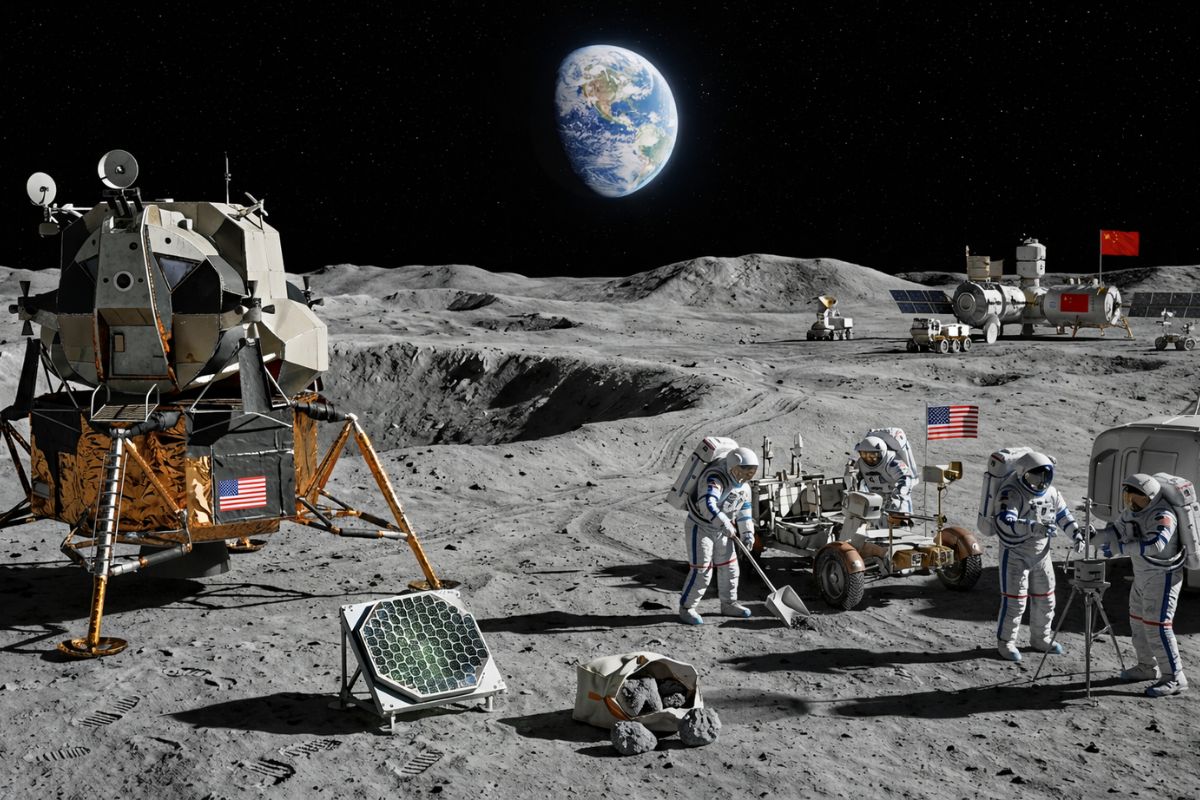
40% still call it a fraud: Soviets monitored Apollo, mirrors on the Moon still return lasers today and rocks confirm it; in 2026, 4 astronauts will return to lunar orbit and the race restarts against China.
The core of the device is formed by a structure that contracts or expands when the temperature changes, opening or closing the module without a plug or battery, allowing the system to be activated completely autonomously according to the environmental condition.
When it remains closed, the device reflects solar radiation and emits medium-wave infrared light, promoting passive cooling without requiring additional energy, maintaining operation only with exposure to the external environment.
When the temperature drops, the structure opens and exposes a black surface that absorbs solar heat, functioning as a thermal collector and allowing direct heating without sensors or motors, repeating the cycle according to the weather.
This bimodal mechanism alternates between heating and cooling without apps or buttons, ensuring self-sufficient operation in line with the goal of reducing energy consumption and emissions in buildings and cities seeking thermal efficiency.
Outdoor Tests
The team led by Professor Kim Bong-hoon at DGIST tested the module under different solar angles and temperatures between 8 and 32 degrees Celsius, demonstrating stable performance in both modes and independence from the geometry of the buildings.
These real tests showed that the device does not require remodeling of buildings, as it can be attached to surfaces, external modules, or future dynamic facades, expanding its applicability without complex structural intervention.
Potential And Urban Use
The advancement occurs in a context where cities seek to reduce the consumption allocated to heating and cooling, which reaches nearly 70 percent of the energy expenses of buildings, making passive solutions even more relevant.
Regulations in several countries encourage electricity-free technologies that improve thermal efficiency, favoring the adoption of modules like this that can integrate with old buildings without deep renovations or sophisticated systems.
The resource can be applied in rooftops, modular facades, and urban furniture exposed to the sun, in addition to possible combinations with photovoltaic coatings or phase change materials, expanding the range of thermal control.
Its energy independence allows use in rural areas, old buildings, and densely populated regions with overloaded networks, operating only with basic physical principles related to light and natural solar heat.
If it advances to commercial applications, the device could become an essential part of passive climate control for future buildings, reducing environmental impacts without altering comfort and creating viable alternatives for energy efficiency.
The authors, including Ho Jun Jin et al., describe the study published in the journal Advanced Materials in 2025 under DOI 10.1002/adma.202507682, reinforcing its experimental nature but with potential for growth in the sector.









-

Uma pessoa reagiu a isso.