





 Portuguese
  English
  Spanish
  3 min of reading
  0 comments



Far From Being a Sign of Sleep, the Act of Yawning When Seeing Another Person Do the Same Is a Reflection Related to Empathy and a Special Type of Neuron in Our Brain.
It’s almost impossible to resist: just seeing someone yawn makes you want to do the same. The contagious yawn is a common and intriguing phenomenon that science has been trying to explain. The main theory, however, dismisses the idea that it is a sign of sleep or boredom.
According to an article published in Scientific American, the answer to this reflex is linked to our ability to create social connections. The contagious yawn is actually a primitive and unconscious demonstration of empathy, a mechanism we share even with other animals.
What Is a Contagious Yawn? A Social Reflex, Not a Sign of Sleep
While the spontaneous yawn can indeed be associated with fatigue, the contagious one has a different origin. It is a psychomotor reflex, an involuntary action triggered by seeing, hearing, or even reading about a yawn.
-
These living root bridges and ladders are over 700 years old and help indigenous people survive in one of the rainiest regions in the world.

-
From sertanejo star to international investor: Ana Castela invests millions in a mansion in the USA, creates a themed accommodation in Orlando, and shows that the “boiadeira” also wants to grow away from the stage.

-
The 10 most stunning motorhomes in the world: a $3 million trailer with a rooftop nightclub and garage for a Ferrari, “palaces on wheels” with Italian marble, private cinema, and five-star hotel luxury for billionaires.

-
Trump wanted to spend $400 million on the White House, but the courts prohibited the million-dollar construction.


Studies show that not everyone is susceptible. About 60% to 70% of the population “catches” another person’s yawn. The phenomenon is also less common in children under 4 years old and in the elderly, reinforcing the idea that it is linked to the development of our social skills.
The Main Theory: Empathy and Mirror Neurons
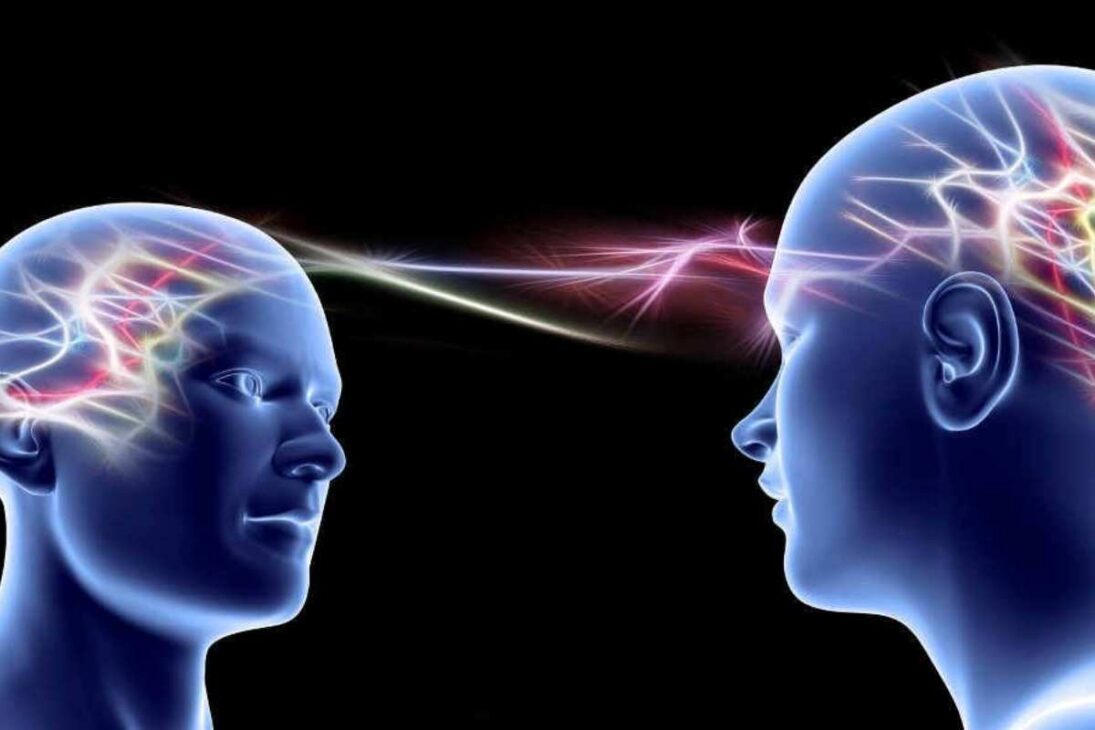
The most accepted scientific explanation for the contagious yawn involves a fascinating group of brain cells: mirror neurons. Discovered in the early 1990s by a team of researchers in Italy, led by Giacomo Rizzolatti, these neurons are the basis of imitation and empathy.
They fire both when we perform an action and when we see someone else performing the same action. When observing a yawn, this network of neurons in our brain is activated and sends a command for our muscles to execute the same movement, completely involuntarily.
The Evidence of Empathy: Studies Connecting Yawning to Social Bonds
Several studies reinforce the link between the contagious yawn and empathy. According to a 2013 study from the University of Pisa, published in PLOS ONE, the “contagion rate” is much higher among people with stronger emotional bonds. We yawn more easily when seeing a relative or friend yawn than a stranger.
Similarly, studies show that individuals on the autism spectrum or with traits of psychopathy, conditions that can affect empathy, tend to be less susceptible to the contagious yawn.
An Alternative Theory: Yawning as an “Air Conditioner” for the Brain

Another theory, proposed by psychologist Andrew Gallup around 2007, suggests that the primary function of yawning is to cool the brain. The act of stretching the jaw and inhaling cool air would help optimize our state of alertness.
In this logic, contagion would have evolved as a mechanism to synchronize the attention of a group. If an individual yawns to become more alert, it is advantageous for the rest of the group to do the same, increasing collective vigilance against threats.
It’s Not Just with People: Contagious Yawning in the Animal Kingdom
The phenomenon is not exclusive to humans, which reinforces its biological basis. The contagious yawn has been scientifically documented in various species of social animals, such as:
- Chimpanzees (2009 study)
- Dogs, which react to their owners (2012 study)
- Wolves (2014 study)
- Even in rats (2017 study)
This occurrence in other animals suggests that the mechanism is ancient and serves a fundamental purpose for group living, likely related to empathy and behavior synchronization.








Seja o primeiro a reagir!