





 Portuguese
  English
  Spanish
  3 min of reading
  1 comment


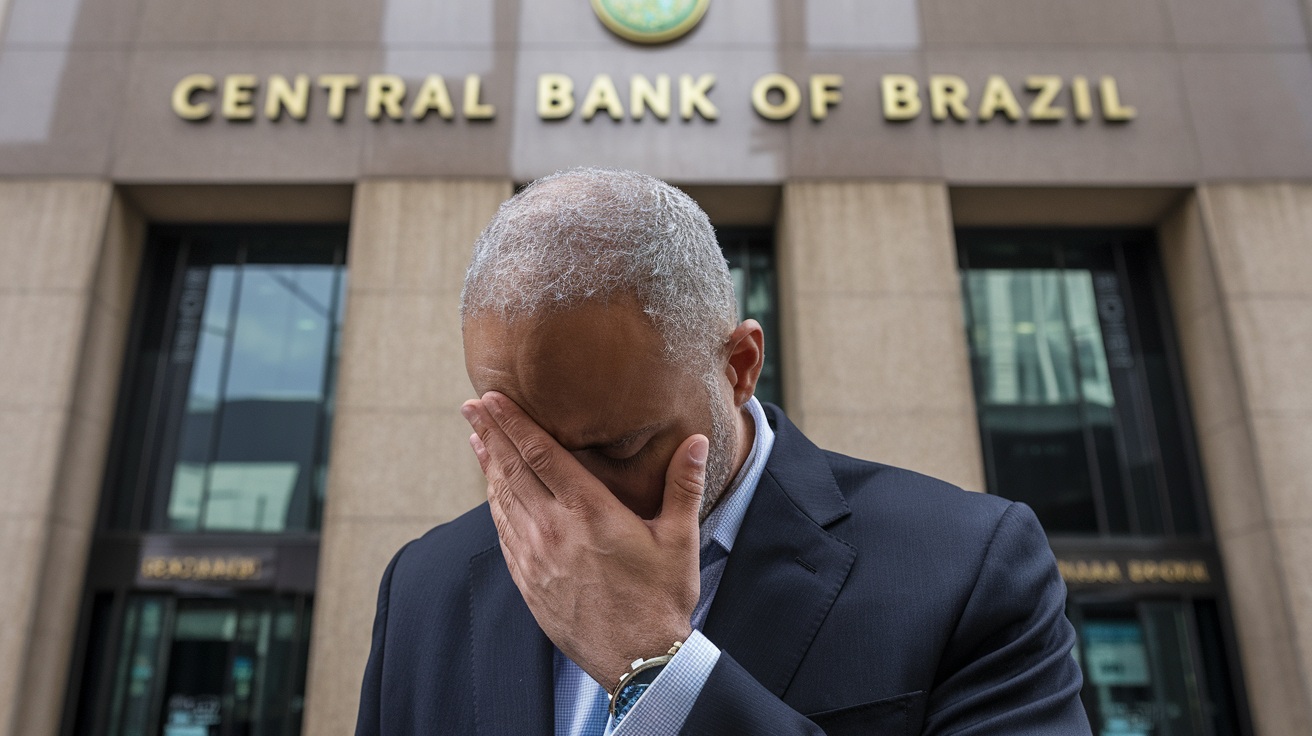


What To Expect From The Brazilian Economy In A Year Full Of Uncertainties
With the arrival of 2025, the Brazilian economy enters a crucial year. The pre-election period brings significant challenges, including increased public spending and the need for structural reforms. As the country seeks to stabilize its finances, projections indicate a scenario filled with uncertainties.
The Risks Of The Pre-Election Year
Historically, pre-election years are marked by an increase in public spending, often aimed at garnering political support. In 2025, it is expected that the government will maintain this tradition, which may exacerbate the fiscal deficit and intensify inflation.

Furthermore, the lack of investor confidence in Brazil continues to be a problem. With the fiscal deficit reaching alarming levels in 2024, experts warn about the impact of the crisis of confidence in the market, which may hinder the attraction of new investments and further jeopardize economic stability.
-
A new Brazilian shopping center worth R$ 400 million will be built in an area equivalent to more than 4 football fields, featuring 90 stores, 5 cinemas, a supermarket, a college, and parking for 1,700 cars, potentially generating 3,000 jobs.

-
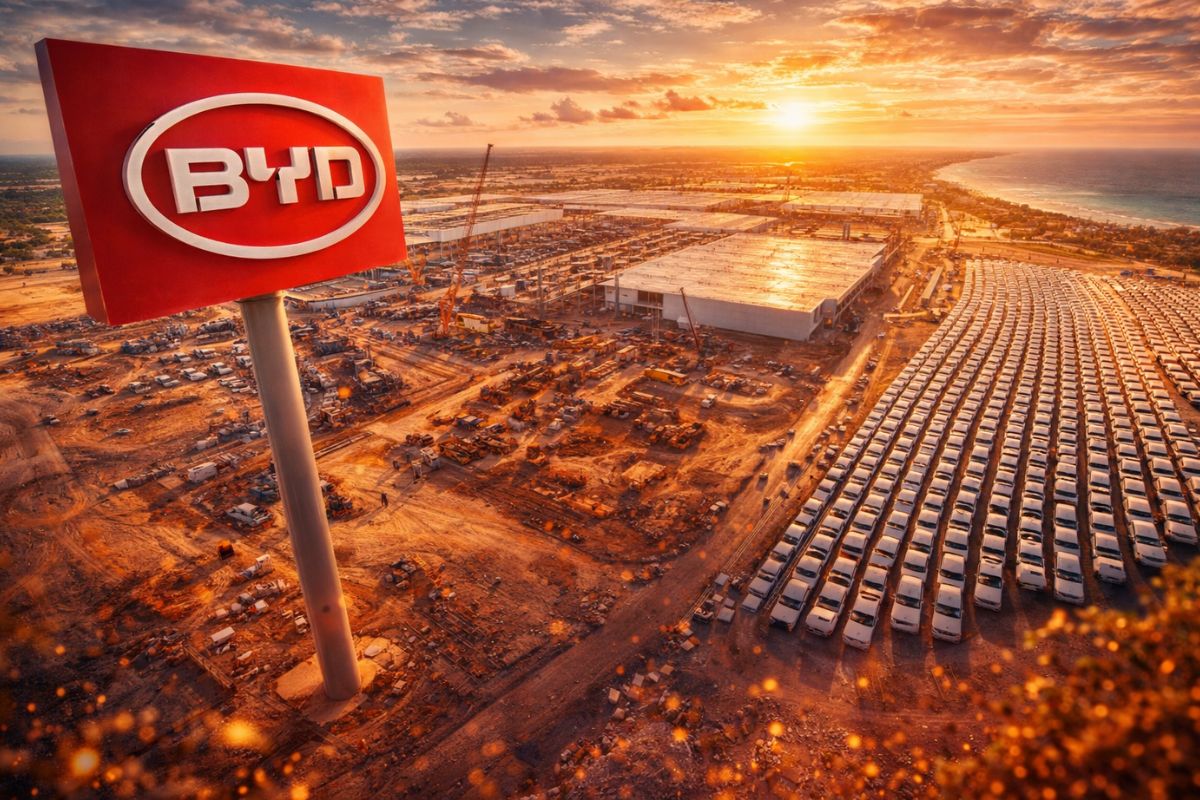
Larger than entire cities in Brazil: BYD is building a 4.6 km² complex in Bahia with a capacity for 600,000 vehicles per year, but the discovery of 163 workers in conditions analogous to slavery has shaken the entire project.
-
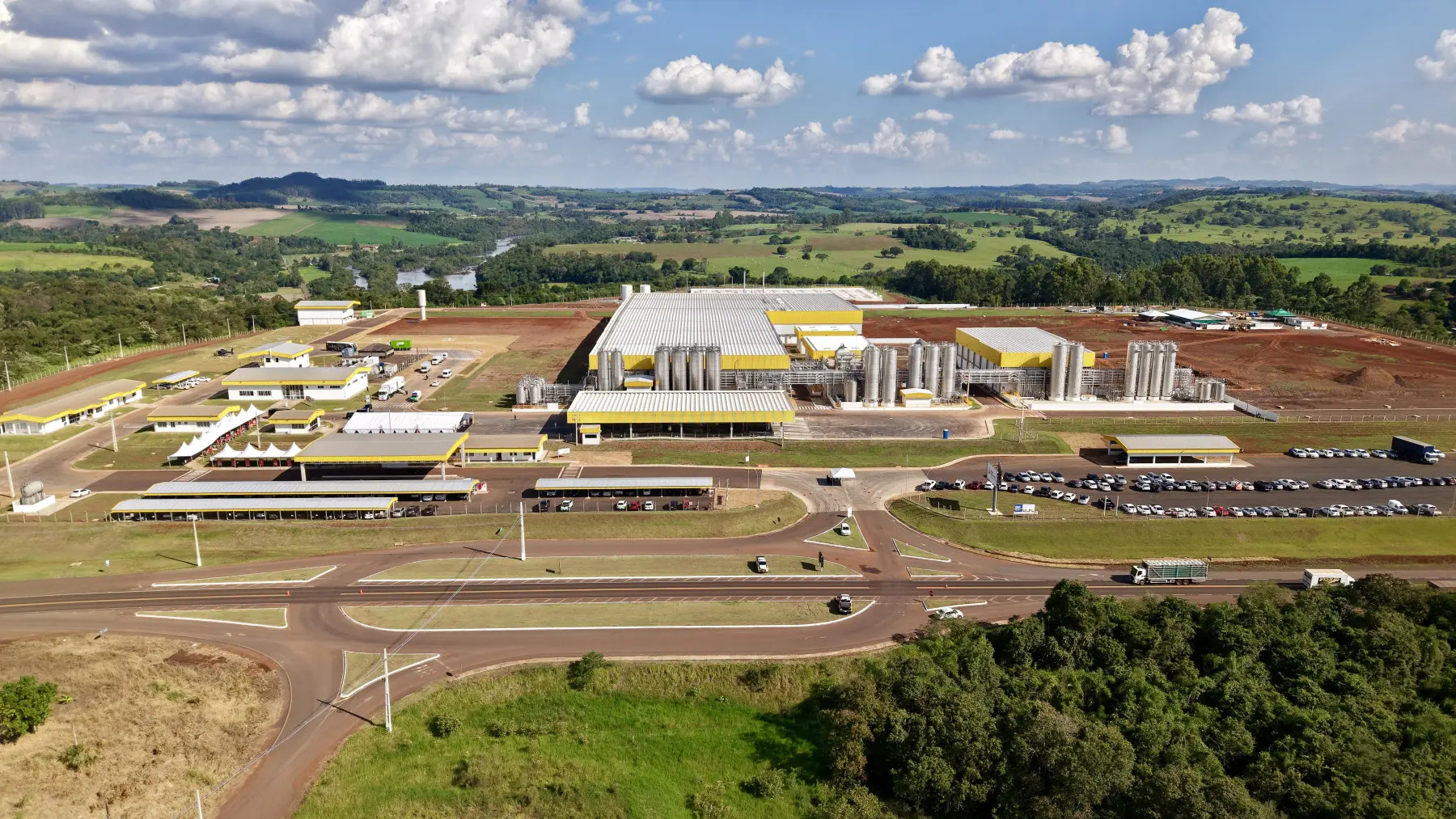
With an investment of R$ 612 million, a capacity to process 1.2 million liters of milk per day, Piracanjuba inaugurates a mega cheese factory that increases national production, reduces dependence on imports, and repositions Brazil on the global dairy map.
-
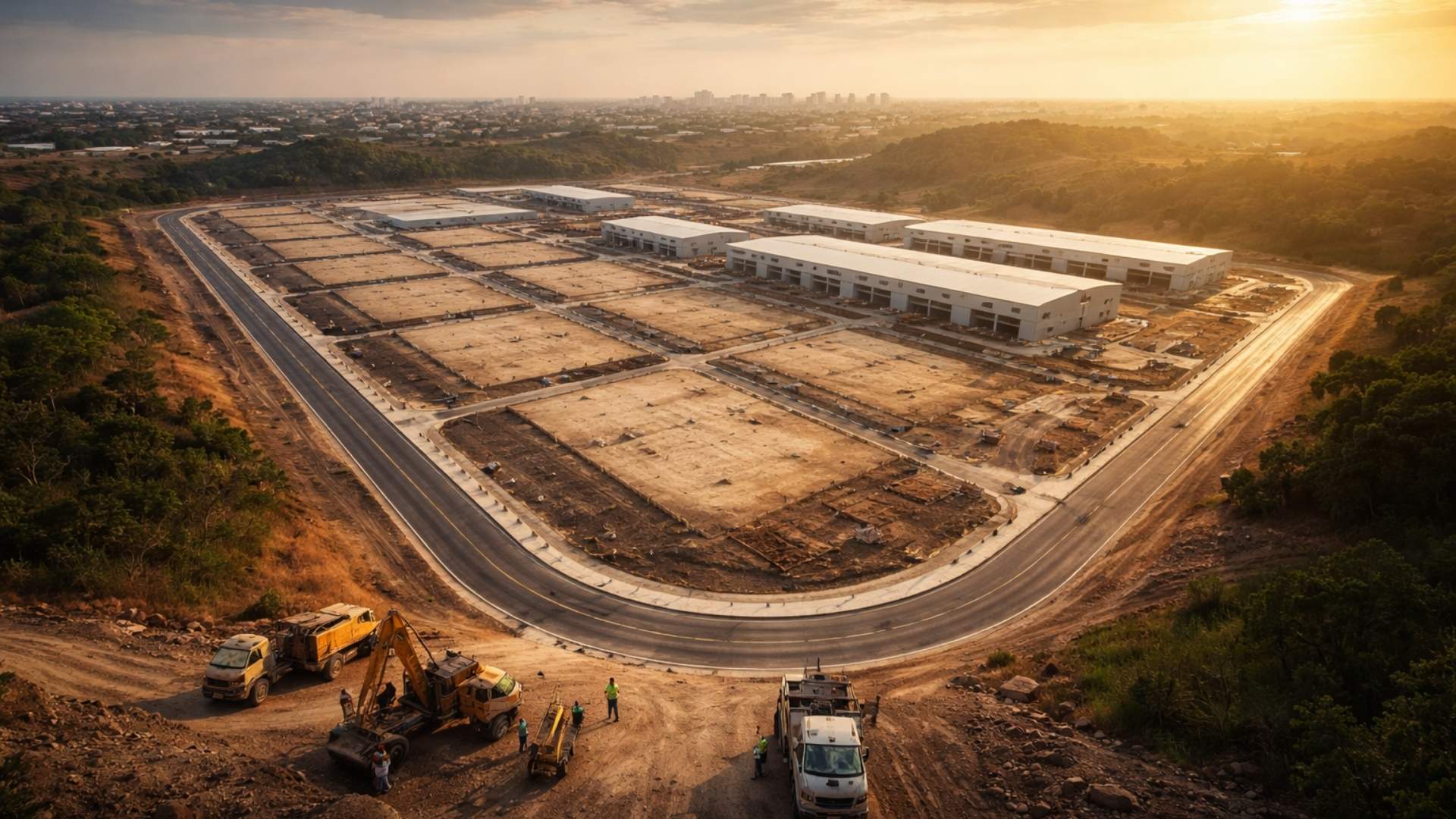
Brazilian city gains industrial hub for 85 companies that is equivalent to 55 football fields.
Inflation And Devaluation Of The Real
Inflation, which has been rising in recent years, is expected to gain momentum in 2025. This occurs due to the combination of excessive spending and uncontrolled fiscal policies. Additionally, the devaluation of the Real continues to pressure import costs, which directly impacts the prices of essential goods, such as fuels and food.
Tax Reform: A Possible Solution?
One of the most anticipated measures for 2025 is the tax reform, seen as essential for improving the business environment and stimulating economic growth. However, with the polarized political scenario, the approval of significant reforms may face resistance in Congress.
The reform is also crucial for reducing the tax burden, which has negatively impacted businesses and consumers. If advanced, it could represent relief for the economy, increasing investor confidence and attracting new resources to the country.
Investments And Growth
The recovery of the Brazilian economy in 2025 will depend on the government’s ability to create an environment conducive to investments. In addition to the tax reform, measures such as controlling public spending and strengthening the Central Bank are essential to restore market confidence.
Foreign investors, who have stayed away due to fiscal imbalances and political instability, may return if they see signs of commitment to economic stability. On the other hand, the lack of concrete actions may lead to an exacerbation of the crisis, with severe impacts on the population and productive sectors.
Outlook For The Future
Although the scenario for 2025 is challenging, it also represents an opportunity for Brazil to correct its course. Measures such as reviewing public spending, promoting sustainable investments, and seeking structural reforms could set the economy on a path to recovery.
However, the success of these measures will depend on the government’s commitment to prioritizing long-term economic well-being, rather than focusing only on short-term political gains. The population will also need to prepare for the challenges ahead, avoiding new debts and seeking alternatives to cope with inflation.
2025 will be a crucial year for the Brazilian economy, marked by challenges and opportunities. The government’s ability to implement reforms and restore market confidence will determine the country’s economic future. The question remains: Will we be ready to meet the challenges and build a more sustainable path?







Sempre o mesmo bla, bla, bla …, parecendo a musica do Lobão