






 Portuguese
  Spanish
  3 min of reading
  1 comment




What To Expect From The Brazilian Economy In A Year Full Of Uncertainties
With the arrival of 2025, the Brazilian economy enters a crucial year. The pre-election period brings significant challenges, including increased public spending and the need for structural reforms. As the country seeks to stabilize its finances, projections indicate a scenario filled with uncertainties.
The Risks Of The Pre-Election Year
Historically, pre-election years are marked by an increase in public spending, often aimed at garnering political support. In 2025, it is expected that the government will maintain this tradition, which may exacerbate the fiscal deficit and intensify inflation.

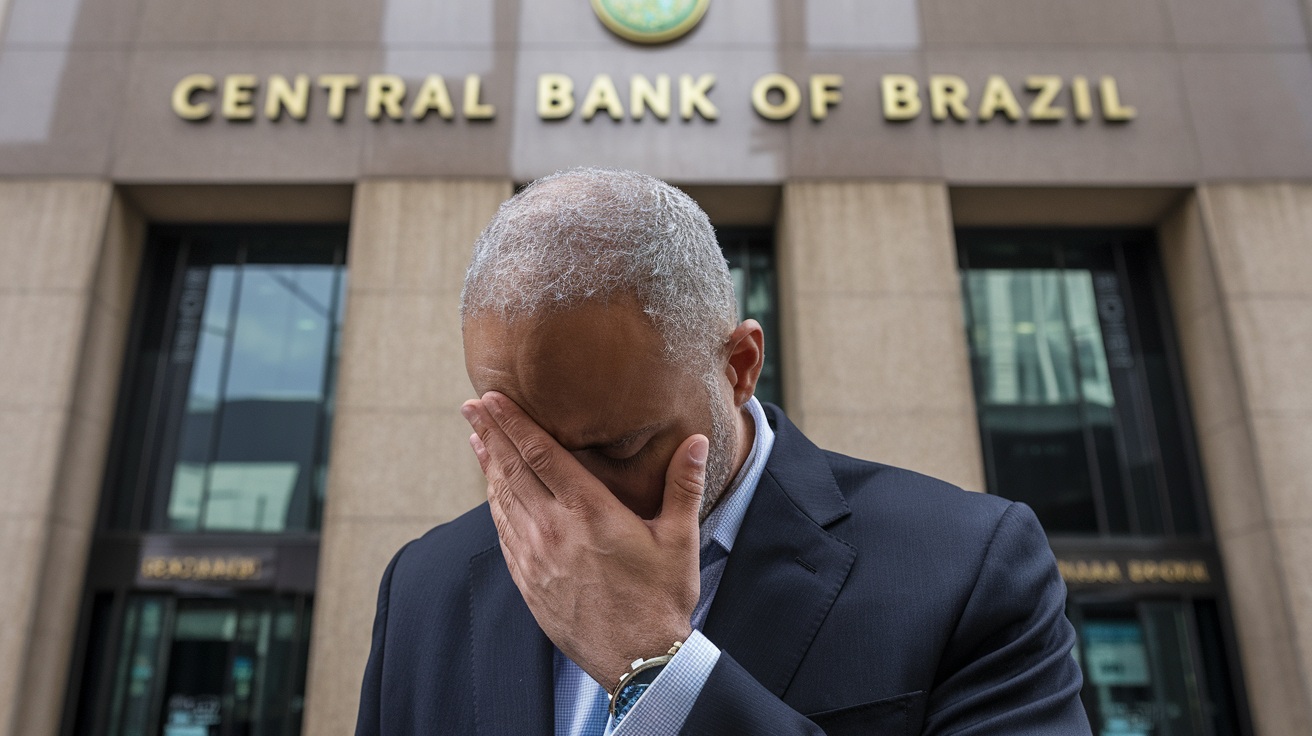
Furthermore, the lack of investor confidence in Brazil continues to be a problem. With the fiscal deficit reaching alarming levels in 2024, experts warn about the impact of the crisis of confidence in the market, which may hinder the attraction of new investments and further jeopardize economic stability.
-
Brazilian Joins Homeownership Consortium, Faces Decade of Dual Payments Totaling $141,000, Surpassing Traditional Mortgage

-
Land Rover to Halt Production in July, Putting 371 Jobs at Risk, as Chinese Automaker Negotiates to Convert Factory to 100,000 Vehicles Annually by 2027

-
Mexican Pest Threatens U.S. Cattle Herds at Historic Lows, Potentially Boosting Brazilian Beef Exports as Burger Prices Soar

-
Brazilian Freight Bill Progresses in Congress with $5,000 Minimum Wage, 70% Advance Payment, and Fines Up to $1 Million, as Agriculture and Industry Warn of Rising Costs and Legal Uncertainty


Inflation And Devaluation Of The Real
Inflation, which has been rising in recent years, is expected to gain momentum in 2025. This occurs due to the combination of excessive spending and uncontrolled fiscal policies. Additionally, the devaluation of the Real continues to pressure import costs, which directly impacts the prices of essential goods, such as fuels and food.
Tax Reform: A Possible Solution?
One of the most anticipated measures for 2025 is the tax reform, seen as essential for improving the business environment and stimulating economic growth. However, with the polarized political scenario, the approval of significant reforms may face resistance in Congress.
The reform is also crucial for reducing the tax burden, which has negatively impacted businesses and consumers. If advanced, it could represent relief for the economy, increasing investor confidence and attracting new resources to the country.
Investments And Growth
The recovery of the Brazilian economy in 2025 will depend on the government’s ability to create an environment conducive to investments. In addition to the tax reform, measures such as controlling public spending and strengthening the Central Bank are essential to restore market confidence.
Foreign investors, who have stayed away due to fiscal imbalances and political instability, may return if they see signs of commitment to economic stability. On the other hand, the lack of concrete actions may lead to an exacerbation of the crisis, with severe impacts on the population and productive sectors.
Outlook For The Future
Although the scenario for 2025 is challenging, it also represents an opportunity for Brazil to correct its course. Measures such as reviewing public spending, promoting sustainable investments, and seeking structural reforms could set the economy on a path to recovery.
However, the success of these measures will depend on the government’s commitment to prioritizing long-term economic well-being, rather than focusing only on short-term political gains. The population will also need to prepare for the challenges ahead, avoiding new debts and seeking alternatives to cope with inflation.
2025 will be a crucial year for the Brazilian economy, marked by challenges and opportunities. The government’s ability to implement reforms and restore market confidence will determine the country’s economic future. The question remains: Will we be ready to meet the challenges and build a more sustainable path?


Sempre o mesmo bla, bla, bla …, parecendo a musica do Lobão