





 Portuguese
  English
  Spanish
  2 min of reading
  0 comments


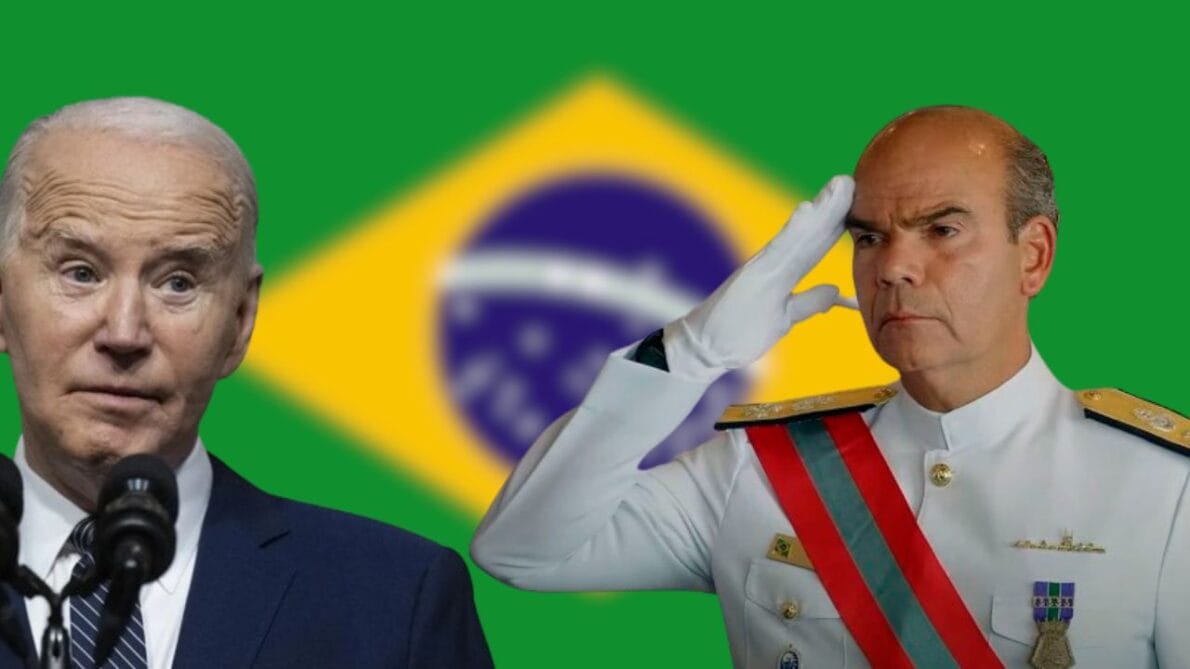
Brazil Took an Audacious Step by Sending Admiral Marcos Sampaio Olsen to the United States. The Aim is to Participate in the Meetings of the Continental Shelf Limits Commission in New York to Claim the Expansion of Brazilian Territory.
The area in question, the Rio Grande Rise, is a submerged region in the South Atlantic, rich in rare minerals such as cobalt, nickel, and platinum, essential for modern technologies, such as batteries and solar panels. Currently, Brazil can only explore this area for scientific purposes. International recognition would allow for commercial exploration, bringing billions of reais to the Brazilian economy.
This claim comes at a time of increasing investment by Brazil in military technology for air defense. Recently, the Brazilian Navy acquired a state-of-the-art radar capable of monitoring vessels up to 370 km from the coast, surpassing the limitations of conventional radars. This radar, named OTH 0100, places Brazil among the select group of countries with advanced ocean monitoring technology, alongside China, Russia, and the United States.
The Maritime Region of Brazil in the Atlantic Has Seen Tensions in the Past


From 1961 to 1963, Brazil and France nearly went to war in what became known as the Lobster War, due to the illegal capture of lobsters by French vessels off the northeast coast of Brazil. Although the conflict was resolved peacefully, it was crucial for the definition of Brazilian maritime borders.
-
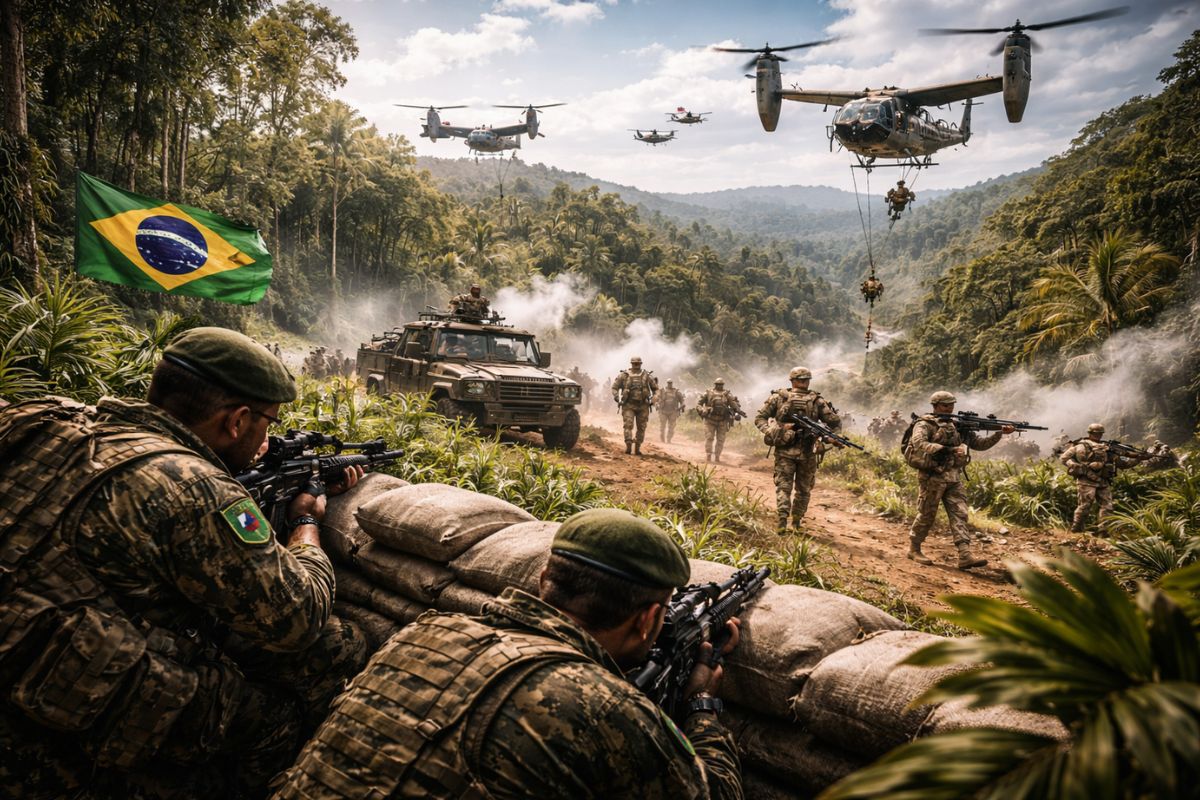
If the USA were to go to war with Brazil, Washington’s greatest fear would not be the attack itself, but facing a vast territory, prolonged resistance, and a costly, chaotic, and unpredictable occupation.
-
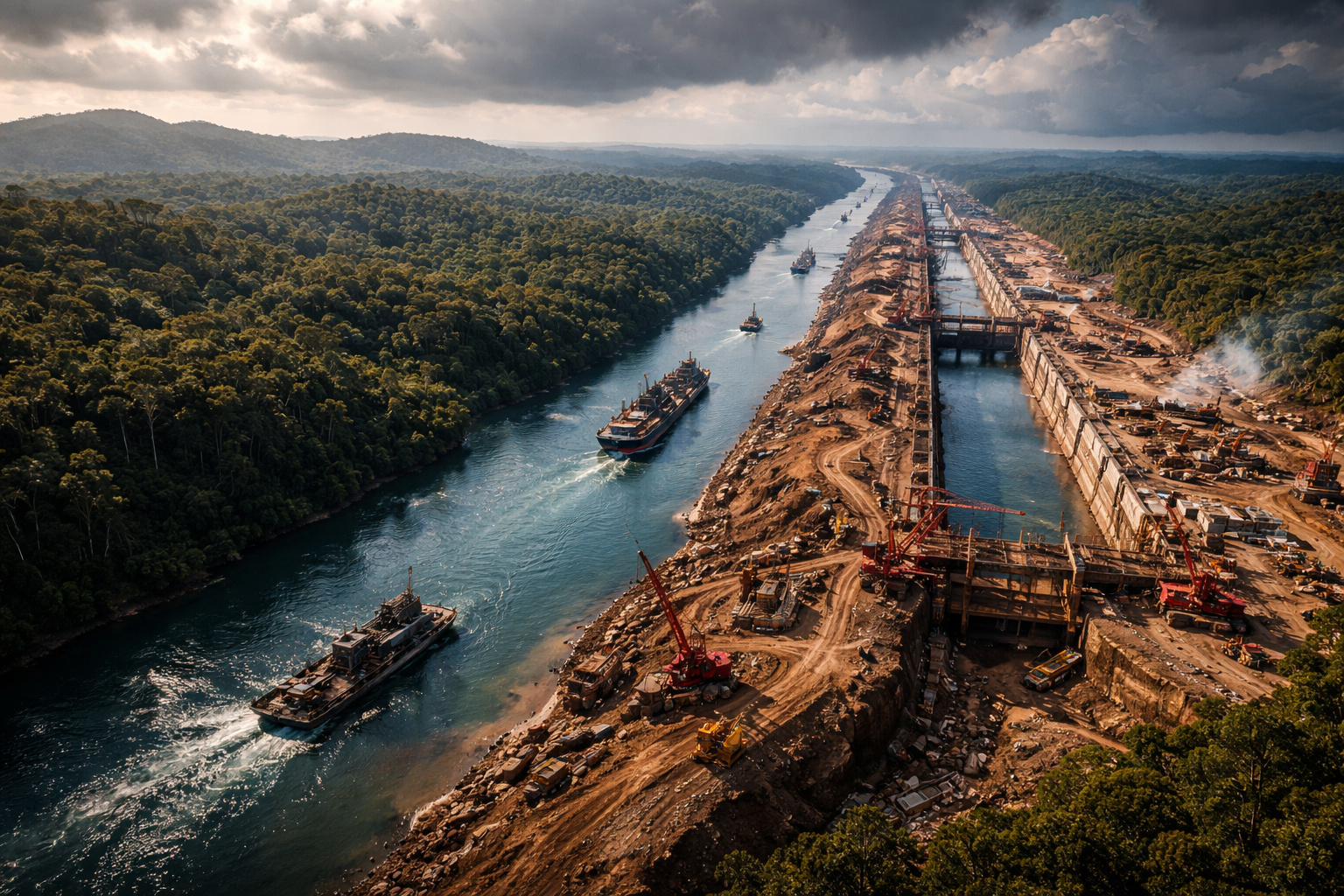
In 2013, Nicaragua sold the concession for a canal to rival Panama to a Chinese billionaire who lost 85% of his fortune, disappeared, and was declared bankrupt. Now the project resurfaces with a new route, a new Chinese partner, and a cost of $64.5 billion.
-
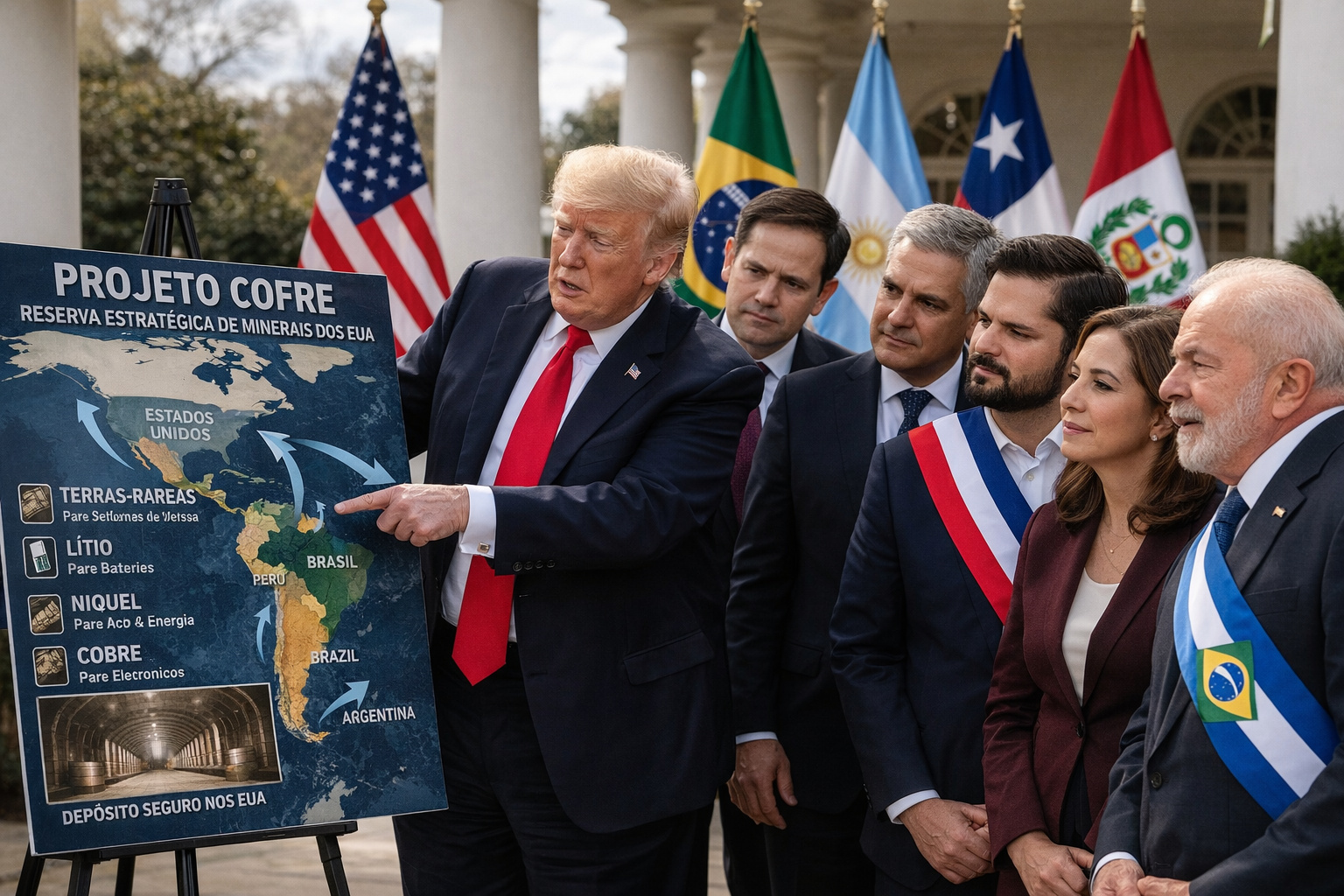
The USA announces a mysterious billion-dollar vault project to store critical minerals, but what intrigues experts is not just the plan itself, but why Latin America, including Brazil, has entered the center of this global dispute against China.
-
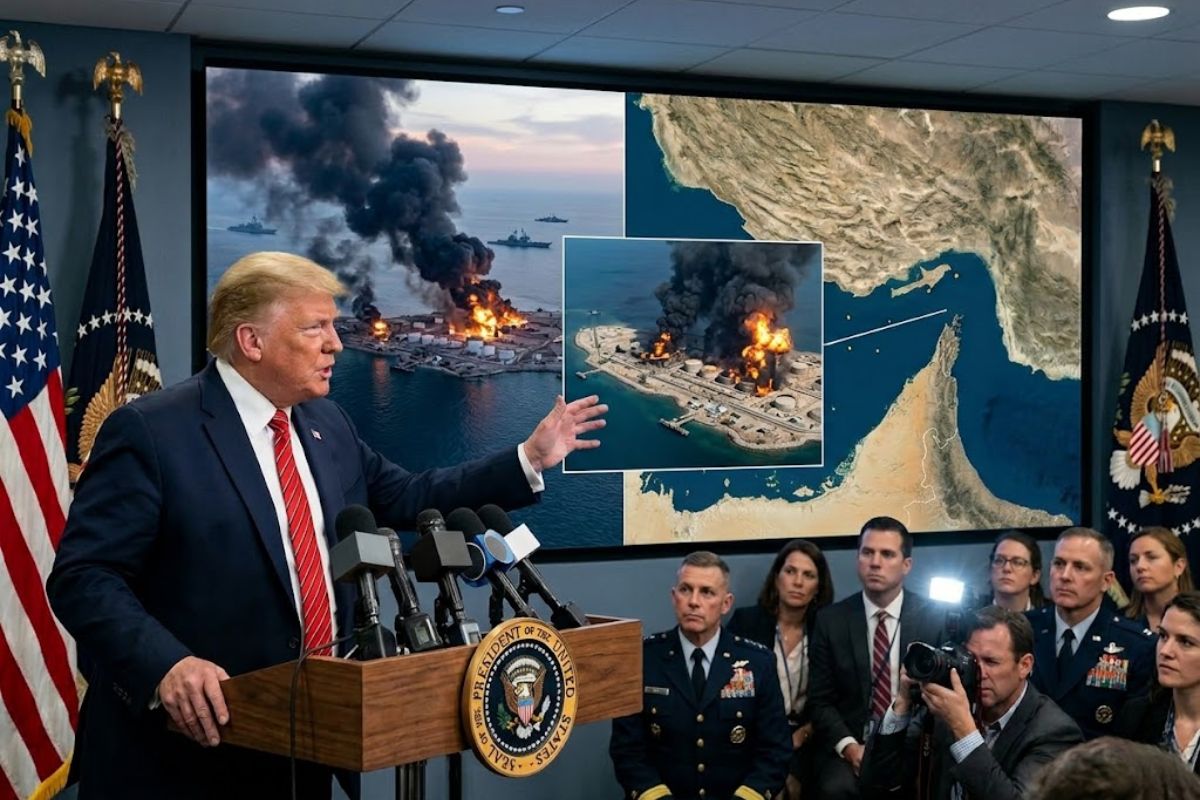
Trump Announces Bombing of U.S. Military Targets on Iranian Island Responsible for About 90% of Iran’s Oil Exports, Warns of Further Attacks if Navigation in Strategic Strait of Hormuz Is Threatened

As Brazil seeks to expand its continental shelf, major powers like France, which already has a history of conflicts with Brazil, may oppose this expansion. The expansion of Brazilian territory is viewed with concern by nations that fear losing market and influence in the region.
The Continental Shelf Limits Commission Has Already Approved Brazil’s Claim for the Southern Region
It is now analyzing the proposal for the Equatorial Margin, with a decision expected later this year. Following that, the claim for the Eastern Margin, where the Rio Grande Rise is located, will be assessed.
Brazil’s initiative to claim the expansion of its continental territory not only aims to increase its area rich in natural resources but also to strengthen its sovereignty and national security. This geopolitical maneuver demonstrates Brazil’s growing influence on the international stage and its determination to protect and sustainably exploit its natural resources in a strategic manner.




Seja o primeiro a reagir!