





 Portuguese
  English
  Spanish
  4 min of reading
  0 comments


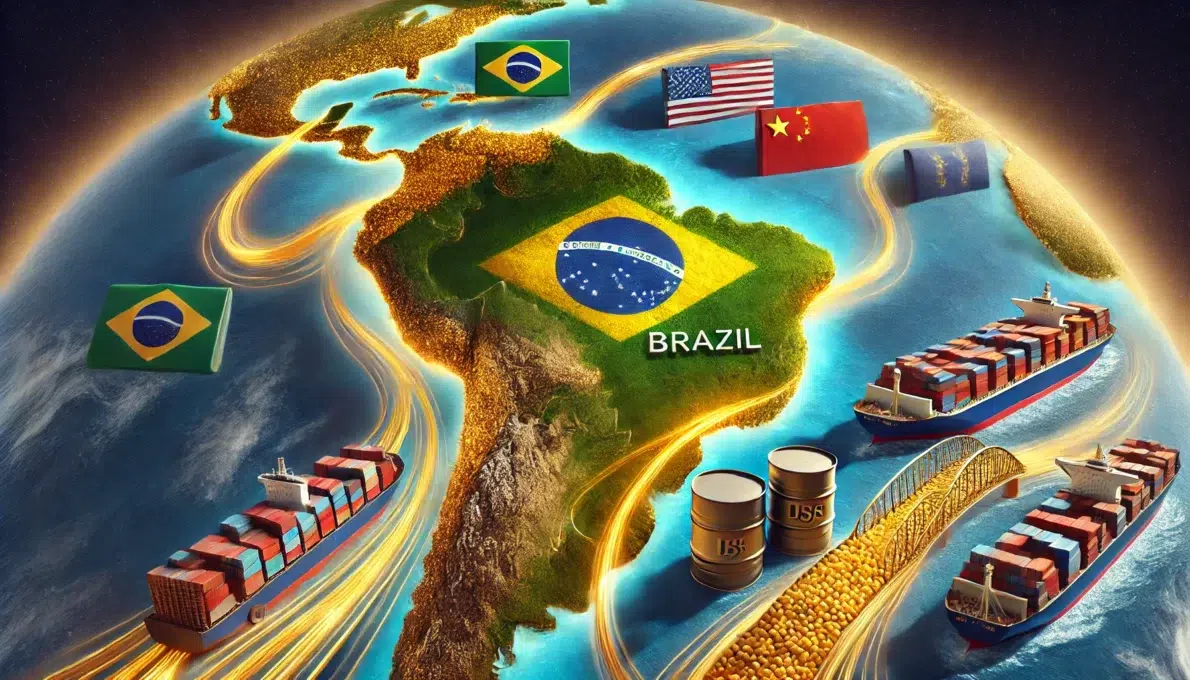
Explore How Brazil’s Dependence on Commodities Positions It as an Extractivist Colony of Major Economic Powers such as China, the US, and the European Union, and Discover Strategies for Diversification and Economic Strengthening.
Brazil, one of the largest countries in the world in terms of territory and natural resources, faces a historical dilemma: the dependence on its commodity exports to sustain its economy. This deeply rooted trade pattern positions Brazil as a type of “extractivist colony” for major economic powers like China, the US, and the European Union. In this article, we will explore the reasons behind this dependence, the economic and social impacts, and possible solutions for Brazil to break this cycle.
WHY IS BRAZIL NOT MOVING FORWARD? – ANDRÉ RONCAGLIA


The Dependence on Trade with China
Exports and Imports
China is Brazil’s main trading partner. In 2023, Brazilian exports to China accounted for 31.28% of the country’s total exports. Among the main exported products are soybeans, iron ore, oil, and meats (Services and Information from Brazil) . On the other hand, Brazil imports a wide range of products from China, including electronics, machinery, equipment, and chemicals.
Economic Impacts
This trade relationship brings advantages and disadvantages. On one hand, Chinese demand for Brazilian commodities helps sustain Brazil’s trade balance. On the other hand, this dependence limits the development of higher value-added sectors in the Brazilian economy. The concentration on commodities subjects Brazil to fluctuations in international prices, which can lead to economic crises.
-
Mothers and daughters come together, create an ‘express’ beauty salon and turn the idea into a network with 21 units, revenue of R$ 16.7 million and 12,000 subscribers.

-
End of the 6×1 schedule: how the reduction of hours can affect service companies, industry, and agribusiness.
-
Brazil Ignores Trump’s threats to BRICS, Buys 42 tons of gold and reduces the Dollar’s share by 6.45% in international reserves.
-
Havan buys historic football land in Blumenau for a million-dollar amount protected by a confidentiality clause and is already planning to change even the layout of streets to build a megastore in half-timbered style costing 80 million reais.


Challenges and Opportunities
To reduce dependence on China, Brazil needs to diversify its exports and invest in innovation and technology. Partnerships with other countries and economic blocs can open new markets and reduce economic vulnerability.
Trade Relations with the US
Main Products and Partnerships
The United States is another crucial trading partner for Brazil. Brazilian exports to the US include oil, manufactured goods, and agricultural products like coffee and orange juice. US imports to Brazil include fuels, machinery, equipment, and chemicals.
Impacts on the Brazilian Economy
The relationship with the US has been beneficial in many aspects, but it also presents challenges. The competitiveness of American manufactured products can hinder the growth of the Brazilian industry. Additionally, US trade policy can be unpredictable, negatively affecting Brazilian exports during times of diplomatic tensions.
Strategies to Strengthen the National Industry
Investing in education and technological training is essential for Brazil to compete equally with the US. Promoting sectors such as information technology and biotechnology can increase Brazil’s competitiveness and reduce dependence on low value-added exports (Services and Information from Brazil)
Trade Partnerships with the European Union
Exported and Imported Products
The European Union is one of the largest markets for Brazilian products, especially soybeans, coffee, iron ore, and beef. Imports from the European Union to Brazil include chemicals, automobiles, machinery, and equipment.
Benefits and Limitations
The trade relationship with the European Union offers access to a diverse and demanding market. However, tariff and non-tariff barriers imposed by the European Union can limit Brazilian exports. Additionally, dependence on commodities exported to the European Union reflects the same vulnerability observed in trade relations with China and the US.
Potential Actions for Diversification
To overcome these limitations, Brazil should seek to add value to its exported products. Investing in technology and innovation is crucial to compete in European markets with higher value-added products. Additionally, trade agreements that reduce barriers and promote fair trade can benefit both parties.
The Challenge of Economic Diversification
Dependence on Commodities
Dependence on commodities is a double-edged sword for Brazil. While exports of products like soybeans, iron ore, and oil generate significant revenue, this dependence leaves the economy vulnerable to fluctuations in international prices and global crises. Diversifying the export base is essential for long-term economic stability.
Development of High-Value Industries
To break the cycle of commodity dependence, Brazil needs to develop high value-added industries. Sectors such as information technology, biotechnology, and advanced manufacturing can provide products and services with higher market value and less susceptible to price fluctuations.
Energy and Sustainability
Energy Potential
Brazil is a global leader in renewable energy, with significant potential in biofuels, hydropower, solar, and wind energy. Energy independence can reduce dependence on imports and increase the country’s economic and environmental sustainability (Services and Information from Brazil).
Challenges and Opportunities
Investing in infrastructure and technology for the production and distribution of renewable energy can position Brazil as a global leader in the energy sector. Additionally, adopting sustainable practices can attract international investments and promote long-term economic development.
Brazil faces a significant challenge in its journey to break free from the dependence on commodity exports and become a diversified and technologically advanced economy. The trade relationship with China, the US, and the European Union brings advantages and challenges that must be balanced with strategic policies and investments in education, innovation, and infrastructure.
To achieve this goal, Brazil needs a continuous commitment to sustainable development, economic diversification, and the promotion of high value-added sectors. Only then can the country avoid being seen as an extractivist colony and position itself as a global economic powerhouse.







Seja o primeiro a reagir!