





 Portuguese
  English
  Spanish
  3 min of reading
  3 comments


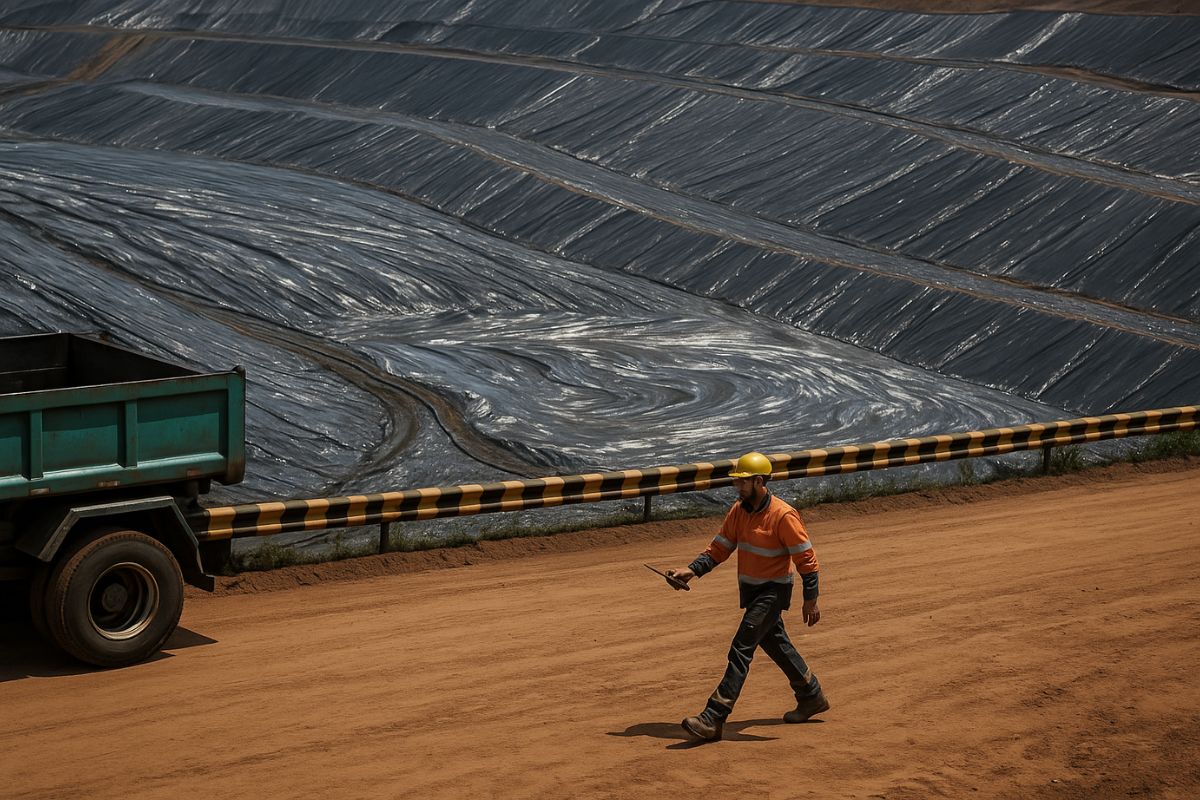

Brazil Holds the World’s Largest Niobium Reserve, a Strategic Metal that Drives Innovations in Critical Sectors. Understand the Potential of This Wealth and the Challenges of Transforming Mineral Dominance into Technological Leadership.
Did you know that Brazil is the guardian of the world’s largest niobium reserve? This transition metal, with unique physicochemical properties such as high strength and superconductivity, is a true “technological fortune”, essential for advancements in areas such as infrastructure, energy, health, and electronics. With about 89% of the global reserves, the country has a unique opportunity.
However, possessing the world’s largest niobium reserve in Brazil is just the beginning. The challenge is to transform this abundance into sustainable technological and economic development, adding value and consolidating national leadership in the production chain of this metal of the future.
Niobium: The Strategic Metal that Brazil Has in Abundance and Its Global Importance

Niobium (Nb) is a soft, ductile transition metal with remarkable corrosion resistance. Its most impressive properties include a high melting point (2477 °C) and the ability to exhibit superconductivity at low temperatures. These characteristics give niobium unique versatility, allowing it to act as a crucial additive, transforming and optimizing other materials, especially steel.
-
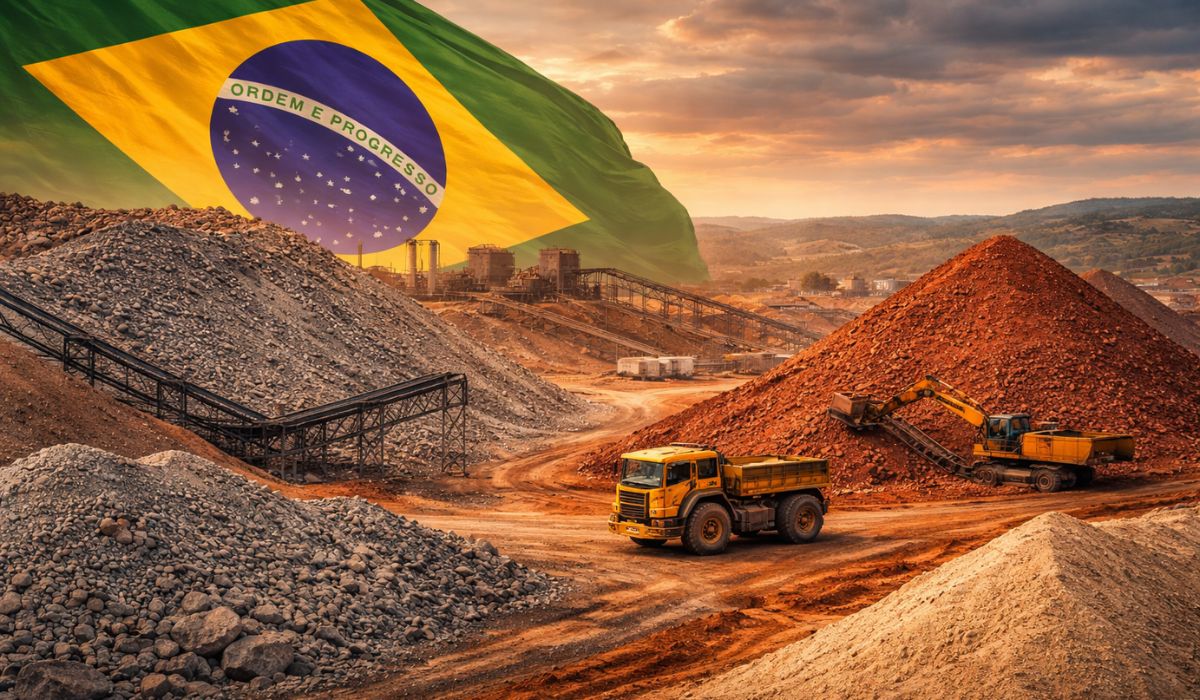
Brazil extracts 26.3 million tons of ore from what was previously treated as waste, transforming residues into wealth, producing over 3 million tons of sand, and demonstrating how national mining is relearning to generate value.
-
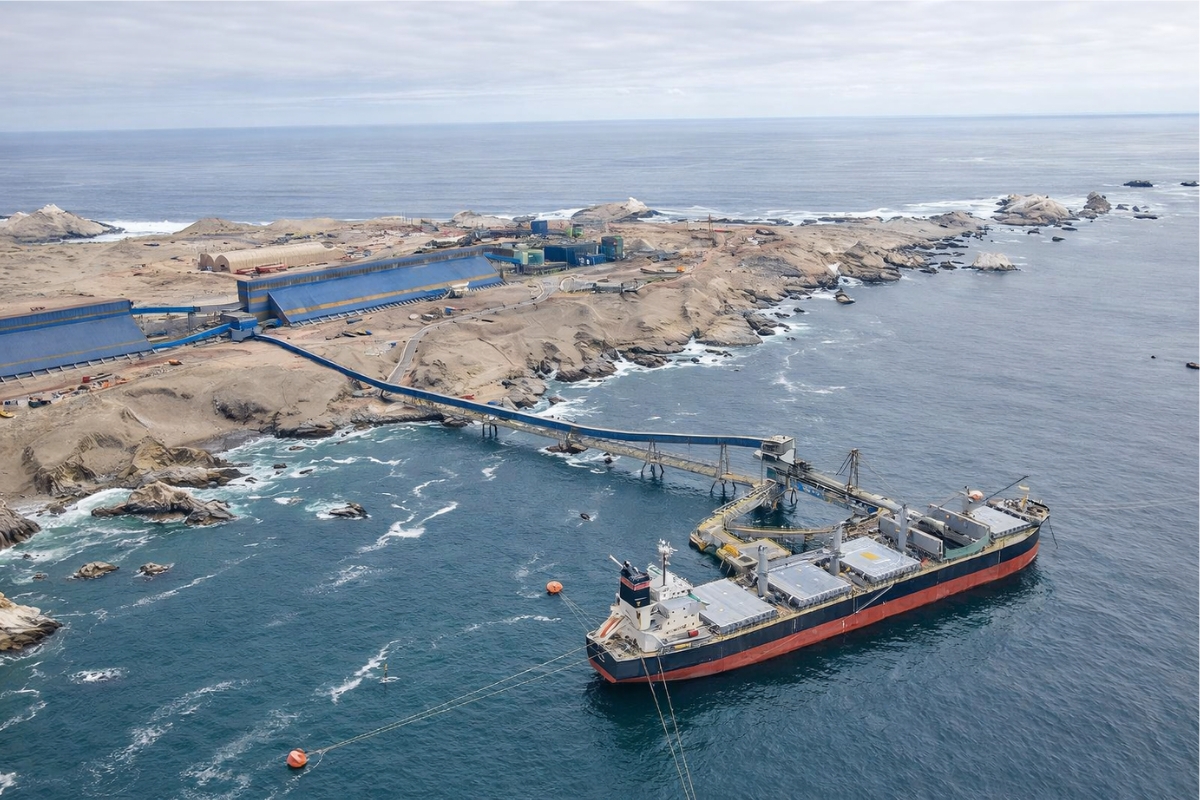
A $3.5 billion megaproject in Latin America pumps desalinated seawater at 1,050 liters per second over 194 km to keep a copper supermine in the Andes operational for another 20 years.
-
A hidden mine in the Andes valued at nearly R$ 1 trillion is starting to attract global attention, containing copper, gold, and silver, and raises an intriguing question: why do Argentina and Chile need to act together to exploit this gigantic wealth?
-
A silent discovery in the interior of Bahia could change the future of energy in Brazil: a uranium reserve in Lagoa Real has an estimated capacity to produce 400 tons per year and is already attracting the attention of energy sector specialists.
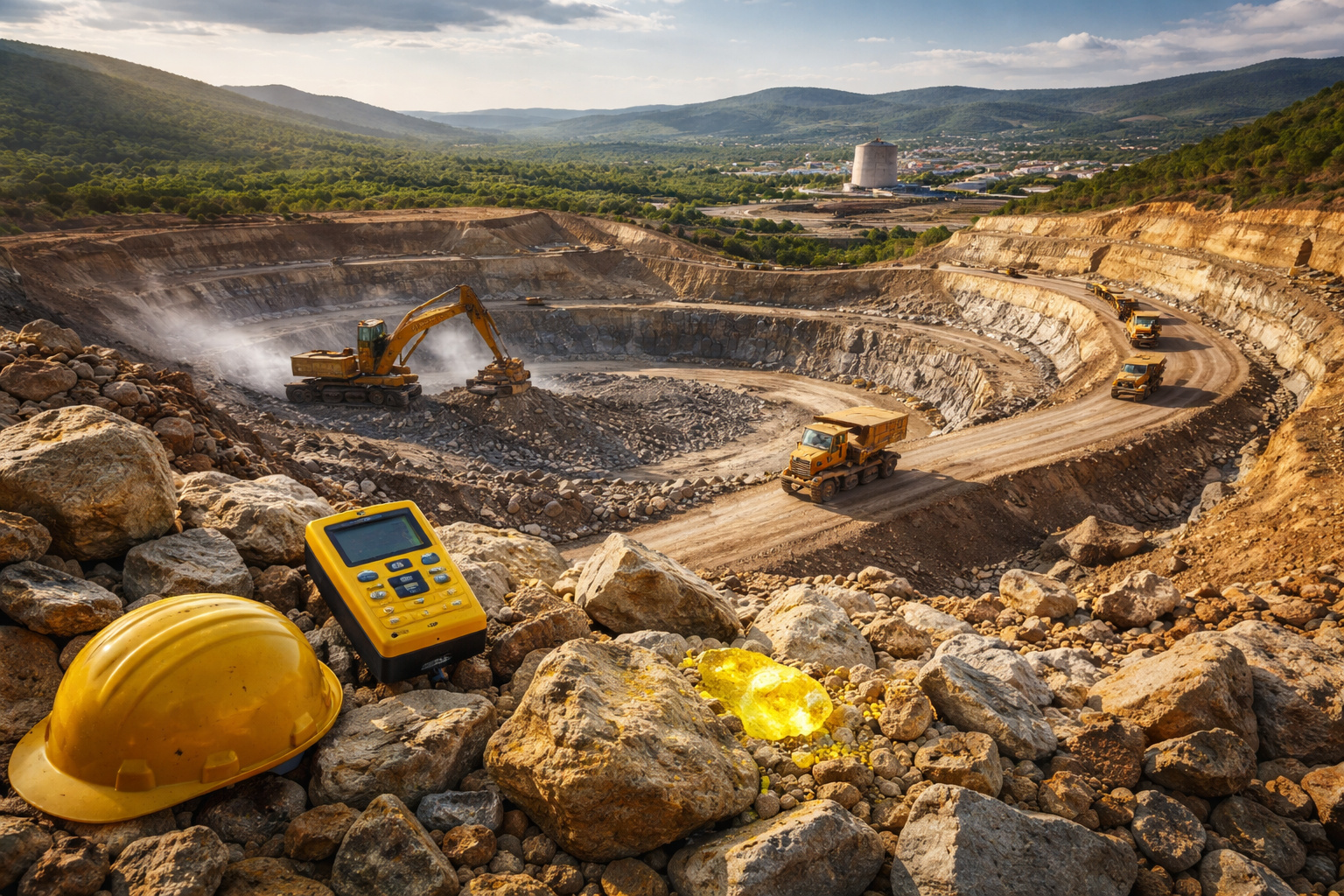

Its global strategic relevance lies in its ability to enable advancements in critical sectors, aligning with megatrends such as electrification, urbanization, and sustainability. By allowing the use of less material and contributing to the reduction of carbon footprint, niobium is key in the transition to a low-carbon economy.
The Dimension of Wealth
Brazil boasts an undeniable leadership: it holds about 88.72% of the world’s niobium reserves (Nb2O5, in contained metal), which corresponded to 14.2 million tons in 2023. In comparison, Canada, the second-largest holder, had approximately 9.97%.
The main deposits that support this dominance of the world’s largest niobium reserve in Brazil are located in Araxá (Minas Gerais), where the largest niobium mine in the world was discovered in 1953, and in Catalão (Goiás). The exploration is led by companies such as the Companhia Brasileira de Metalurgia e Mineração (CBMM), responsible for about 75% of the global market, and CMOC Brasil, a subsidiary of the Chinese CMOC.
The “Technological Fortune”
The most significant application of niobium is in steelmaking. The addition of small amounts of niobium transforms regular steel into high-strength low-alloy steels (HSLA), allowing for lighter and stronger structures in bridges, buildings, pipelines, and vehicles, resulting in savings and reduced environmental impact.
Additionally, niobium is vital in high technology: superalloys for the aerospace industry; metallic niobium for superconductors used in magnetic resonance imaging (MRI) machines and particle accelerators; and niobium pentoxide in optical lenses. One of the most promising fields is next-generation lithium-ion batteries, where niobium enables ultra-fast charging (in less than 10 minutes), longer lifespan, and increased safety, being crucial for electric vehicles.
Challenges and Opportunities


Despite holding the world’s largest niobium reserve in Brazil, the country’s main challenge is adding value to its production, which is still concentrated on the export of ferroniobium. The complete “technological fortune” of niobium lies in higher complexity products, such as high-purity metallic niobium, special oxides, and components for batteries.
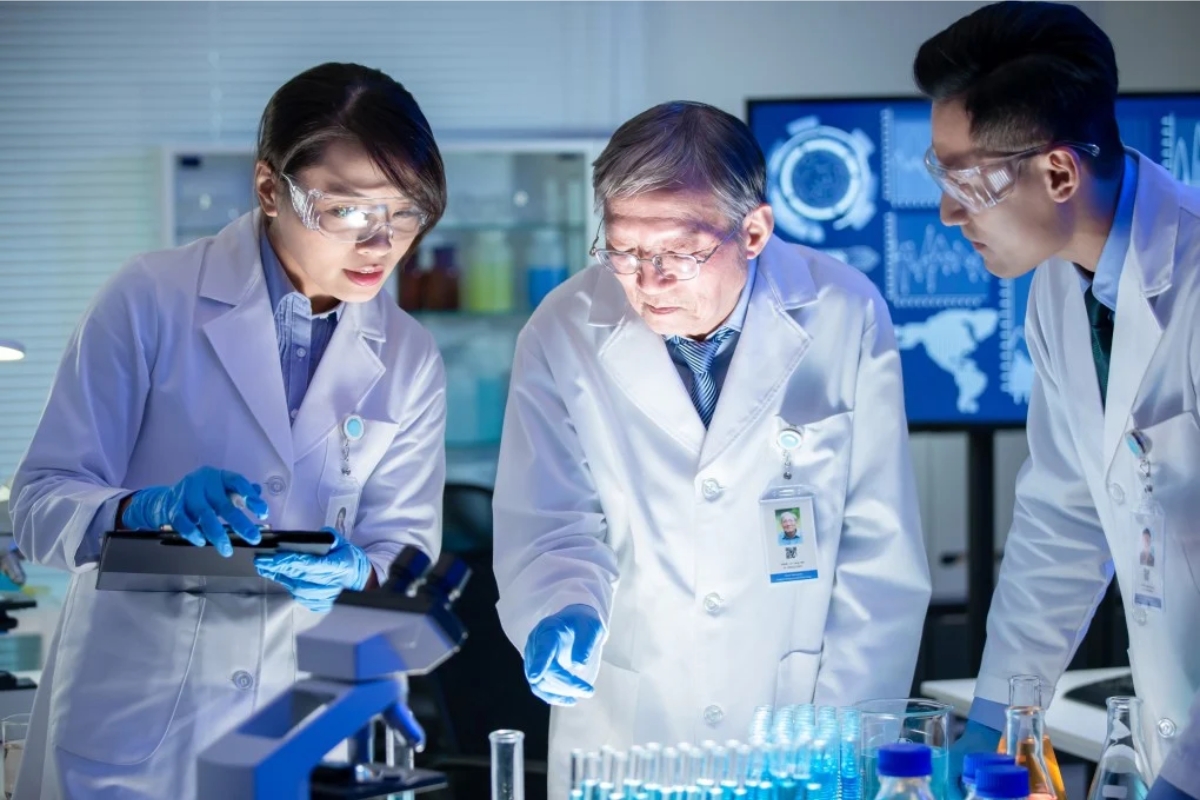
Overcoming this “innovation gap” requires robust investment in Research, Development, and Innovation (R&D&I), fostering collaboration among universities, research institutes, and the private sector. It is crucial to develop a national niobium processing industry, leveraging the existing knowledge in institutions like UFMG, UNICAMP, and USP, and the R&D conducted by CBMM.






Em Catalão, quando o minério acabar, vai ficar só o buraco. A cidade irá virar uma Ouro Preto, Sabará,etc.
Não deixarão, nenhuma Universidade de ponta, nenhuma indústria. Siquer um futuro digno para as próximas gerações.
Nos aqui de Araxá mg umas das cidades mais ricas por causa do niobio,,,,sono papel. Porque na realidade so ficamos com o buraco da mina. Sem Escolas ,uma faculfade. Um hospital digno ….população depende de Uberaba pra tudo…..
Vale uma fortuna tecnológica????
Acho que o termo foi mal formulado. Prá mim o termo mais correto é vale uma fortuna. Tecnológica seria o motivo do material ser valioso!!!