





 Portuguese
  English
  Spanish
  3 min of reading
  0 comments


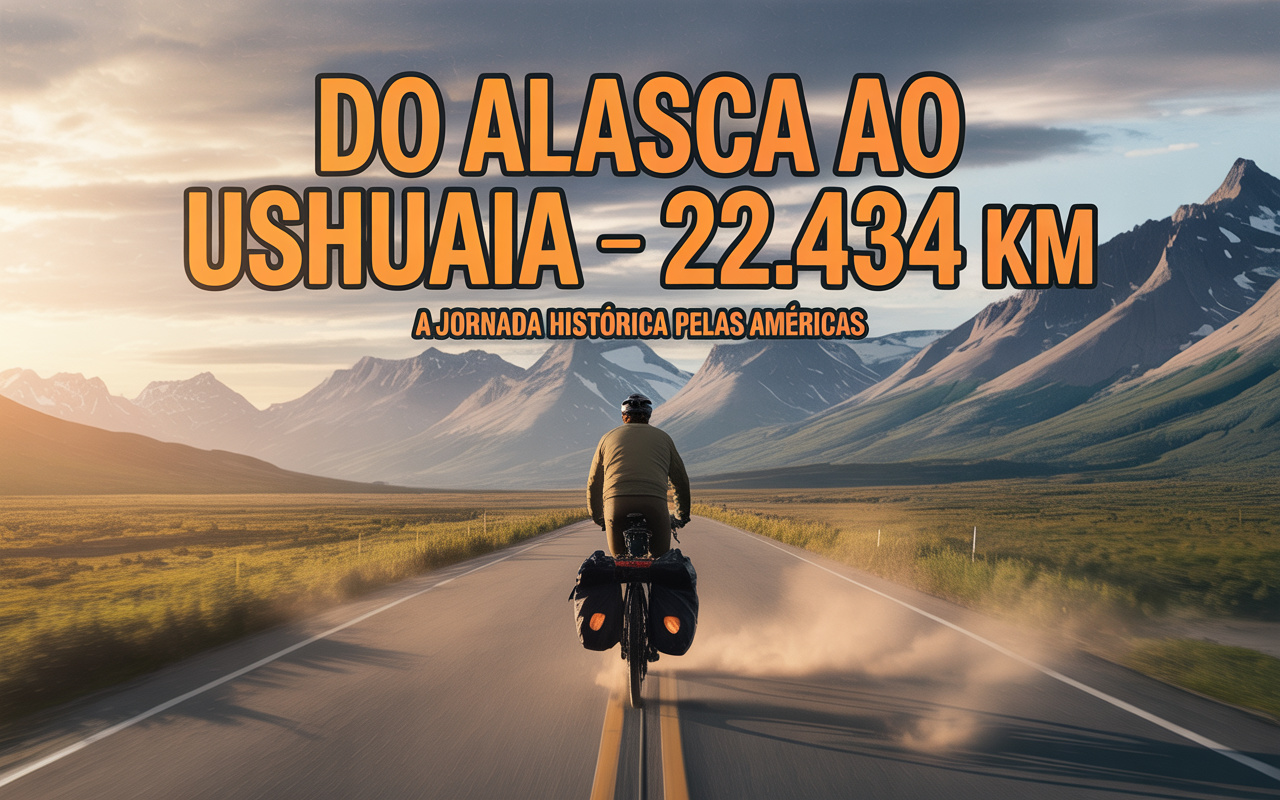
Brazilian Cyclist Travels 22,434 Km From Alaska to Ushuaia Without Support, Crosses 15 Countries and Conquers 123 Thousand Meters of Altitude. Expedition Documented by Terra in 2023.
The journey of Brazilian cyclist Leandro Carlos da Silva gained international attention in January 2023, when the portal Terra published the complete data of the expedition that traversed the entire American continent, from Alaska (USA) to Ushuaia (Argentina), at the southernmost tip of the planet. Without a support vehicle, without technical assistance, and completely self-sufficient, Leandro completed 22,434.79 km, crossed 15 countries, and accumulated 123,803 meters of elevation gain, a mark recognized as one of the most extensive and demanding crossings ever accomplished by a Brazilian cyclist in the Americas.
According to Terra (01/11/2023), Leandro pedaled through remote routes, extreme weather, arid stretches, mountain ranges, and regions at altitudes exceeding 4,000 meters, in a prolonged physical and psychological effort. He faced snow, headwinds, uneven roads, and isolated towns for months, on a route that is traditionally undertaken by expeditions with organized teams — making the feat even more exponential.
A Continental Journey That Challenged Human Limits
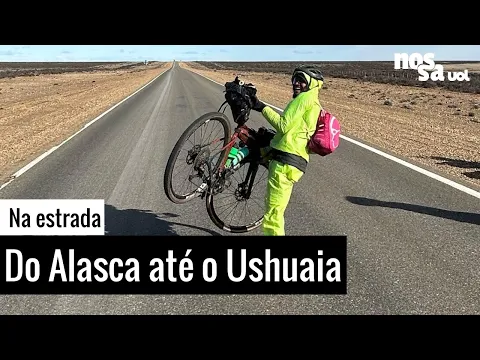

The traverse began in the extreme north, in the frozen region of Alaska, and continued through the United States, Canada, Central America, and the entire backbone of South America, until reaching Tierra del Fuego. The route, according to the cyclist, was designed to focus on observing local cultures, crossing little-explored areas, and testing the limits of the human body without external support.
-
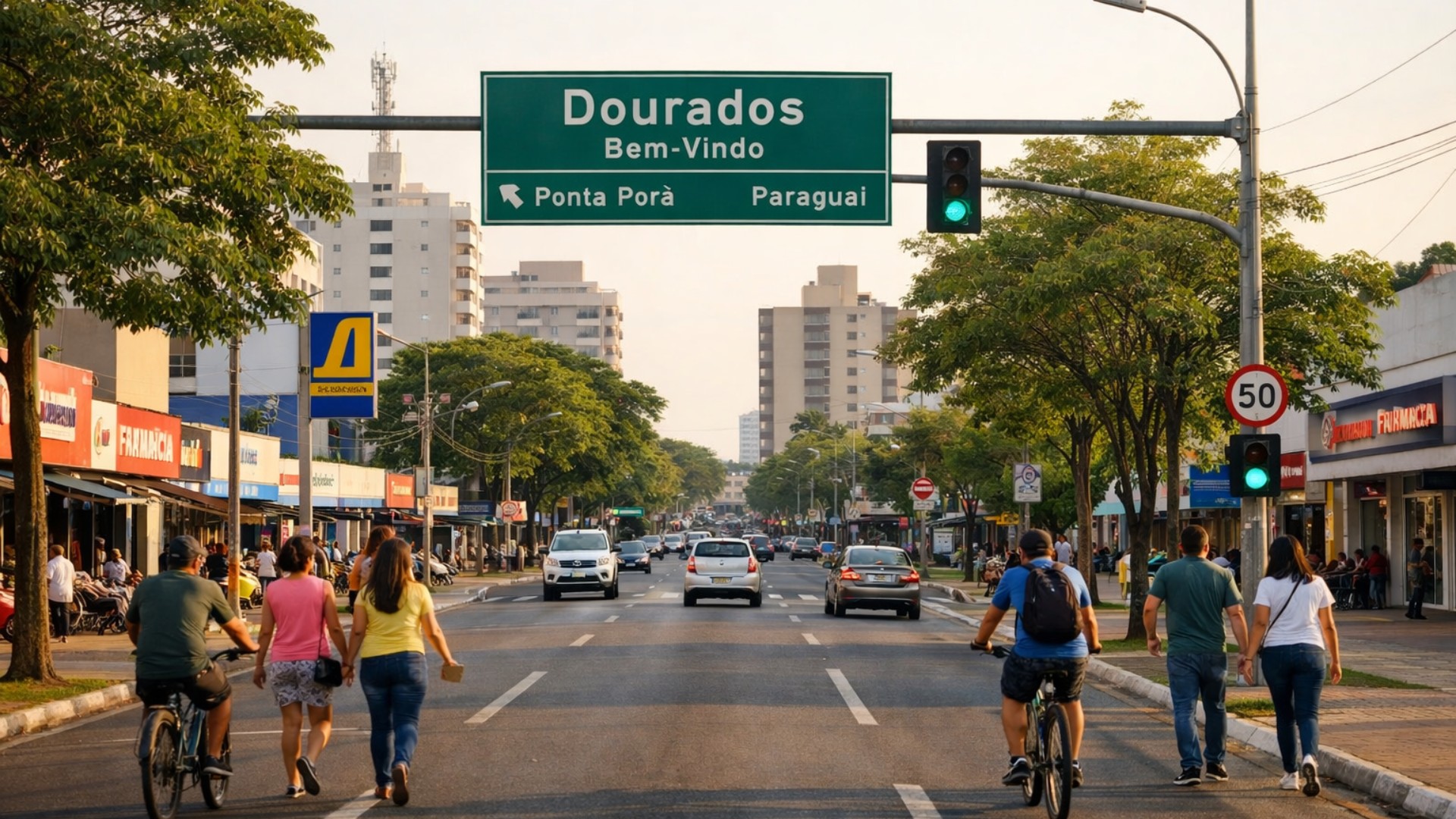
Brazilian city neighboring Paraguay becomes a ‘magnet’ for people seeking quality of life and high standards with exceptional growth and commutes of up to 15 minutes.
-
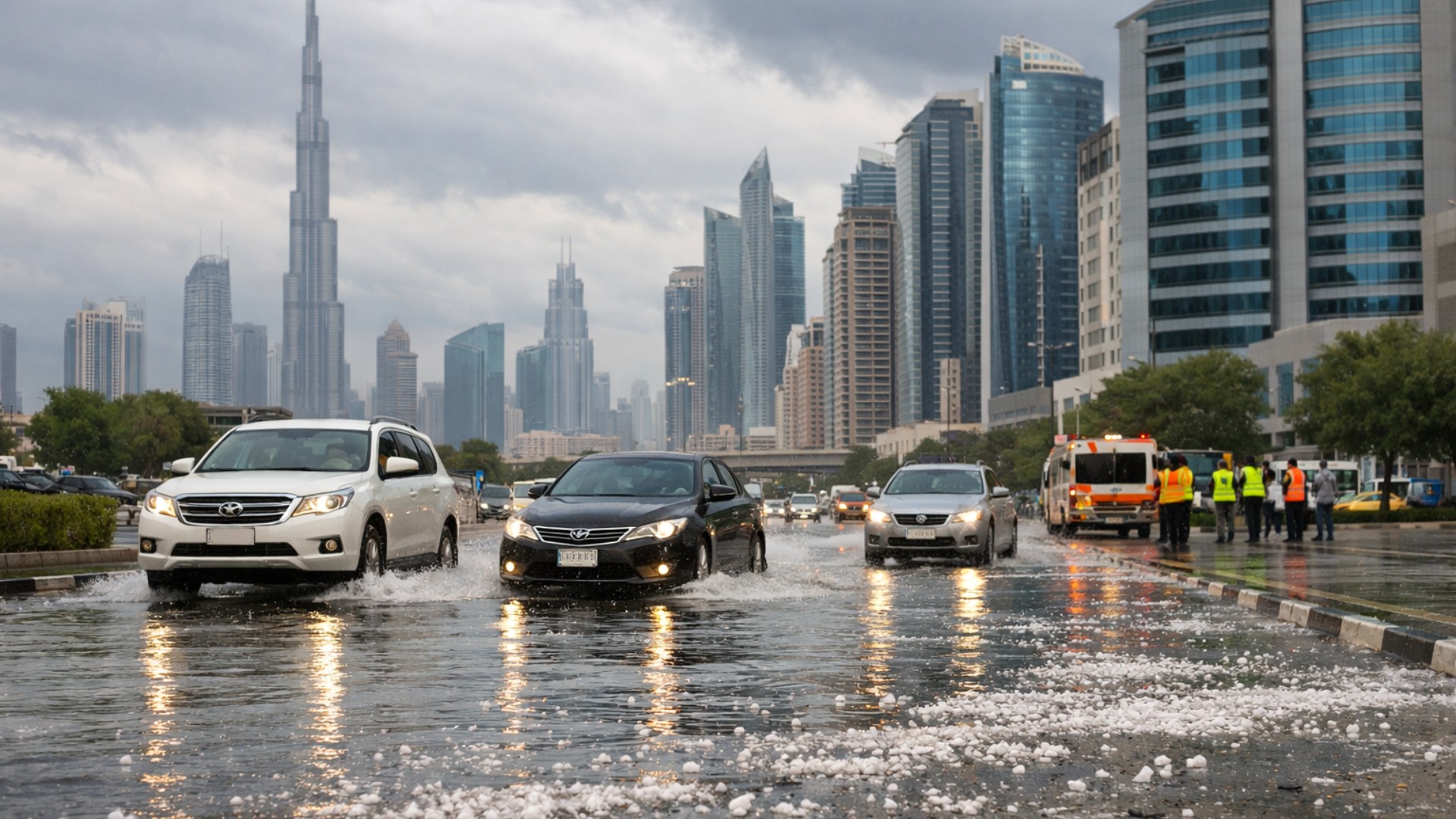
A rare storm transformed part of the Gulf into an unlikely scene of hail, extreme rain, and tornado risk in the middle of the desert, with volumes that exceeded the annual average in a single day.
-
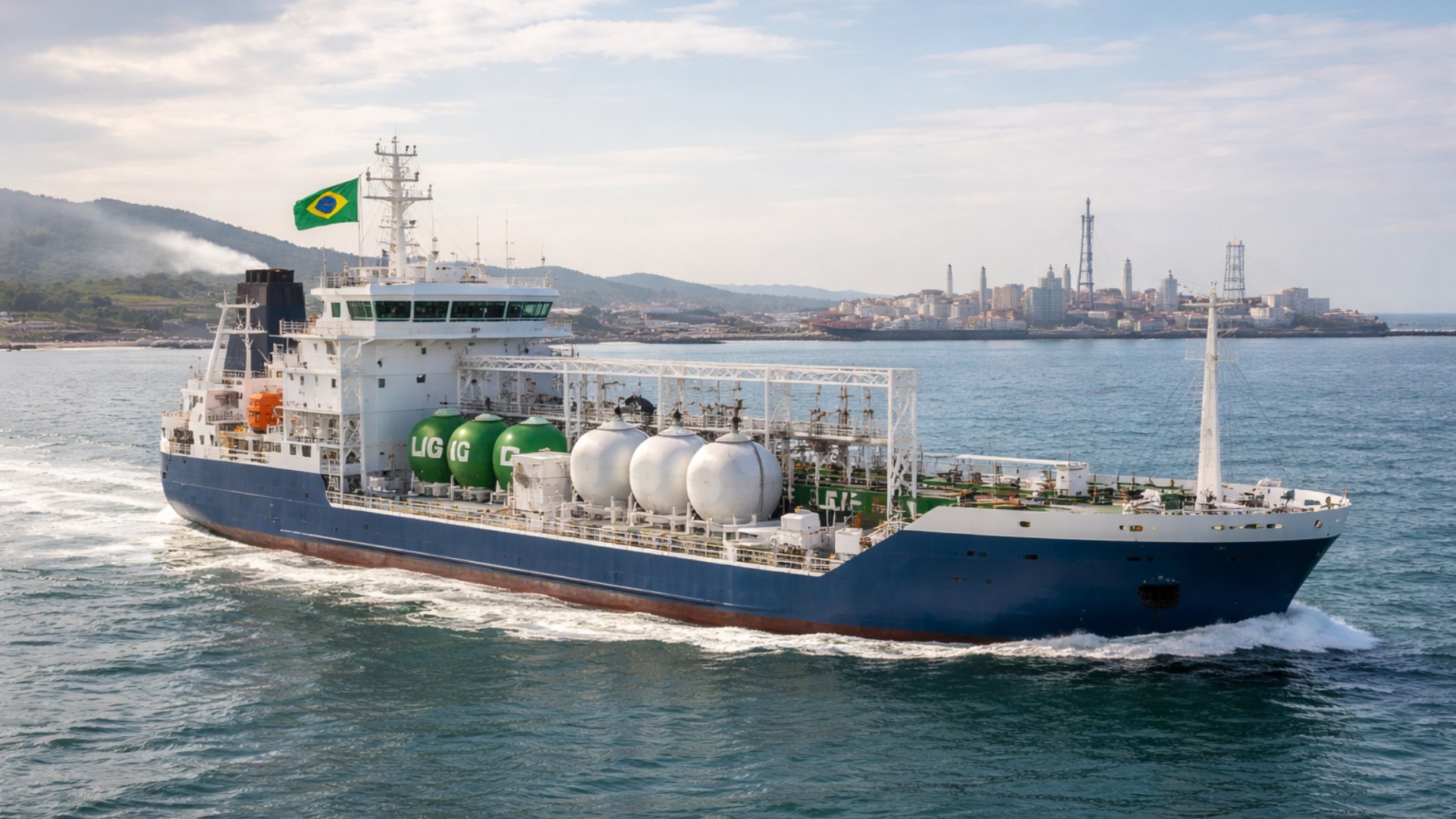
Brazil catches the world’s attention with ships powered by ethanol and biodiesel that have lower emissions, an unprecedented certification with advantages in chartering, and a revolution in cabotage.
-
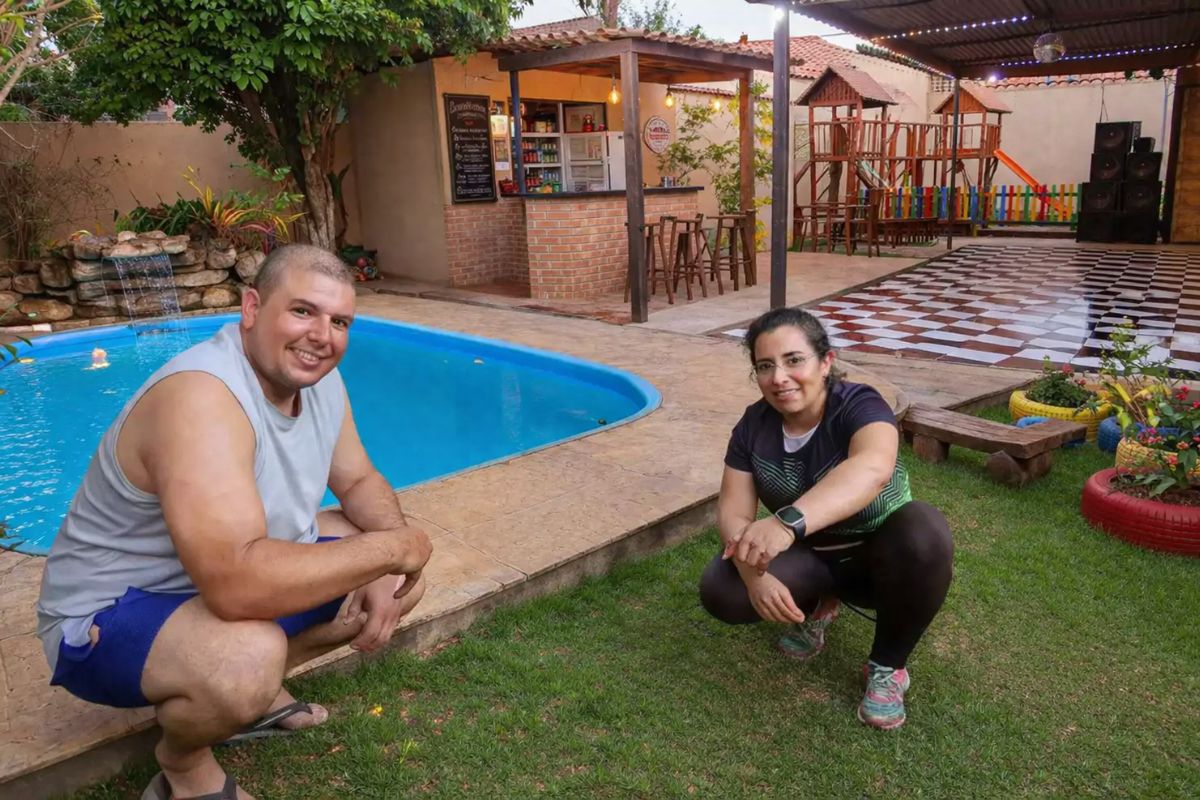
A couple who only has Sundays free has built a hand-dug pool, a hamburger joint, a dance hall, and a playground in their own home without hiring a mason, and even with breaks due to accidents and the pandemic, the work has never truly stopped.

The accumulation of over 123 thousand meters in elevation gain is equivalent to ascending Mount Everest — the tallest mountain in the world, more than 13 times, a comparison used by specialists to gauge the physiological impact of a challenge of this magnitude. In regions like Peru and Bolivia, he pedaled for weeks at altitudes that drastically reduce the available oxygen, requiring acclimatization and a calculated pace.
15 Countries, Extreme Weather, and Logistics That Require Precision
Leandro crossed USA, Canada, Mexico, Guatemala, El Salvador, Honduras, Nicaragua, Costa Rica, Panama, Colombia, Ecuador, Peru, Chile, and Argentina, until he reached his final destination.
The logistics involved not only physical planning but also border definitions, documentation, and constant climate adaptation. Between Alaska and southern South America, temperatures ranged from -20°C in frozen stretches to over 40°C in deserts and equatorial regions.
According to Terra, the absence of a support team meant carrying all essential equipment: food, basic tools, survival items, and bike parts. Each mistake could jeopardize the expedition. Each country brought unique challenges: icy roads, humid jungles, Andean deserts, and high-altitude corridors that demanded rigorous respiratory preparation.
An Sporting and Cultural Milestone for Brazilian Cyclotourism
Leandro’s journey is not just a sporting achievement but also a cultural one. Along the route, he recorded stories, experiences, and routines of isolated communities in the Americas.
The crossing through 15 countries showcased the potential of long-distance cyclotourism as a means of social immersion and self-sufficiency.
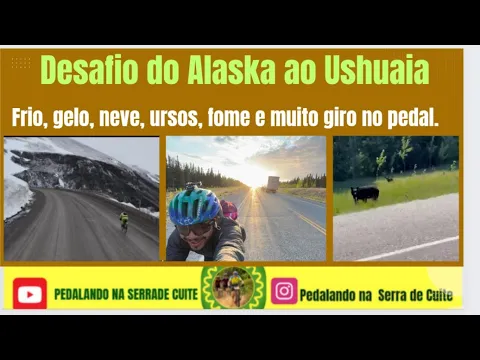
His route has entered the catalog of the longest continental expeditions ever undertaken by Brazilians, especially without a support vehicle — something extremely rare in high-difficulty cyclotourism. Resilience in the face of extreme weather, severe altitudes, and colossal distances has transformed his story into a reference for adventurers and ultradistance athletes.
Why This Achievement Still Resonates?
Even after years, the expedition continues to gain traction on social media and specialized outlets for three reasons:
- Technical Dimensions of the Challenge: elevation gain, distance, and autonomy.
- Rarity of the Complete Route: few Brazilians have crossed the entire continent by bike.
- Social Inspiration: many see in the project a journey of overcoming and discipline.
The route between Alaska and Ushuaia is considered one of the most difficult on the planet. Completing it without support reinforces the human and sporting impact of the achievement.
An Achievement That Remains as a Continental Reference
Leandro Carlos da Silva’s crossing consolidates as one of the greatest achievements in long-distance cycling in Brazil’s recent history, with verified and documented technical data.
It is a journey that blends geography, culture, human endurance, and the rare ability to transform solitude and road into an inspiring narrative.







-

-

-

7 pessoas reagiram a isso.