





 Portuguese
  English
  Spanish
  5 min of reading
  0 comments


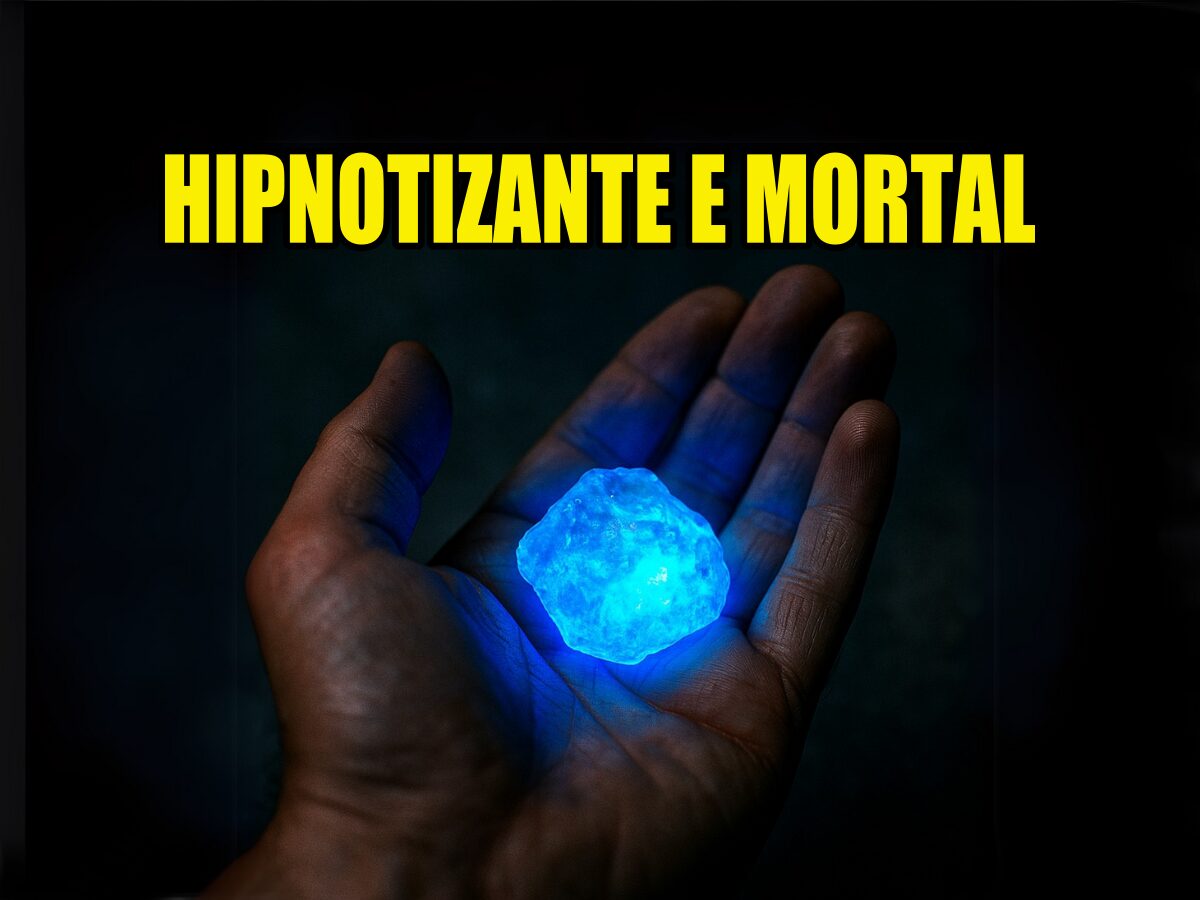
Almost 40 Years After the Accident in Goiânia, the Terror of Cesium Returns to Frighten: Radioactive Capsules Disappear from Mining Company in Minas Gerais, Reigniting the Fear of Radiation in Brazil
An enchanting blue glow, coming from a mysterious stone, forever marked the history of Goiânia. What seemed like an innocuous find turned into one of the most devastating episodes of radiation outside nuclear facilities worldwide. Decades later, the threat of Cesium-137 resurfaces with the disappearance of two radioactive sources from a mining company in Minas Gerais, raising a new alarm for the country.
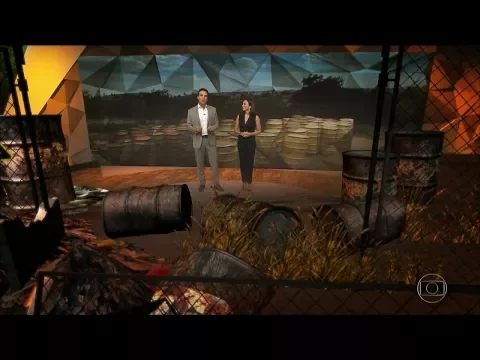

What Is Cesium-137 and Why Is It So Dangerous?
Cesium-137 is a highly unstable radioactive isotope, derived from the nuclear fission of uranium. It emits gamma radiation, capable of penetrating deeply into the human body, damaging tissues, cells, and DNA. According to the National Commission of Nuclear Energy (CNEN), the capsule involved in the Goiânia accident emitted about 19 gigabecquerels, equivalent to the exposure of ten X-rays per hour.
Improper handling can cause burns, radioactive poisoning, and in severe cases, death. Learn more about the risks of Cesium-137 on the CNEN website.
-
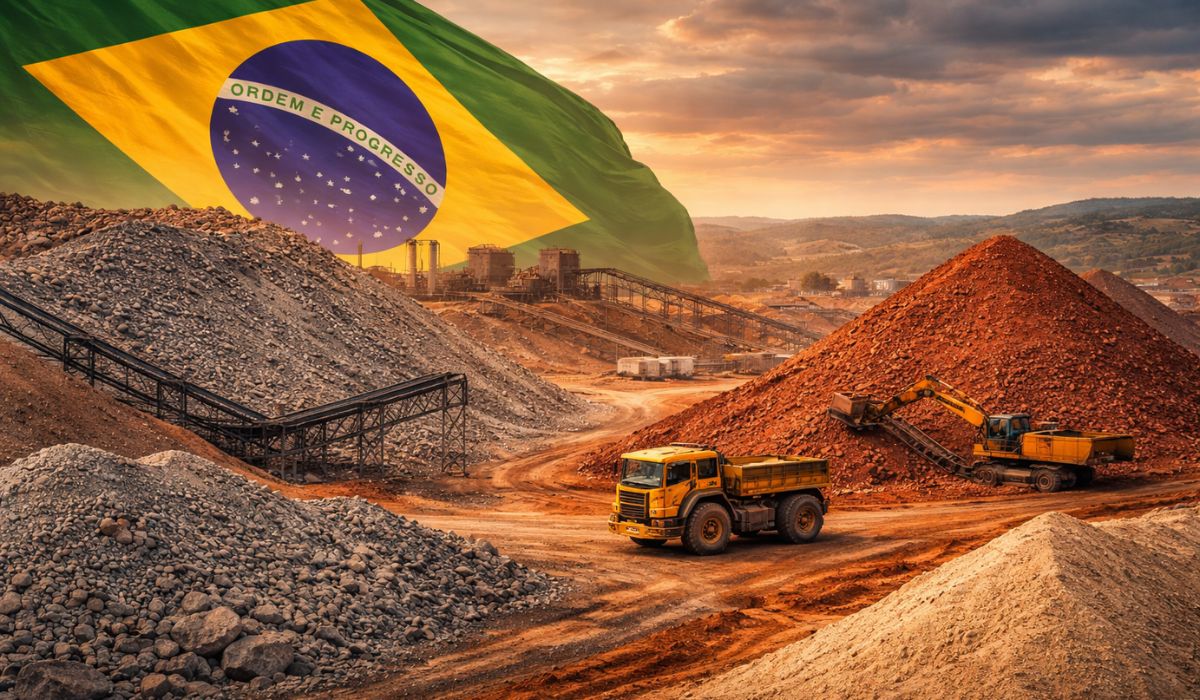
Brazil extracts 26.3 million tons of ore from what was previously treated as waste, transforming residues into wealth, producing over 3 million tons of sand, and demonstrating how national mining is relearning to generate value.
-
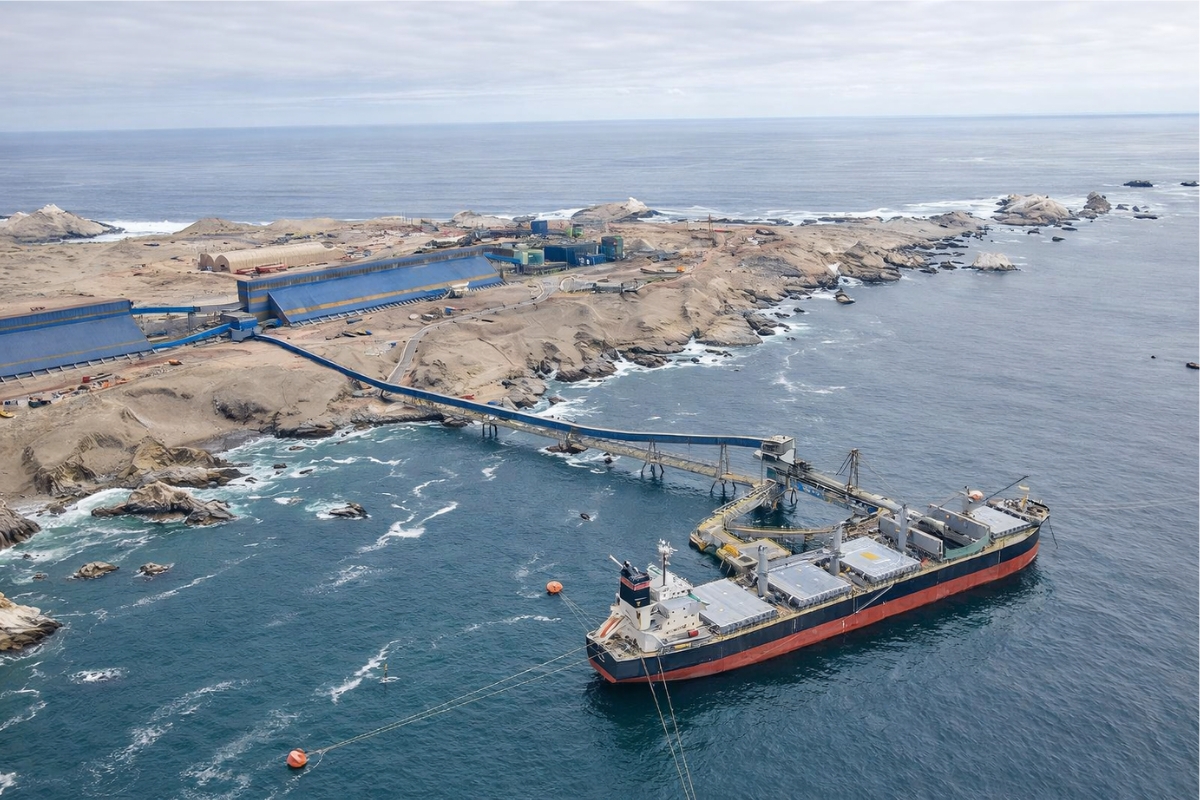
A $3.5 billion megaproject in Latin America pumps desalinated seawater at 1,050 liters per second over 194 km to keep a copper supermine in the Andes operational for another 20 years.
-
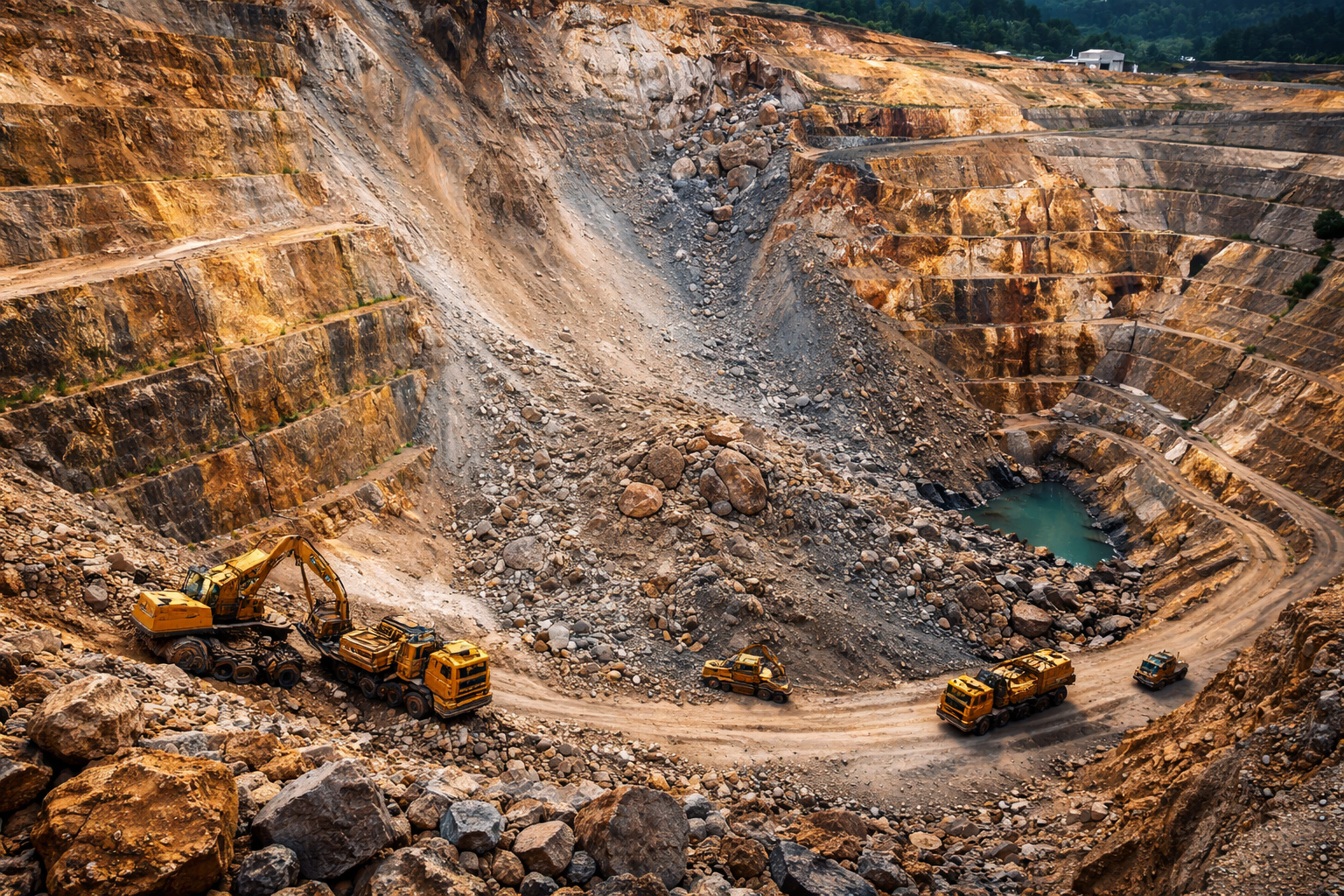
A hidden mine in the Andes valued at nearly R$ 1 trillion is starting to attract global attention, containing copper, gold, and silver, and raises an intriguing question: why do Argentina and Chile need to act together to exploit this gigantic wealth?
-
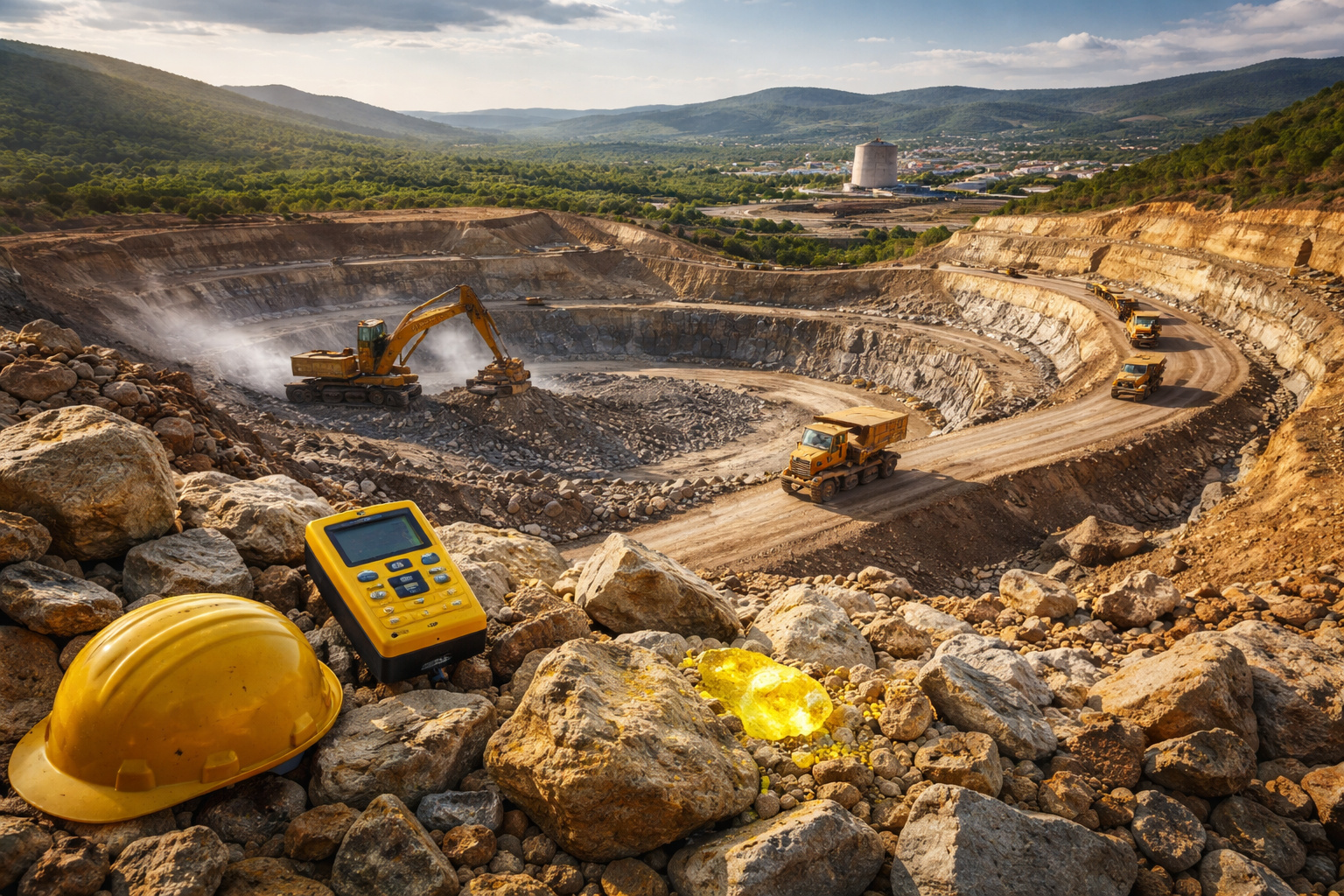
A silent discovery in the interior of Bahia could change the future of energy in Brazil: a uranium reserve in Lagoa Real has an estimated capacity to produce 400 tons per year and is already attracting the attention of energy sector specialists.

September 1987: The Tragedy Begins in an Abandoned Clinic in Goiânia
The disaster began on September 13, 1987, in downtown Goiânia (GO). Two recyclable material scavengers broke into an abandoned radiotherapy clinic and collected parts from a discarded medical device. Unaware of the risk, they sold the material to a junkyard, where the content was manipulated by more people.
Inside the device was a lead head containing a capsule with white powder during the day and phosphorescent at night. The striking appearance of the substance fascinated those who saw it. Fragments were distributed among family, friends, and neighbors, rapidly expanding the area of contamination in the Goiânia capital.
The Shining Stone That Killed: Victims Were Buried in 700 kg Lead Coffins
Among the contaminated were adults, young people, and even children. The first fatality was Leide das Neves Ferreira, only 6 years old, who died on October 23, 1987. The girl was exposed to the substance after playing with the material her father had brought home. Her aunt, Maria Gabriela Ferreira, also passed away that same day. Two other men, Israel dos Santos, 22 years old, and Admilson Alves de Souza, 18, died in the following days.
The wife of the junkyard owner noticed that people who came into contact with the material showed symptoms such as nausea, dizziness, and skin sores. She was the one who took the capsule to the State Sanitary Surveillance, which finally identified the substance as Cesium-137.
According to CNEN, Goiânia remained contaminated with cesium for 16 days without knowing it, and dozens of people had direct contact with the radioactive material. Four people died, while around 6,500 people were affected to some degree by radiation and another 249 cases recorded more severe contamination, with 20 needing intensive care.
The victims were buried in 700 kg lead coffins. The graves were encased in concrete and placed as far away as possible from the Parque Cemetery.
Tragedy Mobilized the Brazilian Government, Which Coordinated an Emergency Operation to Contain the Dispersion of Radiation
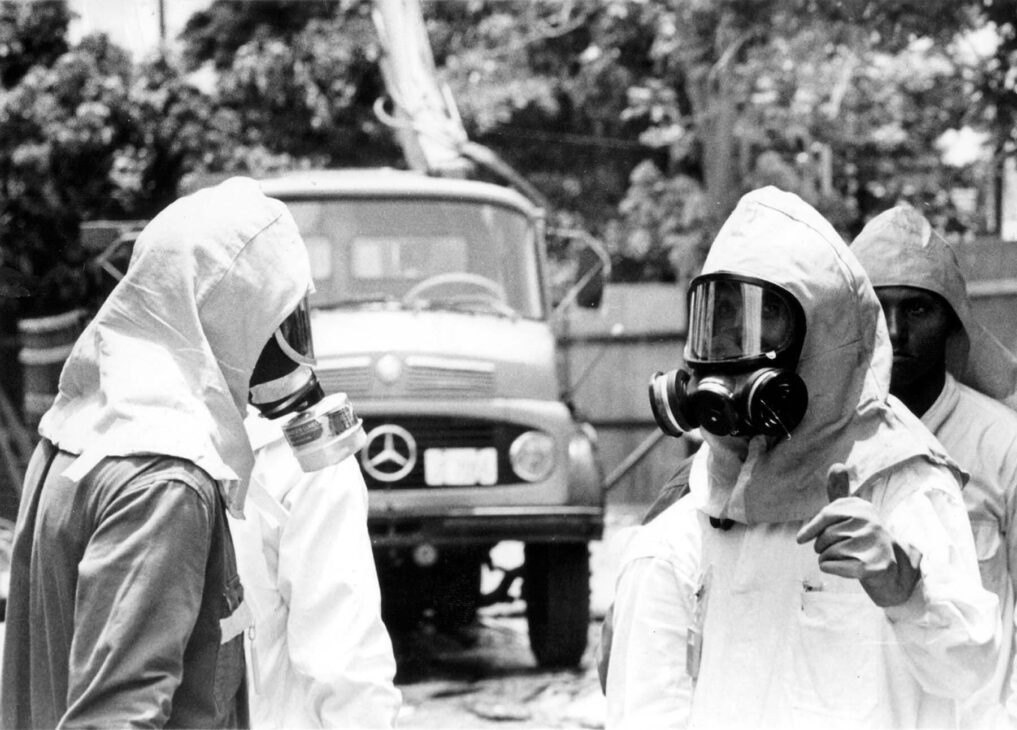
The tragedy mobilized the Brazilian government, which coordinated an emergency operation to contain the dispersion of radiation. Over 6,000 tons of contaminated waste were collected in Goiânia and transported to Abadia de Goiás, where they were buried in two gigantic concrete structures developed to safely store radioactive waste.
Today, according to CNEN, the radiation level in the region is within normal standards, and there are no active risk areas in the Goiânia capital. However, experts warn that Cesium-137 takes over 200 years to completely lose its radioactivity, which means that vigilance needs to be constant.
Theft of Two Cesium-137 Sources from a Mining Company in Minas Gerais Reignites the Fear
On June 29, 2023, a new concern arose with the theft of two sources of Cesium-137 from a mining company in the city of Nazareno (MG). The disappearance was reported to the Civil Police of Minas Gerais, which opened an investigation with the CNEN.
Although modern capsules are protected by layers of steel and special coatings, any security breach or improper handling can represent a direct risk to public health. So far, there is no information about the whereabouts of the stolen sources or the fate of those responsible.
The occurrence in Minas Gerais brings to light the importance of maintaining strict control over radioactive materials in mining and other industrial sectors.
Accident with Cesium-137 in Goiás Left Deep Physical, Emotional, and Social Marks on Hundreds of Families
The accident with Cesium-137 in Goiás left deep physical, emotional, and social marks on hundreds of families. In addition to the deaths and aftermath, the episode awakened the country to the need for strict protocols regarding the use, disposal, and transportation of radioactive materials.
With the recent case involving the mining company in Minas Gerais, experts are again calling for increased oversight, traceability, and severe penalties for failures in handling these substances.
Do you remember this tragedy that marked Goiás and were you already aware of the story of the “shining stone”??
If you live in Goiânia or know someone who does, please share in the comments what you know or have heard about this episode that marked Brazil’s history









-

-

-

-

4 pessoas reagiram a isso.