





 Portuguese
  English
  Spanish
  3 min of reading
  0 comments


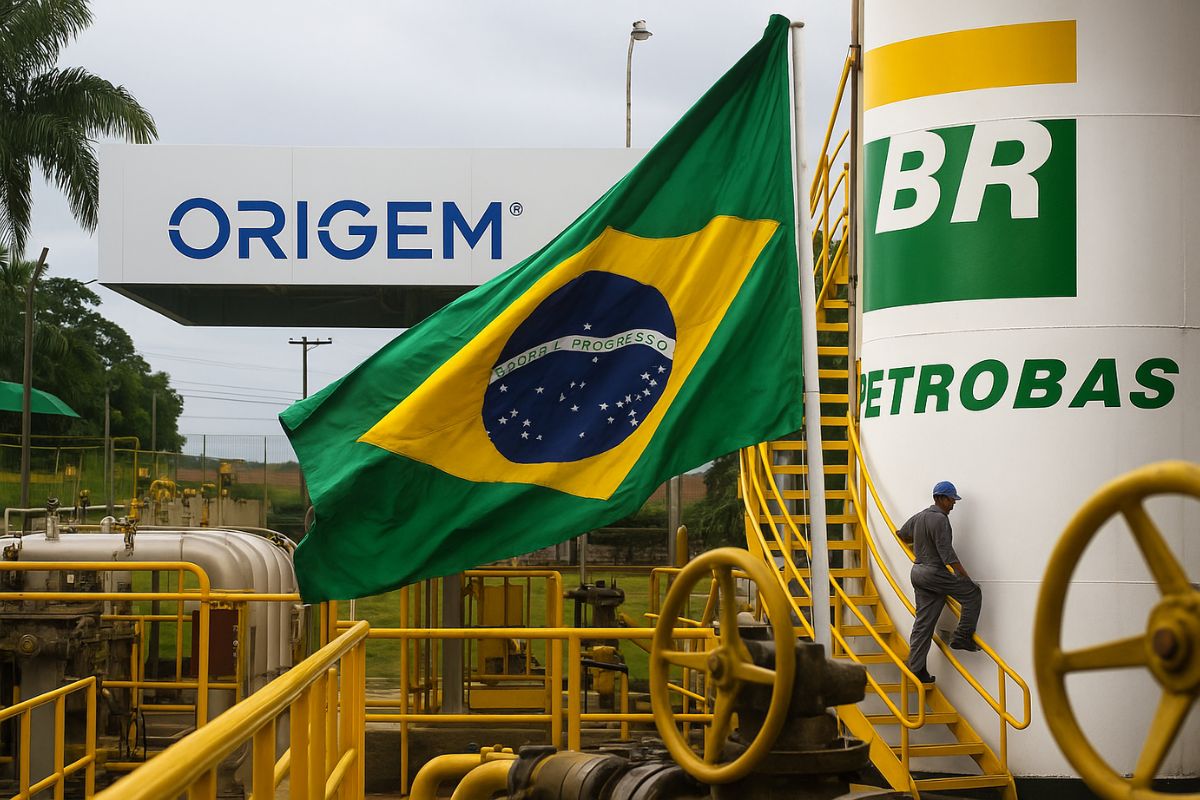
Understand How an Old Gas Field of Petrobras Was Transformed into an Innovative Energy Hub, with Own Plant and Plans to Store Gas for Brazil
An old gas field in Alagoas, sold by Petrobras, is at the center of one of the most innovative transformations in the energy sector in Brazil. Acquired by the company Origem Energia, the Alagoas Hub has ceased to be just an extraction area to become an integrated “Energy Hub,” with a bold plan: to use the extracted gas to generate electricity in a thermoelectric plant built on-site.
The strategy, known as “Reservoir-to-Wire,” aims to add value to onshore gas and position the company as a flexible energy supplier for the national electrical system. The project, which overcame a shutdown due to safety issues in 2024, represents a new business model for mature fields in the country.
The US$ 300 Million Transaction That Changed the Game
The story of this transformation began with a strategic decision by Petrobras. As part of its plan to focus on higher-return assets in deep waters, the state-owned company put the Alagoas Hub up for sale. In February 2022, the transaction was completed for US$ 300 million, and the new owner, Origem Energia, controlled by the investment manager Prisma Capital, took over operations.
-
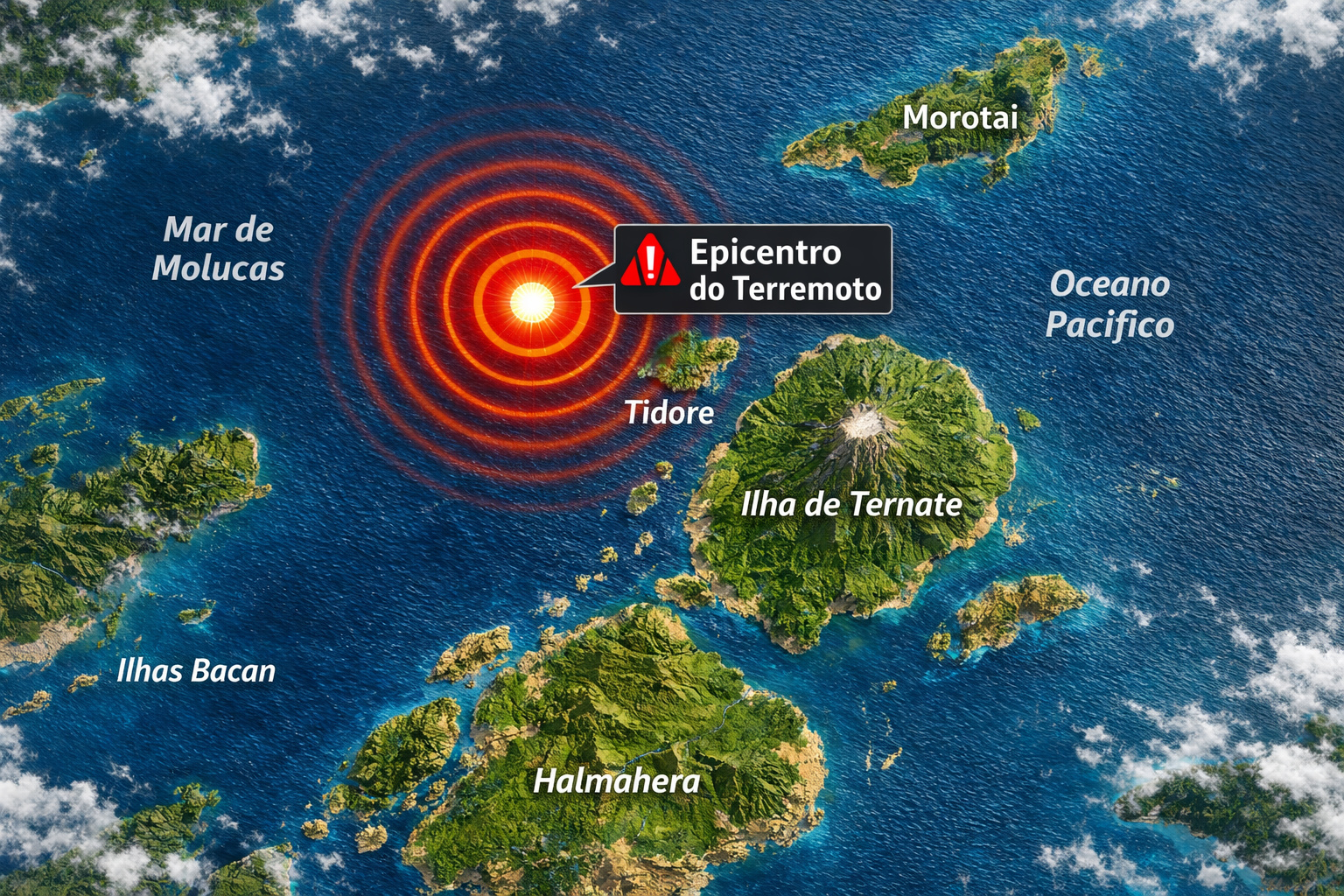
A strong earthquake in Indonesia affects houses and schools, causes panic, triggers a tsunami alert, and records a rise in sea level of up to 30 centimeters in some areas.

-
A study confirms that the natural gas sector will reduce greenhouse gas emissions in Brazil by 0.5% and accelerate the energy transition by 2026.

-
Petrobras implements a severe adjustment and confirms a 55% increase in the price of aviation kerosene with a proposal for installment payments for the companies.

-
The Argentine government celebrates the lowest poverty rate in 7 years, but experts warn that the methodology has changed, real wages have fallen, unemployment has risen, and the number of people on the streets of Buenos Aires has increased by 57% since Milei took office.


Origem Energia did not just purchase gas wells. The acquisition included a complete infrastructure package, with seven concessions, a Natural Gas Processing Unit (UPGN) with a capacity of 2 million m³/day, and about 230 kilometers of pipelines. This total control was key for the new owner to implement its integrated business vision.
How Gas Field Production Was Quadrupled
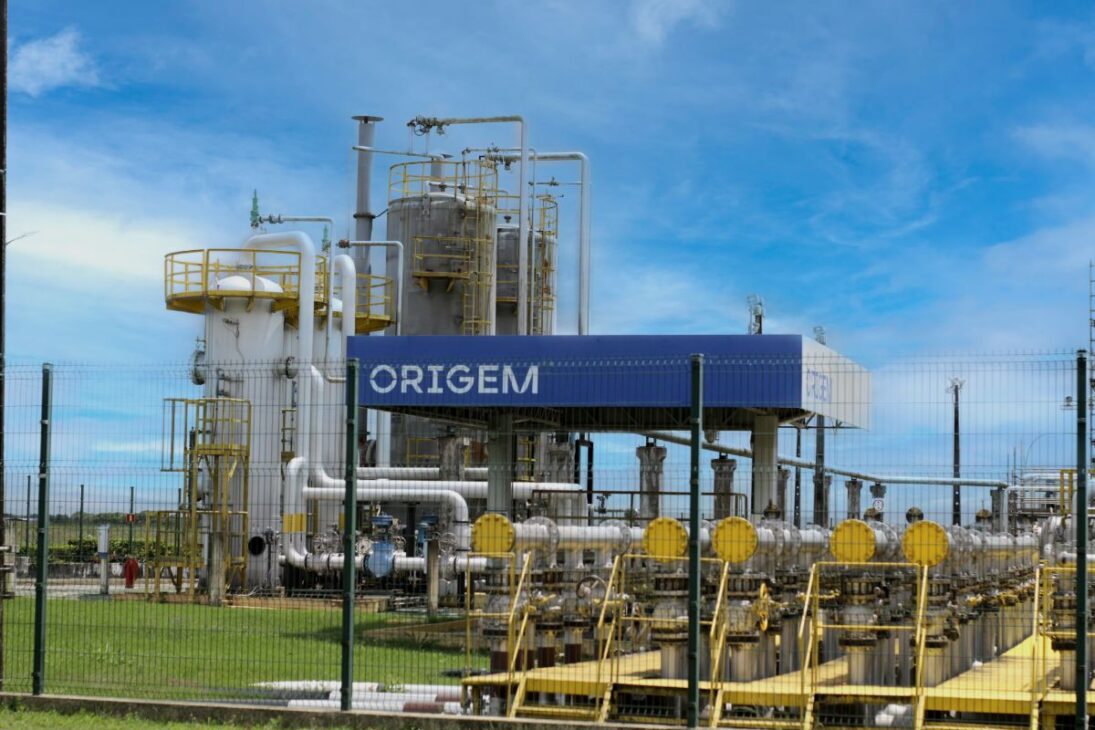
The first step for Origem Energia was to revitalize the production of the gas field, which was in natural decline. With an investment plan of US$ 200 million, the company made interventions in hundreds of wells and optimized operations, even using artificial intelligence to improve flow predictions.
The results were impressive. Gas production, which was 396 thousand cubic meters per day when the company took over in February 2022, jumped to over 1.7 million m³/day by the end of 2024. It was a quadrupling of volume in less than three years, proving the potential that still existed in the asset.
“Reservoir-to-Wire,” the Thermoelectric Plant as the Heart of the Business
The big bet of Origem Energia is the verticalized monetization of gas. Instead of just selling the input, the company is building a Flexible Thermoelectric Park with a designed capacity of 330 MW. The idea is to directly convert the extracted gas into electricity, a higher value-added product.
These plants will use modern turbines, capable of being started in just 15 minutes. The goal is not to generate energy all the time, but to provide backup and security for the Brazilian electrical system, especially when the generation of renewable sources, such as wind and solar, is low. This positions the company to compete in government capacity reserve auctions.
More Than a Gas Field
Origem’s strategy goes beyond energy generation. In March 2024, the company announced a partnership with TAG to develop Brazil’s first underground gas storage (UGS) project. The plan is to use the already exhausted reservoirs of the Pilar field to store gas, creating a “lung” that can ensure the country’s supply during high-demand periods.
To complete the control of the chain, the company also took over, in February 2025, the operation of the Maceió Marine Terminal (TAMAC), ensuring logistics to evacuate its oil production. The resilience of the project was tested in June 2024, when the ANP suspended operations due to safety failures. Origem Energia managed to resolve the issues and resume full production in just over a month, demonstrating crisis management capability.







-

-

-

3 pessoas reagiram a isso.