





 Portuguese
  English
  Spanish
  6 min of reading
  33 comments


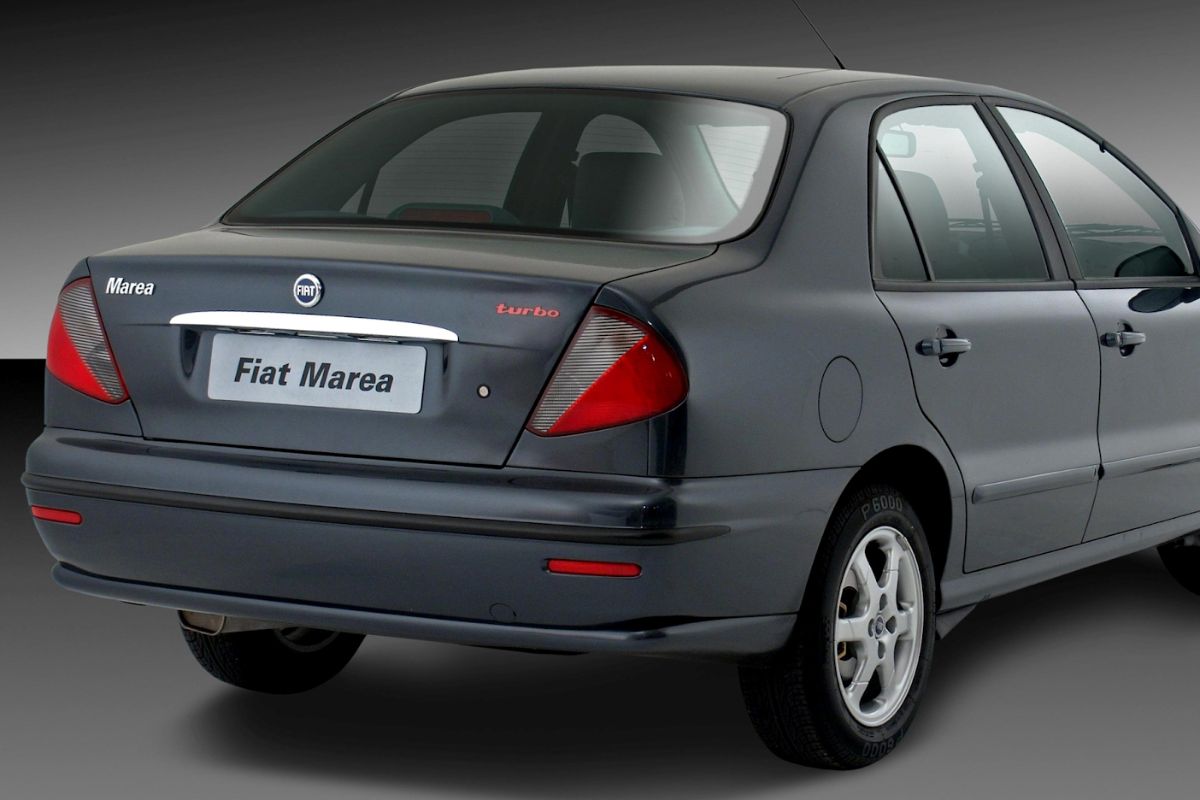


The History of the Fiat Marea Turbo, a Car That Had Everything to Work Out with Its Powerful Engine and Bold Italian Design, But Which Ended Up Marked by Maintenance Issues and an Often Unfair Reputation in the Brazilian Market.
At the end of the vibrant 1990s, the Fiat Marea Turbo emerged in the Brazilian market as a promise of revolution in performance and technology. With its sleek design and a Fivetech Turbo five-cylinder high-powered engine, it seemed undeniably the car that had everything to work out.
However, its commercial trajectory was marked by controversies, mechanical issues, and a negative reputation that persists. This article analyzes how such a promising vehicle, initially acclaimed by critics, became one of the “most unjustified sales failures” in the Brazilian automotive industry, and what we can learn from its history.
Cutting-Edge Engineering: The Powerful Fivetech Turbo Heart of the Marea
The main asset of the Fiat Marea Turbo lay in its mechanics. The Fivetech Turbo engine, a 2.0 five-cylinder inline engine with twenty valves, was derived from the elegant European Fiat Coupé. It delivered an impressive 182 horsepower and 27 kgf.m of torque, figures that crowned it as the fastest national car of its time, accelerating from 0 to 100 km/h in about 8 seconds and exceeding 220 km/h, according to period sources and tests.
-
A retired IT professional built a 22-meter boat in his backyard in Oklahoma with a school bus engine, light pole masts, and handmade watertight doors to become the redneck version of Jacques Cousteau.
-
China is building a city in Brazil: a complex with an investment of R$ 5.5 billion comes to light, but allegations involving workers draw attention.

-
While Argentina buys old war equipment, Brazil is keeping an eye open and joins the select group of nations with advanced military technology by investing $5.2 billion, producing 36 Gripen fighters in the country, and reducing operational costs.
-
Brazil on alert? Why invading Brazil is a NIGHTMARE for the USA: 8.5 million km², 213 million inhabitants, Amazon covering 60% of the territory, trillion-dollar war, and resistance that even 13,000 aircraft could not control.


This engine, with its development of the Turbo version exclusively for the Brazilian market, featured advanced technologies. Notably, it included dual overhead camshafts with variable valve timing (VVT), an intercooler to cool the air intake from the turbine, an oil cooler, and even sodium-cooled exhaust valves, a technical refinement that showcased its sporty vocation and Fiat’s bet on elevating the technological level of its national lineup.
Launch and Euphoria: The Marea Turbo Under the Spotlights of Critics and the Public
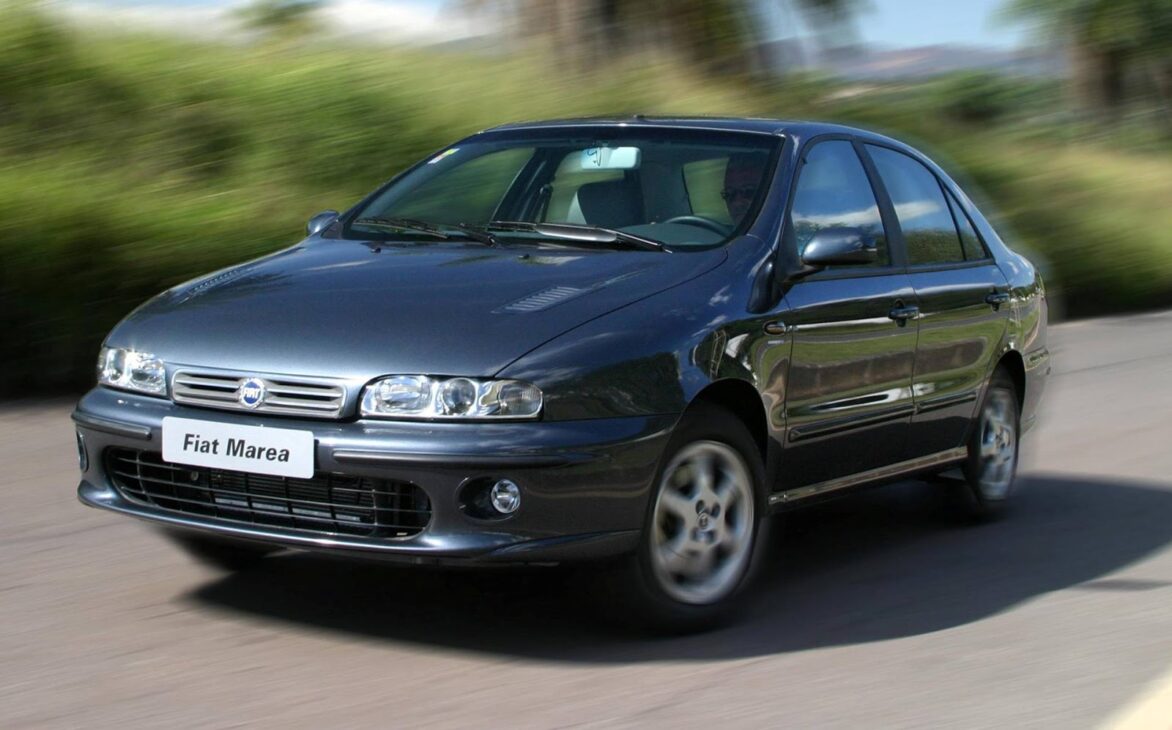
The Fiat Marea line arrived in Brazil in May 1998, with the anticipated Turbo versions, both sedan and versatile Weekend wagon, being launched between late 1998 and 1999. The Brazilian automotive press received the Marea Turbo with great enthusiasm. The model was quickly hailed as the most powerful and fastest national car available, defeating direct comparisons against heavyweight rivals like the Volkswagen Golf GTI in performance, braking, and dynamic handling tests.
The marketing strategy of Fiat for the launch of the car that had everything to work out was also striking, utilizing teaser tactics that generated enormous curiosity and considerable initial buzz in the market. The Marea Turbo, with its performance and sophistication, became an object of desire and one of the favorite models in tuning shops, reflecting its strong appeal among performance enthusiasts.
The Downward Curve: Maintenance, Myths, and the Infamous Reputation of “Marea Bomba”
The promising trajectory of the Fiat Marea Turbo began to face serious obstacles when the complexity of its Fivetech engine collided with the realities of the Brazilian maintenance market. One of the most critical errors, often cited as the trigger for many problems, came from Fiat itself: the initial recommendation, present in early owner manuals, to change the engine oil every 20,000 km. This guidance was dangerously inadequate for Brazilian conditions and the demands of the Fivetech engine, leading to sludge formation, blockage of lubrication galleries, and, consequently, premature wear and serious failures.
The maintenance of this sophisticated five-cylinder, twenty-valve, turbocharged engine with a variable valve timing required specific technical knowledge and special tools that were not widely available outside the dealership network. With the warranty ending and the maintenance costs considered high at authorized locations, many owners sought alternatives in independent shops.
The lack of adequate technical preparation led to the proliferation of “gambiarras” – improvised and low-quality repairs – which often exacerbated existing issues. The popular narrative that the car that had everything to work out was a “bomb,” making the Marea expensive to maintain and prone to breakdowns, began to spread rapidly. Problems in other versions of the Marea line, such as the fire risk in aspirated engines due to a fuel line failure, also contributed to the overall deterioration of the model’s image.
Who Was to Blame? Analyzing Fiat’s Errors and Market Perception
The impact of Fiat’s misguided maintenance guidelines was devastating. The readiness of the dealership network to handle the complexity of the Marea Turbo since its launch is also questioned. The negative public reaction, fueled by poor owner experiences and amplified by word-of-mouth and emerging online forums, was crucial in cementing the bad reputation of the Marea. Once a negative reputation is established, it tends to perpetuate itself, influencing new buyers and lowering resale values.
Despite the potential and initial acclaim, Marea Turbo sales numbers were modest: only 2,690 units of the Turbo versions were sold by January 2007. The production of the entire Marea line in Brazil was halted in mid-2007, an untimely end for a model that arrived with so many promises. It is possible that Fiat overestimated the capacity of the Brazilian market at the time to absorb and maintain a vehicle with such a level of complexity or underestimated the impact of a critical after-sales failure.
Controversial Legacy: From “Unjustified” to Cult Icon and Even Track Champion
Despite the negative reputation that marked its commercial history, the Fiat Marea Turbo, especially the Marea Weekend Turbo, did not disappear. On the contrary, it built a controversial yet fascinating legacy. Today, the model is seen by many as an “unjustified” car and has transformed into an object of desire and cult for a dedicated community of enthusiasts. Owner clubs, such as the “Marea Club (CDM),” and specialized workshops emerged, dedicated to restoring and properly maintaining these vehicles, often demystifying problems and attributing failures more to inadequate maintenance than to inherent defects.
As a result of this rediscovery and the growing rarity of well-preserved examples, the Fiat Marea Turbo is beginning to be viewed as a collectible item. An ironic and interesting chapter is its unexpected success in motorsport. The Marea Weekend Turbo, properly prepared, demonstrated remarkable performance in endurance competitions, such as winning its category at the “1000 Kilometers of Brasília” in 2004, proving its performance and durability potential when well cared for.
Fiat Marea Turbo: The Verdict on the Car That Had Everything to Work Out
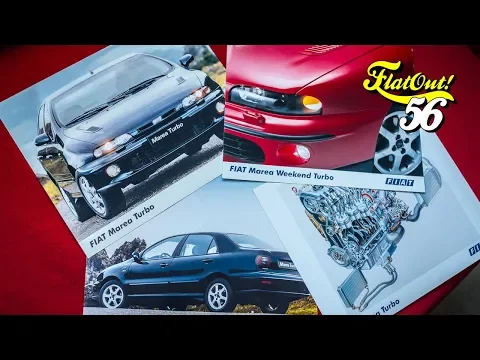

The saga of the Fiat Marea Turbo in Brazil is a complex narrative. It was, indeed, a car that had everything to work out in terms of engineering, design, and initial appeal. However, it was largely a victim of a perfect storm of adverse circumstances: strategic errors on the part of the manufacturer, especially the disastrous initial oil change recommendation, and a maintenance market that, at the time, was not fully prepared for its sophistication.
The lessons learned from the Marea Turbo case are valuable and resonate to this day in the automotive industry: the critical importance of after-sales service, clear and precise communication with the consumer, and the appropriateness of technological complexity to the local market’s maintenance capability are fundamental. The Fiat Marea Turbo remains a controversial chapter, but undeniably fascinating, in Brazilian automotive history, a car that dared to be different and, therefore, left an indelible mark, albeit complex, on the heart of the industry and car enthusiasts in Brazil.







A reportagem traz erros crassos. Tive um Marea Turbo. Uma correção na reportagem: o zero a 100 do marea turbo era em 7,3 segundos e não em 8 segundos. Inúmeras propagandas da FIAT alardeavam e garantiam isso. Era o carro brasileiro mais rápido da época. Um senhor carro fiquei com um por 9 anos, rodei 110 mil km . Trocava óleo de 5 mil em ciinco mil km, seguindo as instruções do manual do Marea. Essa de trocar óleo de 20 em 20 mil km não procede. A maioria das pessoas que falam mal da Marea turbo, nunca tiveram um marea turbo. A assistência técnica sempre foi feita pela FIAT, sem nenhum problema, nunca tive dificuldade para fazer manutenção do meu Marea. Pro precaução troquei a correia dentada duas vezes, quando estava com 100 mil km, a bomba de combustível precisou ser trocada, fiz sem nenhum problema na Cevel fiat av anhanguera centro Goiânia. Quando troquei meu Marea foi por um Azera hyndai, 6 cilindros e 265 cavalos, zero km e, por uns três meses, às vezes, batia arrependimento de tê-lo vendido. Há uns 4 meses comorei um Mustang GT, 488cv e V8 que dispensa comentários. Semore tive carros excelentes o Marea pela excelência, deixou saudades a propósito, felizmente nunca tive carros 1 0, felizmente, repito.
Tenho um Marea turbo desde zero…placa preta…Sempre com manutenção em dia. Óleo sempre trocado com 5.000 km apesar da orientação da montadora ao contrário.jamais deu problema até hoje. Tenho outros carros que a brasileirada chamam de bomba. Acredito que seja falta de conhecimento e disposição de fazer as manutenções corretamente…uma pena falarem tanta bobagem. Só mostram total desinformação…
Tive um 2.0 20v ano 2000 e posso afirmar. Manutenção em dia e seguindo a receita básica de troca de óleo a cada 5mil km, não tinha erro. A Fiat matou o carro orientando no manual a troca de óleo com 10 ou 15mil km, não lembro ao certo. Sem contar as nossas maravilhosas oficinas. Não estavam preparadas para este carro.
Mas era um veículo excelente. Um avião como cita DWC.