





 Portuguese
  English
  Spanish
  4 min of reading
  0 comments


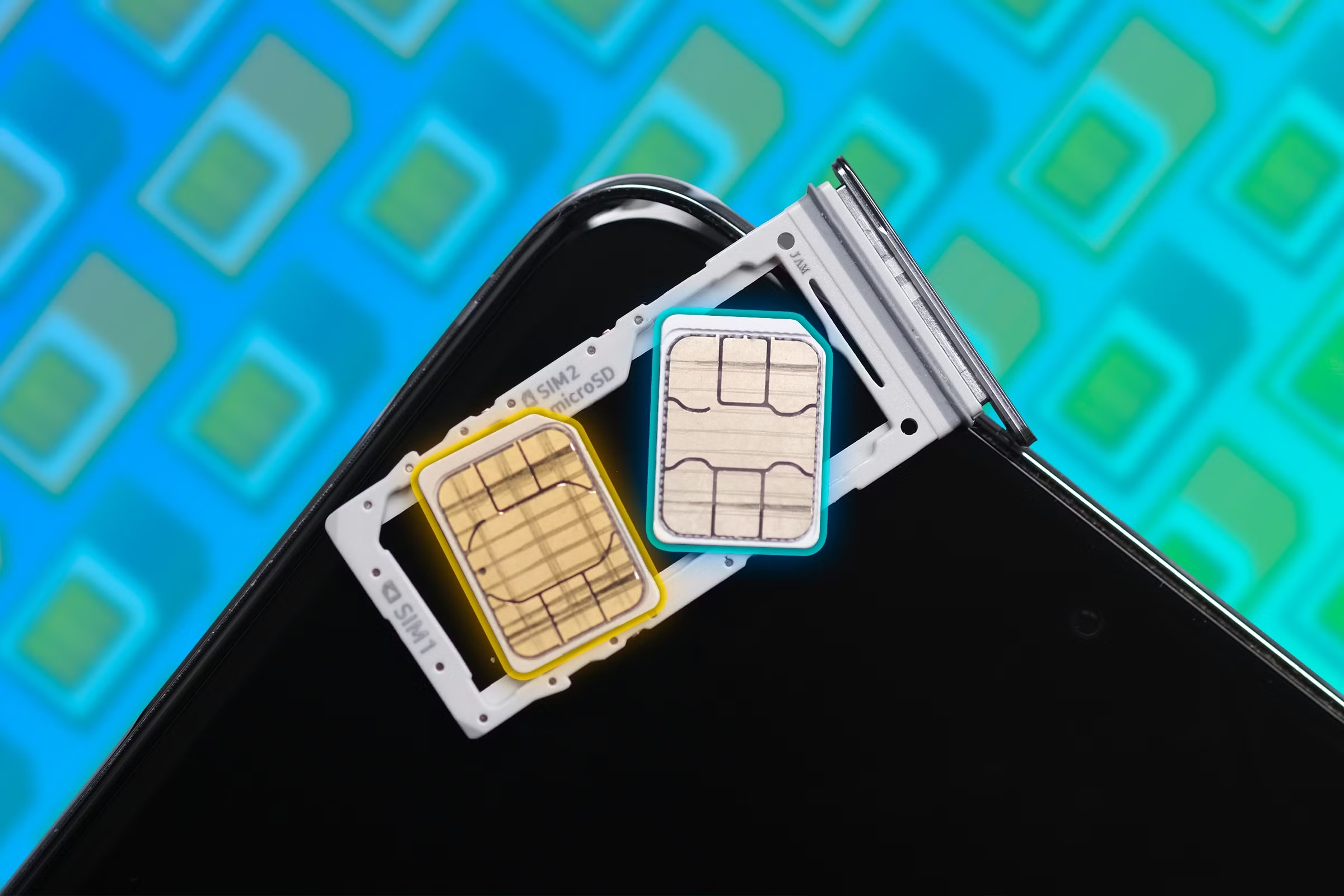
The Dual SIM Phone Was Born in China, but It Was in Brazil That It Became a Fad. Understand How This Innovation Shaped the Telecom Market with a Focus on Economy, Operators, and Consumer Behavior.
In the 2000s, China was quietly leading a revolution in the mobile phone world: models with two SIM cards, capable of switching between two operators in a single device. But it was thousands of kilometers away, in Brazil, that this innovation found its true stage of success. In a scenario marked by abusive tariffs, operators that did not communicate with each other, and consumers seeking economy, the dual SIM phone not only became a trend — it transformed the Brazilian telecom market.
Consumption Innovation with an Asian Accent
The concept of the dual SIM phone was born in Asia, in emerging markets like China and India, where users frequently switched SIM cards to take advantage of promotions, avoid extra charges, or have coverage where only one operator worked. Manufacturers like Tecno, Gionee, and ZTE began launching the first dual SIM mobile phone models as early as the 2000s.
This seemingly simple idea would solve a common problem in many developing countries: how to stay connected without paying more for it. But no one imagined that this solution would become almost a standard in Brazil — one of the only markets in the world where dual SIM became a popular demand.
-
With a cost per shot close to zero, the DragonFire laser could change naval warfare in 2027 and provide British ships with nearly unlimited defense against drones.

-
A British startup creates tires that generate electricity in electric vehicles when passing over potholes, speed bumps, and cracks.

-
Scientists have created robots made with living cells that have their own nervous system, swim on their own, explore the environment, and self-organize without any genetic engineering, and now they want to do the same with human cells.

-
Students create a solar-powered ambulance that operates without a plug, without fuel, and still keeps medical equipment running in remote areas.


The Dual SIM Fad in Brazil
Starting in 2010, something curious began to happen on the shelves of Brazilian stores: models with space for two SIM cards began to dominate consumer preference. While in European countries or the United States single SIM phones were still the norm, here, dual SIM became synonymous with economy, freedom, and practicality.
And there were very concrete reasons for this:
- The interconnection tariffs between operators were high — calls from one operator to another were significantly more expensive than within the same network.
- Operators like TIM, Vivo, Oi, and Claro started offering unlimited plans only within their own network, which encouraged the use of more than one SIM card.
- Many Brazilians maintained one personal and one work SIM card in the same device, avoiding the need to carry two phones.
- Brazil was at the height of the entry-level smartphone expansion, and dual SIM devices came pre-installed in brands like Samsung, LG, Motorola, and Alcatel — both in popular and mid-range models.
It was the perfect combination of economic necessity, structural flaws in the telecommunications market, and the creativity of Brazilian consumers that caused the dual SIM to explode.
Popular Smartphones and Market Transformation
The success of dual SIM phones in Brazil forced deep changes in the mobile phone industry:
- Operators were forced to rethink their strategies, creating plans that unified networks, data, and calls to reduce customer churn.
- Manufacturers began to launch dual SIM versions of their models in Brazil, often even before other countries, due to local demand.
- The Brazilian consumer began to be seen as an advanced and strategic user, choosing operators not for loyalty but for financial advantage and local coverage.
Even more expensive devices, such as some in the Galaxy or Moto G lines, began to offer versions with two physical SIM cards, catering to the demanding profile of Brazilian consumers.
The End of the Dual SIM Era?
With the advancement of unlimited plans, integrated packages, and technologies like eSIM, traditional dual SIM has lost some of its strength in recent years. Still, it remains present — especially in mid-range and entry-level models, which continue to sell well in regions where network coverage is still irregular.
Moreover, the logic behind the success of dual SIM phones has remained: Brazilians continue to seek flexibility, economy, and autonomy over their connectivity decisions. Today, this logic translates into calling apps, digital plans, and dynamic mobile network choices.
The telecom market in Brazil has been largely shaped by this invention that was not born here but gained new meaning in the hands of Brazilian consumers. More than a technical solution, the dual SIM has become a life solution — and a reminder of how our way of consuming technology often precedes global trends.










-

Uma pessoa reagiu a isso.