





 Portuguese
  English
  Spanish
  3 min of reading
  11 comments


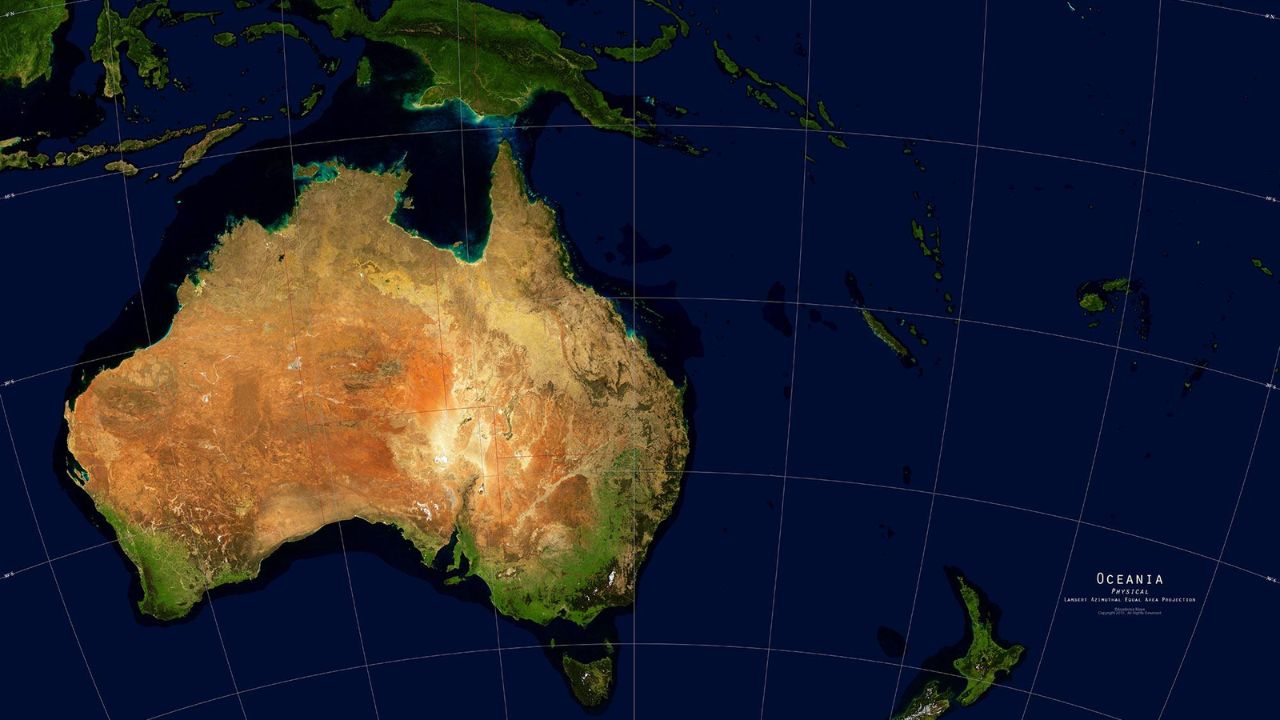


Australia, The Fastest Moving Continent In The World, Advances 7 Cm Per Year Toward Asia. In Millions Of Years, This Collision Could Transform Ecosystems, Change The Climate, And Even Rewrite The Maps Of The Planet!
Have you ever imagined waking up millions of years from now to find that Australia has merged with Asia? It may sound like science fiction, but this process is already underway—every year, the smallest continent in the world moves about 7 cm toward Southeast Asia. It may seem small, but in the long run, this movement will change the planet in ways we can’t fully predict.
And the craziest part? This displacement occurs at the same speed that our nails grow. That’s right, while you trim your nails every week, Australia is inching closer to Asia, without anyone able to stop it. But how did this start? And what could happen in the future?
Australia’s Journey Through Time

Hundreds of millions of years ago, all the continents we know today were joined together in a supercontinent called Pangea. Australia was part of this large landmass until everything began to separate.
-
Brazil has quietly developed an electric tactical drone that takes off and lands vertically without needing a runway, flies at 140 km/h in a fully autonomous manner, and can operate in forests, conflict zones, and remote areas.

-
Novo drone Guardian debuts in the United States with an 8-mile range, robotic battery swapping, and Starlink connectivity for continuous response.

-
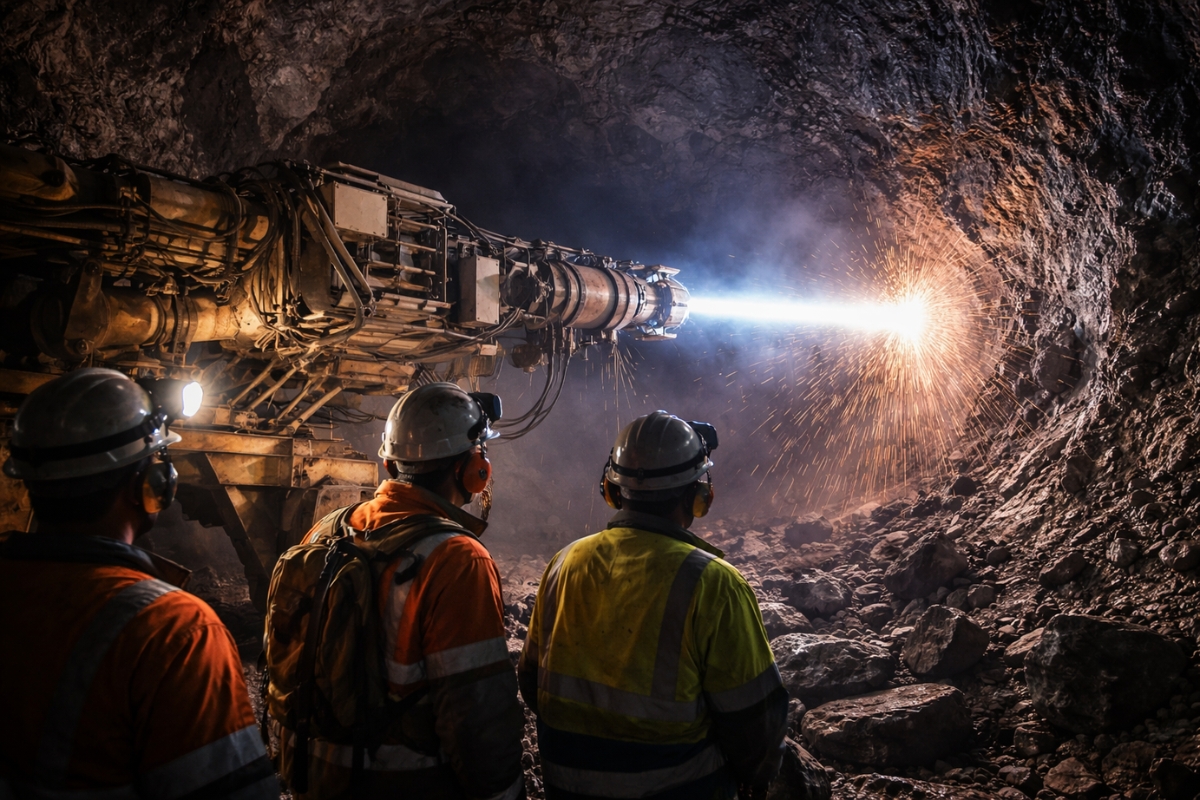
100 kW megalasers are already pointing to a new industrial phase, with enough power to cut thick steel, drill through rocks, accelerate mining, and increase productivity in operations previously considered too difficult.
-
Thousands of people in poor countries are paid cents to film household tasks, label images, and operate systems remotely all day long, and this invisible work fuels a $17 billion market that trains the artificial intelligences of Google, Tesla, and Meta.


Around 80 million years ago, Australia finally detached from Antarctica and began its solo journey. And since then, it has never stopped moving.
The Constant Movement Of The Indo-Australian Plate On The Continent
The Australian continent has a certain destination: north. For the past 50 million years, it has been slowly moving in that direction and shows no signs of stopping anytime soon.
The curious detail? This displacement happens so slowly that no one notices it in their daily lives. But, in the long run, it makes all the difference. So much so that, in 2016, the maps of Australia were 1.5 meters out of place! This forced the government to adjust the country’s geographic coordinates so that GPS systems and digital maps wouldn’t be outdated.
And as Professor Zheng-Xiang Li from Curtin University said, “Like it or not, the Australian continent will collide with Asia.”
The Impact Of Continental Movement
This displacement of Australia is not new, and one of the most fascinating impacts of this movement was the creation of the Great Barrier Reef. As the continent moved north, it entered a region with tropical waters, creating the perfect environment for coral reef growth.
In other words, without this movement, one of the most incredible ecosystems in the world might not even exist.
Australia may be an island, but that doesn’t mean it stands still. As we mentioned, in 2016, the country had to update its coordinates because its maps were misaligned by nearly 2 meters.
Now, imagine what it will be like millions of years from now! Entire cities could be in completely different locations than today.
What Happens When Australia Collides With Asia?
Australia is famous for its unique animals—kangaroos, koalas, platypuses… But what happens when this exotic fauna encounters the animals of Asia?
Many people have already discussed this, and some predictions are not very encouraging. Some species may become extinct due to competition with Asian animals that are better adapted to certain environments. Others may evolve to survive in this new scenario.
And the biggest change on the continent? The climate! Australia may end up in the tropical zone, becoming much hotter and wetter than it is today. In other words, a country that has huge deserts could transform into a vast tropical rainforest.
The Increase In Seismic Activity
Another thing that is expected to happen is an increase in earthquakes. When two tectonic plates collide, the pressure generated can cause tremors and even tsunamis.
Today, this movement is still too slow to cause major disasters. But in the future, this could become a problem.







Com a tecnologia tão avançada talvez tenha mudanças sobre os seres humanos. Uma era da evolução espacial onde possivelmente poderá ter vida fora da órbita…..
Tudo mentira , é como o aquecimento global, feito um programa feito em computador , isso é tudo mentira, na realidade o homem não sabem nada aqui da terra é só teoria ,outra mentira que a Amazônia se desmatar de virar deserto e o pulmão do mundo, o que ela produz de oxigênio durante o dia ,a noite retira todo o oxigênio que produziu , outra não existem placas técnicas é outra teoria mentirosa o planeta é sólido e não líquido ,já é comprovado ,e a Amazônia é zona tropical de baixa atitude , só se transforma deserto em zona tropical de alta atitudes, a Amazônia e no máximo de 260 metros nunca será desértica, quando a terra passa a Lina do Equador os ventos mudam de direção e a umidade da costa norte da América do Sul os ventos sopram do norte para o continente trazendo umidade do mar e ocorrem as chuvas tropicais ,se vocês não tenham conhecimento pesquisa e estuda e não ser analfabetos
Mentira os dentistas não sabem nada