





 Portuguese
  English
  Spanish
  5 min of reading
  0 comments


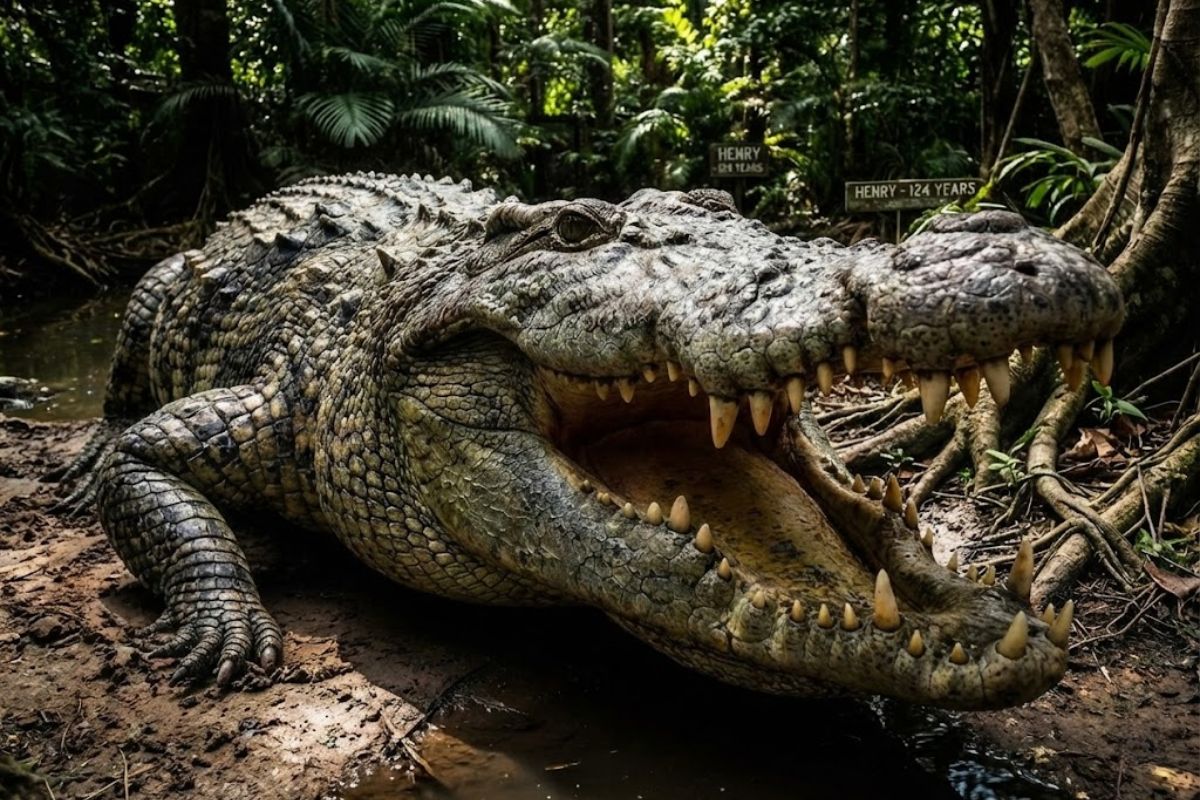
At 124 Years in 2025, The Oldest Crocodile in The World, Henry, Is Five Meters Long, Weighs About A Ton, Lives At The Crocworld Conservation Centre, And Has Already Spawned Over Ten Thousand Offspring, Becoming A Global Symbol of Longevity in Captive Crocodiles Monitored Under Constant Veterinary Care
On December 19, 2025, the oldest crocodile in the world, a Nile crocodile named Henry, was featured at the Crocworld Conservation Centre in South Africa as one of the longest-lived reptiles ever recorded in captivity, with an estimated age of 124 years, about five meters long, and weighing nearly a ton.
Over more than a century, Henry has produced over ten thousand offspring, maintained active territorial behavior, and continues to dominate the tank in which he lives, reinforcing his role as a rare case of extreme longevity and as a reference for researchers interested in slow aging, immunity, and the conservation of large crocodiles.
Why Henry Is The Oldest Crocodile in The World in Captivity

Henry is classified as the oldest crocodile in the world in captivity because he has continuous records in zoological collections since the early 1900s, something unusual for wild animals captured so many decades ago.
-
These living root bridges and ladders are over 700 years old and help indigenous people survive in one of the rainiest regions in the world.

-
From sertanejo star to international investor: Ana Castela invests millions in a mansion in the USA, creates a themed accommodation in Orlando, and shows that the “boiadeira” also wants to grow away from the stage.

-
The 10 most stunning motorhomes in the world: a $3 million trailer with a rooftop nightclub and garage for a Ferrari, “palaces on wheels” with Italian marble, private cinema, and five-star hotel luxury for billionaires.

-
Trump wanted to spend $400 million on the White House, but the courts prohibited the million-dollar construction.


The estimated age combines historical documentation, management records, body size, and comparison with other individuals of Crocodylus niloticus.
In captivity, Nile crocodiles often exceed 60 or 70 years old when they receive regular feeding, sanitary control, and veterinary monitoring, but approaching 120 years is considered exceptional.
Therefore, Henry appears in the major longevity surveys of reptiles maintained in controlled environments, serving as a benchmark to assess the biological limits of the species.
For the technical team at the Crocworld Conservation Centre, the fact that the oldest crocodile in the world still displays typical behaviors of a dominant male, such as patrolling the tank and reacting to approaches, reinforces the perception that aging in crocodiles follows a different dynamic than that observed in large mammals.
Extreme Longevity and Negligible Senescence in Nile Crocodiles

Studies on animals like Henry utilize the concept of negligible senescence, where classic signs of aging appear more slowly or less noticeably.
Instead of completely losing the ability to reproduce, the oldest crocodile in the world remains fertile and capable of defending his territory even at an advanced age.
Research on Nile crocodiles indicates that a robust immune system, with an abundance of antimicrobial peptides in the blood, helps combat bacteria, fungi, viruses, and possibly some types of tumors.
In very old individuals, like the oldest crocodile in the world, this arsenal of defense molecules is observed with particular interest by immunologists.
This does not mean a complete absence of wear and tear.
Even in cases of extreme longevity, there are joint changes, accumulated scars, and metabolic adaptations throughout life.
The difference is that, in species like Crocodylus niloticus, the pace of these changes tends to be slower compared to that of humans and other large mammals.
How Very Old Crocodiles Commonly Die
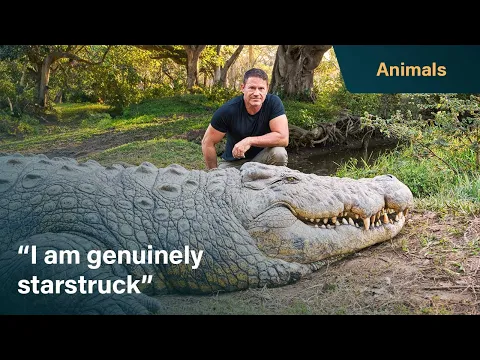

In the wild, most deaths of very old Nile crocodiles are associated with external factors.
Prolonged drought can cause hunger, reducing the availability of fish and other aquatic prey and forcing animals to compete for resources in increasingly smaller spaces.
Fights between males for control of hunting and breeding areas often result in fractures, deep wounds, and secondary infections.
Opportunistic diseases find fertile ground in individuals already weakened by injury or malnutrition, increasing the risk of death over the years.
Interaction with humans is also decisive: illegal hunting, poisoning, destruction of wetlands, and conflicts in fishing areas are among the main causes of mortality associated with human action.
In captivity, controlled conditions reduce many of these risks, which helps explain how the oldest crocodile in the world reached such a high age.
What Science Seeks in Henry’s Blood and Body
Very old crocodiles pique the special interest of comparative immunology, a field that tries to identify, in the blood of these reptiles, antimicrobial peptides with potential uses against resistant bacteria, aggressive fungi, and other microorganisms relevant to human health.
Some studies evaluate the effect of these molecules on cancer cells in a laboratory setting.
In the biology of aging, the oldest crocodile in the world serves as a model to understand DNA repair mechanisms, control of chronic inflammation, and tissue renewal in long-lived organisms.
The combination of preserved fertility, robust immune defense, and tissue regeneration capability attracts the attention of multidisciplinary teams.
Among the research routines associated with cases like Henry’s are systematic collection of data on estimated age, size, and body condition, analysis of blood samples to identify defense molecules, observation of reproductive behavior over long periods, and comparison of physiological parameters with other reptile and mammal species.
Ambassador of The Species and A Key Piece in Environmental Education
In addition to being the oldest crocodile in the world in captivity, Henry serves as a sort of ambassador for Nile crocodiles to the general public.
His story helps explain why large aquatic predators are important for the balance of ecosystems and how the disappearance of these animals alters entire food chains.
When receiving visitors, the Crocworld Conservation Centre uses Henry’s example to highlight risks of conflicts between humans and crocodiles, the need to preserve aquatic habitats, and the importance of management policies that reduce episodes of hunting, poisoning, and destruction of wetlands.
The combination of scientific data, direct observation, and long-term narrative transforms the oldest crocodile in the world into a powerful tool for environmental education.
By following Henry’s routine and understanding how he reached 124 years in 2025, the public has concrete contact with themes like conservation, animal welfare, and the limits of longevity in reptiles.
In light of Henry’s story, the oldest crocodile in the world, do you think such long-lived animals should remain in captivity for research and environmental education, or should they be kept in environments closer to their natural habitat?







-

-

-

4 pessoas reagiram a isso.