





 Portuguese
  English
  Spanish
  4 min of reading
  0 comments


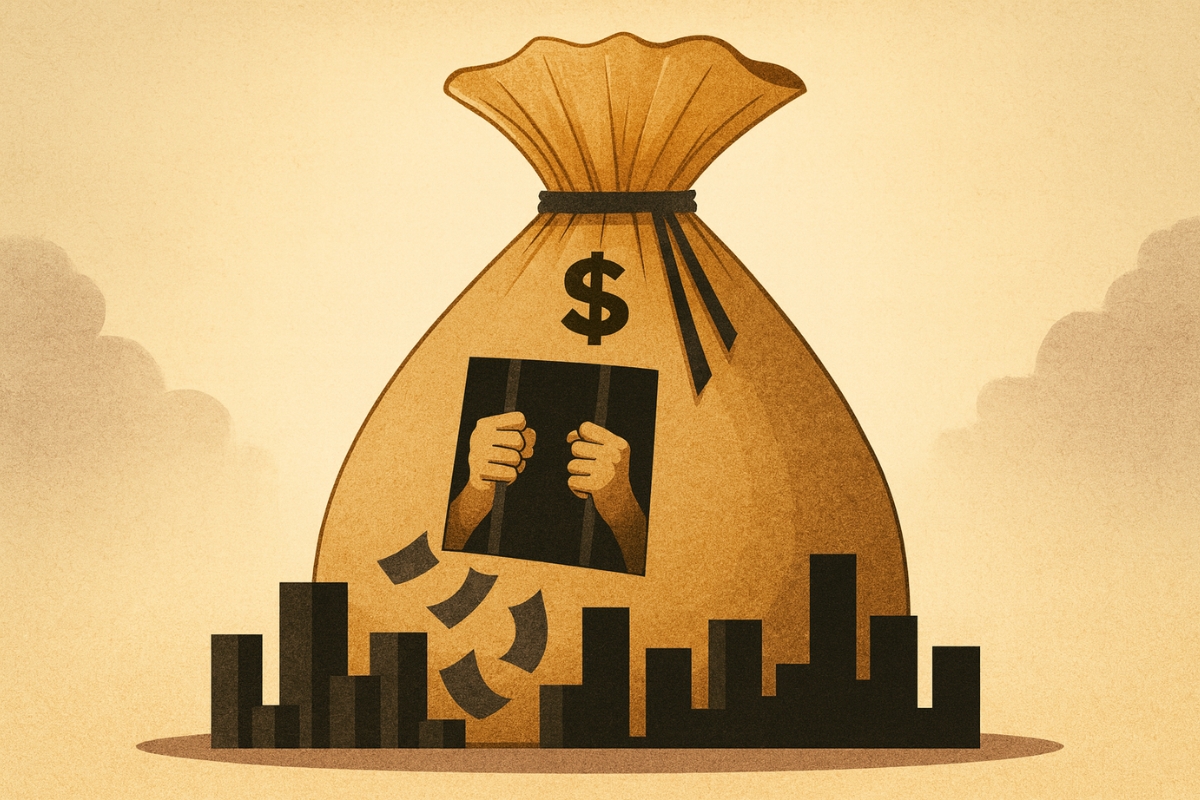
Brazil Spends Over R$ 10 Billion on Prisons Alone in 2025. Each Inmate Costs R$ 2,498 Per Month, Above the Minimum Wage, in an Overcrowded System That Ranks 3rd Worldwide in Incarceration
Maintaining the Brazilian prison system consumes impressive figures from the public budget. According to official data from the National Penitentiary Department (Depen), the average cost per inmate is R$ 2,498.34 per month, nearly a thousand reais above the current minimum wage, set at R$ 1,518.
This contrast highlights an urgent debate: the country spends billions on incarceration but continues to face overcrowding, criminal recidivism, and structural flaws.
A Billion-Pound Weight for Public Coffers
Just in the first half of 2025, Brazil disbursed over R$ 10 billion to keep the prison system operational. Of this amount, the food for inmates is one of the categories that has grown the most, reaching R$ 1 billion in expenses — a jump of 39% compared to the previous period.
-
Brazil’s oil exports soar with record purchases from China, potentially generating a new cycle of economic growth, increasing external revenues, and consolidating the country as a global strategic supplier.

-
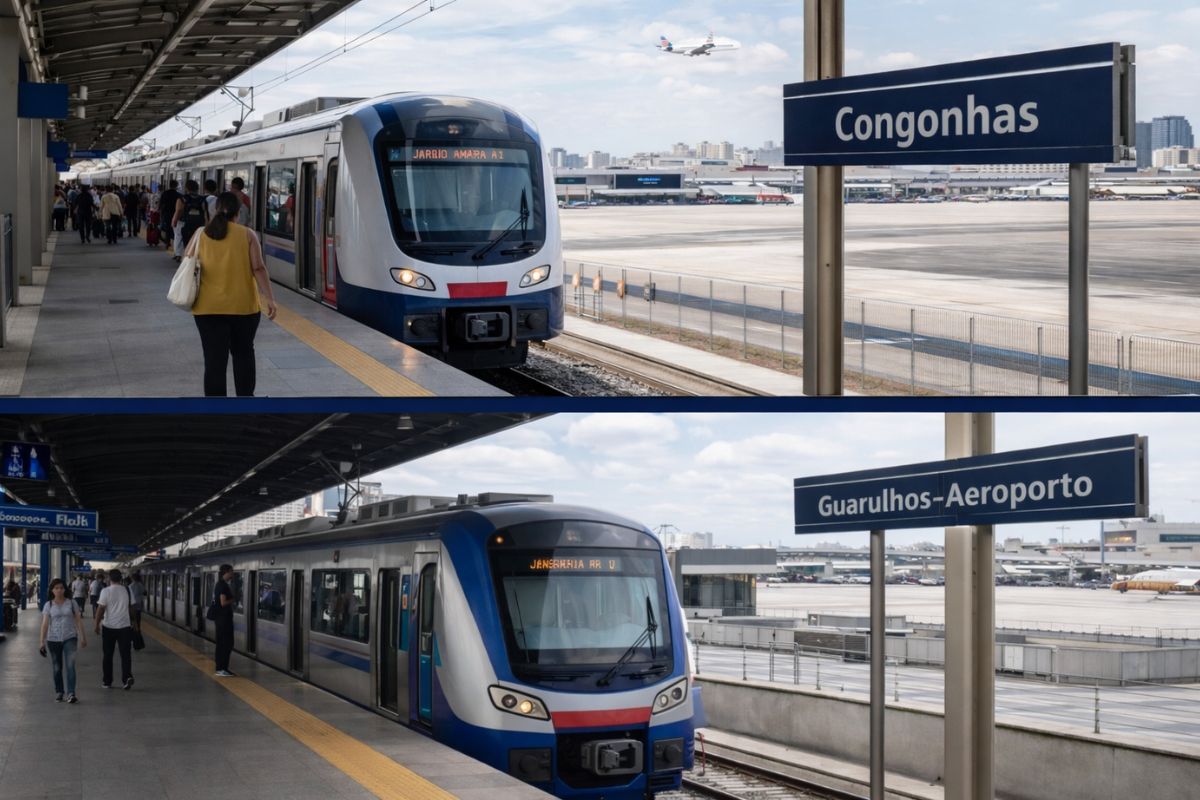
São Paulo has connected its two airports by rail for the first time in history, and now you can travel by train from Congonhas to Guarulhos for just R$ 5.40. However, the journey requires four transfers, takes about two hours, and only operates during a narrow time window that almost no one can use.
-
The savings of Brazilians are depleting: savings accounts recorded the third consecutive month of withdrawals, with over R$ 41 billion taken out in the first quarter of 2026, the largest outflow in an entire year.
-
Curitiba will have a direct flight to Europe starting in July, and for the first time in history, Paraná will have a continuous air connection with Europe, saving three hours of travel for passengers who previously needed to connect in São Paulo.

This data contrasts with the reality of millions of Brazilians living on incomes below the minimum wage, accentuating the perception of imbalance between the costs of maintaining inmates and investments in social areas such as health and education.
Overcrowding and Disparity Between States
Brazil currently has over 909,000 people serving sentences, according to the latest survey by Depen. Of these, 674,000 are in physical cells and about 235,000 are under house arrest, often under electronic monitoring.
Despite the billion-dollar investment, the reality inside the prisons remains marked by overcrowding. The installed capacity in 2024 was just under 500,000 places, which means a deficit greater than 400,000 spots.
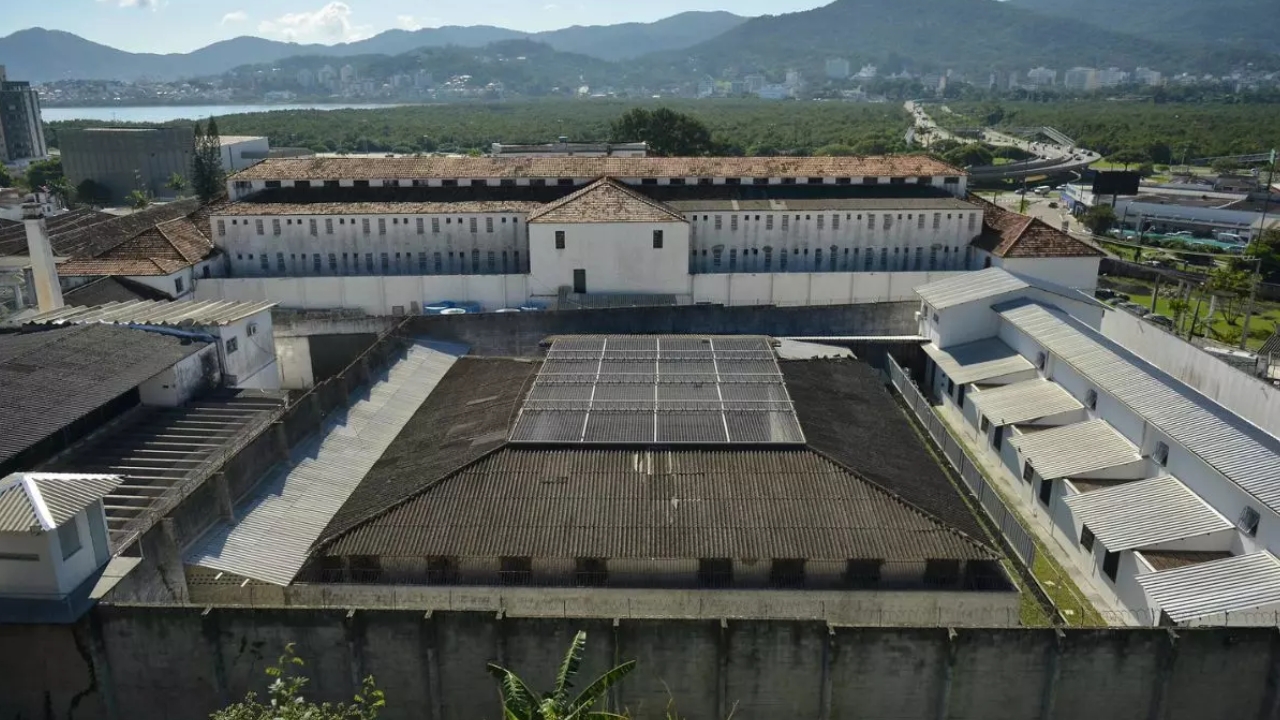
This difference places the country among the global leaders in incarceration, alongside the United States and China.
Another noteworthy factor is the variation in the cost per inmate between states. While in some places the monthly spending is around R$ 1,100, in others, like Bahia, it exceeds R$ 4,300 per inmate.
The discrepancy reveals not only administrative inequality but also flaws in resource management.
Federal Maximum Security Prisons: A Case Apart
If costs are already high in state penitentiaries, the scenario becomes even more burdensome when analyzing federal maximum-security units.
In 2024, the average cost per inmate in these institutions exceeded R$ 40,000 per month, a figure similar to that recorded in countries like the United States.
These units house leaders of criminal factions and inmates considered highly dangerous, requiring a much higher level of technological and security apparatus.
However, experts point out that maintaining such high figures for a small number of inmates raises questions about efficiency and return for society.
Social Impacts and Discussed Alternatives
The cost of maintaining an inmate being higher than the salary of a formal worker generates heated discussions in the political and social spheres.
For some, the figure highlights the need to rethink the current model, investing more in crime prevention, education, and social policies that could reduce crime in the long term.
Others advocate for expanding alternative measures to imprisonment, such as increasing house arrest with monitoring, restorative justice, and reintegration programs.
In 2024, around 158,000 inmates were already engaged in some work within the prison system, an initiative that helps reduce costs and opens pathways for post-sentence reintegration.
Brazil in the Global Incarceration Ranking
Brazil is currently the third country with the highest number of inmates in the world, behind only the United States and China.
This position places the country in a dilemma: even with billion-dollar expenditures, there are no signs of significant improvement in prison conditions or a reduction in violence.
This scenario reveals that the problem is not limited to figures. It is a structural challenge, involving everything from historical vacancies to the lack of effective reintegration and recidivism-combating policies.
A Debate That Goes Beyond Numbers
When it is observed that keeping a single inmate costs almost R$ 1,000 more than what a minimum-wage worker earns, the issue stops being merely accounting.
It exposes the weaknesses of a model that consumes billions but does not deliver proportional solutions to society.
While developed countries seek to reduce mass incarceration through legal and social alternatives, Brazil continues to increase its spending without resolving the issue of criminality.
The billion-dollar bill, at this rate, is likely to grow even larger — and with it, the questioning of whether the country is investing in the right paths for public safety.







-

Uma pessoa reagiu a isso.