





 Portuguese
  English
  Spanish
  5 min of reading
  0 comments


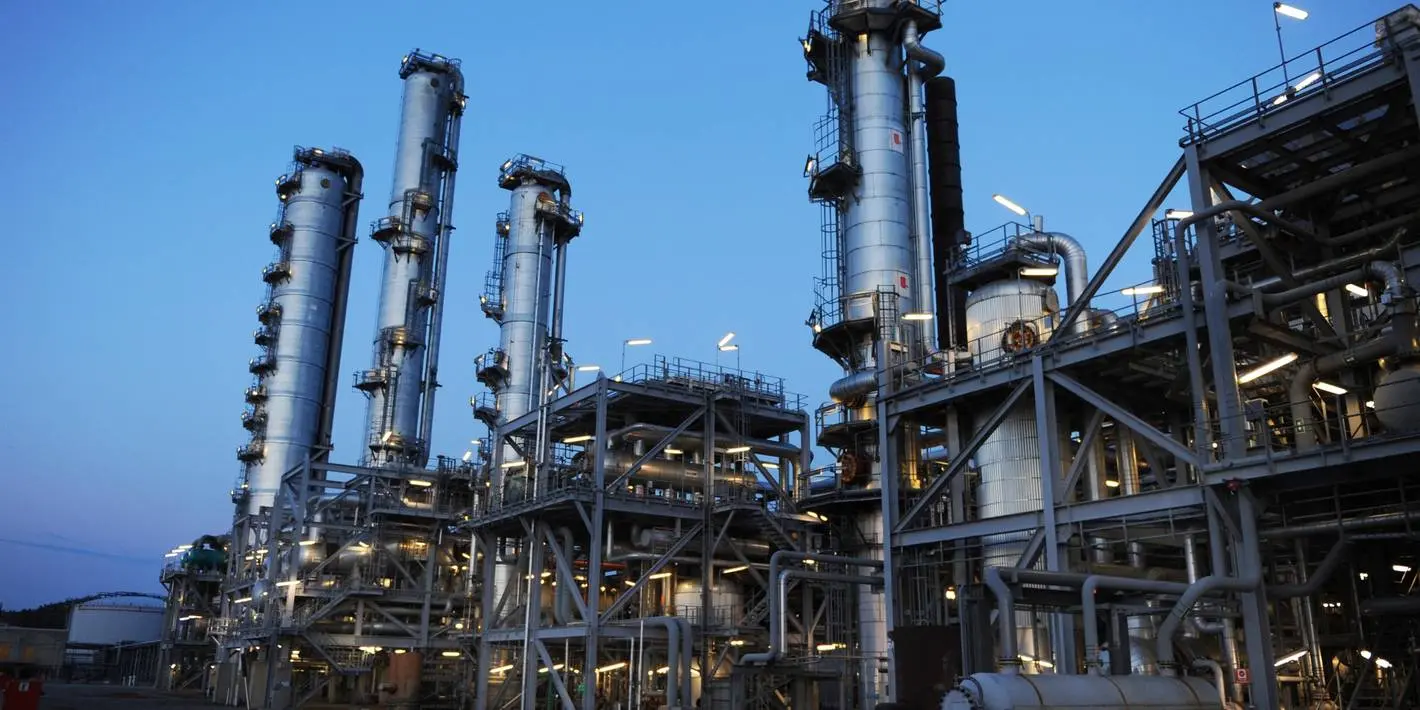
European Oil Majors Lead Blue Hydrogen Production, Missed Opportunities in Renewable Energy, Emission Reduction.
A Wood Mackenzie report revealed that only 8% of the blue hydrogen production projects are from large companies in the oil and gas sector. This represents a capacity of 102.6 million tons per year (Mtpa), indicating a long road ahead towards a more sustainable energy transition.
The oil companies and oil and gas companies have a very small share in blue hydrogen projects, totaling only 8% of the global capacity. This evidence reinforces the need for investment and greater engagement from the energy sector in cleaner alternatives, such as green hydrogen and blue hydrogen.
Scaling Blue Hydrogen in the Next Decade: European Oil Majors and Oil and Gas Companies
- ‘The intention of these companies is to make industrial scale projects operational by 2030 to pave the way for industrial scale in the next decade’, says Wood Mackenzie.
- The consultancy forecasts rapid changes, with the market consolidation, currently attracting 750 participating companies, and the announcement of large projects by oil companies.
Equinor, BP and Shell Leading Blue Hydrogen Initiatives
- Oil majors are focused on blue hydrogen, produced with natural gas combined with carbon capture and storage (CCS).
- The main advantages of blue hydrogen over green hydrogen for oil companies are its competitive cost and its ability to provide low-carbon hydrogen at scale, assesses Bridget van Dorsten, senior research analyst at Wood Mackenzie.
- The majors hold 23% of blue hydrogen projects but only control 5% of announced green hydrogen ventures. Most are from European oil companies, which already have renewable, wind, and solar generation portfolios.
- ‘The question is whether the focus on blue hydrogen could lead to missed opportunities once green hydrogen reaches an investment inflection point. After all, green hydrogen is expected to account for 70% of global low-carbon hydrogen supply by 2050’, says van Dorsten.
Kerry Criticizes Chevron for Not Adhering to Methane and Carbon Emission Targets
The U.S. Special Presidential Envoy for Climate, John Kerry, criticized Chevron for not adhering to the targets to eliminate methane emissions by 2030 and carbon emissions by 2050, as over 50 other oil companies have done during COP28. ExxonMobil also did not adhere, but is adopting other measures in the same direction, according to him.
-
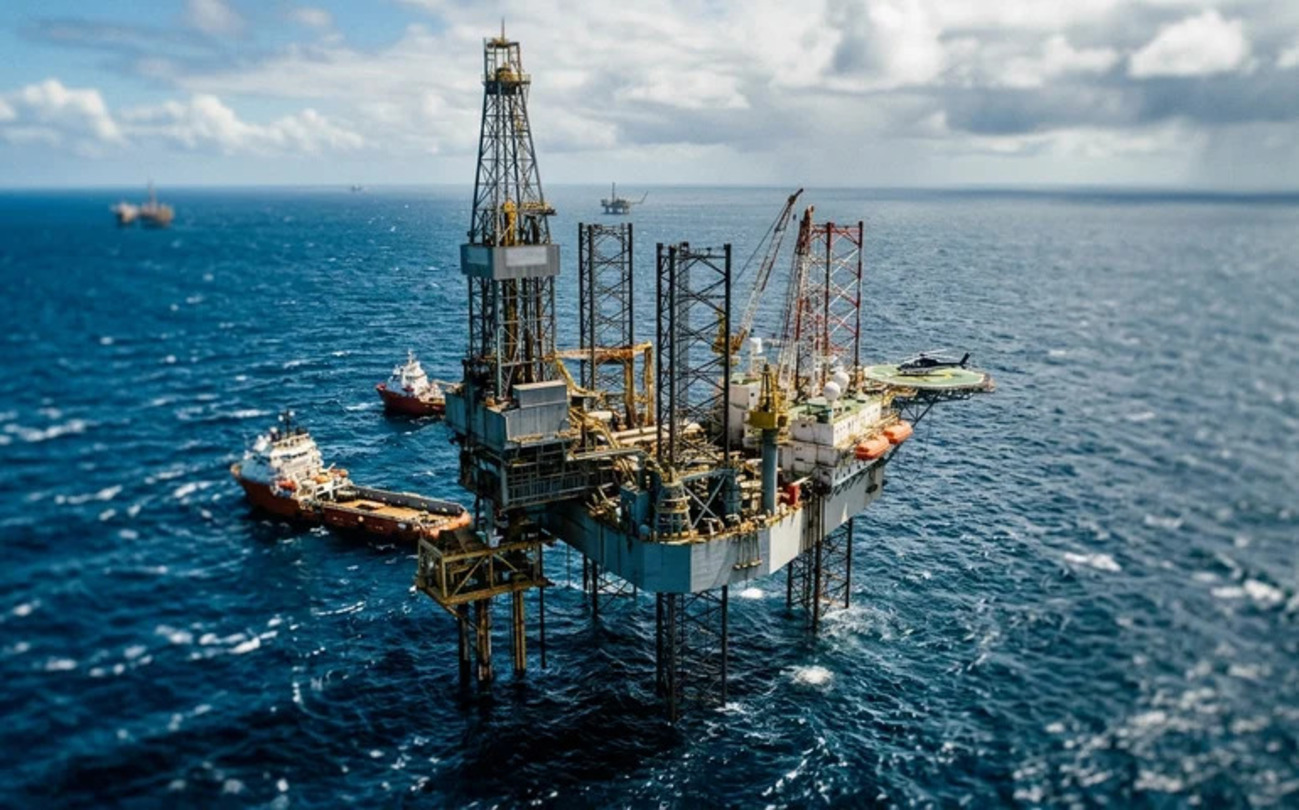
Brazilian giant expands borders in the Southeast: Petrobras confirms new oil discovery in ultra-deep waters in the pre-salt of the Campos Basin.
-
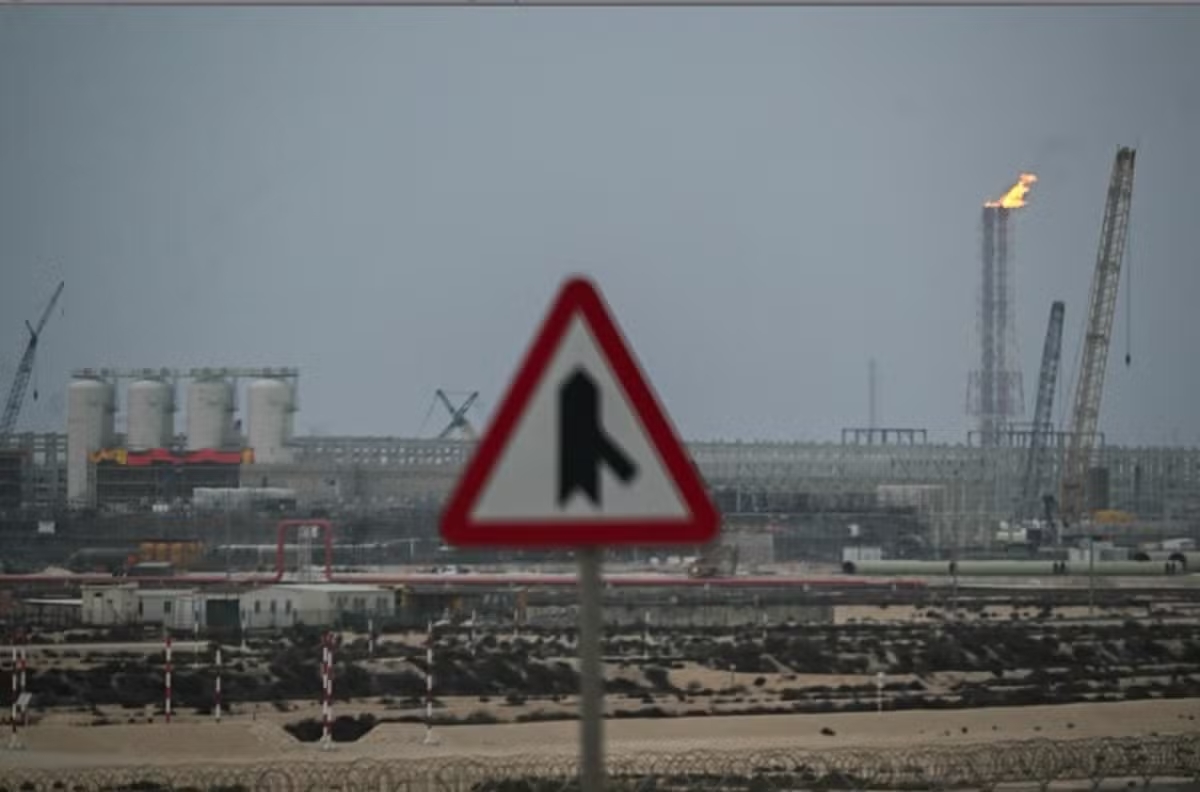
Alert in the global energy market: Severe tropical cyclone hits the coast and disrupts gas production at major plants in Australia, threatening global supply.
-
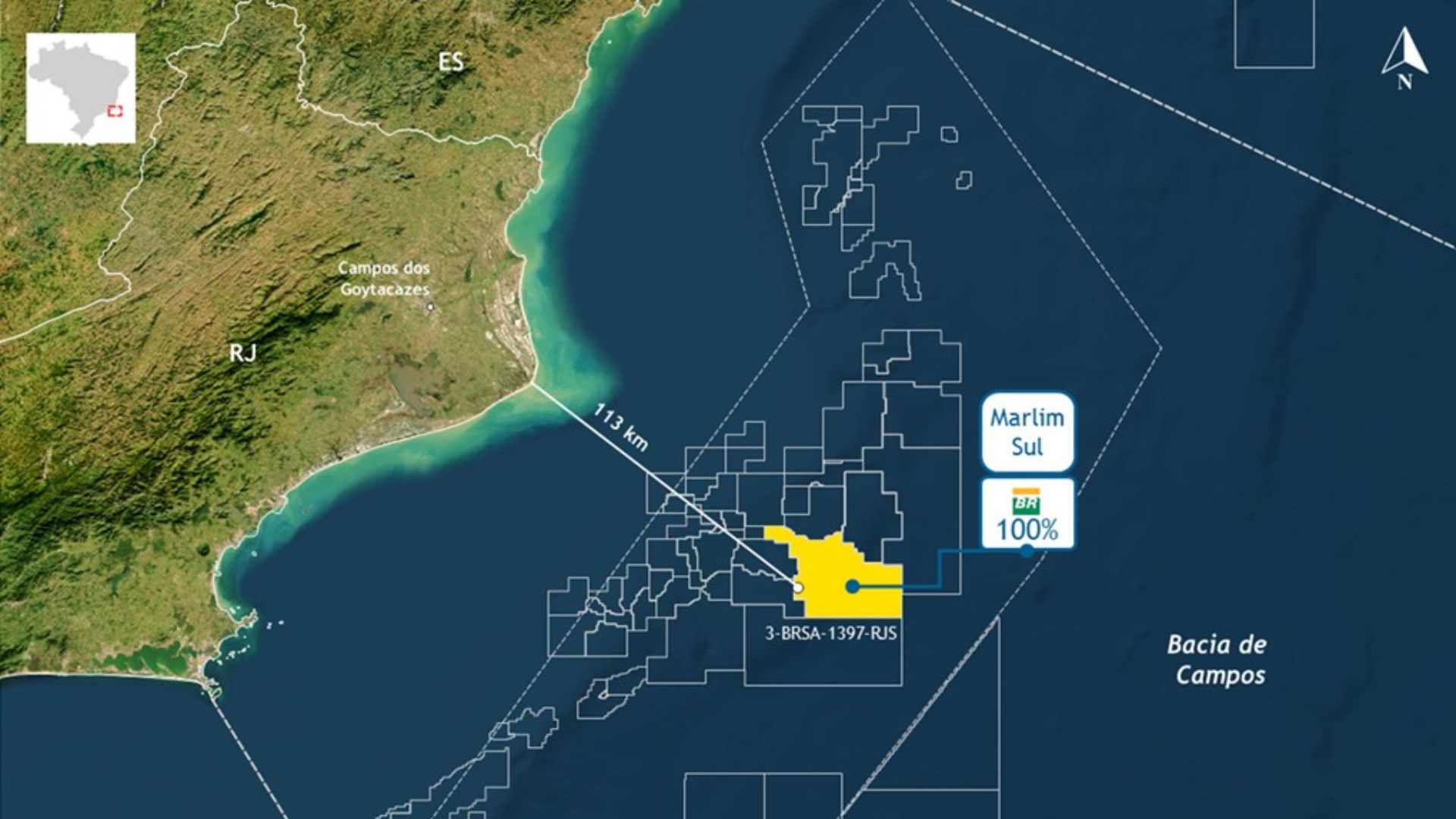
Petrobras finds high-quality oil in the pre-salt at 113 km from RJ and reignites expectations about strategic reserves in the Campos Basin.

-
Ocyan opens registrations for startups focused on innovation in the oil and gas sector and will select projects for Innovation Day with the support of Nexio.


- Chevron defended itself by stating that it has already set emissions reduction targets and that ‘no company, country, or industry can fully address climate change alone’.
Regulation of Methane in the Oil and Gas Sector by Alexandre Silveira
The Minister of Mines and Energy, Alexandre Silveira, said that the federal government intends to regulate methane emissions in the oil and gas sector in the coming years. He did not mention creating domestic targets.
- The guidelines will be proposed to the National Energy Policy Council (CNPE) by 2024, and it will be up to ANP to complete the regulation by the end of 2025.
- Petrobras has signed the Letter for the Decarbonization of Oil and Gas (OGDC), committing to ‘practically eliminate’ methane emissions by 2030.
Carbon Dioxide Emissions from Fossil Fuels Will Reach Record Levels in 2023
- Emissions of carbon dioxide (CO2) are predicted to reach 36.8 billion tons in 2023, a 1.1% increase from 2022, according to the Global Carbon Project research released at COP28.
Oil at Lowest Point in Nearly Five Months
Oil prices fell to a low of nearly five months this Tuesday (12/5) due to a stronger dollar, concerns about demand, and minimal effect from the agreed cuts in OPEC+.
- Brent futures fell 1.1% to US$ 77.20 per barrel, while WTI decreased 1% to US$ 72.32 per barrel. It was the lowest close since July 6.
Webinar “The Future of Energy Comes from Vibra” in Partnership with EPBR and Vibra
The EPBR, in partnership with Vibra, will hold the webinar ‘The Future of Energy Comes from Vibra’ on Thursday (12/7) starting at 9 AM, where we will discuss the energy transition in transportation and industry, with new demands from society and investments for decarbonization of fossil fuels, biofuels, SAF, and electrification of fleets.
We will also address energy management and carbon offsetting, as the migration to a low-emission economy also involves empowering the consumer, with broad access to the free market, energy efficiency, distributed generation, and self-production of energy.
Lula Plans to Visit Guyana Next Year
President Luiz Inácio Lula da Silva (PT) stated this Tuesday (12/5) that he wishes to visit Guyana next year for the Caribbean Community (Caricom) meeting. He did not relate the visit to the territorial dispute with Venezuela over the Essequibo region.
- ‘Next year I have two trips I want to make: one is to a meeting of the African Union, of the 54 African countries, which will be in Addis Ababa in Ethiopia; and the other is to Guyana, a meeting of the Caricom countries. I want to participate in these because they are things I am interested in discussing with them about democracy, about the UN system, about financing’, Lula said.
Fines for Braskem
The petrochemical company received two fines totaling R$ 72 million from the government of Alagoas due to the risk of collapse and landslide at mine 18, in the Mutange neighborhood, in Maceió. The company has already received 20 violations related to the mine.
- One fine was for environmental degradation and the other for withholding information. The company denied having withheld information.
- The agreement provides for Braskem to pay R$ 1.7 billion, which exempts it from any further payments related to the extraction of rock salt in Maceió.
Bill for Voluntary Certification of Green Lithium to Be Voted On
The Bill for voluntary certification of green lithium (PL 2809/2023), by Deputy Adriana Ventura (Novo/SP), is set to be voted on this week by the Chamber of Deputies.
- The proposal aims to enhance Brazil’s potential in lithium production with lower carbon intensity. Currently, Sigma Lithium is the only company in Brazil that meets the criteria set by the project.
New Version of Green Hydrogen Requirements Includes Biomass
A new version of the green hydrogen (H2V) requirements from the Green Hydrogen Organization (GHO) – a private initiative aimed at globally harmonizing criteria for the energy source – included biomass as a source of renewable electricity suitable for H2V production.
Coamo Agroindustrial Decides to Install the First Exclusive Corn Ethanol Plant in Paraná
Coamo Agroindustrial, Brazil’s largest agricultural cooperative, is set to decide on December 13 the installation of the first exclusive corn ethanol plant in Paraná, with a capacity to produce 258 million liters of ethanol per year.
Brazilian Fertilizer Market Expected to Grow 7.3%
The Brazilian fertilizer market is expected to grow 7.3%, reaching about 44 million tons in 2023, up from 41 million in 2022, said Yara Brasil’s president, Marcelo Altieri.
- The executive stated that the company is supporting government efforts to encourage fertilizer production and called for more competitive gas.
- On Monday, Geraldo Alckmin defended the tax exemption for gas used in fertilizers.
Aneel Approves Priorities for Its Regulatory Agenda for 2024/2025
The National Electric Energy Agency approved the priorities for its regulatory agenda for 2024/2025, including topics ranging from the regulation of new generation technologies to strengthening distribution and transmission networks to withstand extreme weather events.
- Among the 30 points are: regulations for offshore wind and energy storage systems, access to the transmission network for renewable generators in the free market, among others.
Source: EPBR









Seja o primeiro a reagir!