Portuguese
  Spanish


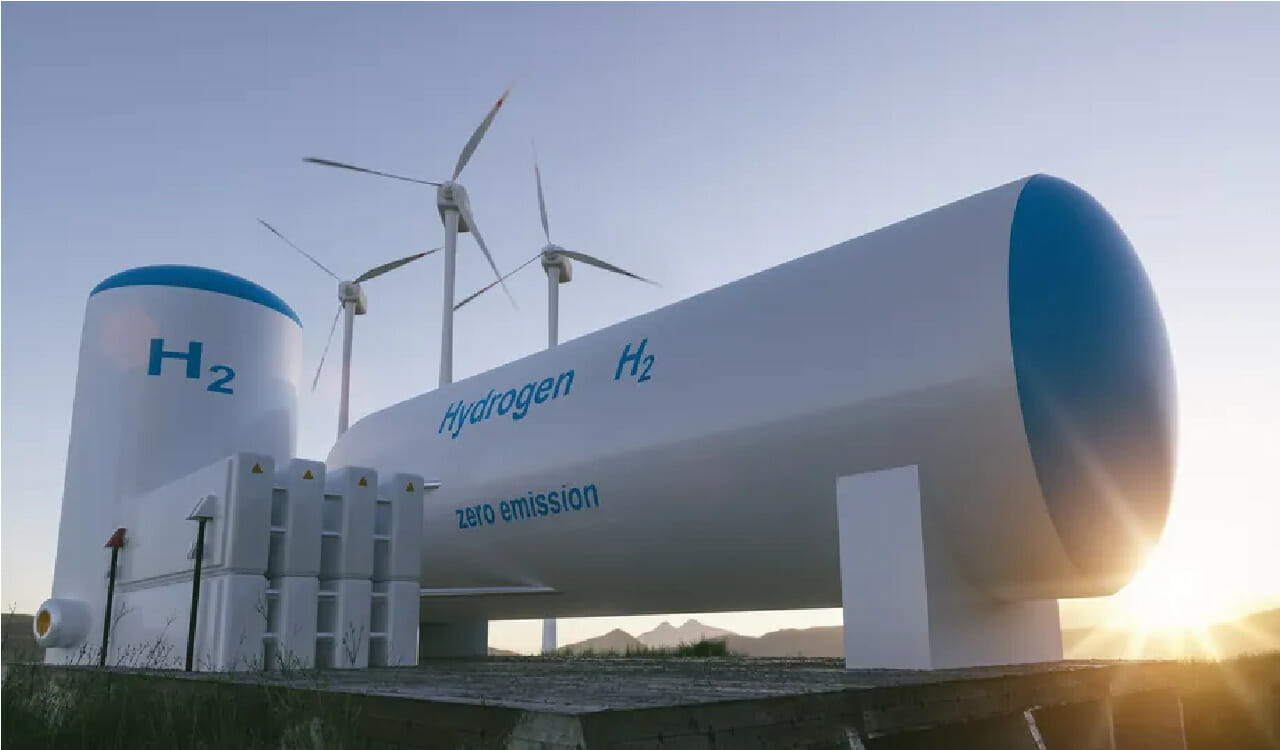

The Partnership for Blue Hydrogen Production Is Seen As Yet Another Form of Clean Fuel Production and Represents Another Alternative for Sustainable Energy Generation
Lummus Technology, based in the United States, and Biohydrogen Technologies, from the United Kingdom, have announced a strategic collaboration aimed at revolutionizing the sustainable energy production of blue hydrogen. Through the joint development of an advanced syngas reactor technology, both companies are preparing to create a more efficient and environmentally responsible alternative for obtaining this essential resource for the energy transition, according to Petronotícias.
The agreement between Lummus Technology and Biohydrogen Technologies focuses on creating innovative energy technology for syngas reactors, primarily aimed at blue hydrogen production. Blue hydrogen is obtained from burning fossil fuels, such as natural gas, but with the efficient capture of the resulting carbon dioxide emissions, making it a more sustainable option compared to traditional methods.
Efficiency and Sustainability As the Pillar of the Technology Partnership
The Green Circle business and technology unit of Lummus Technology will provide its extensive experience in hydrogen and syngas plant projects, as well as reactor scaling and design, and equipment supply, to Biohydrogen Technologies. Together, the energy and technology companies aim to achieve large-scale hydrogen production from natural gas, with a remarkable thermal efficiency of 90% (LCV) and an impressive capture of over 99% of the generated carbon dioxide, under pressure.
-
Engie Secures 10-Year Use of 625 MWh in Batteries to Store Excess Solar and Wind Energy in Spain by 2028

-
Giant Batteries Take Center Stage in Chile Auction as Company Offers 960 GWh of Solar Energy for Nighttime Use, Aiming to Stabilize Solar Power Supply
-
After a Year of Success in Switzerland, Solar Railway Attracts Italy’s Interest for Clean Energy Transformation
-
Brazil to Introduce B16 Diesel with Increased Soybean Oil Content for Trucks by 2026



One of the features that differentiate the energy technology resulting from this agreement is its high thermal efficiency, which promises a more sustainable and cost-effective hydrogen production. Additionally, the designed technology process presents a reduced capital cost and a smaller physical footprint, which can significantly contribute to the economic and environmental viability of this hydrogen production method.
Vision for a Cleaner and More Sustainable Future
The CEO of Biohydrogen Technologies, Geoff Weedon, expressed his confidence in the technology collaboration, stating that the partnership between the intellectual property capabilities of Biohydrogen Technologies and the expertise of Green Circle / Lummus Technology will result in highly efficient practical blue hydrogen production. Weedon emphasized that this joint effort has the potential to make a significant difference in hydrogen generation for energy use, contributing to the reduction of CO2 emissions.
Union of Forces for a Sustainable Future
The President and CEO of Lummus, Leon de Bruyn, highlighted the importance of the partnership at a time when the world seeks solutions to generate large volumes of hydrogen for energy while facing the critical challenge of reducing CO2 emissions. He reinforced Lummus’s commitment to developing and deploying innovative and decarbonized solutions, working together with Biohydrogen Technologies to achieve this common goal.
In an increasingly energy sustainability-oriented global landscape, initiatives like this highlight the capability of technology companies to collaborate in shaping a cleaner and more efficient energy future. The partnership between technology company Lummus Technology and Biohydrogen Technologies represents an important step toward a world driven by more sustainable and less environmentally impactful energy sources.