Portuguese
  Spanish



Exxon, After Board Modification, Changes Its Decarbonization Goals and Announces Investments for the Coming Years.
Exxon increased its decarbonization targets according to the amount of oil extracted, going relatively against the trend of its European competitors when it comes to effective decarbonization. The oil company became more active on ecological aspects after the company lost seats on the board in a proxy battle against the hedge fund Engine Number One, which occurred in mid-year, surprising many in the market.
- ExxonMobil Oil Company Projects to Start Oil and Gas Exploration at the Mouth of the São Francisco River
- ExxonMobil Informed ANP About the Existence of Oil and Natural Gas in Its Asset in the Campos Basin
- Pre-Salt Auction Reaches Its Sixth Round and ANP Already Has 13 Companies Registered
- Biomethane Certification, Inauguration of 45 New Plants in 2021 and the Future of Decarbonization Were Topics of the VIII Abiogás Forum
Despite the change, there is still dissatisfaction regarding the U.S. giant’s actions concerning market decarbonization and the need to take advantage of this transition moment to maintain the company’s value, even with the shift from fossil fuels to green alternatives.
Andrew Logan, Senior Director of Oil and Gas at Ceres Roadmap for Sustainability and co-coordinator of the investors’ action against Exxon’s management, said, in translation, that “it’s hard to find any signs that there has been any improvement in the company’s attitudes regarding climate change with the new Board election, although it’s early to conclude.”
-
It’s official: Petrobras takes 75% of block 3 in São Tomé and Príncipe and debuts as an offshore operator outside South America.

-
With a record production of nearly 3 million barrels per day, Petrobras resumes importing diesel in July, highlighting the bottleneck in Brazilian refining.
-
Qantas and Airbus Invest in Company Aiming to Convert Unsorted Household Trash into Jet Fuel

-
Brazil’s ANP Opens 86 New Oil Blocks in the Equatorial Margin, Expanding the Amazon River Mouth Frontier


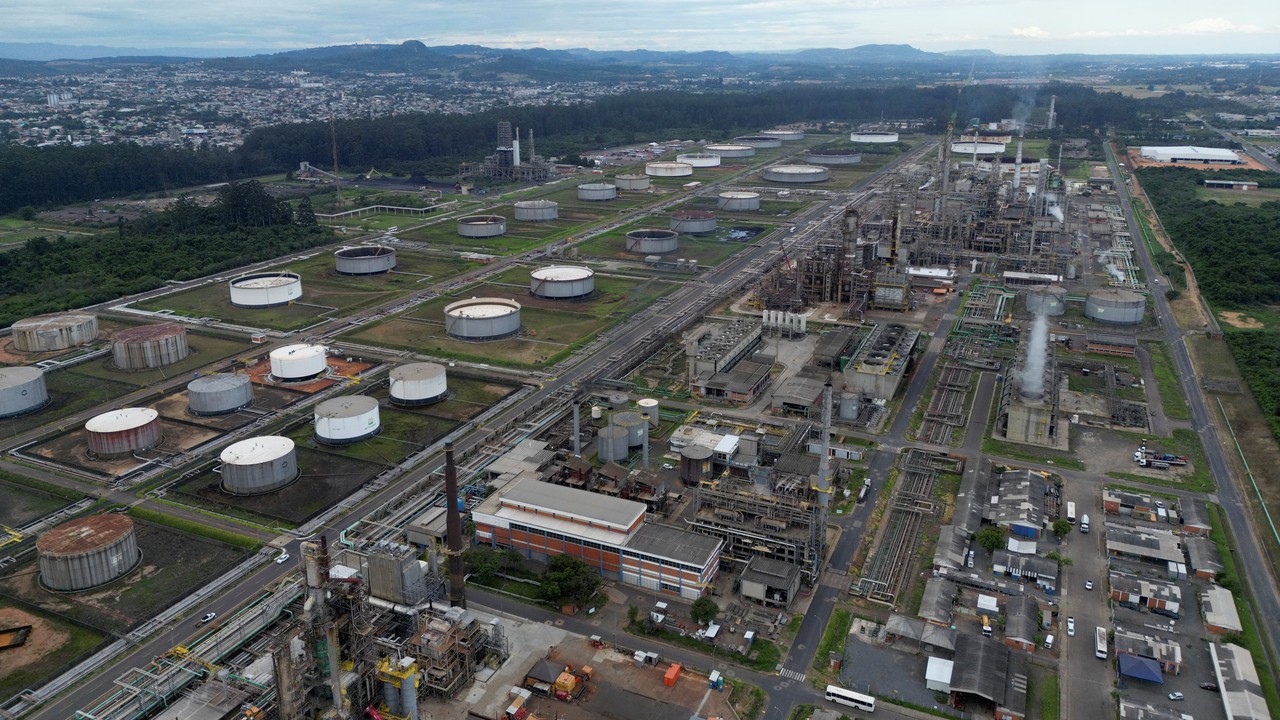



Why Is Exxon’s Decarbonization Goal Being So Criticized?
Exxon’s new decarbonization targets are being criticized for being relative measures and, moreover, do not hold the company accountable for emissions directly caused by its products.
Exxon promised to reduce greenhouse gas emissions intensity between 20 and 30% by 2030. Although still a higher target than previously proposed, it continues to be criticized for conditioning the reduction of emissions to the amount of oil extracted and processed.
In other words, if the extraction and production of oil decrease, it is possible that Exxon may not reduce its emissions at all, in exact numbers.
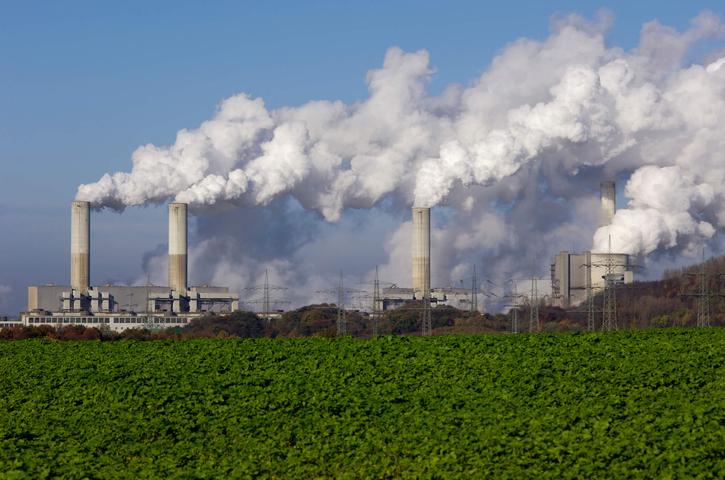
Furthermore, it is only proposing to reduce its own greenhouse gas emissions, not assuming responsibility for the emissions caused by the products sold, as other major European oil companies do.
The commitment to reduce the amount of fossil fuels in the market has been made, for example, by Shell and BP, as part of the global decarbonization effort.
Exxon’s Profits from Investments in Decarbonization and Carbon Capture Activities
Exxon has been experiencing a surge in profitability over the past year, largely driven by rising oil and gas prices.
Despite all this profitability, the investment amounts in new clean technologies are not very significant. There is a projected investment of US$15 billion by 2027 in carbon reduction research. It may seem like a lot, but this US$15 billion is very little compared to the US$35 billion that were planned in investments before the pandemic.
Much of the U.S. investments will be in Texas, New Mexico, and also in South America, in Guyana and possibly in projects in Brazil.

Of the US$15 billion for decarbonization research, much of this amount will be invested in decarbonizing current operations, with carbon capture technologies, while there are also investments in biofuels and hydrogen.
Exxon’s Investments in Brazil
Exxon has been showing interest in various investments in Brazil. From the exploration of the Bacalhau Field and other fronts, the company sees the country as a good bet for oil production with lower carbon emissions.
The pre-salt auction, scheduled to take place on December 17, could be another opportunity for the company to extend its investments in the country, as the company has been approved to participate in the auction by ANP (National Petroleum Agency).