





 Portuguese
  English
  Spanish
  5 min of reading
  11 comments


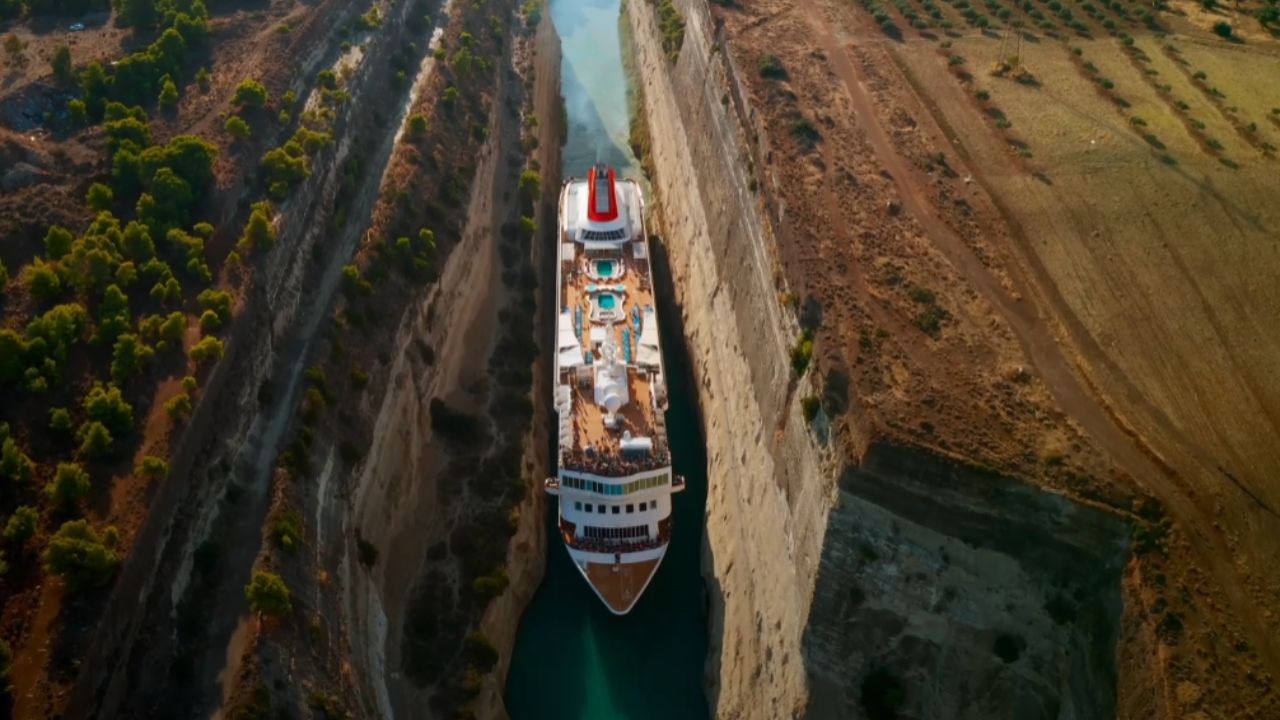


The Impressive Geological Shortcut, Built in 1893, Is a Triumph of Engineering, but Its Minimum Width of 21.3 Meters and Its Unstable Geology Have Made It Obsolete for Global Commerce, Turning It into a Challenge of Precision and Tourist Attraction.
The Corinth Canal, which connects the Gulf of Corinth (Ionian Sea) to the Saronic Gulf (Aegean Sea), is one of the most unique navigable waterways in the world, representing a linear incision of 6,346 meters through the narrow Isthmus of Greece. Although conceived to spare sailors a dangerous circumnavigation of 700 kilometers (430 nautical miles) around the Peloponnese, as confirmed by data from NASA Earth Observatory, its austere dimensions of only 21.3 meters wide at the bottom make navigation a feat of “surgical precision” for most vessels.
Operated by Corinth Canal S.A. (A.E.DI.K), the canal effectively cut the peninsula, turning it into an island. However, its engineering profile, with walls up to 90 meters high and an almost vertical cut, has created a permanent geological liability that requires perpetual maintenance. Extensive restoration work carried out between 2021 and 2025, according to statements from A.E.DI.K, underscores the ongoing struggle against the instability that has plagued this monolith of human ambition.
The Ancient Struggle Against Geology: From Nero to the Diolkos
The dream of piercing the Isthmus of Corinth is almost as old as Greece itself. In the 7th century BC, Periander, the Tyrant of Corinth, contemplated the project but abandoned it, erroneously fearing that the difference in sea levels could cause a catastrophic flood, possibly influenced by an oracle. Instead, he created the ingenious Diolkos, a paved road that functioned as a proto-railway where ships (and their cargo) were dragged over wagons across the Isthmus.
-
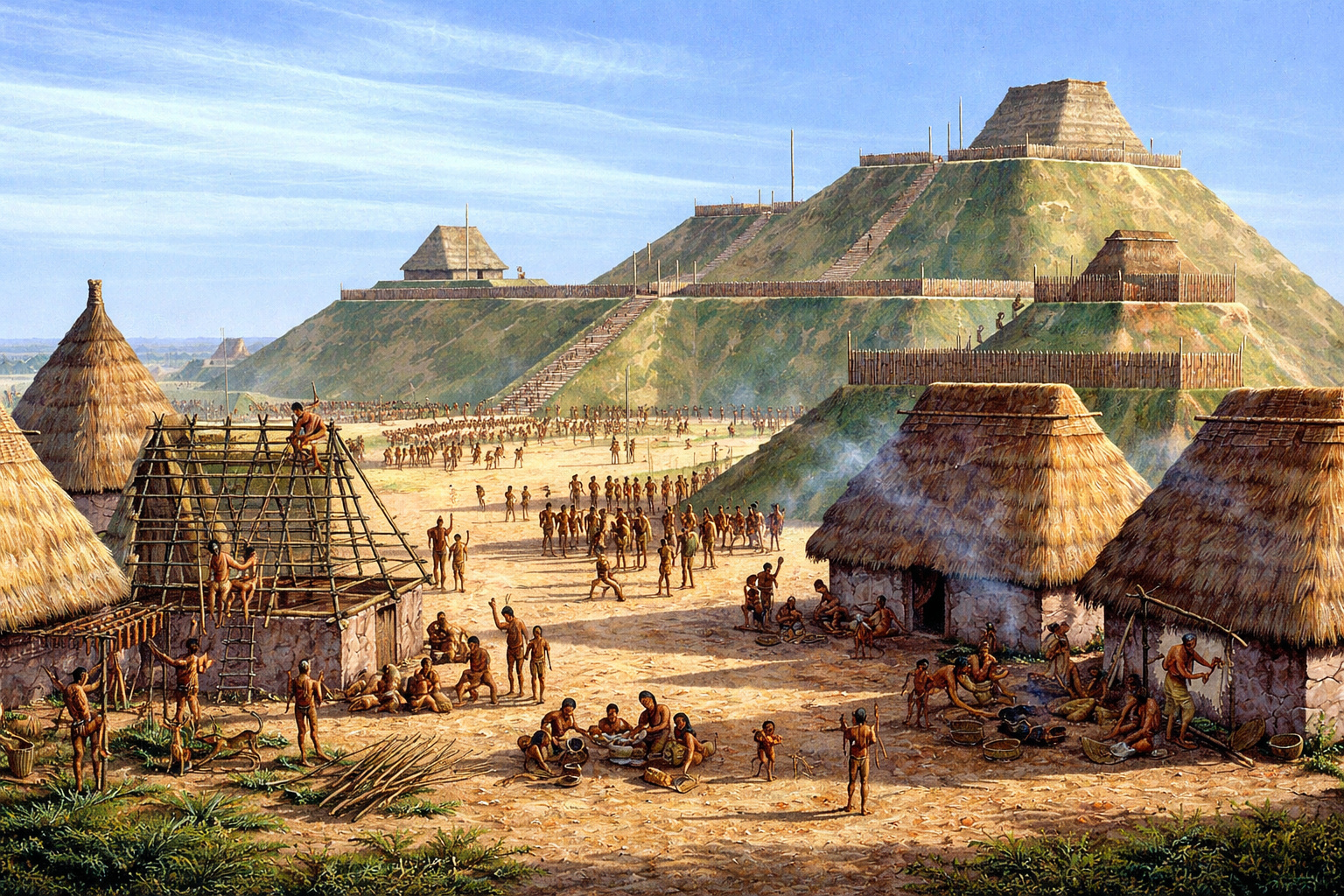
With over 14 million baskets of earth moved, an ancient North American metropolis built a monumental pyramid of 30 meters and established a city with 20,000 inhabitants nearly a thousand years ago.
-
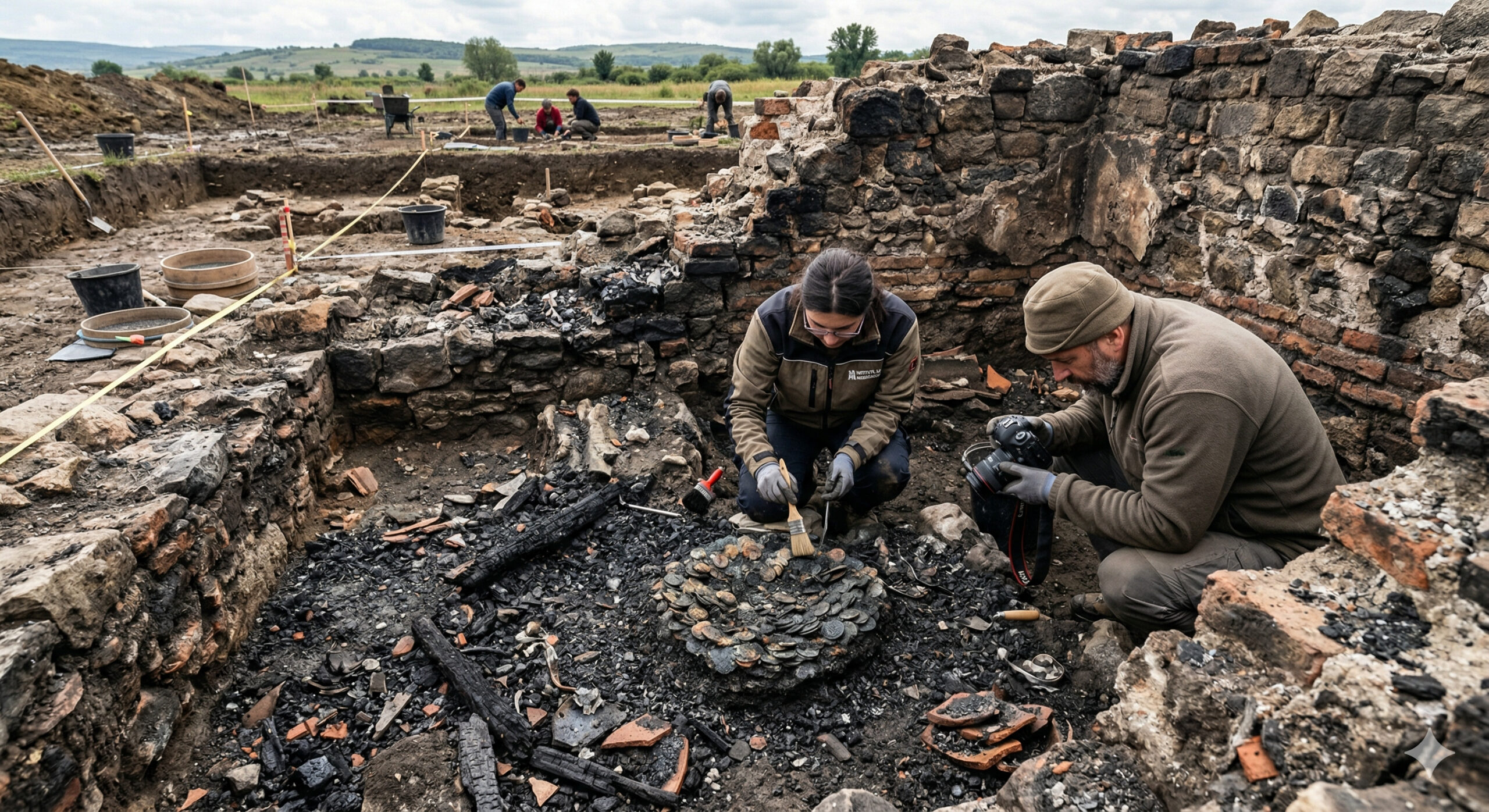
A 1,900-year-old treasure emerges from a Roman house destroyed by fire and sealed since antiquity in Romania, with coins and metals fused among the ashes.
-
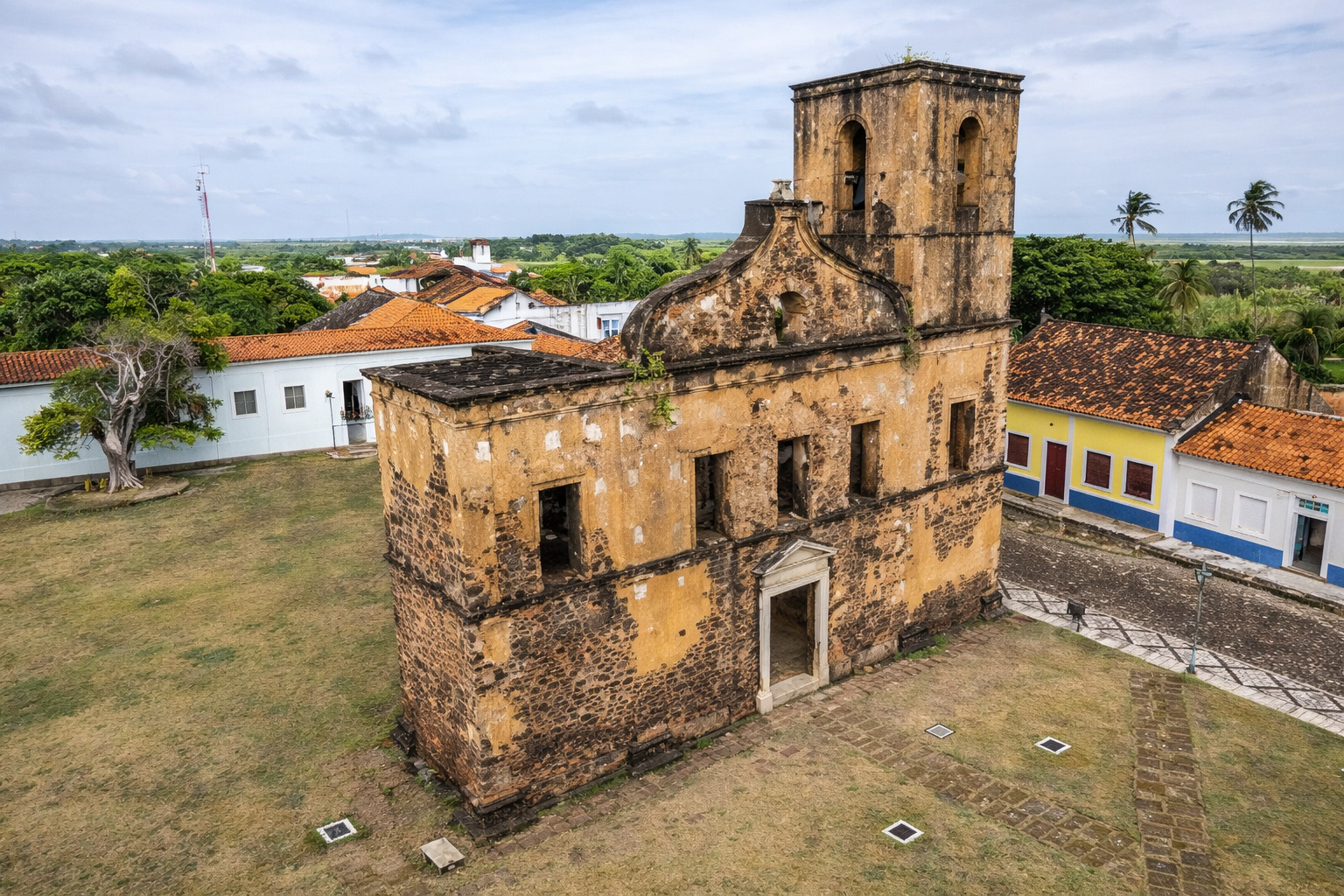
The Brazilian colonial city that stopped in time and shares territory with a rocket launch base.
-
79-year-old woman challenges limits, visits 193 countries in the world after 56 years of planning and reveals the behind-the-scenes of a global journey that few have managed to accomplish.


The most substantial attempt in antiquity was made by the Roman emperor Nero in 67 AD, who personally initiated the works with a golden pickaxe. A workforce of 6,000 Jewish prisoners excavated about 3,300 meters in length. However, Nero’s sudden death led to the immediate abandonment of the project, leaving it incomplete for 1,800 years.
The Triumph and Failure of 19th Century Engineering
The true catalyst for modern construction was the opening of the Suez Canal in 1869, demonstrating the viability and economic power of artificial waterways. In 1881, the project was awarded to General István Türr, who founded the International Maritime Canal Company of Corinth. Construction began in 1882, heavily relying on the newly invented dynamite to blast through sedimentary rock.
Despite the technology, the geology proved to be more costly than anticipated, and the international company went bankrupt. The project was rescued by a Greek company and finally inaugurated on July 25, 1893. However, the need to minimize excavation costs resulted in narrow dimensions, 24.6 meters at the surface and 21.3 meters at the bottom, which would prove to be a fatal flaw. Almost at the moment of opening, naval architecture was already evolving towards larger steel ships, meaning that the Corinth Canal was born almost obsolete for major trade routes.
The Challenge of 21.3 Meters: Hydrodynamic Effects
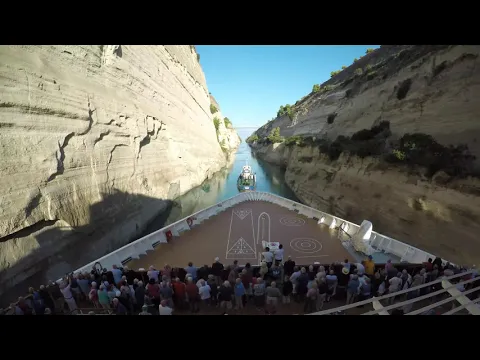

Navigating the Corinth Canal is widely considered one of the most demanding piloting feats in the world. The minimum clearance of only 21.3 meters at the bottom amplifies the dangerous phenomenon known as “bank effect” (bank effect). When a ship moves, the displaced water does not have enough space to flow, creating low-pressure zones that can suddenly pull the ship’s stern towards the nearest rock wall.
To mitigate this risk, the Corinth Canal Authority (A.E.DI.K) imposes strict regulations. Towed navigation is required for all vessels exceeding 800 Net Register Tons (NRT), as well as for ships carrying hazardous cargo. Pilots are mandatory for all towed ships and for nighttime transits, bringing essential local knowledge about currents and wind patterns in the maritime “canyon.”
The MS Braemar Record and the Shift in Focus
The physical limits and the precision required were dramatically illustrated in October 2019, when the cruise ship MS Braemar from Fred. Olsen became the largest vessel to transit the waterway. According to Maritime Reports, the ship had 22.5 meters in beam (width), which meant that, given the surface width of 24.6 meters, the ship had a total clearance of only 2.1 meters or about 1 meter on each side.
This transit, described by its captain as requiring intense concentration, highlighted the fundamental shift in the canal’s value. While the maximum savings of up to 700 km is significant, the economies of scale for a modern freighter are more crucial than the savings in distance. The canal is economically irrelevant for heavy global trade, but has become vital for the experience economy, with the transit itself being the main product, driving luxury yachts and small to medium cruise ships.
The Geological Curse and Post-2021 Restoration
The “Achilles’ heel” of the Corinth Canal is its persistent geological instability. The almost vertical cut (about 80 degrees) through a stratigraphy of marls and limestones in a seismically active zone of Europe has led to a history of massive collapses. The canal was closed for entire years after a major landslide in 1923, and again for five years (1944–1949) after intentional destruction by the retreating German forces in World War II.
The most recent and significant crisis began in January 2021, when a series of landslides, driven by geodynamic instability and erosion, blocked the canal. The Greek government’s response, coordinated by Corinth Canal S.A. (A.E.DI.K), resulted in extensive restoration work. These interventions aim to correct the original engineering error, stabilizing the slopes with modern methods.
According to A.E.DI.K, the canal has operated on a seasonal basis to accommodate crucial summer tourism. After the winter closure for the “final phase” of restoration at the end of 2024, the prospect is for a reopening on March 8, 2025, with the projected completion of all major interventions in early 2026. The battle to keep this monument open, in the face of the Greek seismic reality, will be perpetual, but essential for its new tourist vocation.
Human Persistence Against Stone: The Future of the Shortcut
The Corinth Canal is a testament to human persistence, but also a reminder that nature cannot always be permanently tamed. Its value has changed: from a crucial shortcut for trade, it has become an iconic destination for leisure navigation and an ongoing engineering challenge.
Do you agree with this shift in focus to high-risk tourism? Do you think the high maintenance cost of the canal is worth it for the experience economy? Leave your opinion in the comments, we want to hear from those who live or follow this fascinating struggle against geology in practice.





É um canal que não faz mais sentido do ponto de vista comercial. Normalmente, os navios que atravessam o Mediterrâneo ou vêm do Canal de Suez, do Mar Negro ou dos portos no próprio Mediterrâneo, e passar ao largo do Peloponeso não acrescenta nada em distância.
Fazia diferença naquela época do Império Romano…
Muito boa a matéria, acredito que possa através da engenharia, melhorar a travessia.
Pelo vídeo devem ser 700m e não 700 km!
700km é o que se economiza ao utilizar o canal se comparado com a rota normal