





 Portuguese
  English
  Spanish
  3 min of reading
  7 comments


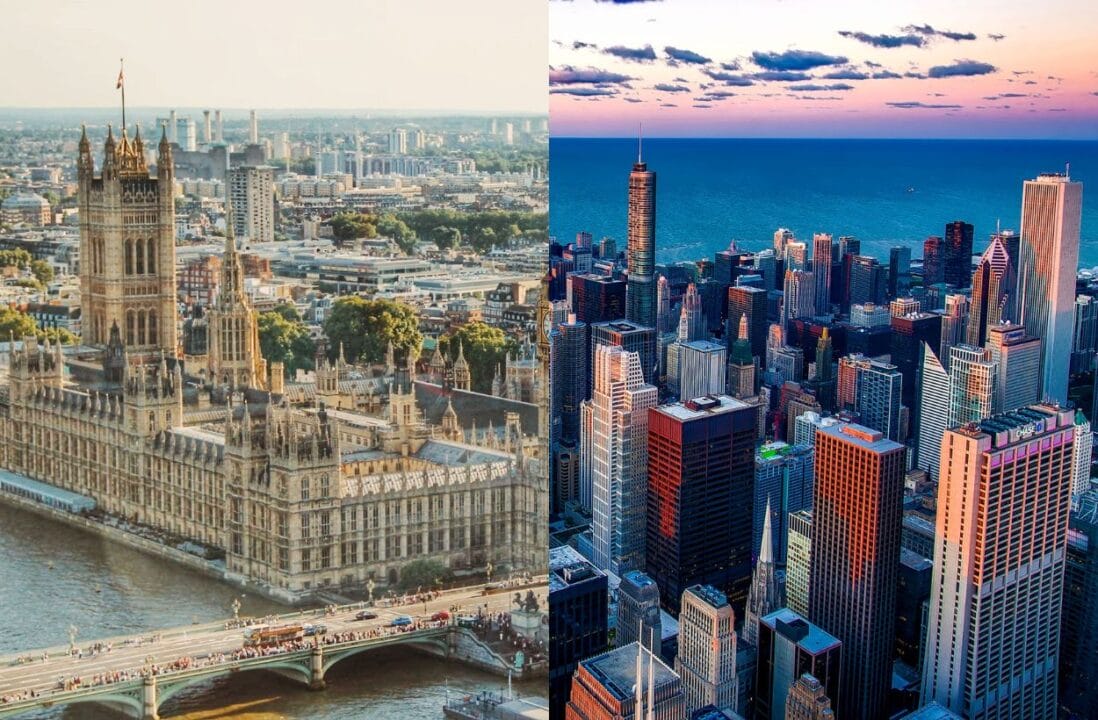

While cities around the world grow vertically with modern skyscrapers, Europe faces unique challenges in balancing the preservation of its rich historical heritage with the need for urban expansion and modernization, resulting in strict construction policies that limit new tall buildings to protect landscapes and traditional cultural identities.
When we think of big cities, we often imagine the skyscrapers that mark the sky, like those we see in New York or Dubai. These tall towers are symbols of modernity and growth. However, in Europe, the situation is quite different. There, cities are known more for their old and historical buildings than for very tall structures.
In Europe, skyscrapers are not as common as in other parts of the world. This happens because there is a great concern in maintaining the historical characteristics of cities. In places like London and Paris, the laws are very strict regarding the height of buildings so as not to ruin the view of ancient monuments. This decision between preserving the old or building the new is a major challenge for European cities.
The Challenge of Skyscrapers in Europe
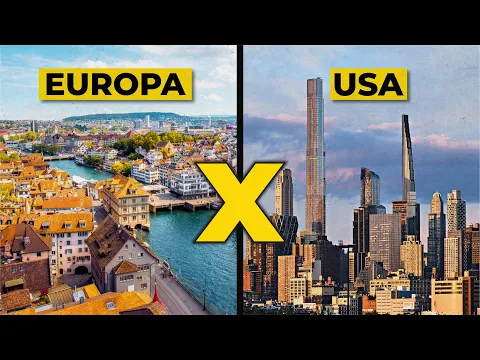

The European resistance to the proliferation of skyscrapers is not just an aesthetic preference, but a deep reflection of its cultural and historical values. In Europe, the integration of new constructions with the old urban fabric presents significant challenges.
-
New CCR concrete paving technology promises roads up to 3x more durable, less maintenance, and cost reduction in Brazil.

-
Made from recycled plastic, plastic wood is gaining space in the construction industry because it does not rot, resists moisture, and reduces maintenance costs over the years.

-
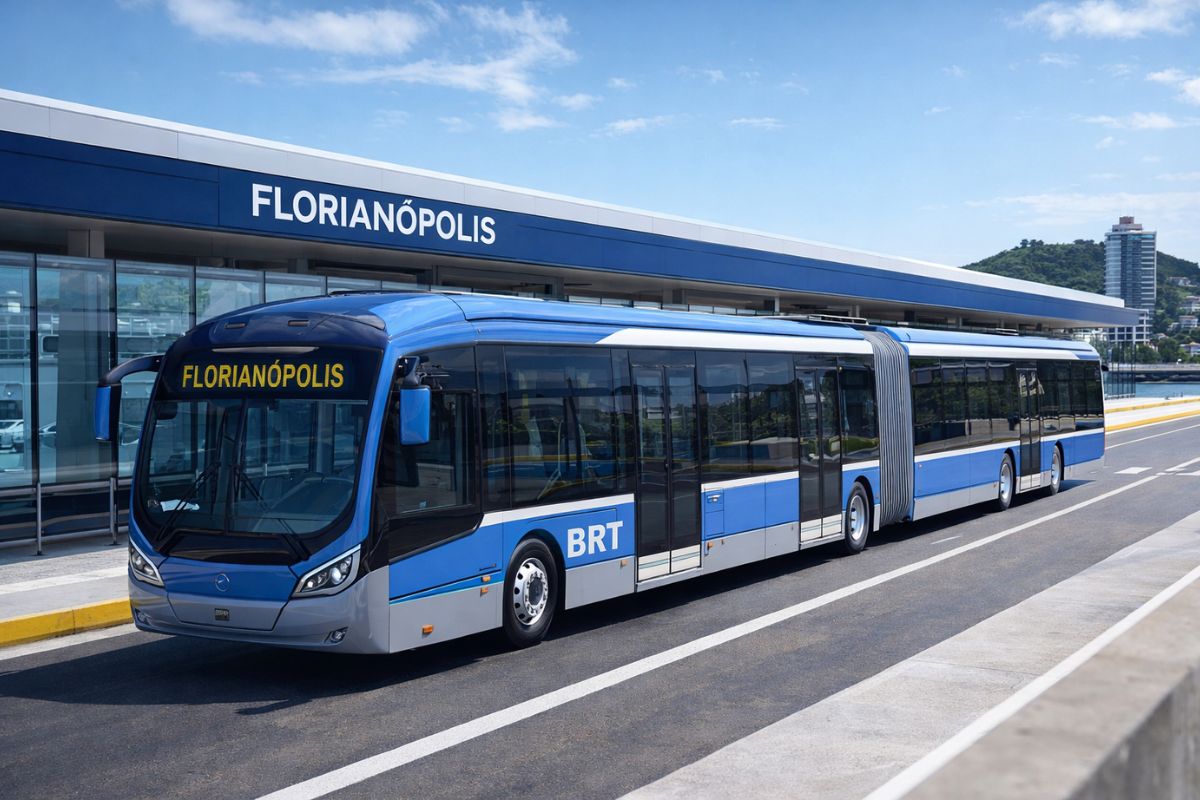
Florianópolis will receive a million-dollar BRT that will begin construction in 2026 with nearly 400 million in funding from the federal government and the Inter-American Development Bank, and the map already shows the routes for the exclusive bus corridors.
-
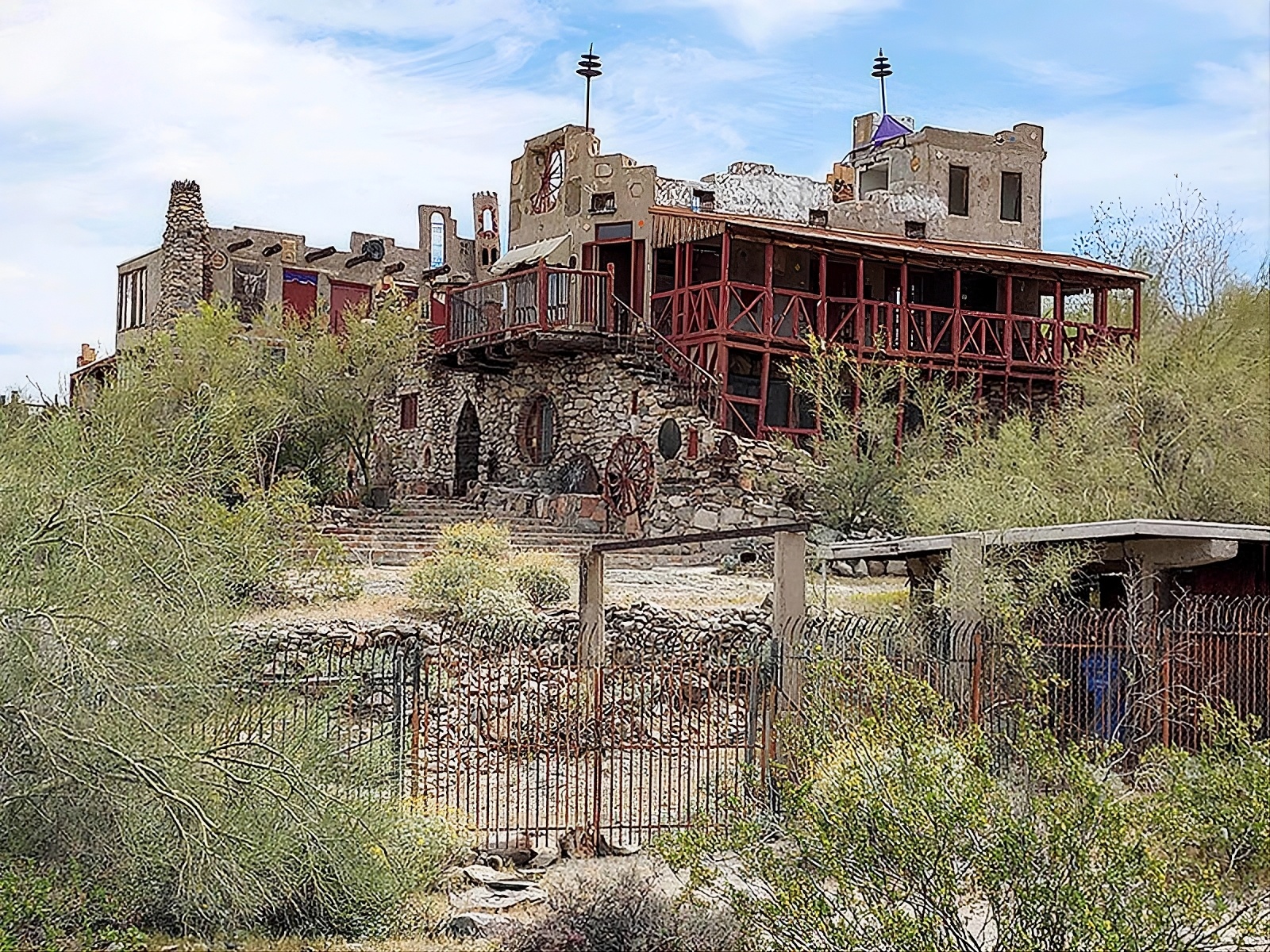
Without a blueprint, without an engineer, and using scrap from the dump, a father spends 15 years building an 18-room castle for his daughter, featuring tram tracks, 13 fireplaces, and over 700 m², which may now be demolished.

Cities like London, for example, strictly protect over 50,000 historical buildings, restricting new tall constructions that may compromise views and traditional landscapes. These policies, while preserving historical charm, result in a paradoxical housing crisis, where population growth and demand for housing increase, but space to build new buildings is limited.
Development
The history of skyscrapers, which began in Chicago in 1885, contrasts sharply with the urban trajectory in Europe. Established European cities with historical buildings have had little space or need to adopt these giant modern structures.
After World War II, the focus in Europe was on restoring destroyed heritage, not the vertical innovation typical of the North American model. The “Bruxelization,” a term derived from poorly planned urban development policies in Brussels in the 1960s, still serves as a warning for European cities today, evoking caution against development that disrespects historical and cultural context.
Current and Future Repercussions
In the current landscape, even with some exceptions like the La Défense area in Paris, which houses most of the city’s skyscrapers outside the historic center, Europe continues to face a delicate balance. The need to accommodate a growing population and pressures for commercial and residential spaces in urban centers often collide with the desire to preserve cultural heritage. This dilemma is not only a matter of space, but also of identity, challenging European cities to find a sustainable path that respects their past while adapting to future needs.
The issue of skyscrapers in Europe is emblematic of the broader challenges faced by the continent in modernizing its cities. Between preserving the old and adapting to the new, Europe walks a tightrope, seeking solutions that honor its history without sacrificing its future. How these issues are resolved will continue to shape the urban identity of Europe in the 21st century.










A Europa está correta!
Nunca fui á Europa, mais admiro muito sua arquitetura 🏛️ antiga. Sou fascinado, por seus prédios históricos, bem conservados
Quando for visite Roma, pra mim a mais bela e bonita cidade europeia.
Essa mentalidade europeia eh excelente como apoio a redução populacional , hipertrofia do estado ditando o que vc pode, onde mora, e o quê precisa, e por fim, invadida por muçulmanos menos afeminados e mais pragmáticos , a própria Europa será um monumento estéril, um registro e ode da **** de esquerda
Inacreditável a burrice contagiante da bozolandia! até mesmo em uma publicação séria e sem nenhum contexto político aparece um bovino que reza para pneu e tenta golpe de estado para falar bobagem ! Muuuuuuu
Mas você está fazendo o mesmo!
Onde que há apoio a redução populacional na Europa? Na maioria deles há políticas de incentivo à natalidade, justamente o oposto disso! Não é porque a Angela Merkel errou **** ao escancarar as portas aos refugiados (obs: migrantes econômicos) que se deve tomar a Europa inteira pela mesma régua.
Quanto a preservação de construções históricas, isso é um trunfo do modelo europeu, embora isso resulte em falta de oferta de imóveis nas grandes cidades e aluguéis bem mais caros. Porém, isso é em boa parte compensado por uma boa rede de transporte de passageiros.
Mesmo nas poucas cidades europeias com maior quantidade de arranha-céus, como Frankfurt am Main, Londres ou Varsóvia, eles geralmente se restringem ao centro financeiro dessas cidades.