





 Portuguese
  English
  Spanish
  4 min of reading
  0 comments


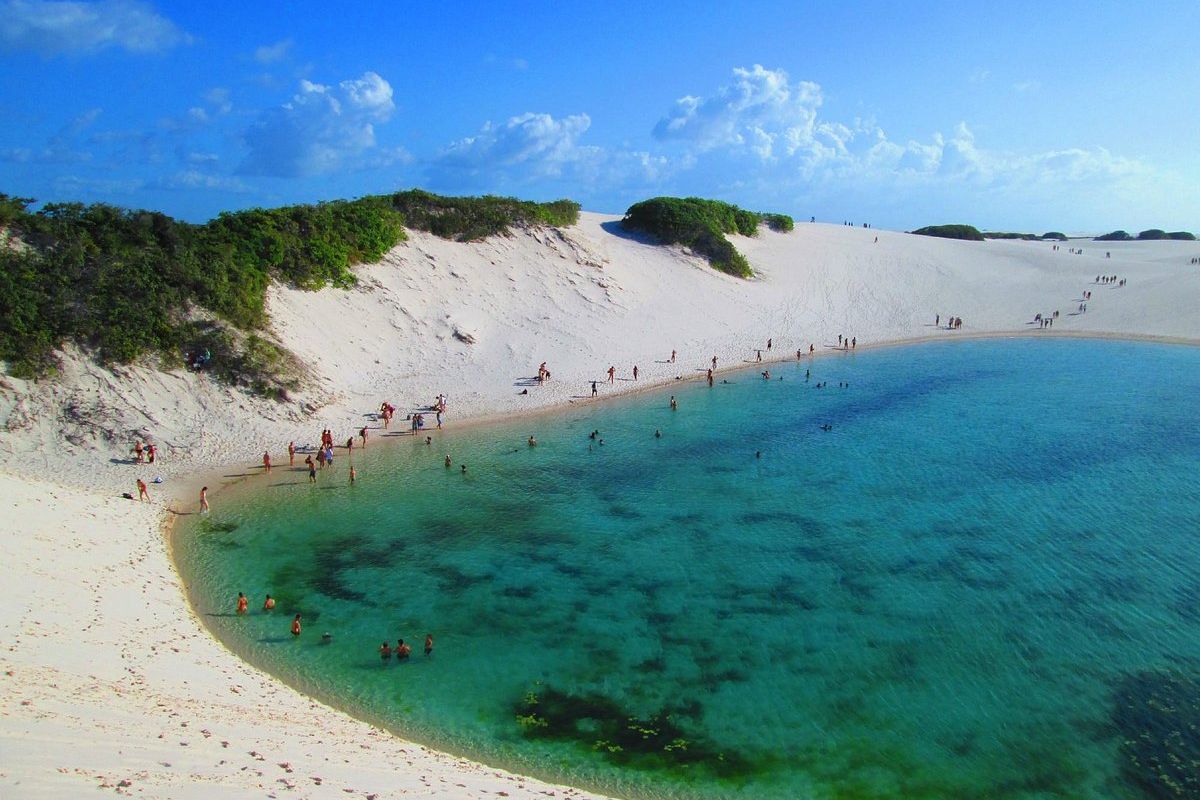
The Northeastern Region That Became a Worldwide Tourism Phenomenon: 440 Thousand Visitors in 2024 and Lines to Experience the “Desert That Fills with Life”
Imagine a desert of white dunes that, instead of scorching heat and aridity, reveals thousands of freshwater lagoons, crystal-clear and colorful. It sounds like a movie set, but this surreal paradise exists — and it’s in Brazil. We are talking about the Lençóis Maranhenses National Park, in the heart of Maranhão, which has become a true postcard of sustainable tourism and has attracted attention from all over the world.
According to official data, the park attracted more than 440 thousand visitors just in 2024. But that number is expected to grow even more after the region was recognized as a Natural Heritage of Humanity by UNESCO in July of that same year. With this, Lençóis has definitively entered the elite of global ecotourism, competing for attention with icons like the Iguazu Falls and Christ the Redeemer.
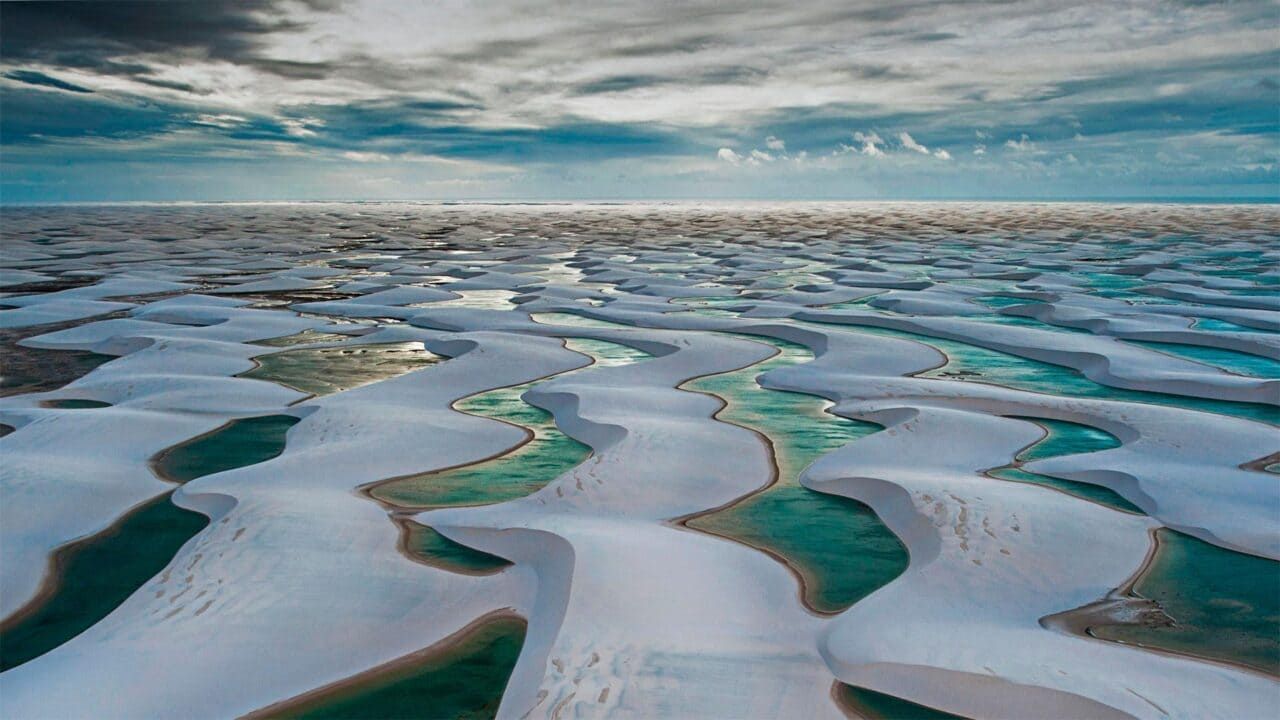
A Desert That Fills with Water
The phenomenon that forms this unique landscape only occurs there, where the biomes of the Amazônia, Cerrado, and Caatinga meet. The region receives heavy rains between January and May. The water, when it hits an impermeable layer of sedimentary rock beneath the fine white sands, forms natural lagoons that spread among the dunes, some reaching up to 40 meters high.
-
With just joint compound, white glue, and pigment, you can make a homemade paint that yields double the conventional amount, saves up to 70%, and leaves the wall with a finish that no one would believe wasn’t store-bought paint.

-
Home environment can influence the brain, mood, and well-being: studies indicate an increase of up to 15% in productivity, a reduction of 12% in stress with plants, and a direct impact of the circadian rhythm on the 24 hours of the day.

-
A Brazilian millionaire couple restores a farm over 150 years old in the interior of São Paulo and transforms the historic property with Portuguese tiles, antique furniture, and new spaces into a refuge that blends tradition, comfort, and sophistication.
-
Submerged city in a lake in Minas reveals intact streets, preserved vehicles, and houses after more than 60 years, impressing divers.


The purity of the water, combined with the absence of pollution and organic sediments, creates impressive hues: turquoise blue, emerald green, and even reddish tones, depending on the surrounding vegetation.
Among the most visited, Lagoa Azul, in Barreirinhas, is the standout. Meanwhile, Lagoa do Buriti Amarelo impresses with its orange reflections. The largest of all is Lagoa da Gaivota, in Santo Amaro, which stays full year-round and is a popular spot for those daring to try “skibunda” — surfing on the dunes.
Tourism with Positive Impact
For Marcelo Freixo, president of Embratur, the park is a powerful example of how tourism can be a force for positive transformation:
“Tourism can be for this century what oil was for the 20th century — a green industry, capable of protecting and valuing our natural heritage,” he stated to the EFE news agency.
The strategy has worked: the park placed 4th among the most sought-after destinations by foreigners planning to visit Brazil, behind only Christ the Redeemer, Sugarloaf Mountain, and the Iguazu Falls.
An Adventure Among Dunes, Lagoons, and Historical Villages
Visiting Lençóis is more than just seeing otherworldly landscapes — it’s about experiencing the local culture, the unique ecosystem, and the warmth of the Maranhense people.
In Mandacaru, for example, a fishing village is home to a 54-meter lighthouse with a panoramic view of the region. In Caburé, a strip of land between the Preguiças River and the Atlantic Ocean, one can bathe in both freshwater and saltwater on the same day. And for those who enjoy traditional cuisine, dishes such as free-range chicken, fried fish, and goat meat with coconut milk are a must-try.
Additionally, the experience includes trails over compact dunes, boat rides along the Preguiças River, and visits to traditional communities. The park’s chief, Cristiane Figueiredo, emphasizes the importance of hiring local guides accredited by ICMBio to ensure safety and a more authentic experience.
“Each space — whether a restaurant, a network, or a trail — carries the cultural marks of the traditional population. Respecting this is part of the experience,” said Cristiane in a recent interview.


High Season and International Audience
Although the park offers attractions year-round, the international high season concentrates between August and September — when the skies are clearer, the lagoons are still full, and the heat is mild.
The most frequent foreigners come from France, Germany, Portugal, the United Kingdom, and the United States, as well as neighboring South American countries. According to Freixo, these tourists seek authenticity, adventure, and direct contact with nature, and find all of that in Lençóis.
“It’s an emotional, visually striking, and culturally rich experience. And that makes many want to return to Brazil to explore other equally surprising destinations,” he concludes.
Brazil Has a “Blue Desert” That the World Wants to Know
The fame of Lençóis Maranhenses is growing not only due to the breathtaking images on social media but also because of the joint efforts of public and private institutions to promote the region’s connectivity with affordable flights and tour packages.
In a country that boasts paradisiacal beaches, giant forests, plateaus, and diverse fauna, the “desert that fills with water” represents one of the planet’s most original landscapes. And perhaps, one of the best postcards for a sustainable, cultural, and exciting Brazil.








-

-

-

-

-

-

50 pessoas reagiram a isso.