





 Portuguese
  English
  Spanish
  5 min of reading
  0 comments


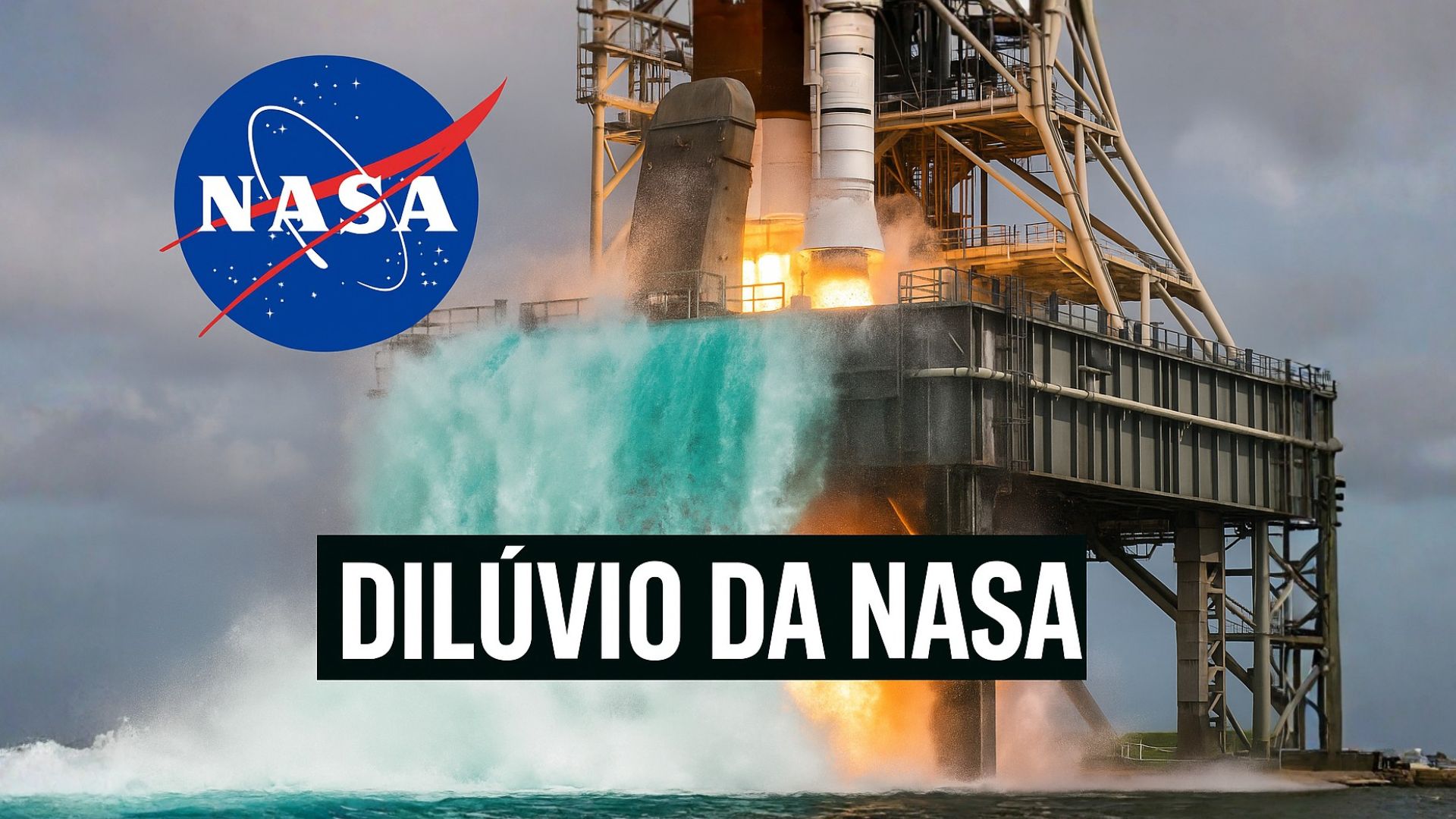
Created Decades Ago, NASA’s Water Deluge System Releases Millions of Liters Over the Launch Pad to Protect the Rocket and the Platform from Heat, Sound, and Vibrations Generated by the Engines During Liftoff.
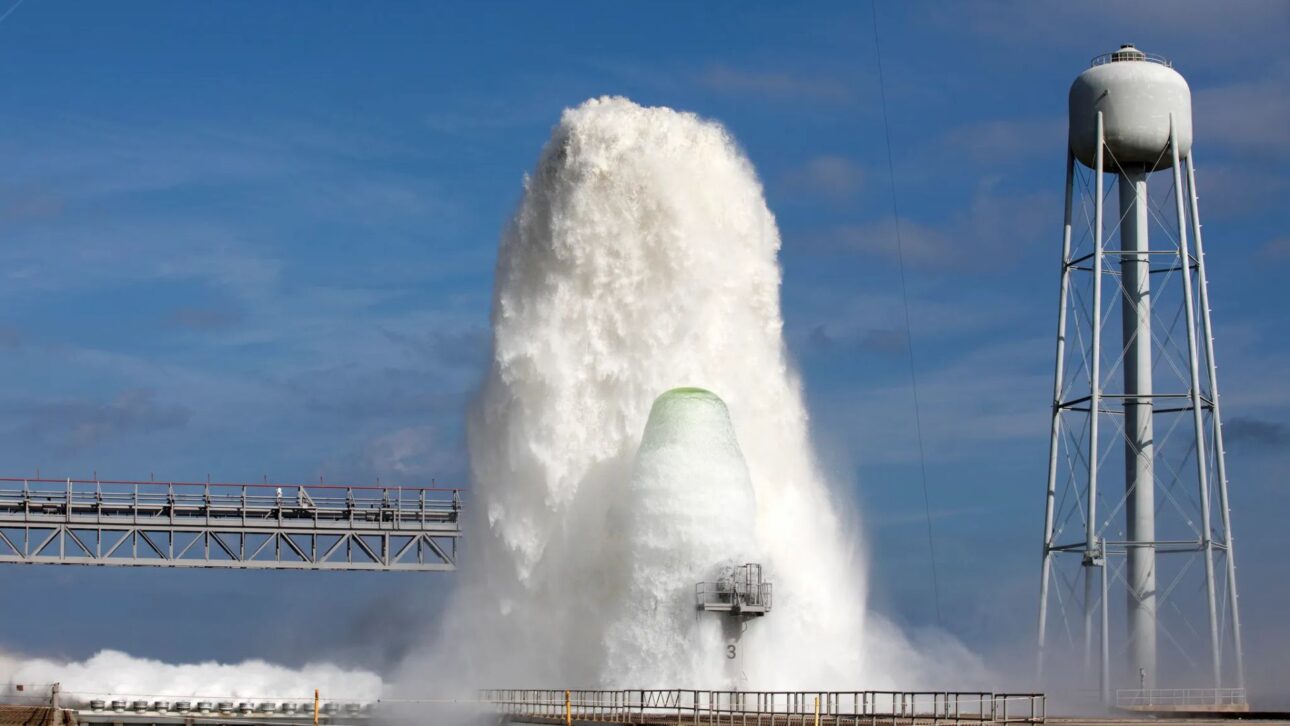
The water deluge system from NASA is activated moments before liftoff and releases, in just a few seconds, a volume that can reach 2 million liters.
Created decades ago to protect equipment and vehicles from vibrations, heat, and pressure waves, the mechanism remains an essential part of launch operations.
According to agency engineers, the main function is to reduce the acoustic impact and overpressure caused when the engines reach full throttle.
-
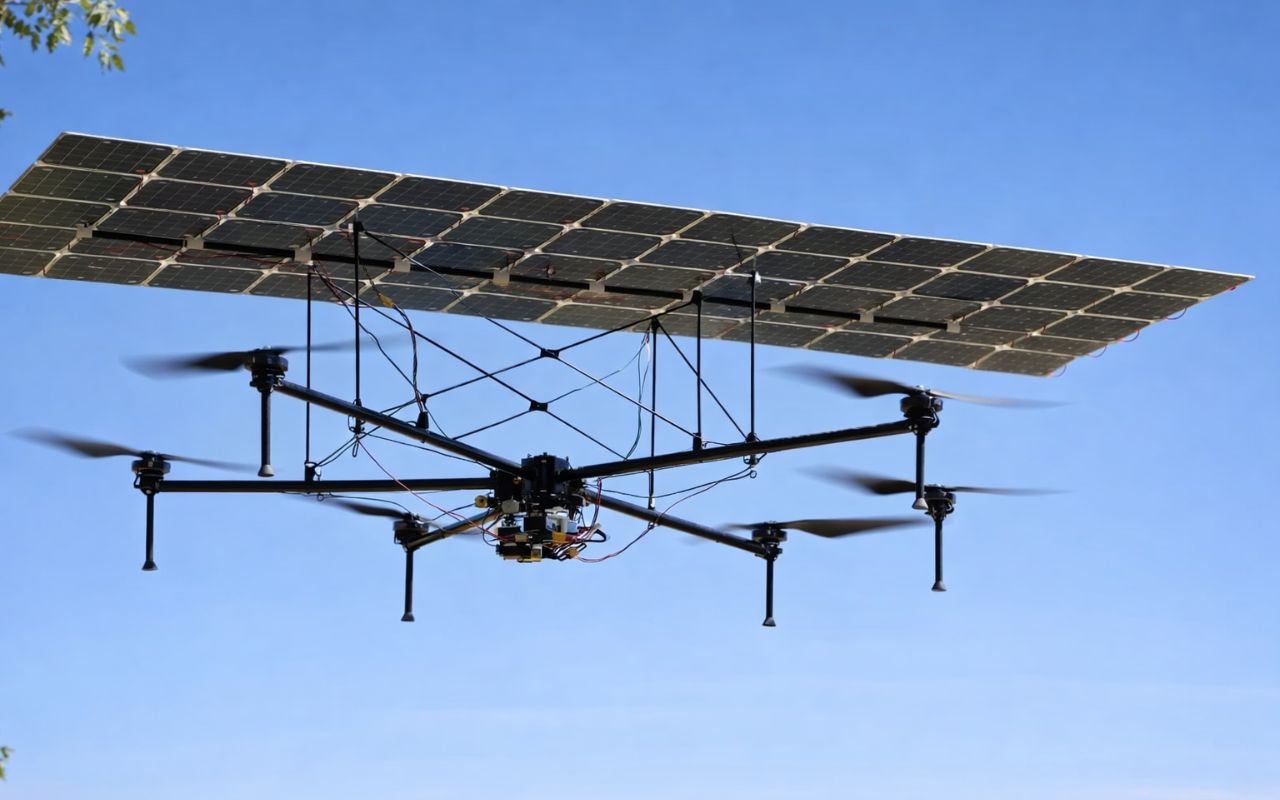
YouTuber installs 28 solar panels on a drone, allowing it to fly for over 5 hours, with the potential to reach 12 hours of autonomy in the future.
-
With mass production of over 2 million hamburgers per month, the Korean factory impresses with high-standard industrial machines, capable of processing 500 kg of meat per hour and supplying entire networks of markets worldwide.

-
With a very high value, the factory extracts raw ore to produce gold bars, the precious yellow and shiny metal, which undergoes smelting, molding, and finishing to be present in the lives of people around the world.

-
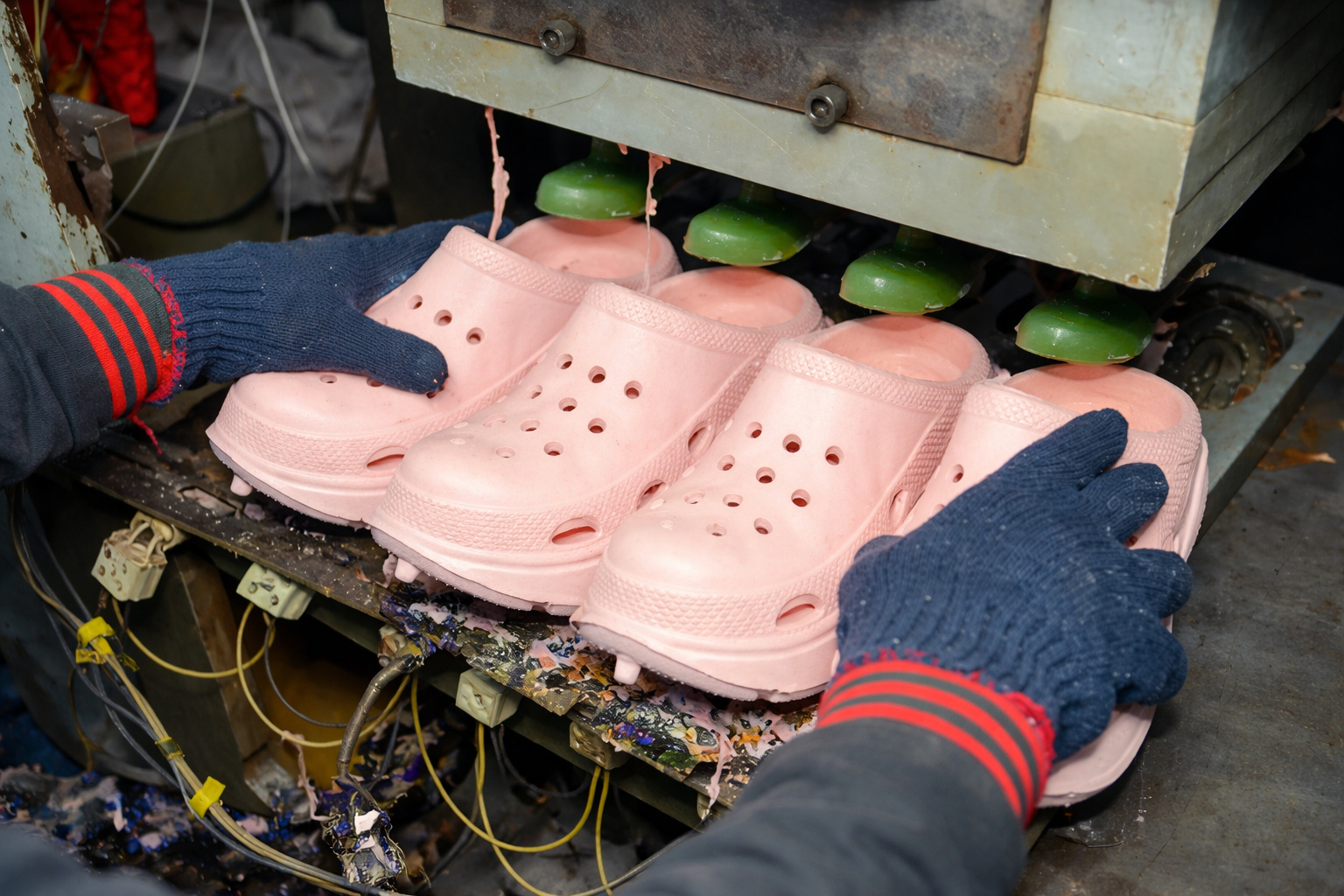
With a rigid organization, attentive workers, and machines that don’t stop for a second, the production of foam slippers like Crocs in India demonstrates how the factory transforms raw material into pairs ready for export.
Without this water curtain, the energy reflected back to the pad could compromise the structure of the platform and damage rocket components.
The water, distributed through nozzles around the deflector and launch table, absorbs some of the sound, dissipates heat, and reduces vibrations.
Function of Water During Ignition
When the engines are turned on, the clash between supersonic gases and the rigid ground structures generates pressure spikes and extreme noise levels.
According to aerospace acoustics experts, the use of water reduces the reflected sound by occupying the space between the engine jets and the deflector.
The evaporation process consumes part of the thermal energy and forms a barrier that prevents pressure waves from returning to the pad with full force.
The mist formed also helps to lower the temperature near the deflector and the flame trench, a channel responsible for directing the exhaust jets.
This helps to preserve cables, sensors, and exposed metal structures from intense heat during the first few seconds of flight.
Stages of System Activation
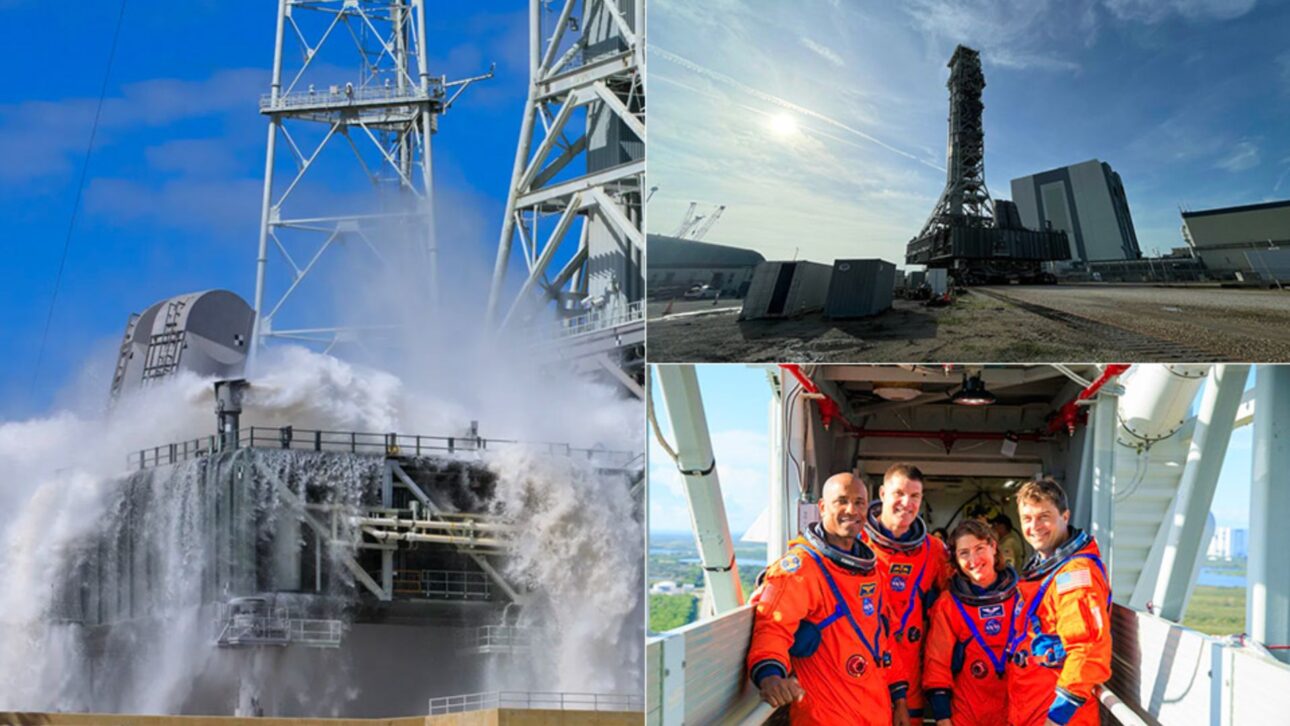
The system begins operating about 20 seconds before liftoff.
During this period, water fills the deflector and the pad, creating a layer that reaches maximum capacity at the moment of ignition.
The flow rate is controlled by automatic valves that adjust the volume according to the engine power profile.
The sequence is timed to ensure that the water curtain is active at the instant the engine flame reaches the pad and during the peak of reflected sound.
The process is completely automated and synchronized with the countdown system.
Volume of Water Used and Operation Locations
The amount of water varies according to the rocket and the pad.
At Kennedy Space Center, the old space shuttle program used a 300,000-gallon tank, equivalent to about 1.1 million liters.
With the arrival of the Space Launch System (SLS) and the modernization of Launch Complex 39B, tests began using approximately 450,000 gallons, or 1.7 million liters.
According to NASA, the total volume released can vary depending on the mission.
In Complex 39A, used by SpaceX missions in partnership with the agency, there is a similar system, adjusted to the characteristics of the Falcon 9.
Although the volume is smaller, the operating principle is the same: to reduce acoustic and thermal peaks during liftoff.
Old Technology, Current Function
The system was originally developed for the Space Shuttle program in the 1980s.
Since then, it has undergone upgrades to valves, piping, and digital controls.
According to NASA technicians, the modernization maintains the same basic concept but increases flow precision and acoustic suppression efficiency.
The presence of this mechanism in current launches is attributed to its proven effectiveness in large-scale missions.
According to agency engineers, water is a relatively low-cost resource and can be adapted to different rocket configurations.
This makes it advantageous compared to more complex structural solutions.
The Fate of Water After Liftoff
Much of the water used evaporates quickly upon contact with the hot gases.
The remainder drains into drainage channels and retention ponds constructed around the pad.
In these areas, the water undergoes containment and environmental treatment processes before being returned to the ground or the recycling system.
This management follows environmental protocols applied to space operations in the United States.
NASA states that it conducts regular inspections and improvements in drainage and coating materials to reduce corrosion and facilitate the reuse of infrastructure after each launch campaign.
Video Records and Public Demonstrations
Images released by the agency show the SLS during the tests of its debut mission, with the deluge system in operation.
The sequence captures the moment when water is released over the deflector, forming a curtain that covers the base of the structure.
According to NASA, this is an operational simulation that precedes the actual ignition of the engines.
Another video shows the Falcon 9, operated by SpaceX in cooperation with NASA, lifting off with the same type of system.
In the recordings, one can observe the formation of the dense mist and the flow of water seconds before propulsion.
Experts point out that this visual phenomenon is a direct result of the acoustic and thermal suppression process — and not an aesthetic effect.
Safety and Continuous Operation
The use of the deluge is part of the safety and risk mitigation protocol at launch platforms.
According to NASA information, acoustic suppression protects sensitive instruments, prevents structural resonances, and preserves critical components.
The method also reduces damage to concrete and metal areas, extending the infrastructure’s lifespan.


The systems involve high-capacity tanks, high-flow pumps, and pressurized ducts.
After each launch, technicians conduct inspections to identify corrosion or wear and replace parts as needed during the preventive maintenance cycle.
This routine is considered an essential part of the ground engineering that supports manned and unmanned space missions.
According to aerospace engineering experts, each new rocket requires fine adjustments to the system, taking into account factors such as power, platform geometry, and acoustic behavior of the engines.
This process ensures that the deluge operates at maximum efficiency across different launch configurations.
With the expansion of NASA programs and private companies, the water deluge technology remains one of the most reliable resources to protect structures and vehicles during the most critical moment of a space flight.







-

-

-

-

-

31 pessoas reagiram a isso.