






 Portuguese
  Spanish



Material find ends decades of search for historic settlement founded to protect strategic maritime routes.
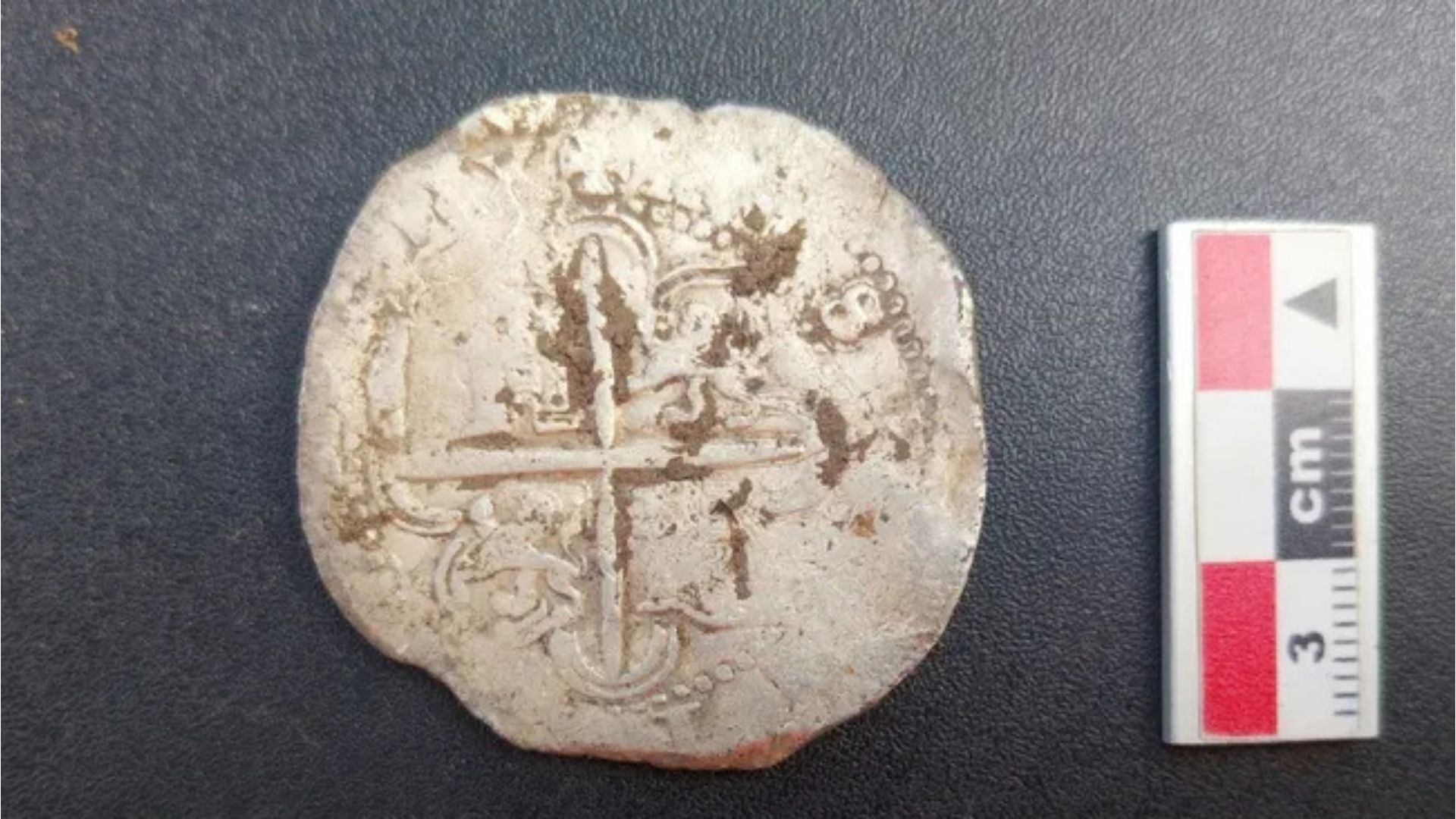
A rare silver coin dated from the 16th century was discovered by Chilean-Argentinian archaeologists near the Strait of Magellan, confirming the exact location of a doomed Spanish colony.
The archaeological find belongs to the settlement known as Nombre de Jesús, founded in 1584 by explorer Pedro Sarmiento de Gamboa. The metal piece is one of the few tangible remnants that remain from the failed attempt by the Spanish Crown to fortify the strategic passage between the Atlantic and Pacific Oceans.
The precise location of the settlement had been a subject of academic debate for decades, but the presence of the 16th-century silver coin provides the necessary material proof to end geographical uncertainties. The object was minted during the reign of Philip II and bears marks that link it directly to the period of the original expedition.
-
Workers renovating a playground in northern England uncover 176 World War II bombs buried underground; training artifacts still contained explosives.

-
Brazilian Architect Transforms Waste into Sustainable Homes with Solar Power and Rainwater Systems for 40 Years

-
Security Guard Becomes Doctor at Louisiana Hospital Where He Once Worked, Studied Chemistry Between Shifts

-
Woman Rescued from Luxury Complex in Brazil Worked Without Pay for 55 Years, May Be Entitled to Over $300,000



In addition to its numismatic value, the discovery allows researchers to map the actual extent of the camp and understand the extreme conditions faced by settlers in one of the most inhospitable regions on the planet.
Tragic fate and geographical isolation
The story of the colony marked by the 16th-century silver coin is a tale of extreme deprivation, hunger, and systematic abandonment. Shortly after the founding of Nombre de Jesús, the severe climatic conditions of Patagonia and the scarcity of supplies decimated most of the original population of hundreds of settlers.
Without the expected support from Spain, the survivors attempted to migrate to a second settlement, but most perished due to starvation and intense cold, earning the region the historical name of Port Hunger.
Excavations at the site revealed that the settlers tried to maintain organized living structures despite the growing despair. The 16th-century silver coin was found in a layer of soil suggesting a commercial or administrative activity area within the makeshift fort. For archaeologists, the fact that a valuable object was lost or left behind indicates the final disorder and hasty abandonment of the site by the few who still remained alive.
Historical significance of the archaeological find
The Strait of Magellan was, at the time, the most crucial point for controlling global maritime routes, which motivated the Spanish attempt at permanent occupation.
The discovery of the 16th-century silver coin helps illustrate the geopolitical tensions of the Age of Exploration, when Spain sought to prevent English privateers like Francis Drake from using the passage. The failure of the colony, now materialized by the find, permanently altered the empire’s defense strategy in the southern hemisphere.
Preliminary metallurgical analyses indicate that the silver used in the coin likely originated from the mines of Potosí in Upper Peru. This connection reinforces the understanding of the flow of wealth and resources circulating through South American colonies during the period.
The 16th-century silver coin acts as a link between the imperial economy and the tragic fate of individuals sent to protect a frontier that proved impossible to sustain.
Preservation and future studies in the Strait
The site where the piece was found is now under strict protection to prevent looting and ensure the integrity of other possible buried artifacts. Researchers plan to conduct new scans with high-precision metal detectors and stratigraphic excavations to find evidence of dwellings and cemeteries. The preservation of the 16th-century silver coin in Chilean museums will serve to educate the public about the human cost of colonial expansion and the historical resilience of local communities.
Archaeological investigations continue to reveal details about the diet and daily habits of the settlers through the analysis of organic remains found near the coin’s location.
The discovery not only resolves a cartographic mystery but also humanizes the tragedy that occurred over 400 years ago on the shores of the Strait of Magellan. With the support of new technologies, the legacy of the colony marked by the 16th-century silver coin is finally beginning to be recovered from the cold sands of Tierra del Fuego.
Click here to access the study.


