





 Portuguese
  English
  Spanish
  4 min of reading
  0 comments


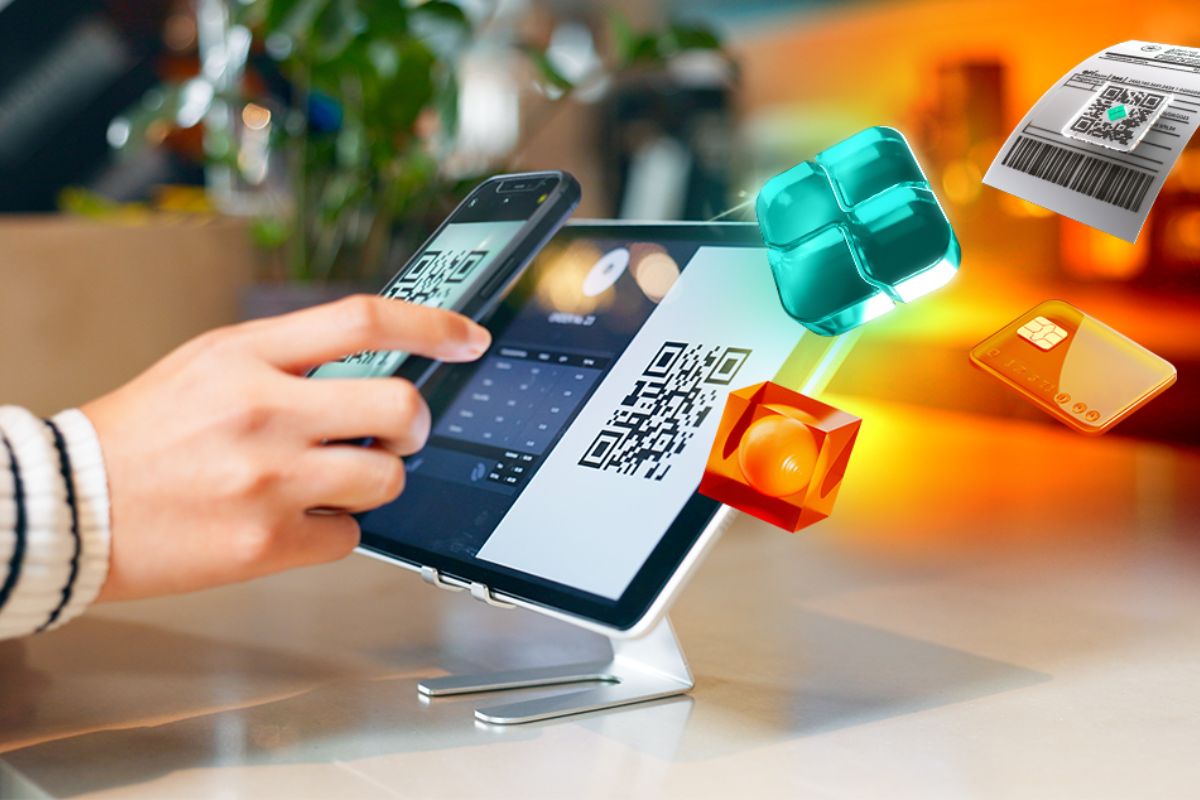
Launched in 2020 by the Central Bank, the Brazilian instant payment system achieved unprecedented popular adhesion, transforming the relationship of Brazilians with money in 3 seconds.
According to data from the Central Bank of Brazil itself, PIX has established itself as the country’s main payment method, achieving an adoption speed that international specialists are still studying. The Brazilian instant payment system has not only changed financial transactions but has fundamentally redefined an entire nation’s relationship with money, making the transfer of money in 3 seconds a daily reality.
Although instant payment systems exist in other countries, none have had the reach and popular adhesion of PIX. The success of this phenomenon was not accidental, but the result of a combination of factors that created the perfect environment for an unprecedented disruption in the financial system.
The Scenario Before PIX, An Expensive, Slow System for a Few

Before November 2020, the payment landscape in Brazil was fertile ground for a revolution. Options for electronic transfers between banks were dominated by the Electronic Funds Transfer (TED) and the Document of Credit Order (DOC). Both were slow, operated only on business days and during banking hours, and often had fees that discouraged their use for low-value transactions.
-
A promise made to their father led three men to unearth a forgotten house that had been swallowed by time for over 70 years, in a story of memory, abandonment, and reconstruction that seems straight out of a movie.

-
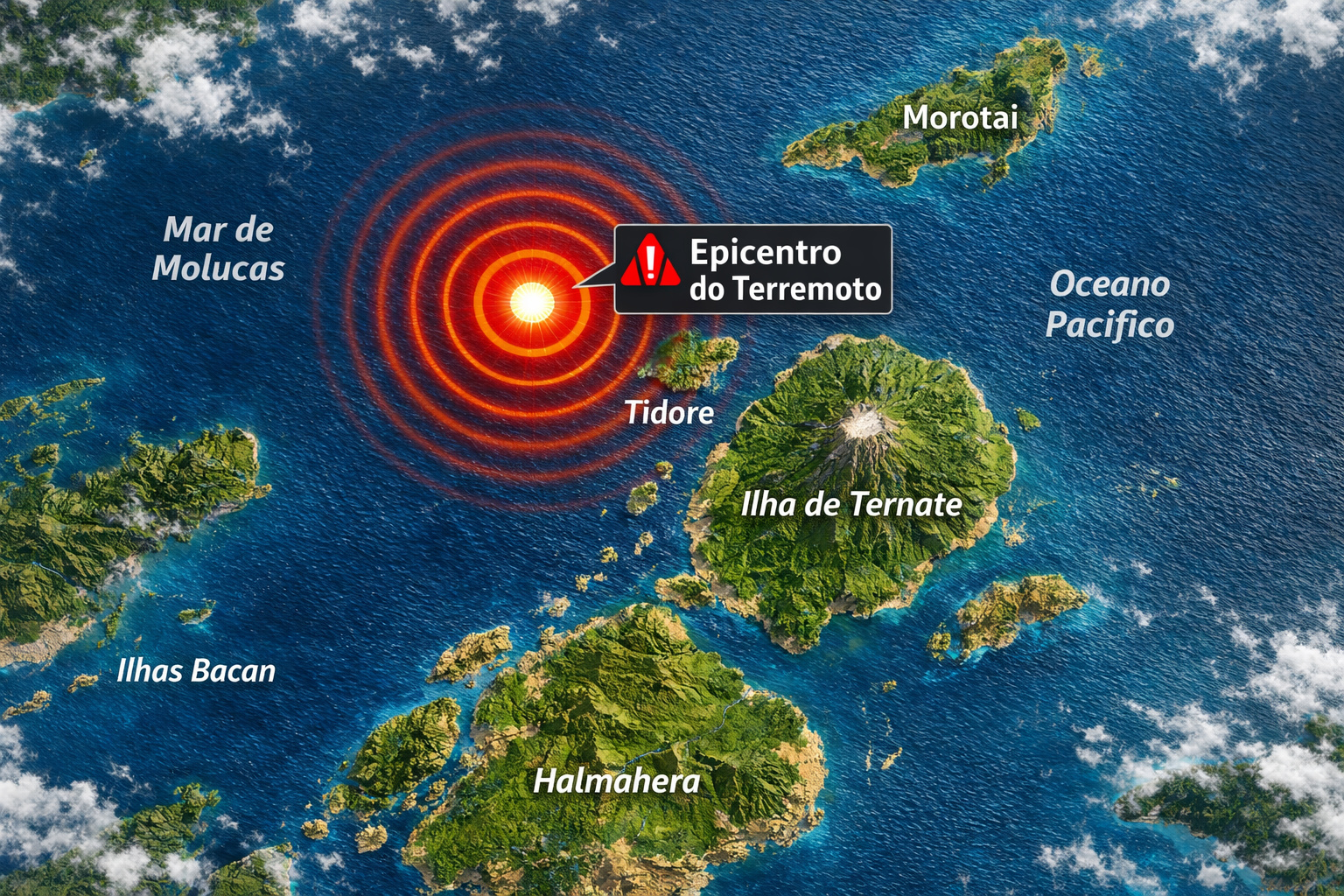
A strong earthquake in Indonesia affects houses and schools, causes panic, triggers a tsunami alert, and records a rise in sea level of up to 30 centimeters in some areas.

-
The Argentine government celebrates the lowest poverty rate in 7 years, but experts warn that the methodology has changed, real wages have fallen, unemployment has risen, and the number of people on the streets of Buenos Aires has increased by 57% since Milei took office.

-
7.8 magnitude earthquake in Indonesia frightens the population, triggers tsunami alert, and hits an island with over 200,000 inhabitants this Thursday.

The retail market was dominated by credit cards, which imposed high costs on merchants, and by bank slips, whose clearance could take up to three business days. Additionally, a significant portion of the population had no access to banking services, relying exclusively on cash, which in 2019 represented 77% of all retail transactions.
The Central Bank’s Masterstroke
In the face of this scenario, the Central Bank of Brazil (BCB) took a proactive stance. Instead of waiting for a market solution, the monetary authority began developing its own instant payment system in 2018. The creation of PIX was treated as a strategic public policy project, aimed at increasing efficiency, competition, and financial inclusion.
The most important decision made by the BCB was to act not only as a regulator but also as the operator of the central infrastructure. The institution developed and now manages the Instant Payment System (SPI), which clears transactions, and the Directory of Transactional Account Identifiers (DICT), the database of PIX Keys. This approach ensured the interoperability and security of the system from day one.
The Reasons That Led to Mass Adoption
The success of PIX was driven by a combination of factors that created an irresistible value proposition.
User Experience: the creation of the PIX Key (CPF, email, phone number, or random key) eliminated the need to enter complex banking data, making the process simple and fast.
Speed and Availability: transactions are settled in an average of 3 seconds, 24 hours a day, 7 days a week, including holidays. The idea of having money in 3 seconds in the account became a reality.
Economic Incentive: PIX is free for individuals and has very low costs for businesses (around 0.22%), compared to fees of up to 4% for credit cards.
Financial Inclusion: the system was a gateway to the digital economy for millions of Brazilians. Data from the BCB shows that by December 2022, PIX included 71.5 million new users in the financial system.
Why PIX Succeeded in Brazil and Not in Other Countries?
The main reason for PIX’s unique success was the mandatory adherence. The Central Bank determined that all financial institutions with over 500,000 clients must offer the system. This measure solved the classic “chicken and egg” problem: on launch day, PIX was already available to the vast majority of the banked population, instantly creating a universal and functional network.
In contrast, systems like FedNow in the United States and SEPA Instant in Europe have adopted a voluntary model, resulting in slower and more fragmented adoption. Furthermore, the user experience of PIX, based on simple keys, is considered superior to that of European systems, which still rely on long and complex IBANs.
The Future of Money in 3 Seconds, The Next Steps for PIX

The Central Bank views PIX as an ever-evolving platform. The future agenda includes features that promise to further revolutionize the market.
Automatic PIX: designed to replace automatic debit in recurring payments, such as bills and subscriptions, in a simpler and more universal way.
Guaranteed/Instalment PIX: will function as an alternative to credit cards, allowing installment purchases with immediate settlement for the merchant.
These innovations demonstrate that PIX was designed to be the foundational layer upon which a new generation of financial services will be built, ensuring that the revolution of money in 3 seconds continues to advance.









Seja o primeiro a reagir!