





 Portuguese
  English
  Spanish
  4 min of reading
  0 comments


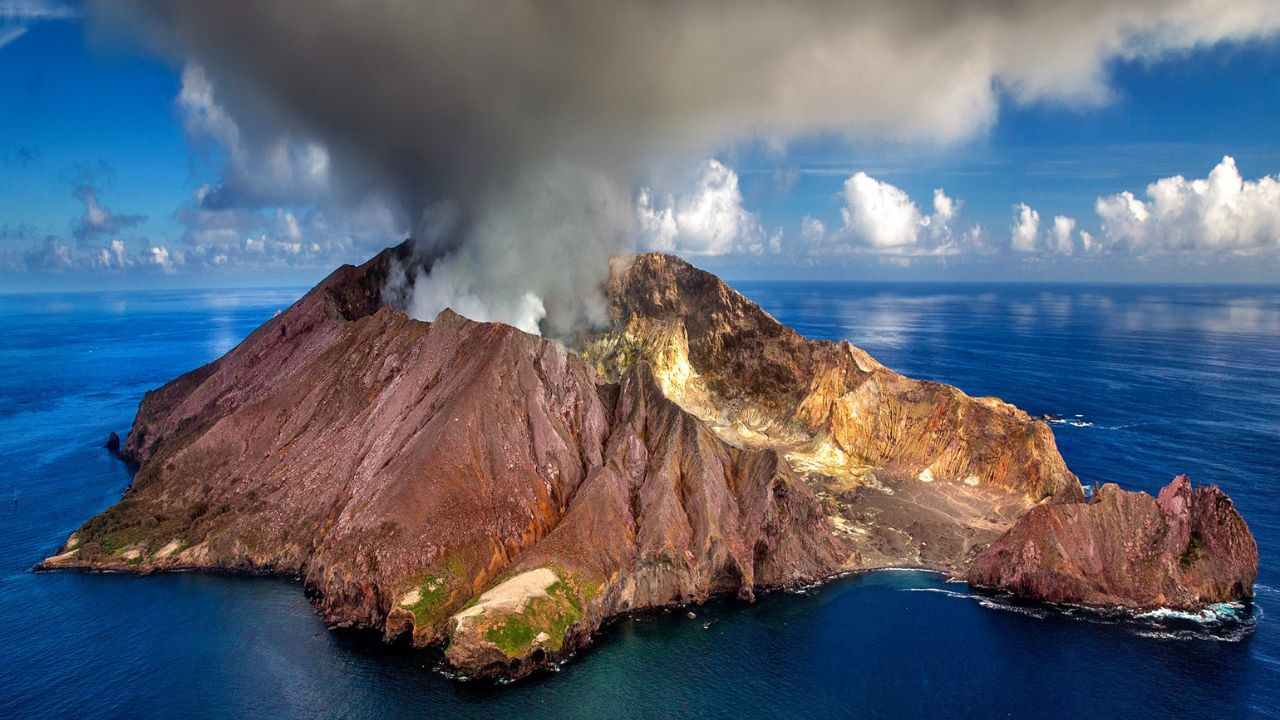
Discover The Fascinating History Of Enaria, A Submerged City In Italy, Destroyed By A Volcanic Eruption In The 4th Century B.C.!
The history of submerged cities is always fascinating, involving mysteries, legends, and an irresistible appeal to the collective imagination. Among these cities, Enaria stands out, not only for its submerged nature but also for its historical significance and the catastrophic events that led to its disappearance.
Located in the Italian region, the city was engulfed by the waters after a devastating volcanic eruption, and its history is a testament to the natural forces that can forever alter the fate of civilizations.
In this article, we will explore the history of Enaria, the factors that led to its submergence, and how this event shaped modern understanding of volcanic eruptions and their consequences.
-
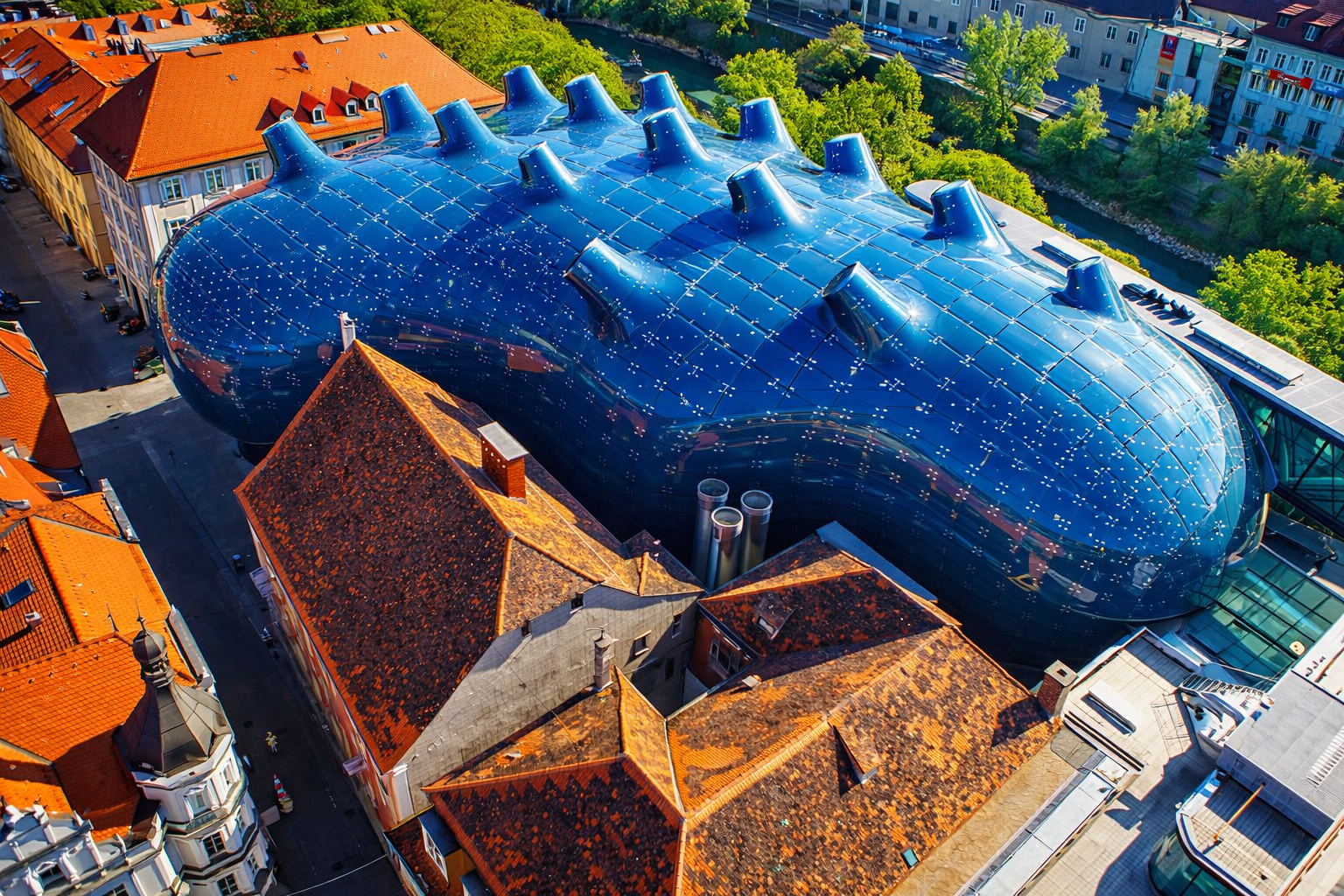
With 1,066 acrylic panels, the building known as the friendly alien is supported by a steel skeleton, has a façade that functions as a giant screen, and impresses the world without any internal columns.
-
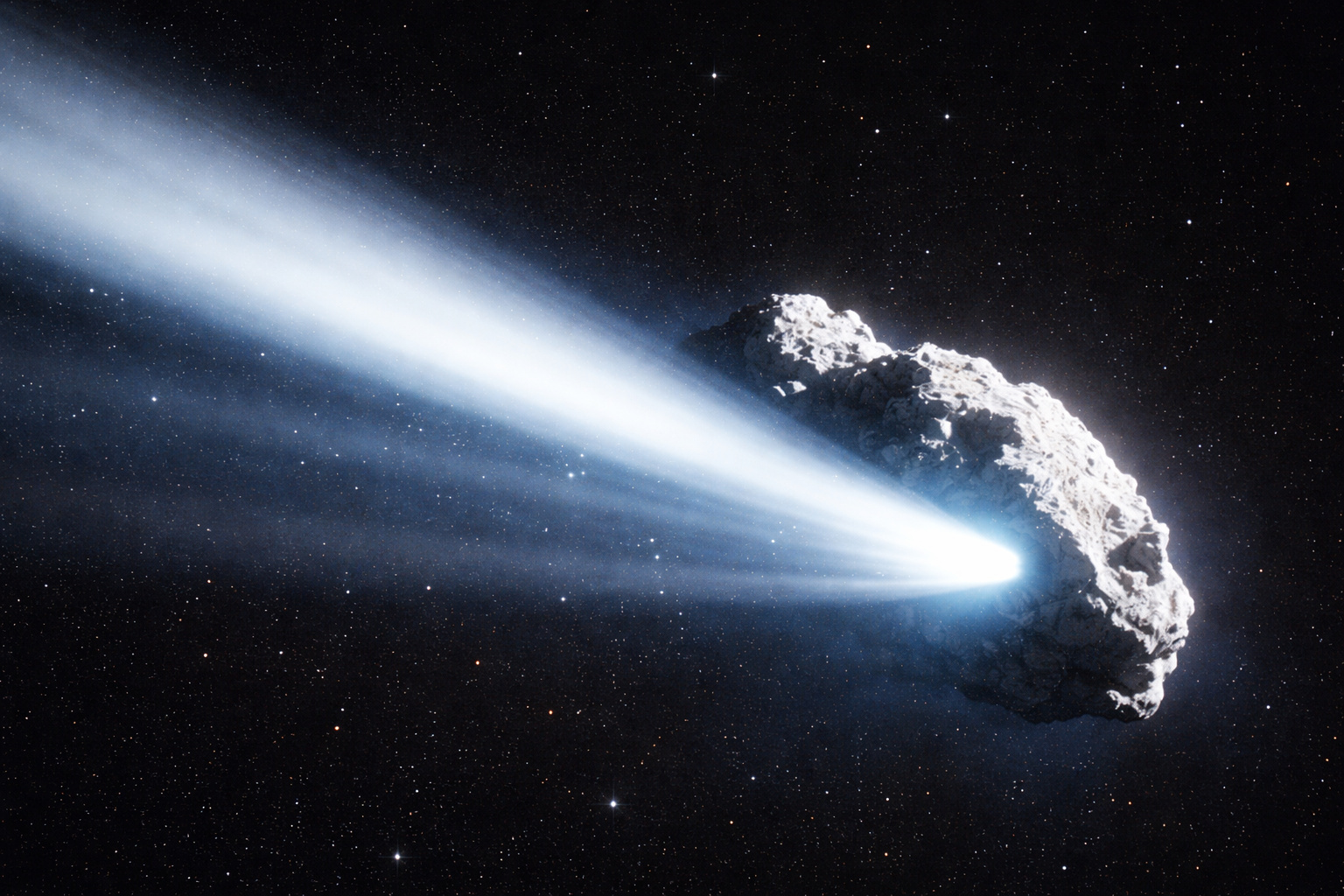
Scientists warn that a comet about 1 km in size that has started to release gases may actually change direction in space. It was spotted by NASA and surprises with potential impacts near Earth.
-
These living root bridges and ladders are over 700 years old and help indigenous people survive in one of the rainiest regions in the world.

-
From sertanejo star to international investor: Ana Castela invests millions in a mansion in the USA, creates a themed accommodation in Orlando, and shows that the “boiadeira” also wants to grow away from the stage.


Enaria: The City That Disappeared
Enaria was a prosperous city of ancient Italy, located in the Gulf of Naples region, near the island of Ischia. During its time of splendor, the city was known for its impressive architecture, active trade, and vibrant culture.
It was an important trading center, linked to Ancient Rome, and had a diverse population that included merchants, fishermen, and artisans.
However, what makes Enaria even more interesting is the mystery surrounding its disappearance. According to historical accounts, the city was tragically destroyed by a volcanic eruption in the 4th century B.C., leading to one of the largest natural disasters in the history of the region.
The eruption was so powerful that the city was completely submerged beneath the sea, disappearing from the map for centuries.
The volcanic eruption that devastated Enaria was part of a series of seismic and volcanic events that affected the Mediterranean region, particularly the area around Vesuvius and other volcanic islands.
Scientists believe that a series of unstable geological activities triggered the eruption, permanently changing the local landscape and making it impossible to reconstruct the city.
The Volcanic Eruption And Its Effects
The study of the eruption that submerged Enaria offers valuable insight into the impacts of volcanic activities on human history.
Volcanic eruptions, especially in regions like Italy, where magma and vapors are in constant movement, can result in large-scale catastrophes.
In addition to the immediate destruction caused by the explosion and lava flow, eruptions can also generate tsunamis and other natural phenomena, such as earthquakes and landslides, that lead to the submergence of coastal areas.
In the case of Enaria, the consequences of this eruption were devastating. It is estimated that the city was submerged under the sea in a short period of time, claiming the lives of its inhabitants and erasing all traces of its existence.
The fact that Enaria was located in an area vulnerable to volcanic and seismic activities made it even more susceptible to these catastrophic events.
Modern researchers believe that the eruption that destroyed Enaria was not an isolated event. On the contrary, it may have been part of a cycle of geological activities that affected the region for centuries.
The study of marine sediments and the remains found on the seabed has helped reconstruct the timeline of this catastrophe, allowing scientists to better understand the effects of volcanic eruptions in antiquity and their consequences for the civilizations of that time.
Enaria Today: The Rediscovery Of The Submerged City
Nowadays, the submerged city of Enaria has become a target for archaeological studies and public curiosity. In 1992, divers and archaeologists began exploring the area around the island of Ischia and discovered remnants of the lost city on the seabed.
Ruins of buildings, ceramics, and other relics were recovered, providing deeper insight into daily life in Enaria and the magnitude of the disaster that destroyed it.
The history of Enaria serves as a reminder that no matter how much human civilizations develop and thrive, they will always be subject to the forces of nature, often beyond our control.
Volcanic eruptions, with their ability to alter entire landscapes and submerge cities, are a clear example of how nature can dictate the course of history.
The legacy of Enaria, although buried beneath the waters, remains alive in the archaeological studies that help us better understand the impacts of natural disasters in antiquity.
Furthermore, the submerged city becomes a metaphor for human vulnerability and the impermanence of our creations, a concept that resonates across generations.
Thus, the story of Enaria not only illuminates the past but also teaches us the importance of understanding geological forces and the impact of volcanic eruptions.
After all, the memory of submerged cities like Enaria should be preserved not only as a remnant of the past but as a warning for the future.







Seja o primeiro a reagir!