





 Portuguese
  English
  Spanish
  6 min of reading
  0 comments


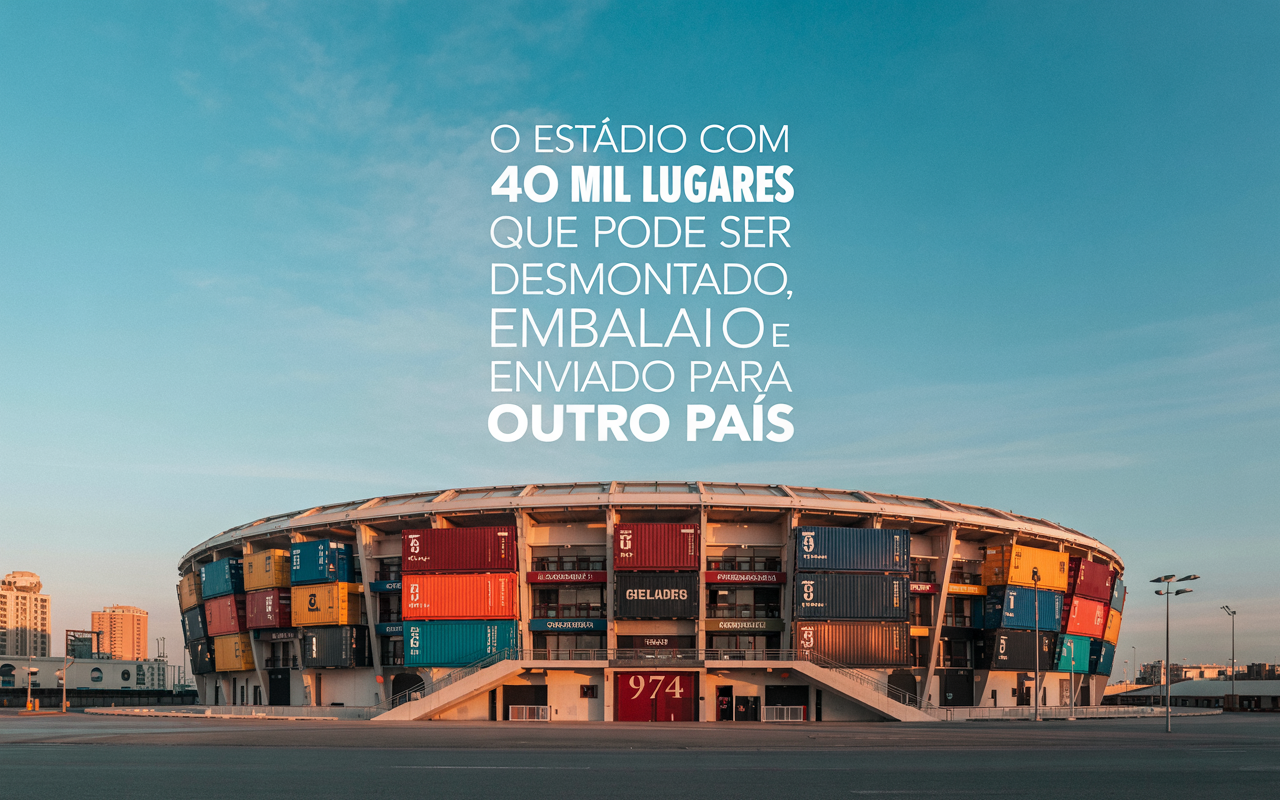
The Stadium 974 Is the First Football Stadium in the World Fully Demountable. With 40 Thousand Seats, It Can Be Packed and Reconstructed in Another Country in Just Two Months. Understand How It Works.
In the history of the World Cups, stadiums are usually erected as permanent landmarks. Some become national icons, while others turn into “white elephants,” abandoned shortly after the final whistle. But Stadium 974, built in Qatar for the FIFA World Cup in 2022, is a radical exception. It was designed from the first bolt to be temporary, demountable, and reusable in another country. With a capacity of 40 thousand spectators, it is the first football stadium in the world that can be entirely disassembled and transferred, as if it were a gigantic modular engineering kit.
In a planet increasingly concerned with the rational use of resources, Stadium 974 has become a global symbol of innovation, sustainability, and constructive intelligence. Its proposal is not to last, but to serve, disassemble, and re-emerge wherever needed. This mindset breaks with decades of megalomaniacal projects and represents a real alternative for countries with fewer resources that wish to host major events without compromising their budget or territory with permanent structures.
Why the Name “Stadium 974”?
The choice of the name “974” has a double meaning — and none of them is aesthetic. The number represents Qatar’s international dialing code and also the exact total of maritime containers used in the construction of the arena. Each of these 974 colorful containers serves a functional purpose: they make up changing rooms, bars, restrooms, corridors, and technical rooms. Instead of conventional coverings, the stadium showcases its structure as part of the visual concept, revealing the industrial logic that underpins its existence.
-
Finland, the happiest country in the world, wants to hire 140,000 technology professionals and is eyeing Brazilians: visas are issued in just two weeks and salaries with a 37-hour workweek are surprising.

-
Mr. Mário reveals the technique of the caipira papaya: he cuts the fruit in half, discards the seeds from the tip, and plants the ones from the back to increase the chance of a productive female tree.

-
Few remember, but the submarine that disappeared in 1968 with 52 crew members was found after 51 years at the bottom of the sea at more than 2,000 meters, intriguing the entire world.

-
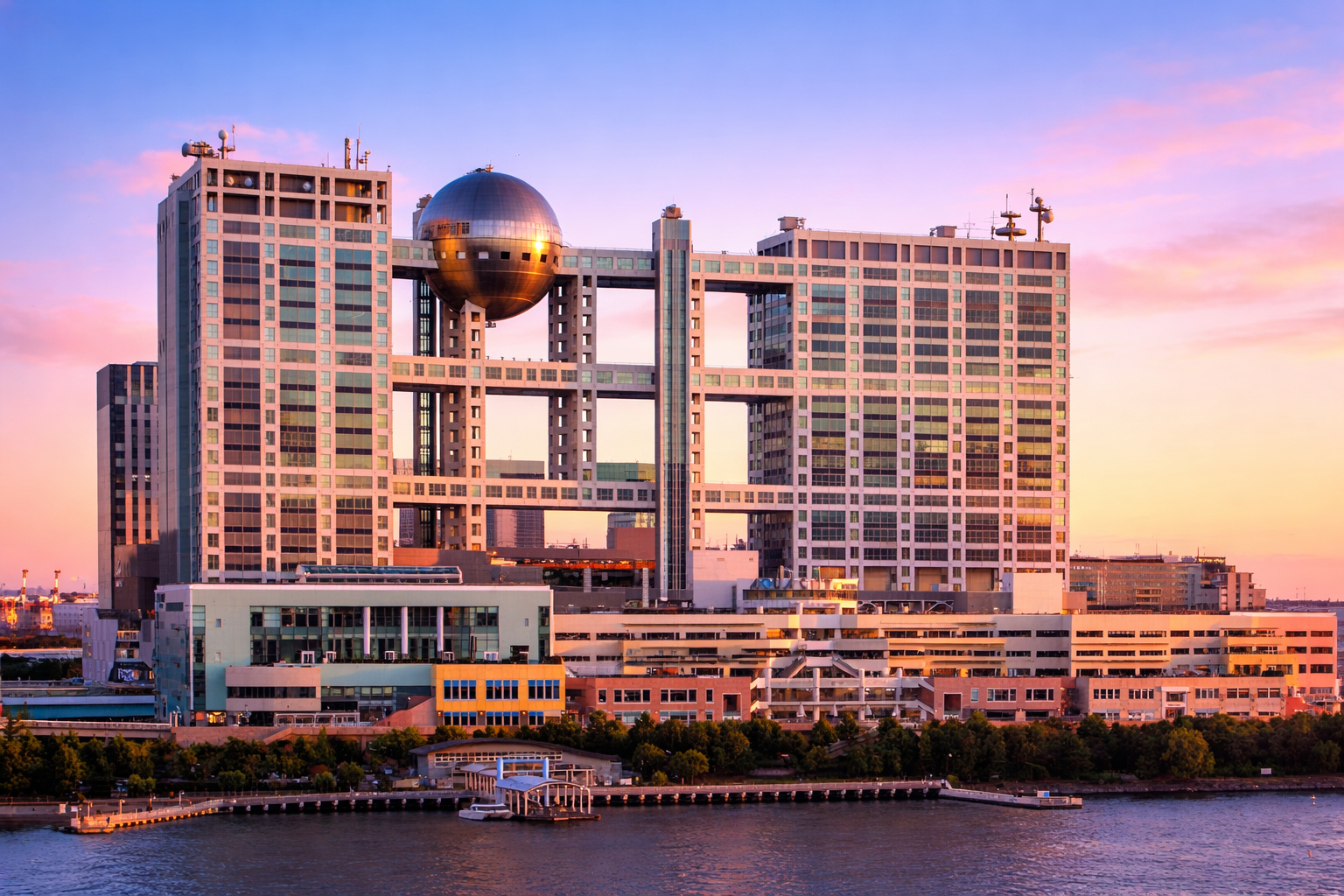
With 1,200 tons suspended, the Japan mega-structure in a grid shape with a floating sphere from Fuji TV features two 25-story towers connected by elevated walkways, titanium panels, and impresses the world with its ability to reduce wind impact.

This construction model has significantly reduced concrete usage, facilitated assembly, and made disassembly logistics perfectly viable. The project demonstrates that a stadium does not need to be an immutable work to be efficient, beautiful, and functional. It can be intelligent, transitional, and useful more than once.
Strategic Location: Near the Port and the Future
Stadium 974 was built in Ras Abu Aboud, a coastal region of Doha overlooking the Persian Gulf. The site is next to an important commercial port, a decisive factor in choosing the location. Since the containers were transported by ship, proximity to maritime infrastructure facilitated the construction logistics and ensured that disassembly, when it occurred, could also be done swiftly.
Moreover, the location allows for abundant natural ventilation, reducing the need for air conditioning systems — a common challenge in Qatar’s extremely hot and humid climate. This detail allowed Stadium 974 to be the only one in the World Cup without artificial air conditioning.
The Construction of Stadium 974: Innovation from the First Brick
The design of Stadium 974 was signed by the firm Fenwick Iribarren Architects, specialized in sports architecture, and supervised by the Supreme Committee for Delivery & Legacy, the organizing committee for Qatar 2022. The construction took about three years and involved engineers and specialists in modular assembly.


Unlike a traditional stadium, which requires tons of reinforced concrete, deep foundations, and fixed structures, Stadium 974 was built with transportable modular components, including metal towers, steel supports, and the famous reused containers. Everything was designed to be fitted, bolted, and easily disassembled, without the need for demolition.
This approach not only accelerated construction time but drastically reduced waste. According to the Organizing Committee, the project used fewer materials than any other stadium in the Cup, resulting in an ecological footprint 40% lower than the international average for sports arenas.
Games Played and the Conclusion of the Mission
During the 2022 World Cup, Stadium 974 hosted seven matches, including group stage games and one knockout match. One of the most remembered matches occurred in the round of 16 when the Brazilian team beat South Korea 4 to 1. The game was attended by thousands of fans and marked the stadium’s farewell from international fields.
After fulfilling its purpose, the stadium was immediately deactivated, as planned from the beginning. Leaving no ruins, without renovation needs, without maintenance costs. Just silence, stacked containers, and the promise of a new destination.
How Can the Stadium Be Disassembled and Sent to Another Country?
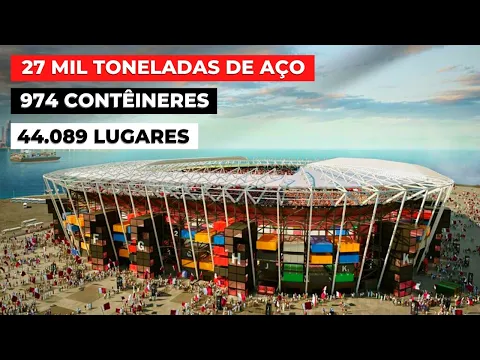
The disassembly of Stadium 974 follows a meticulous logistical sequence, but it is much simpler than that of a conventional arena. The process involves removing electrical and hydraulic systems, separating metal structures, and stacking containers onto cargo ships.
This procedure is possible due to the exclusive use of modular, prefabricated, and numbered materials. Each piece has a specific function and can be reinstalled in the same pattern or adapted to a new site. In up to two months, the entire stadium can be reconstructed in another country with the same functionalities.
Qatar has indicated that the structure may be donated, sold, or redistributed to developing countries that wish to have access to a FIFA arena without building from scratch. Possible interested parties include countries in Africa, Central America, and Asia, where there is a growing demand for medium-sized sports centers.
A New Model of Football Stadium for the 21st Century
Stadium 974 is not just demountable. It is adaptable, reusable, and financially viable, something very rare in the world of mega sporting events. By eliminating post-World Cup maintenance costs and allowing the redistribution of its structure, it establishes a new standard of legacy.
More than a technical project, the stadium represents a shift in mindset. It questions why structures worth billions are built that will be used for only a few weeks and then abandoned. It addresses the chronic problem of “white elephants” with efficiency, intelligence, and respect for the environment.
The Global Impact and International Reverberation
The initiative has been widely praised by international organizations, urban planners, and architects. The British newspaper The Guardian described Stadium 974 as “a direct response to the structural waste of global events.” Meanwhile, CNN International referred to the arena as “the first real experiment in large-scale sports sustainability.”
Entities like FIFA and the United Nations Environment Programme (UNEP) also highlighted the project as one of the most relevant innovations of the 2022 Cup. GSAS, the organization that certifies sustainable constructions in the Middle East, awarded the arena the highest rating.
Criticisms and Question Marks
Despite the innovation, the project has not escaped criticism. Parts of the international press have questioned the high public investment in a stadium that was used for only seven games. Others pointed out the lack of transparency regarding the stadium’s final destination, which has yet to have its new location officially confirmed.
Moreover, like other World Cup works in Qatar, Stadium 974 was built amid controversies regarding poor working conditions, with reports of human rights violations involving migrant workers — a problem that affected the entire construction timeline for the tournament.
The Stadium 974 is not an ordinary stadium. It is a transformative idea. A symbol that it is possible to think big, build intelligently, and plan purposefully. By being born with the certainty that it would be disassembled, it showed that the greatness of a work does not lie in its permanence but in the impact it creates — and in how it challenges the status quo.
Perhaps in a few years, it will stand in another country, with different colors, other games, and other voices in the stands. But the message it left in Qatar already echoes around the world: it is possible to reinvent sport without destroying the planet.
Official Sources Used
- FIFA.com (Official Stadiums Qatar 2022)
- Supreme Committee for Delivery & Legacy (Qatar 2022)
- ArchDaily (structural analysis of the project)
- BBC News (special series on World Cup infrastructure)
- CNN International (reports on sports sustainability)
- GSAS – Global Sustainability Assessment System








-

Uma pessoa reagiu a isso.