





 Portuguese
  English
  Spanish
  4 min of reading
  1 comment


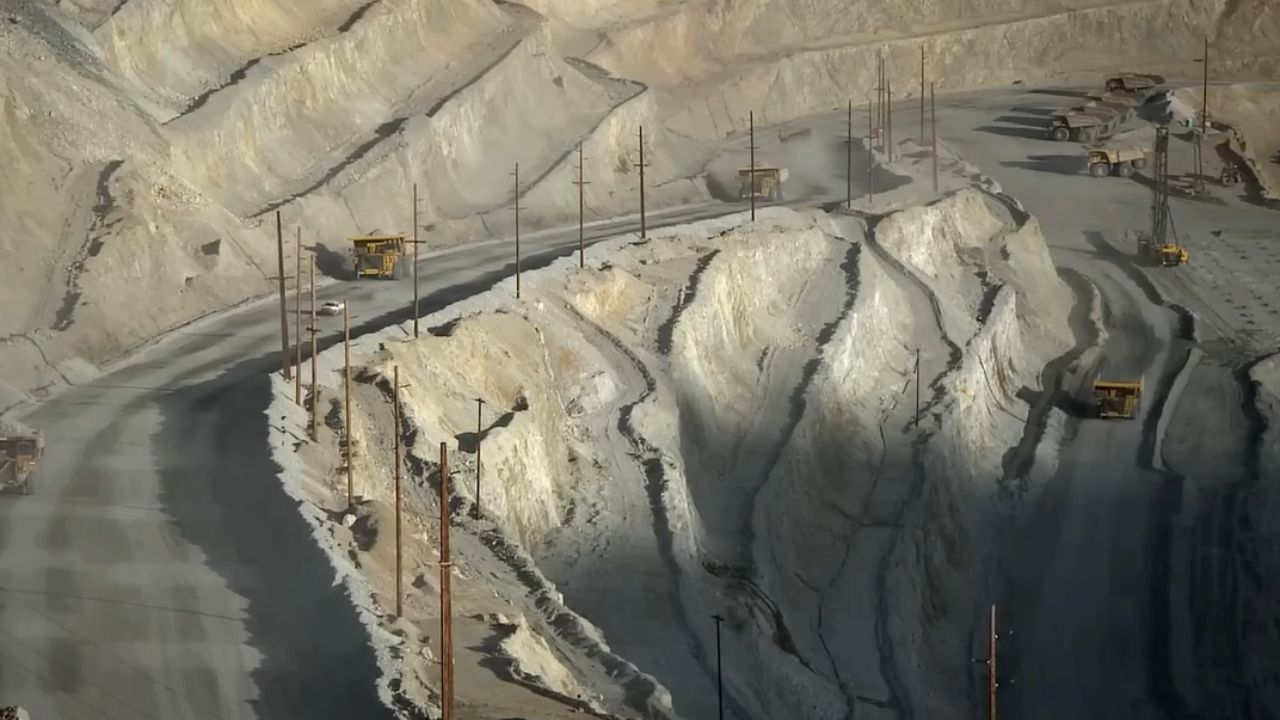


Understand How the Largest Open Pit Mine in the World Is Not a Place, But a Model That Produces Millions of Tons, Sacrifices Mountains and Moves Cities.
The concept of “the largest open pit mine in the world” is, in fact, a paradox. Instead of a single location, it describes a global industrial phenomenon: the mega-mining model. While several mines compete for the title, be it by size, volume, or production, the central premise holds true in different parts of the globe. The scale of these projects is, by definition, transformative, generating profound impacts that redefine landscapes and lives.
This large-scale mining model inevitably leads to conflicts. The pursuit of massive volumes of ore results in inherent and often planned consequences. Among them, the devastation of cultural heritage and the forced displacement of entire communities are the most visible costs of this global extractive logic.
Who Is “the Largest”? The Battle of Metrics
Identifying the largest open pit mine in the world is complex, as the title depends entirely on the metric used for evaluation. Superlatives are used by the industry to demonstrate market dominance and engineering scale, but the data reveals multiple titleholders, each superlative in its own category.
-
The water crisis that could change everything this year has already begun; it’s not just about the climate, it affects technology, raises product prices, and can halt entire companies without warning.

-
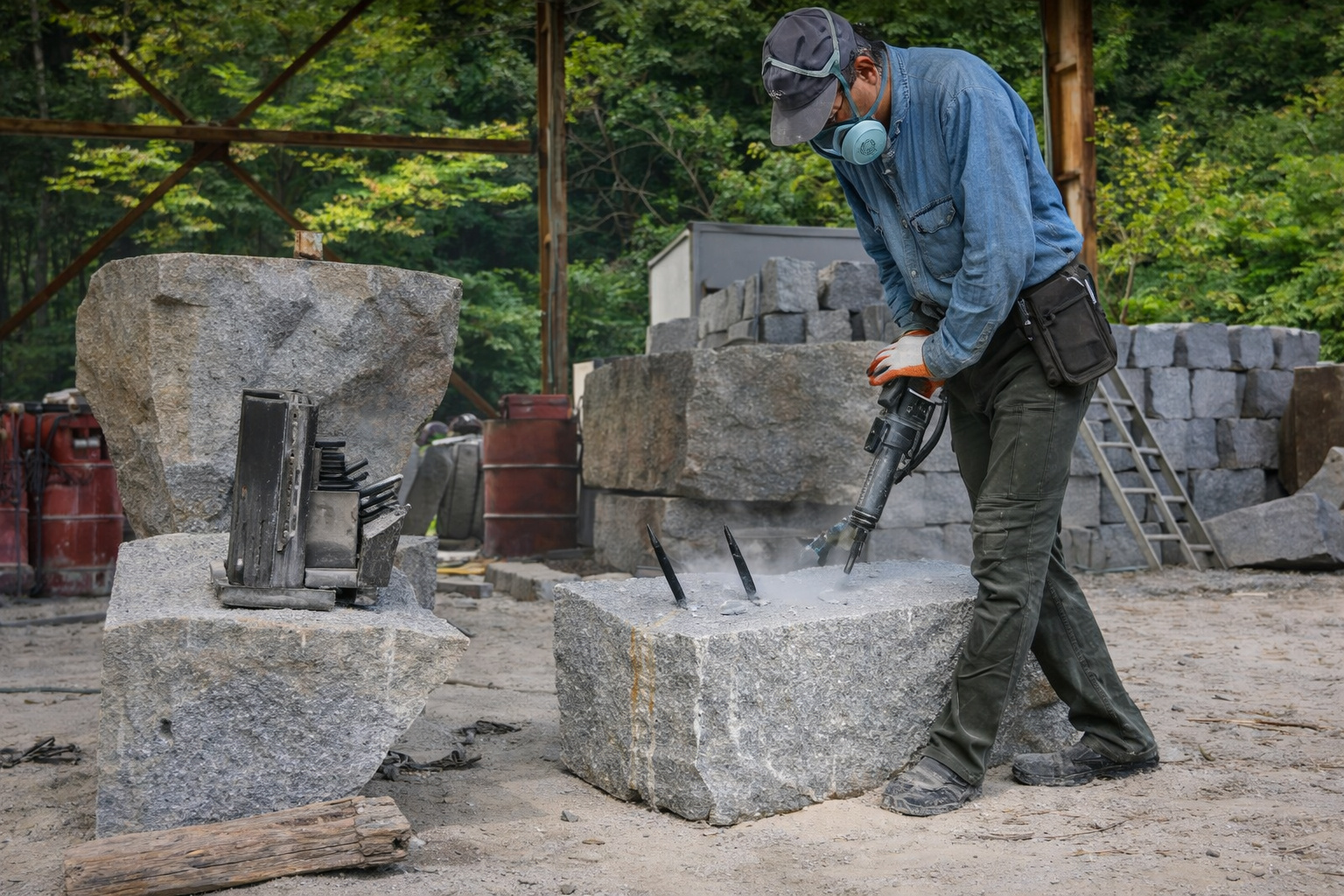
A Japanese mason transforms raw granite into small cups and handcrafted utensils, collects giant stones, cuts with precision, and impresses with detailed manufacturing and finishing.
-
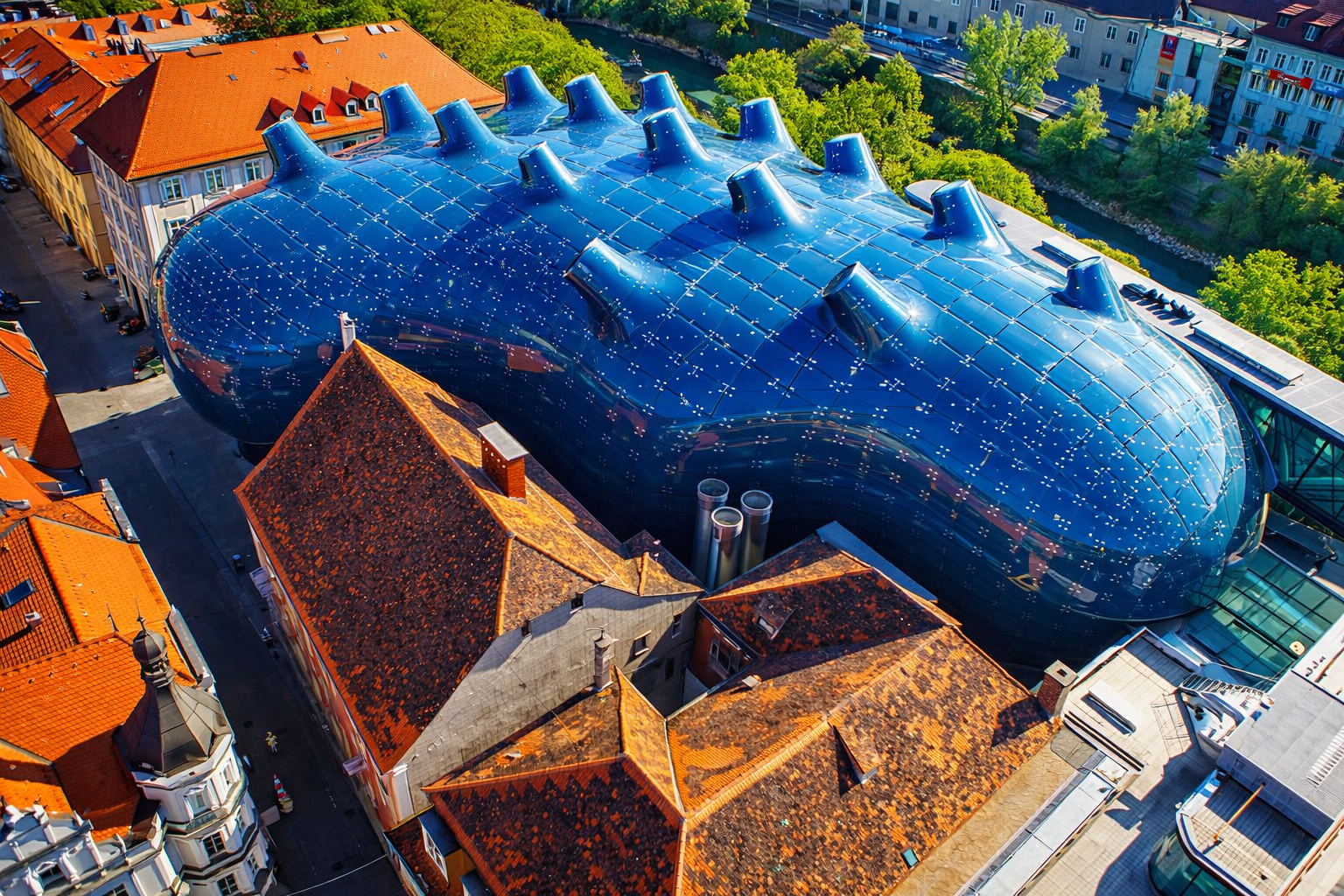
With 1,066 acrylic panels, the building known as the friendly alien is supported by a steel skeleton, has a façade that functions as a giant screen, and impresses the world without any internal columns.
-
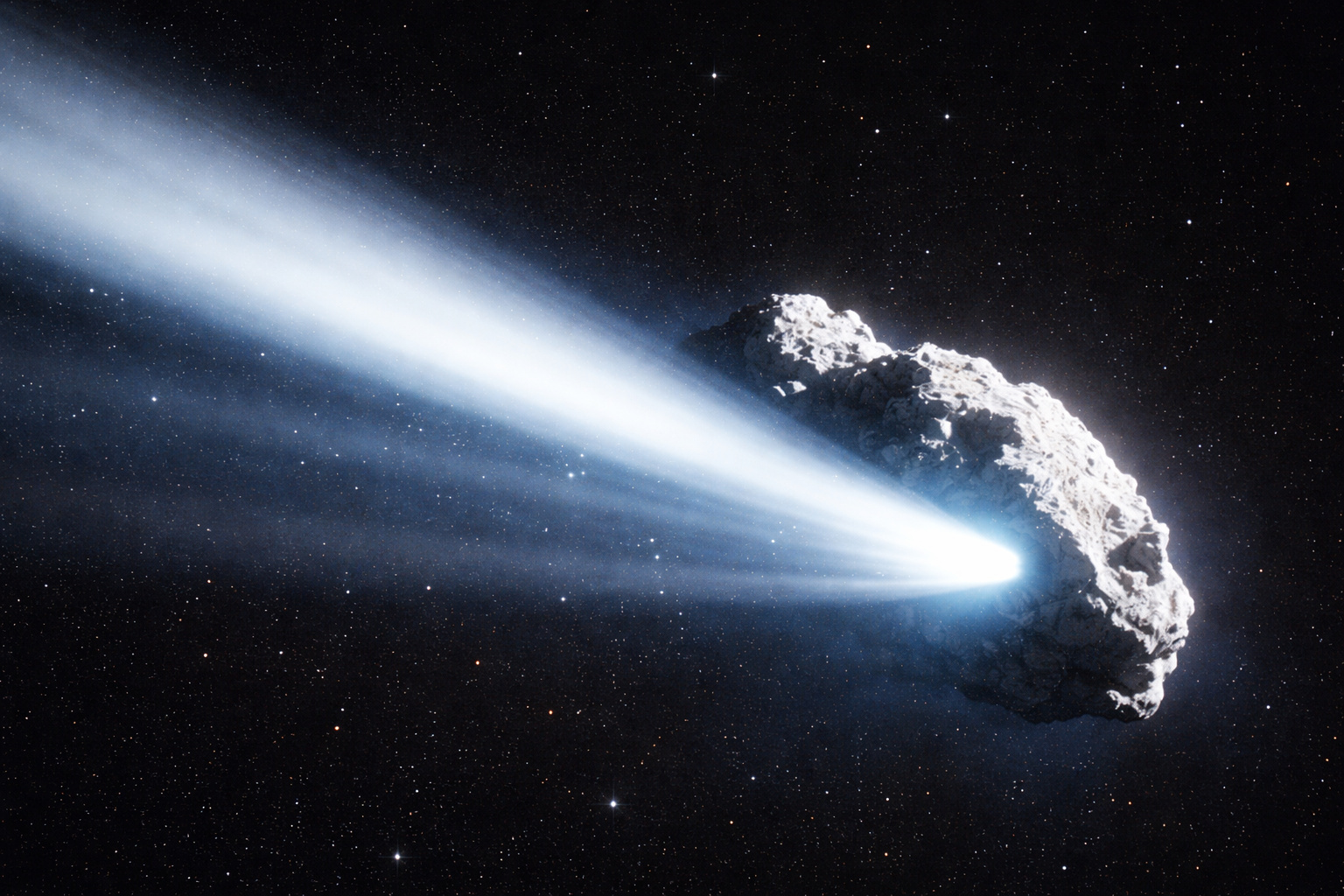
Scientists warn that a comet about 1 km in size that has started to release gases may actually change direction in space. It was spotted by NASA and surprises with potential impacts near Earth.

The Bingham Canyon Mine in Utah (USA) is often cited as the “largest human excavation” by volume and size. Meanwhile, the Escondida Mine, also in Chile, leads as the world’s largest copper producer. For iron ore, the Carajás Mine in Brazil holds the title of the largest open pit mine in the world. In terms of surface area, the Muruntau gold mine in Uzbekistan stands out. This demonstrates that “mega-mining” is a category defined by a scale that defies a single superlative, but whose impacts are universally massive.
Millions of Tons: The Real Scale of Production
The premise of production in “millions of tons” is not only valid but, in some cases, a understatement of the total material scale. The Carajás Mine in Pará, operated by Vale, perfectly exemplifies this scale. According to the company’s own data, the Northern System, which includes Carajás, produced 177.5 million tons of iron ore in 2024 alone.
The scale is so vast that Vale has already announced plans to expand its capacity to a rate of 200 million tons per year by 2030, according to its reports. However, the real driving force behind physical devastation is not just the final product, but the sterile material (tailings) that needs to be moved. In copper mines like Chuquicamata and Bingham Canyon, for every kilogram of product, hundreds of kilograms of rock are removed and discarded, explaining the relentless expansion of the pits.
The Advance That Forces the Exodus: The Relocation of Cities
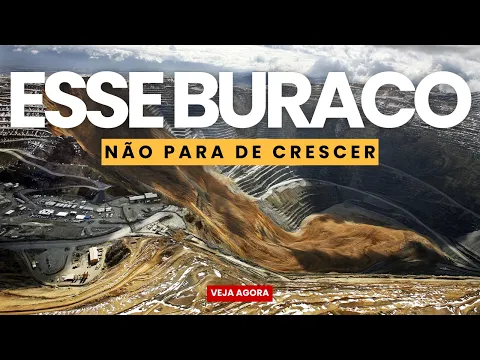

The forced displacement of communities is one of the most direct consequences of the physical advance of mega-mines. The case of Chuquicamata in Chile is the main modern example of mass relocation as a strategic business decision. The town, which once housed about 25,000 people, was officially abandoned in September 2007.
The residents were moved to Calama, 15 kilometers away, in a process planned by the state-owned Codelco. The reasons for this exodus were explicit: the expansion of the pit, severe concerns about pollution, and, crucially, the fact that the company was “running out of convenient places to pile the mine’s waste” (sterile material). The city area was needed for tailings disposal, a fate similar to that of the historic town of Bingham Canyon in the USA, which was literally “consumed” by the mine throughout the 20th century.
The Sacrifice of Historic Mountains
The premise of “the devastation of historic mountains” reveals a battlefield that is not only physical but ideological, where mining actively consumes and redefines the cultural meaning of the landscape. In Brazil, the most emblematic case is the conflict surrounding the Serra do Curral in Minas Gerais. It is described as the “largest symbol of Belo Horizonte” and the geographical landmark that gave rise to the original settlement of the capital, “Curral del Rey”.
Despite being a protected heritage site at both municipal and federal levels, the mountain faces direct threats from new mining projects. The mountain is not just a visual symbol; it is the “fundamental axis of historical articulation” of Minas Gerais and a vital area for springs and water recharge for the Metropolitan Region. In an ironic contrast, the Bingham Canyon Mine (USA) was designated a National Historic Landmark because of its devastation, celebrating it as a triumph of engineering, while in Carajás and Chuquicamata, modern industrial heritage is built on the erasure of millennia-old Indigenous legacies.
The analysis validates the thesis: the largest open pit mine in the world is not a place but a business model. Massive production (Carajás), the displacement of cities (Chuquicamata), and the devastation of heritage (Serra do Curral) are not accidents. They are calculated and internalized externalities in the mega-mining business plan, where the mineral value or logistical need exceeds the social, cultural, or historical value of a landscape.
Do you agree with this change? Do you think it impacts the market? Leave your opinion in the comments; we want to hear from those who live this in practice.





Bem curto.
O planeta está instável.
Vulcões etc…
As áreas estáveis, são mantidas, pelo peso exercido pelos conteúdos lá existentes.
Toneladas de materiais, minérios, rochas etc… são retirados e deslocados para outros locais alterando as pressões sobre a crosta terrestre.
Um dia as pressões internas, começam a se manifestarem.
Tremores e outras manifestações.
Temos como exemplo as minas de sal de Maceió.
O que esperamos mais que aconteça?