





 Portuguese
  English
  Spanish
  3 min of reading
  0 comments


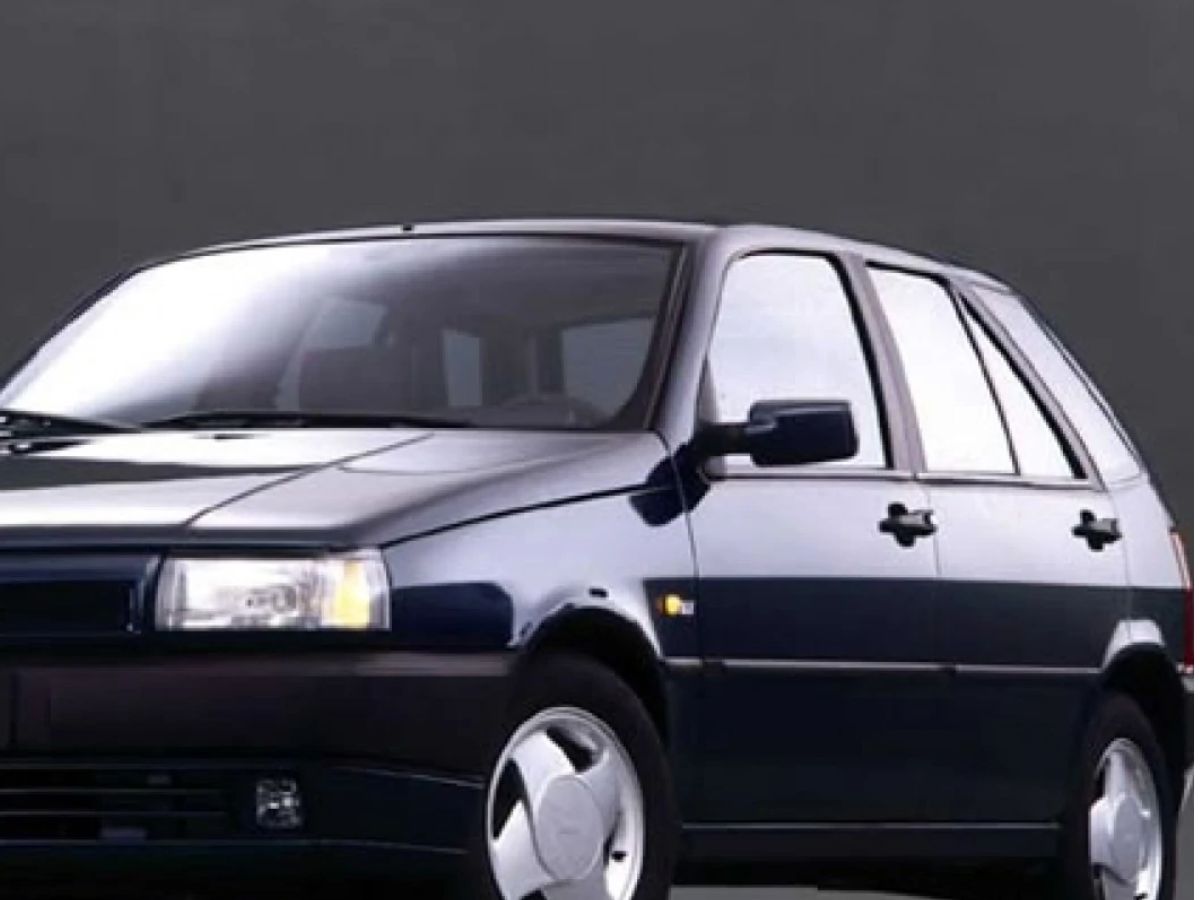
Recall The Trajectory Of The National Fiat Tipo, That Promised To Repeat The Success Of The Imported, But Was Marked By Recalls, Fires And A Crisis Of Confidence In Brazil
The National Fiat Tipo had everything to be a sales champion in Brazil, following the resounding success of its imported version. Launched in the early 90s, the Italian Tipo won over the public with its modern design and good equipment package. However, the Brazilian version faced a fatal crisis.
Quality issues and an infamous series of fires, which began with the imported models but stained the entire line, turned the promising National Fiat Tipo into one of the biggest “flops” of the Brazilian automotive industry. This is the story of its rise and fall.
The Triumphant Arrival Of The Fiat Tipo In Brazil And Its Initial Impact
At the beginning of the 1990s, with the reopening of imports, the Fiat Tipo arrived in Brazil in 1993 and quickly became a success. Its contemporary design, good interior space and items such as air conditioning and optional sunroof attracted consumers. Initially with a 1.6 i.e. engine of 82 hp, the line expanded with the Tipo SLX 2.0 (109 hp) and the sporty Tipo 2.0 16V Sedicivalvole (137 hp).
-
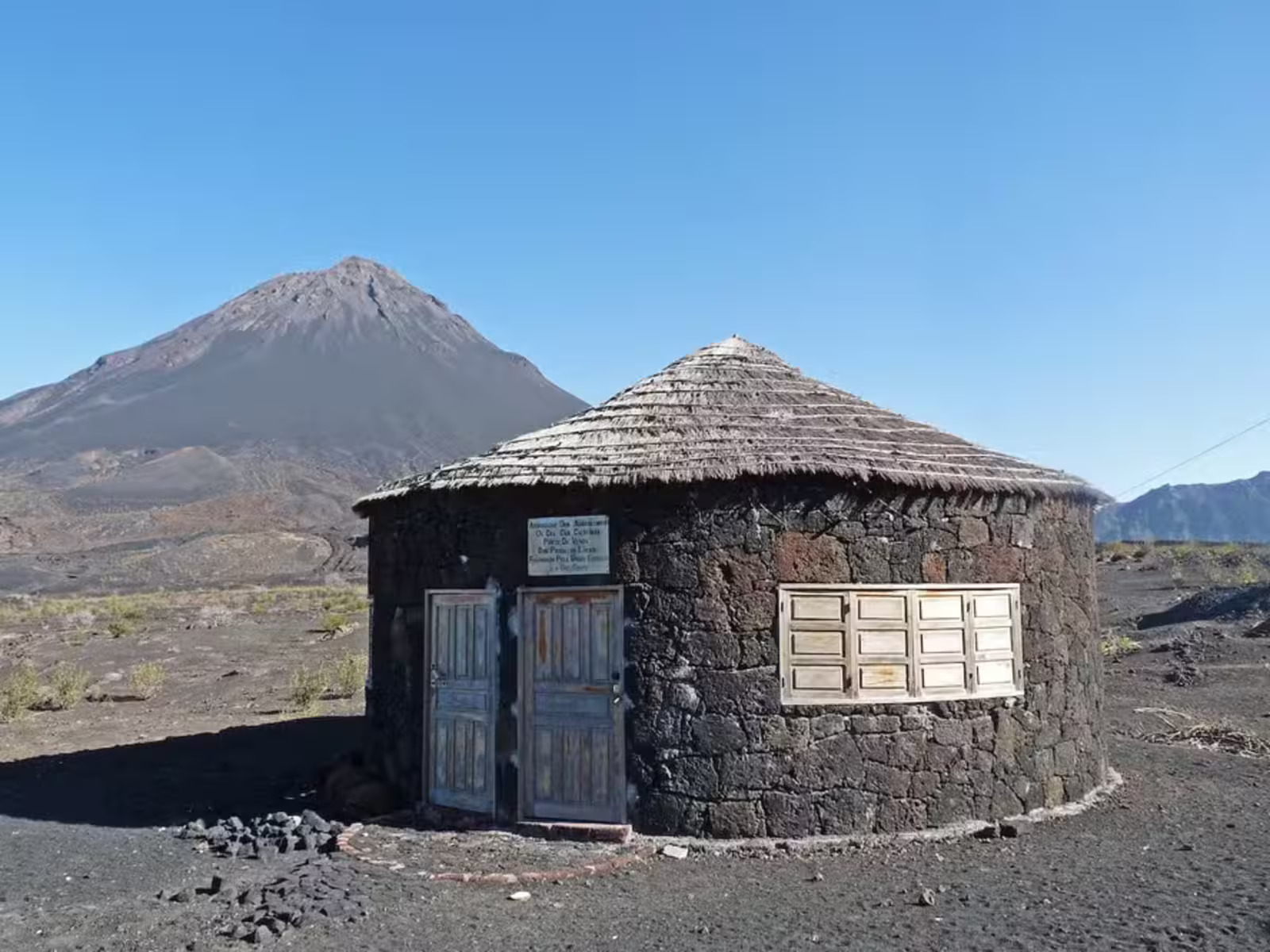
Inside an active volcano in Africa, residents use volcanic rocks to build houses in an impressive setting.
-
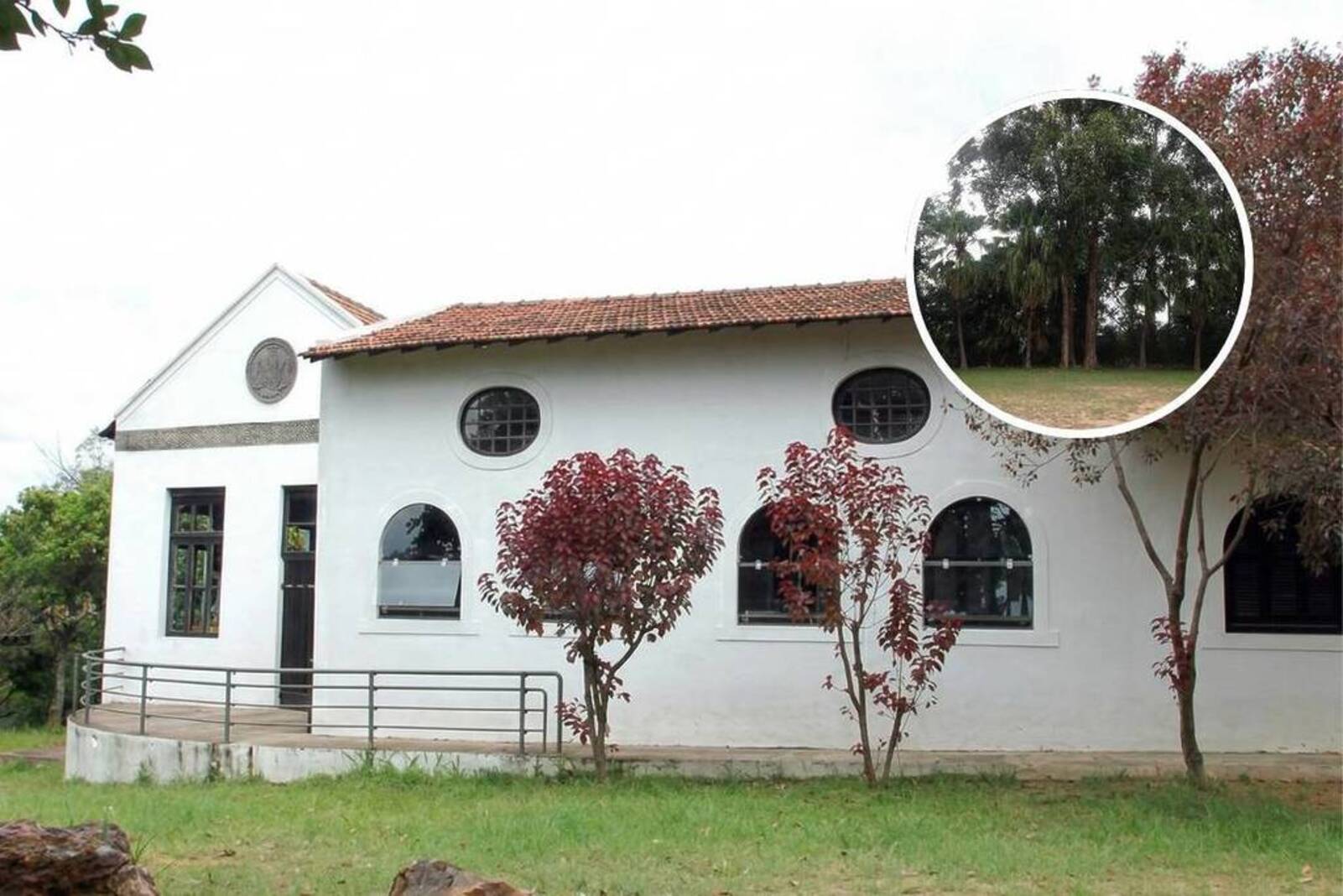
After 14 years of waiting, a rammed earth mansion built in 1702 in the North Zone of São Paulo will become a park with leisure facilities and green areas, with a million-dollar investment.
-
With 2 unfinished nuclear reactors, up to 25 billion in costs, and proven fraud, the Nukegate case has left 800,000 consumers still paying today for energy that will never be produced.

-
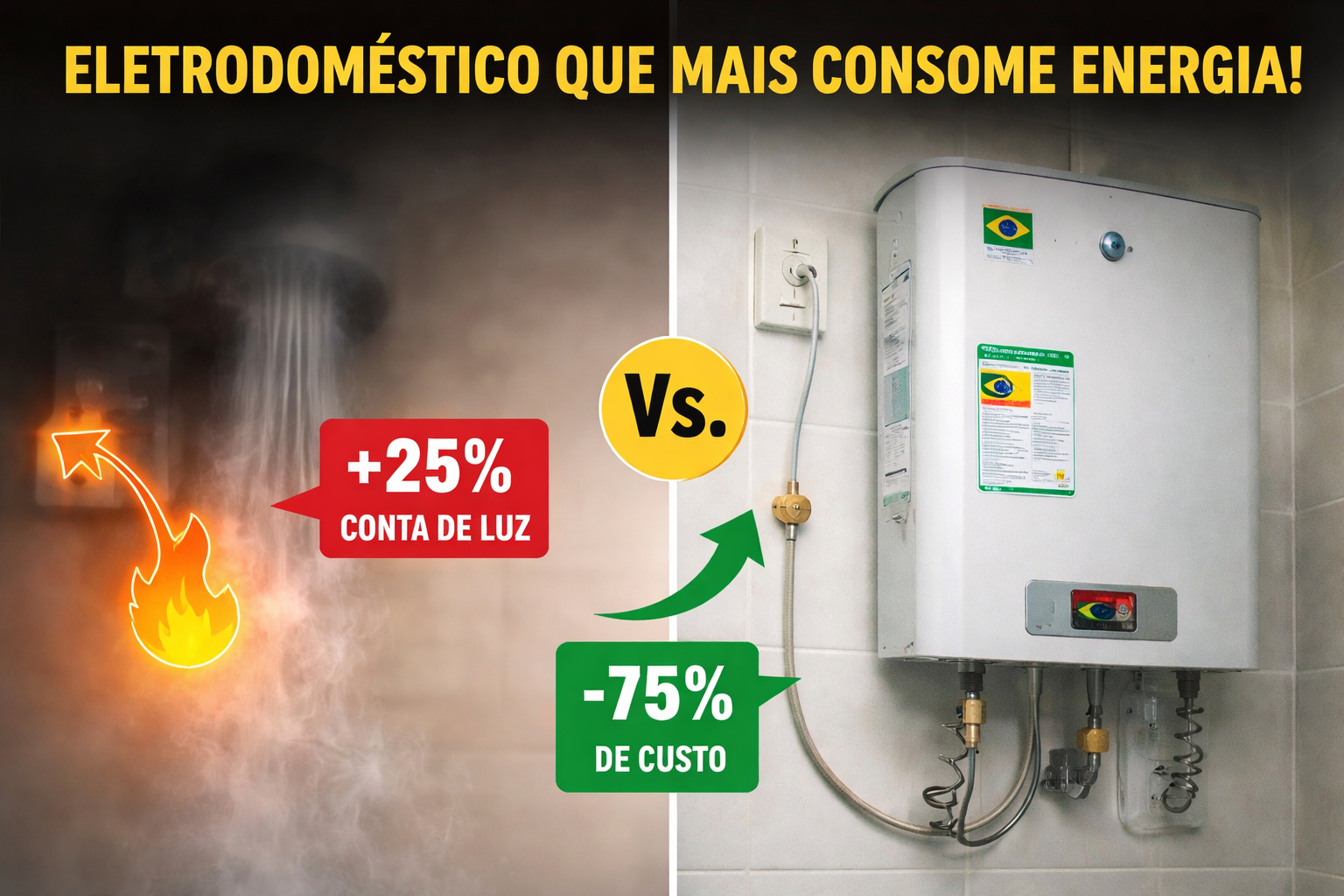
The household appliance that consumes the most energy in Brazilian homes is not the air conditioner; it is located in the smallest room of the house, is used daily, and can account for up to 25% of the electricity bill, while an alternative in the same outlet can reduce this cost by up to 75%.

The imported Tipo was the best-selling car in the country for several years, even unseating the VW Gol from monthly leadership in January 1995. In total, 169,819 imported units were sold, a true triumph.
The Launch Of The National Fiat Tipo 1.6 MPI And Its News

In February 1995, the import tax increased to 70%, making the Italian Tipo unfeasible. Fiat then decided to nationalize the model, starting production in Betim (MG). The National Fiat Tipo 1.6 MPI arrived in early 1996 with a more powerful engine (92 hp) and an innovation: it was the first Brazilian car to offer a driver’s airbag as an option.
Expectations were high, but nationalization also meant the end of importing the coveted SLX 2.0 and Sedicivalvole versions.
How Quality Issues Affected The National Fiat Tipo
The trajectory of the National Fiat Tipo was marked by problems. Although the source text does not extensively detail a “perceptible decline in assembly quality” of the Brazilian model compared to the imported one, this perception existed in the market. The crisis worsened with the cases of fire in the imported 1.6 i.e. models.
The main cause was a failure in the hydraulic steering hose: the fluid leaked onto the hot exhaust manifold, starting the fire. In April 1996, Fiat called for a massive recall of over 155,000 units, most of them imported. Unfortunately, the announcement coincided with the launch of the National Fiat Tipo, staining its image from the start.
The Collapse In Sales And The End Of The Line For The National Tipo
Fiat’s response, considered slow by some, and the severity of the fires led the Tipo to be nicknamed “Zippo.” Sales plummeted: from 85,281 units (imported) in 1995, they fell to 14,374 in 1996 (mixing imported and national). In 1997, only 1,338 units were registered between January and May.
Production of the National Fiat Tipo was halted in the same year, 1997, with a total volume of only 12,570 units manufactured in Brazil. The car became a major market “flop.”
The Scars Left By The National Tipo On The Automotive Industry


The crisis of fires generated a long legal battle. The Automobile Consumer Association and Fire Victims of Tipo (Avitipo) filed a public civil action against Fiat, which, after 23 years, resulted in the right to compensation for affected owners.
The image of the National Fiat Tipo was destroyed, and the case left a stain on Fiat’s reputation at the time. More broadly, the episode served as a warning for the Brazilian automotive industry about the importance of safety standards, quality control, and crisis management, possibly contributing to greater scrutiny and increased consumer awareness.







Seja o primeiro a reagir!