





 Portuguese
  English
  Spanish
  4 min of reading
  0 comments


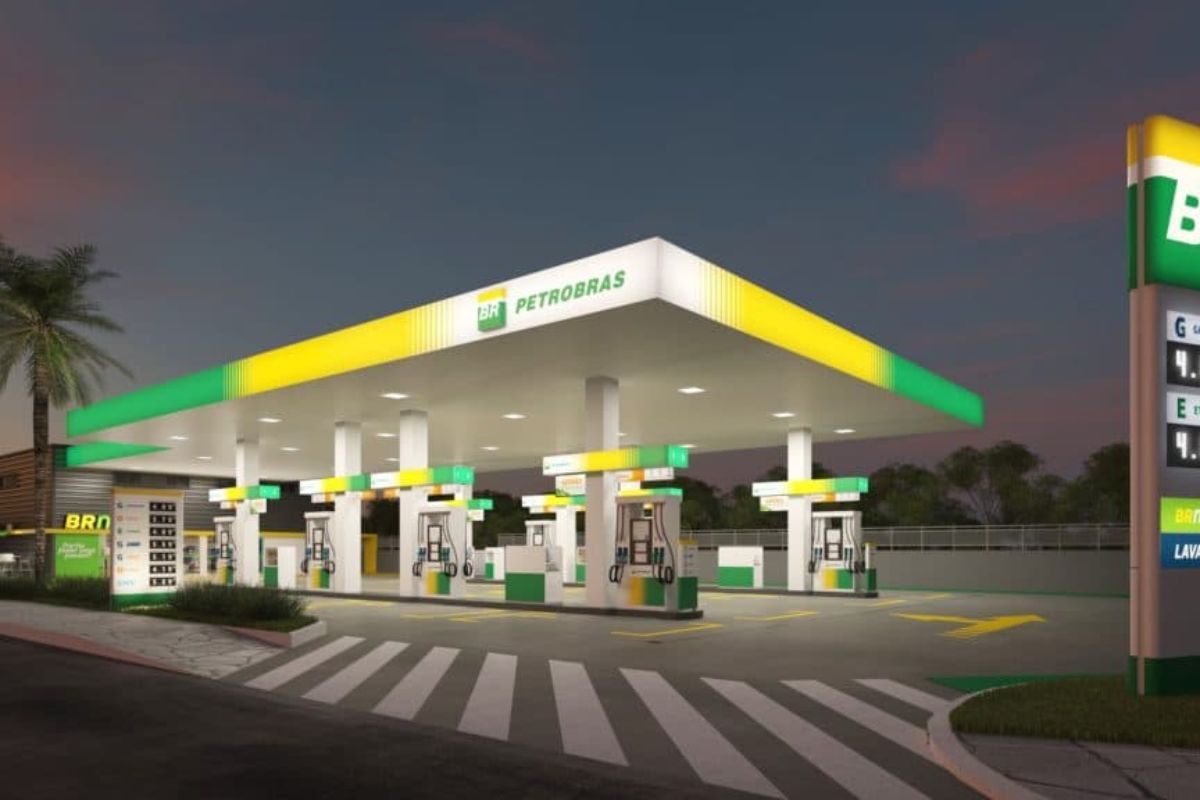
In A R$ 11.3 Billion Deal, Petrobras Sold Its Last Stake In BR Distributor, Which Became Vibra Energy And Changed Its Strategy, Generating Record Profits And Controversies Over Prices.
In a move that marked the energy sector and the Brazilian capital markets, Petrobras completed the privatization of BR Distributor, the largest fuel station network in the country, in July 2021. The operation, which involved more than R$ 11.3 billion, represented the end of state control over an asset of immense strategic importance and the pinnacle of the oil company’s divestment strategy.
Freed from state constraints, the former BR Distributor was reborn as Vibra Energy, adopting a new management manual focused on efficiency and results. However, the change generated opposing narratives: while the financial market celebrated record profits, unions and consumers questioned the privatization’s impact on fuel prices.
The R$ 11.3 Billion Operation: The Final Step In Privatization In 2021
The privatization was sealed through a large stock offering on the stock exchange. The pricing of the shares occurred on June 30, 2021, and the operation was formally concluded on July 6, 2021.
-
A major turn in the Justice system suspends tax increases and directly impacts oil and gas companies in Brazil by affecting costs, contracts, and financial planning, leaving uncertain what could happen to the sector if these costs had increased.

-
Brava Energia begins drilling in Papa-Terra and Atlanta and could change the game by reducing costs in oil while increasing production and strengthening competitiveness in the offshore market.

-
Petrobras surprises the world again by announcing a new discovery in the pre-salt with excellent quality oil.

-
Offshore industrial demand in Macaé skyrockets with the recovery of oil and gas and could grow by up to 396% by 2026 in the Campos Basin.

In total, Petrobras sold its remaining 37.5% stake, raising R$ 11.358 billion. The price was set at R$ 26.00 per share. Investor demand greatly exceeded supply, reaching almost double the amount, signaling strong market acceptance. The majority of the shares were acquired by investment funds and foreign investors. With the sale, BR Distributor became a corporation, a company with dispersed capital and no controlling shareholder.
The Strategy Of Petrobras, Why Did The State Sell BR Distributor?
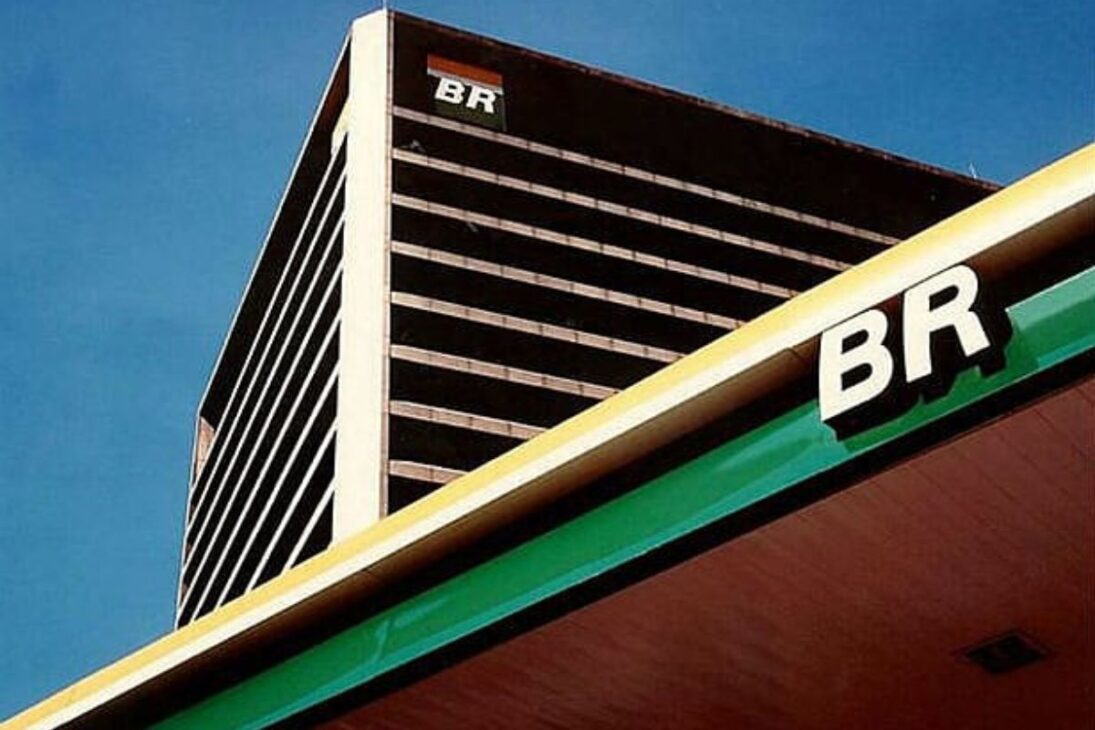
The sale of BR Distributor was a central piece in Petrobras’ strategic reorientation. The state-owned company decided to focus its resources and efforts on its main and most profitable business: the exploration and production (E&P) of oil and gas in deep and ultradeep waters, especially in the pre-salt.
The operation was part of a broad divestment program aimed at reducing the company’s high debt. By selling distribution and refining assets, considered less strategic, Petrobras was able to raise capital to finance the massive investments required by the pre-salt and simultaneously strengthen its financial balance.
The Birth Of Vibra Energy, New Management And Focus On Profit
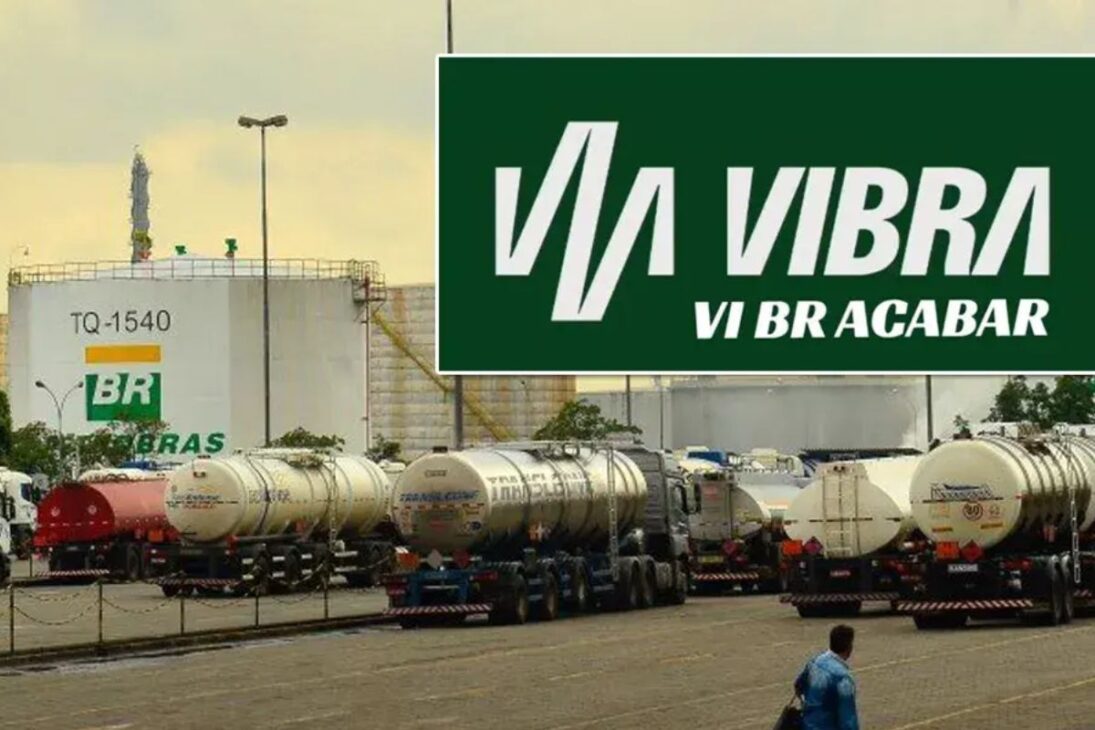
With Petrobras’ complete exit, the newly privatized company needed a new identity. In August 2021, BR Distributor was rebranded as Vibra Energy. The change symbolized the ambition to become a broader energy company, looking beyond fossil fuels.
The new management, with a private sector mindset, implemented an efficiency shock. The company’s total costs fell by about 40% in the two years following the initial privatization in 2019, driven by logistics optimization and workforce reduction. Freed from the obligation to buy exclusively from Petrobras, Vibra began importing fuel when international prices were more favorable, a strategy that became essential to increasing its profit margins.
Record Profits For Shareholders And Higher Prices At The Pump?
The results of the privatization generated a deep debate. From a financial perspective, the operation was a success for Vibra Energy and its new shareholders. The company set profitability records, reporting a net profit of R$ 4.766 billion in 2023, the highest since its IPO.
On the other hand, unions such as the Unified Federation of Oil Workers (FUP) and consumer associations pointed to a negative impact on society. Data collected by the Bahia Association of Petrobras Engineers (AEPET-BA) showed that, after the privatization, the distribution profit margin increased disproportionately compared to the cost of fuel at the refinery. Critics argue that the new private management contributed to the rise in prices at the pump.
The Future Of The BR Distributor Brand, The Dispute Between Vibra And Petrobras’ Desire To Return
While investing in the energy transition, Vibra faces a threat to its most valuable asset: the Petrobras brand. The contract allowing Vibra to use the “BR” logo in its network of over 8,000 stations is valid until June 2029.
The new management at Petrobras, however, has already publicly expressed its intention to return to the distribution market. In January 2024, the state-owned company officially informed Vibra that it is not interested in renewing the brand licensing agreement under the current terms. This move signals a future “brand war” in the sector and puts Vibra in a race against time to strengthen its own identity before losing the right to use the iconic logo of BR Distributor.









-

Uma pessoa reagiu a isso.