





 Portuguese
  English
  Spanish
  4 min of reading
  0 comments


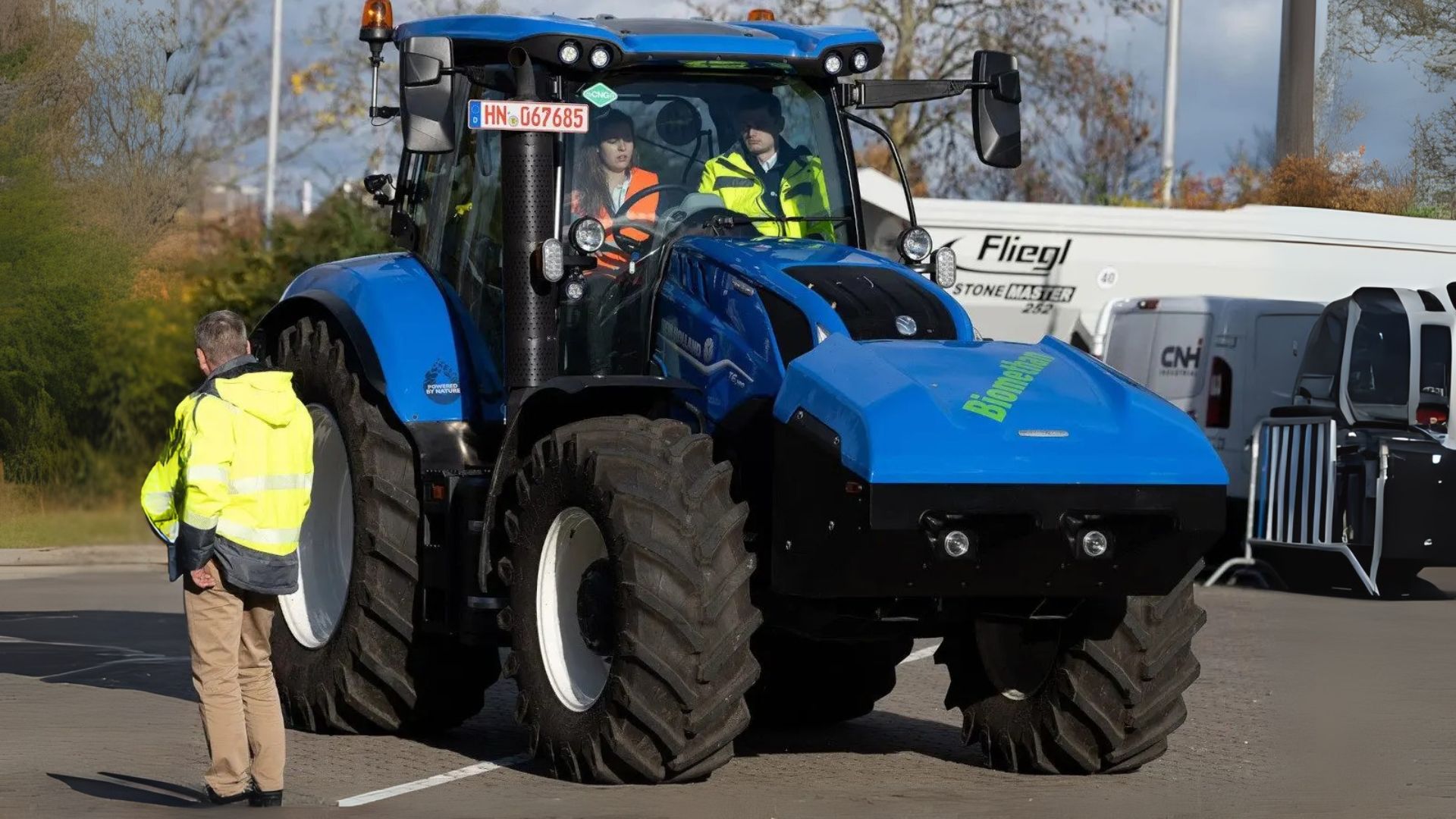
Innovative Technologies Promise to Transform Agriculture, Bringing New Energy Solutions for Tractors, Multifuel Engines, and Alternatives to Diesel in Search of More Efficiency and Sustainability.
The traditional sound of diesel engines, still predominant in German farms and various countries, is about to be surpassed by a new generation of technologies.
Pressured by environmental targets demanding carbon neutrality by 2045, global agriculture is already moving to replace diesel with innovative energy solutions, with tractors playing a central role in this transformation process.
During Agritechnica 2025, the world’s largest agricultural machinery fair, scheduled for November in Hanover, manufacturers, engineers, and producers will present news that promises to revolutionize the field.
-
Rain gains strength in April, potentially exceeding 150 mm, placing the North, Northeast, and the coasts of the South and Southeast at the center of the heaviest forecast of the week.

-
A fish that survives out of water, crawls on land until it finds another river, and whose female lays 80,000 eggs at once is infesting rivers and lakes in Brazil, and no one can stop this invasion.

-
WEG took its technology to Spain to create a solar irrigation system that operates independently without needing an electrical grid, and now farmers control everything remotely via their mobile phones.
-
The US faces a meat crisis with fires, pests, and strikes, consumption rises and supply falls to the lowest level since 1952, creating a billion-dollar opportunity for Brazilian exports to grow in 2026.

The main question under discussion is: which energy source can viably, efficiently, and sustainably replace diesel?
This is the topic that sparks the most interest among experts and producers.
Hybrid Engines and Emerging Alternatives
Among the more conservative alternatives, hybrid engines stand out, which combine the use of diesel with partial electrification.
This configuration represents a step forward, but does not completely eliminate fossil fuel, keeping carbon emissions in agricultural routines.
According to industry engineers, hybrids serve as a transitional step while cleaner solutions mature.
Renewable Fuels Gain Space
In the realm of alternative energies, several renewable fuels have been tested.
Pure vegetable oil (P100), biodiesel, hydrogenated vegetable oil (HVO), and synthetic fuels are among the main candidates to take the place of diesel.
However, each faces its own obstacles: P100, for instance, requires adaptations in the engines due to its high viscosity, while HVO can be used in conventional engines but has limited availability and faces high demand from sectors such as transportation and construction.
Synthetic Fuels and Renewable Gases
Synthetic fuels, produced from carbon dioxide (CO₂) and water using electrical energy, emerge as an alternative to zero emissions.
However, they still present high costs, consume a lot of energy, and are not available on a large scale to meet agricultural demand.
Other candidates, such as methane and hydrogen, require special engines and tanks, as well as robust infrastructure for storage and distribution.
The energy density of these gases is low, making it challenging to use on large properties due to the space required for storage.
It is worth noting that the sustainable production of these sources depends on using clean energy, something that still drives up the cost of the process.
Electrification: Advances and Limitations
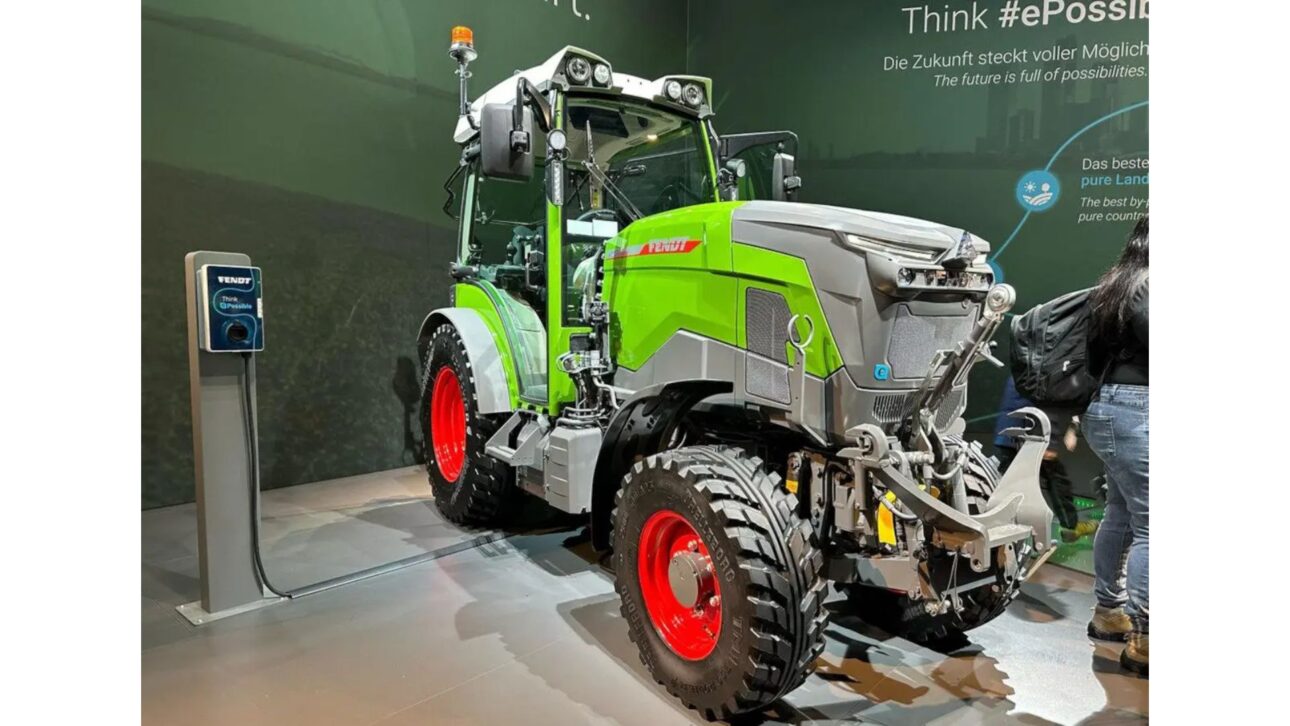
In the field of electrification, battery-powered tractors are already a reality in lighter operations, with models of up to 130 horsepower suitable for small and medium-sized farms.
These machines can be recharged during breaks and have good autonomy in less demanding tasks.
However, for larger equipment like harvesters and high-power tractors, the size and weight of the batteries become a challenge.
The increase in vehicle mass can cause soil compaction and raise operational costs.
Hydrogen cells, which generate electricity onboard, also face hurdles due to cost and the need for specialized infrastructure.
Multifuel Engines: Flexibility for Transition
In the absence of a single solution, the concept of multifuel engines is gaining traction, capable of running on mixtures of diesel, biodiesel, and vegetable oils.
This flexibility allows farmers to adapt equipment to local fuel availability, providing a more gradual and accessible transition.
Despite this, experts claim that there is still no consensus on which technology will dominate the market in the coming years, as factors such as costs, logistics, and public policies directly influence the viability of alternatives.
Economic and Environmental Challenges in Replacing Diesel
Replacing diesel involves not only technological innovation but also economic and environmental issues.
The cost of implementing new technologies, the infrastructure required for production and distribution of alternative fuels, and farmers’ adaptation to new systems require significant investment.
Additionally, the environmental impact of producing these fuels, especially in the case of renewable sources that still demand large-scale clean energy, remains a point of concern for governments and research institutions.
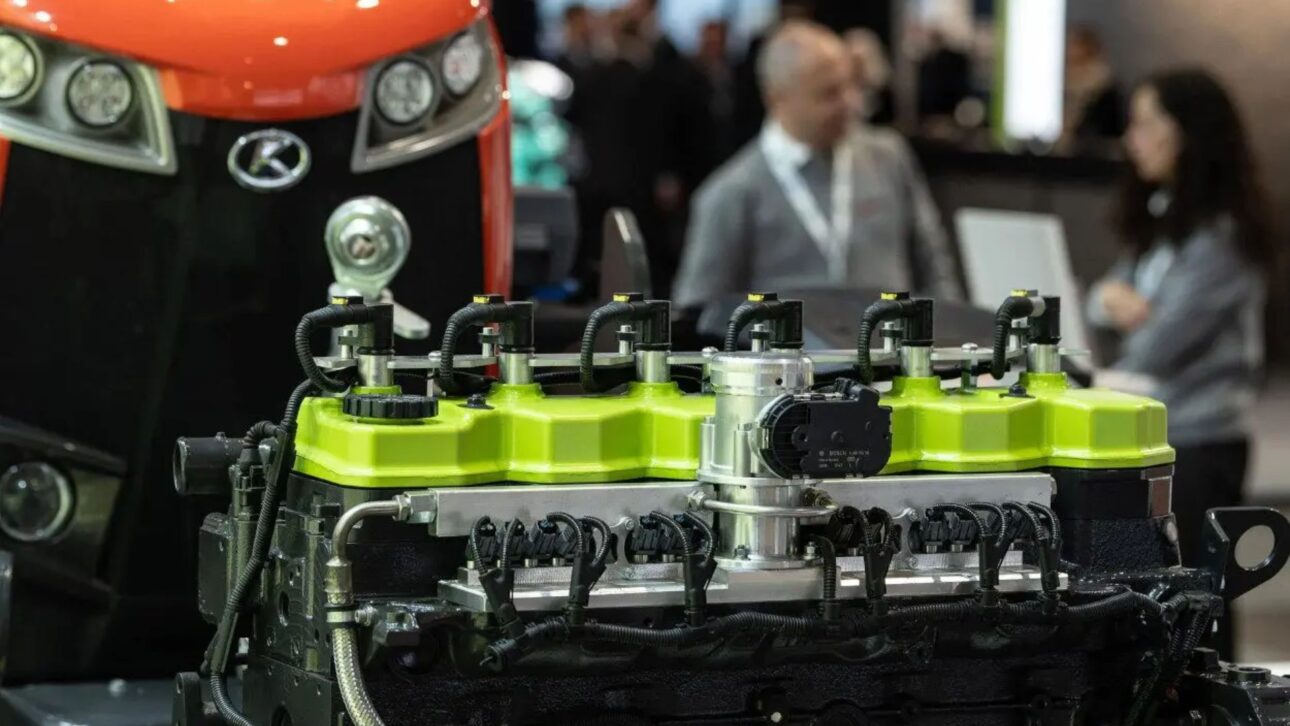
Expectations for Agritechnica 2025
The expectation is that Agritechnica 2025 will present not only new machines but also integrated solutions, combining different technologies to meet the specific demands of each property, agricultural crop, and region.
The event should address discussions on incentive policies, financing, and regulation to accelerate the energy transition in the sector.
Global Landscape and Opportunities for Brazil
Although the report’s context highlights changes in Germany, the movement seeking alternatives to diesel is global.
Countries like the United States, France, and China are also investing in research and development of cleaner technologies for the agricultural sector.
In Brazil, where agriculture holds significant economic representation, experts point out that adopting these innovations can strengthen the sector’s competitiveness and meet the demands of international markets that value sustainable practices.
The energy transition in agriculture is underway, and the tractor of the future, equipped with hybrid engines, synthetic fuels, or multifuel systems, must adapt to the needs and resources of each region.
The challenge now is to make these solutions accessible and efficient for all types of producers.
With so many options under discussion, which of these technologies do you believe has the most potential to transform global agriculture and ensure a sustainable future for the sector?





-

Uma pessoa reagiu a isso.