





 Portuguese
  English
  Spanish
  4 min of reading
  12 comments


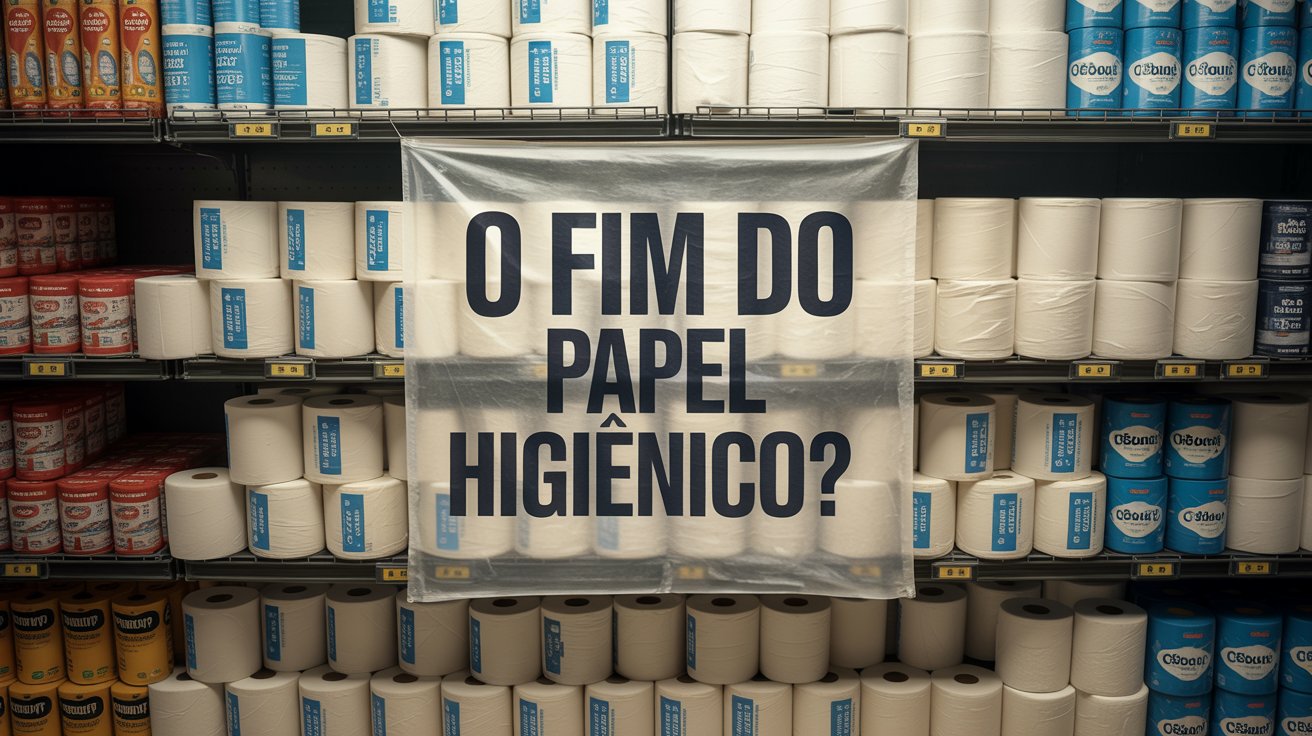


Japanese Innovation in Personal Hygiene Challenges Ancient Customs by Presenting a Sustainable, Practical, and Ecological Technological Solution That Promises to Transform Bathroom Use Around the World.
A silent revolution has been transforming personal hygiene habits in various countries, especially in Japan, with the potential to change a centuries-old custom: the use of toilet paper.
Gaining more and more traction, the Washlet — a smart toilet technology equipped with water jets — proposes to replace paper in a more hygienic, comfortable, and sustainable way.
Smart Toilet and the Revolution in the Bathroom
Since its introduction in Japan, the Washlet has become a symbol of technological innovation and environmental concern.
-
A rare storm transformed part of the Gulf into an unlikely scene of hail, extreme rain, and tornado risk in the middle of the desert, with volumes that exceeded the annual average in a single day.

-
Brazil catches the world’s attention with ships powered by ethanol and biodiesel that have lower emissions, an unprecedented certification with advantages in chartering, and a revolution in cabotage.

-
A couple who only has Sundays free has built a hand-dug pool, a hamburger joint, a dance hall, and a playground in their own home without hiring a mason, and even with breaks due to accidents and the pandemic, the work has never truly stopped.

-
Furniture made with aluminum and glass does not warp and has become an alternative to replace MDF in Brazil.

The equipment, initially developed by major Japanese manufacturers, features advanced functionalities: in addition to traditional cleaning with water jets, it allows for adjustments in water pressure and temperature according to the user’s preference.
More sophisticated models even come with warm air drying, heated seats, and remote control, providing a personalized experience.
The practicality of these devices has facilitated the expansion of the Washlet to other countries, overcoming cultural barriers and sparking interest in households in Europe, North America, and Oceania.
According to data from Japanese manufacturers, there are adaptable versions for traditional toilets, which enables the global popularization of the technology without the need for renovation in the bathroom.
The spread of the Washlet is also attributed to its environmental appeal, given that the production of toilet paper requires natural resources on a large scale.


Environmental Impact of Toilet Paper
The environmental impact of toilet paper is significant.
It is estimated that the manufacturing of toilet paper consumes millions of trees each year worldwide.
Each roll may require hundreds of liters of water during the production process, in addition to the use of electricity and chemicals for bleaching.
According to environmental studies, these chemical residues contaminate rivers and harm aquatic fauna and flora.
In light of this scenario, interest in alternatives such as the Washlet is growing, as it consumes less water with each use and eliminates the need for paper, packaging, and transportation of supplies.
Benefits of the Washlet for Health
Beyond environmental concerns, the technology offers significant health benefits.
The use of water jets reduces manual contact and minimizes the risk of skin irritations, allergies, and infections — problems often associated with excessive paper use, especially in people with sensitive skin.
According to health experts, cleaning with water helps prevent urinary infections and hemorrhoids, in addition to contributing to reducing the transmission of bacteria and viruses in households.
“Cleaning with water provides a higher level of hygiene and decreases the risk of microorganism proliferation”, explains infectious disease specialist Alexandre Zavascki.
The Washlet also draws attention for its accessibility aspect.

People with reduced mobility, the elderly, and patients recovering from surgery find greater autonomy with the automated system, reducing dependency on caregivers and promoting dignity during the hygiene process.
Versions with intuitive controls and simplified commands make the technology accessible to diverse audiences, according to reports from users and health professionals.
Economics and Sustainability in Daily Use
From an economic perspective, although the initial investment in a Washlet is higher than the cost of a conventional toilet, manufacturers highlight the savings generated over the years through reduced or eliminated toilet paper purchases.
Governments and environmentally responsible companies have adopted the solution in public buildings, airports, and hospitals, aligning with sustainability goals and environmental certifications.
Cultural Challenges and Global Acceptance
Despite technological advances, cultural challenges still persist.
In many Western countries, the use of toilet paper is a deeply ingrained habit.
Resistance to adopting the Washlet stems from factors such as tradition, a lack of awareness of its benefits, and infrastructure issues.
However, educational campaigns, combined with the search for more sustainable solutions, have contributed to a gradual increase in the acceptance of the product outside Japan.

Trends in Brazil and Historical Context
Recent data indicates that in Brazil, the adoption of the Washlet and similar technologies is still in its infancy but is growing in major urban centers and high-end hotels.
Interest has intensified in recent years, driven by global trends toward sustainability and environmental concern.
Experts predict that with the advancement of discussions around conscious consumption and ecological practices, the market for solutions like the Washlet is likely to expand in Latin American countries as well.
The innovation also connects with the history of alternatives to toilet paper.
The bidet, traditional in many Brazilian homes until the mid-20th century, served a similar hygienic purpose with water but lost ground with the popularization of paper.
Now, digital and automated versions revive and enhance this practice, combining comfort, technology, and environmental awareness.
The Future of Toilet Paper and the Role of Technology
With so many proven benefits — from environmental preservation to promoting health and accessibility — the Washlet emerges as a response to the growing demand for sustainable solutions in daily life.
The question that arises is: will we ever see such an innovation become common in bathrooms in Brazil?





Ovôlimpá o kô com o quewson agora?
Vai ser com as 3 conchinhas?🤪
E que se começe o reinado das 3 conchas do filme demolidor estrelado por silvestre stalone e Wesley slides 🤣🤣🤣🤣🤣🤣🤣🤣🤣🤣🤣🤣🤣