





 Português
  Inglês
  Espanhol
  4 min de leitura
  0 comentários


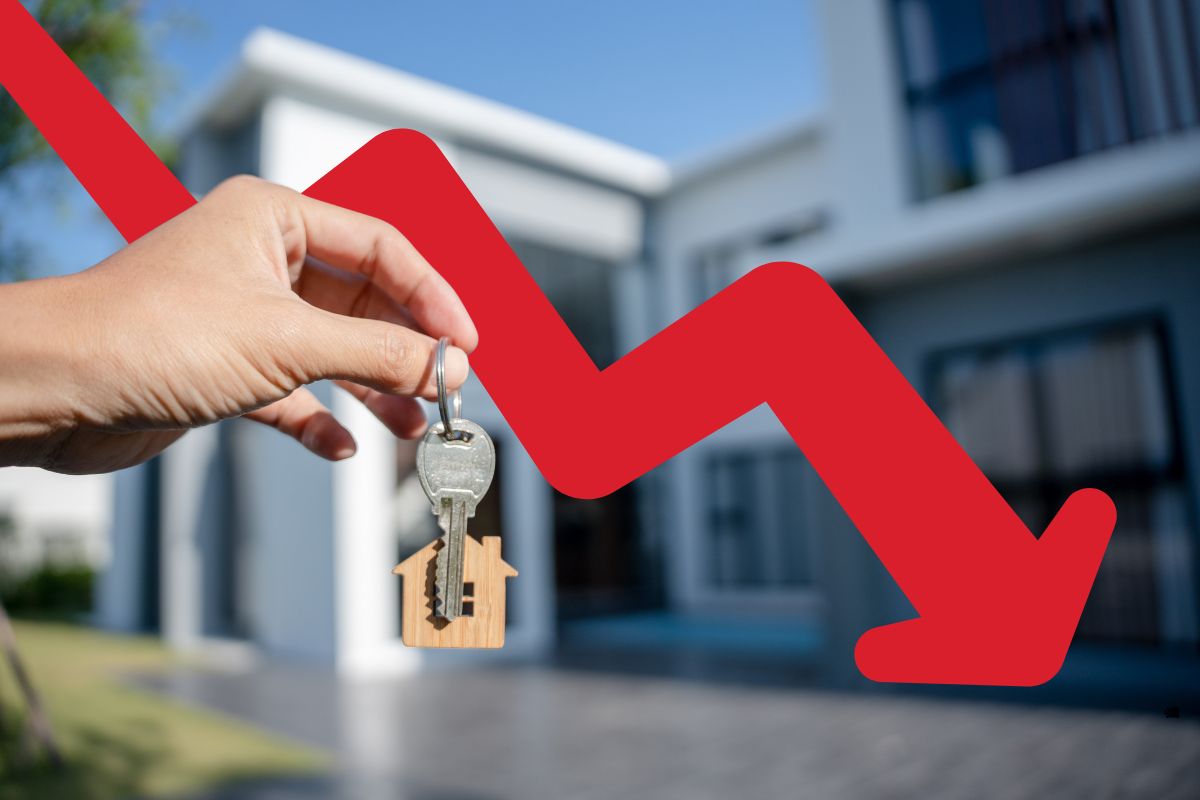
The Combination Of Prices That Soar, Salaries That Don’t Keep Up, And A Market That Favors Those Who Already Have A Roof Is Decreeing The End Of The Dream Of Homeownership For An Entire Generation Of Brazilians.
Buying a property, which for decades was the main symbol of stability and achievement for Brazilian families, today seems like a distant, almost unattainable reality. The skyrocketing prices, which far exceed the appreciation of income, have created a chasm between the desire for a home and the ability to pay for it. This scenario raises an alarming question: are we experiencing the end of the dream of homeownership as we knew it?
For younger individuals, the situation is even more critical. Research shows that, although the vast majority still aspire to own their own property, the perception is that the task has become much more difficult than it was for their parents and grandparents. The result is a generation that postpones plans, rethinks the idea of having children, and finds itself trapped in a cycle of expensive rents, with no prospect of building equity.
The Equation That Doesn’t Add Up: Luxury Prices, Stagnant Salaries

The problem starts with a simple and brutal math. According to the FipeZAP index, which monitors property prices in 50 Brazilian cities, property appreciation has consistently outpaced inflation and average income growth over the past decade. While the price per square meter skyrockets, the purchasing power of Brazilians shrinks.
-
In a silent race, Shopee signs a mega contract in Guarulhos and accelerates the e-commerce war with faster deliveries, pressured shipping, and a new threat to rivals in Brazil.

-
Oil surged to $115 a barrel due to the war in the Middle East, and diesel in Brazil has already risen to R$ 7.45 per liter, while the United States…

-
Brazilian city bets on the business environment to generate jobs and attract investments in the energy sector — secretary reveals strategy at Macaé Energy 2026.

-
50 viaducts, 4 tunnels, 28 bridges, and 40 kilometers of bike paths: BR-262 in Espírito Santo will receive 8.6 billion reais for the largest engineering project in the state’s history, inspired by the Immigrant Highway in São Paulo.


This disparity is even more cruel when analyzing income data. A study by the Brazilian Institute of Economics at the Getulio Vargas Foundation (FGV IBRE) revealed a shocking fact: between 2012 and 2024, the real average income of workers with higher education in Brazil fell by 12%. That is, even the most qualified professionals are losing purchasing power. The economy has predominantly generated low-paying jobs, making access to real estate credit and the ability to save a challenge for the middle class.
The practical result is that the time required to buy a property has increased dramatically. If in the 90s it took around 8 years of work (saving 100% of the average salary) to buy a standard property, today this number can exceed 20 years, not counting the interest on a mortgage, which can more than double the final value of the asset.
A Market For The Few: Where Are The Properties For The Middle Class?
Another factor that aggravates the crisis and contributes to the end of the dream of homeownership is an imbalance in supply. Construction companies and developers have focused their production on two extremes of the market:
Affordable Properties: framed under housing programs like Minha Casa, Minha Vida, aimed at low-income populations.
Luxury Properties: with extremely high added value, targeted at a small segment of the population.
The middle class, which represents a huge chunk of the demand, has been left orphaned of new launches. With few options available in this segment, the prices of used properties soar, fueling the appreciation spiral. Additionally, the increase in construction costs adds to this. The National Construction Cost Index (INCC) accumulated a rise of over 40% in the last five years, further increasing the cost of any new project.
The Homeowner Doesn’t Want New Neighbors
The most obvious solution to high prices would be to increase supply, that is, to build more houses and apartments. However, this logic encounters a powerful obstacle: the interest of those who are already property owners. For those who already own a property, the construction of new developments in the neighborhood is seen as a threat that could devalue their asset.
This phenomenon, known as NIMBY (Not In My Back Yard), directly influences urban policies. Property owners in well-located neighborhoods use their influence to maintain restrictive zoning laws, which prevent the construction of denser buildings and housing. In São Paulo, for example, upscale neighborhoods like Jardins and Pinheiros maintain the character of a “small town” amid a megalopolis, forcing the lower-income population to live further and further away from work and infrastructure.
Moreover, the bureaucracy for approving a construction project in Brazil is one of the slowest and most expensive in the world. According to the World Bank, the process can take nearly a year and involve dozens of procedures, a cost that is inevitably passed on to the final buyer, increasing the property value by up to 12%.
A Dream That Needs To Be Redesigned

The reality is that the path to homeownership, trodden by previous generations, is blocked. The combination of inaccessible prices, declining income, limited supply, and bureaucratic barriers has created a perfect storm. For most Brazilians, especially the younger ones, acquiring a property has ceased to be a natural life stage and has become a luxury for the few.
As long as the mindset that “property is an asset that only appreciates” persists and there is no radical change in urban policies to encourage mass construction, the conflict of interests between owners and non-owners will continue to deepen. Perhaps it is not the end of the dream of homeownership, but rather the end of the dream as we knew it, requiring new solutions, such as long-term rentals and other housing models, for a generation that needs, above all, a place to live.
And you, how do you see this situation? Does the dream of homeownership still play a part in your plans or are you already looking for other alternatives? Share your experience in the comments!










Seja o primeiro a reagir!